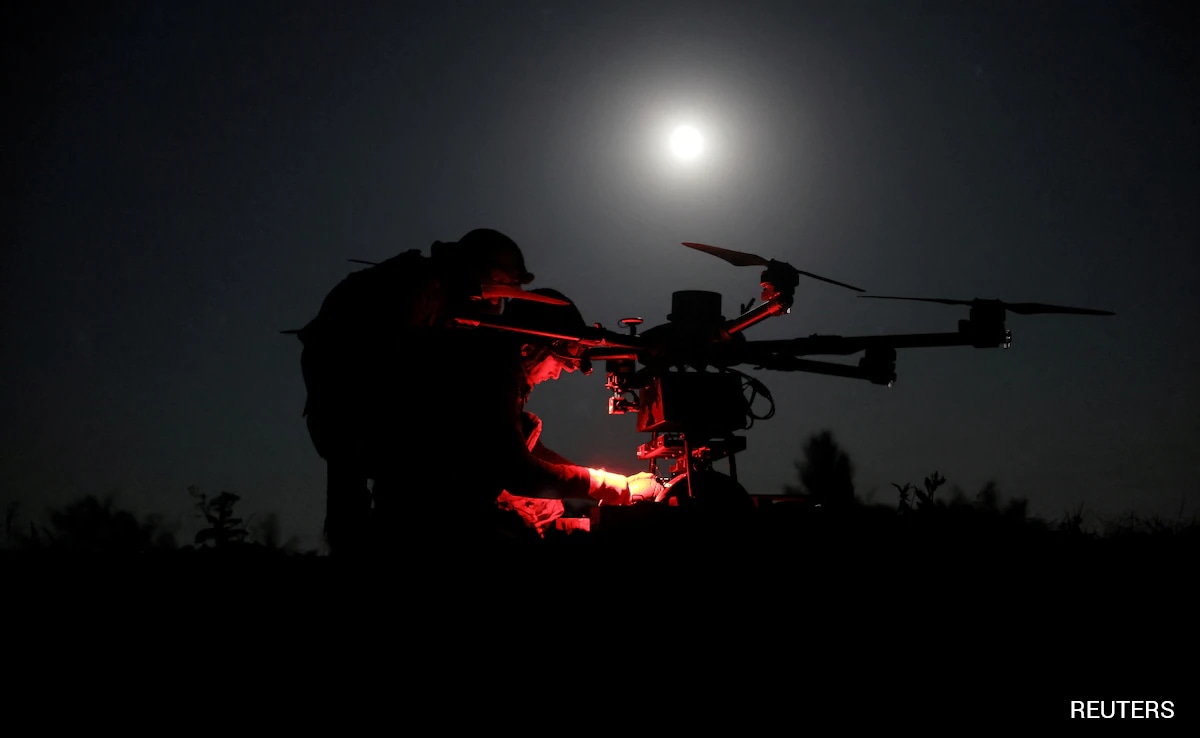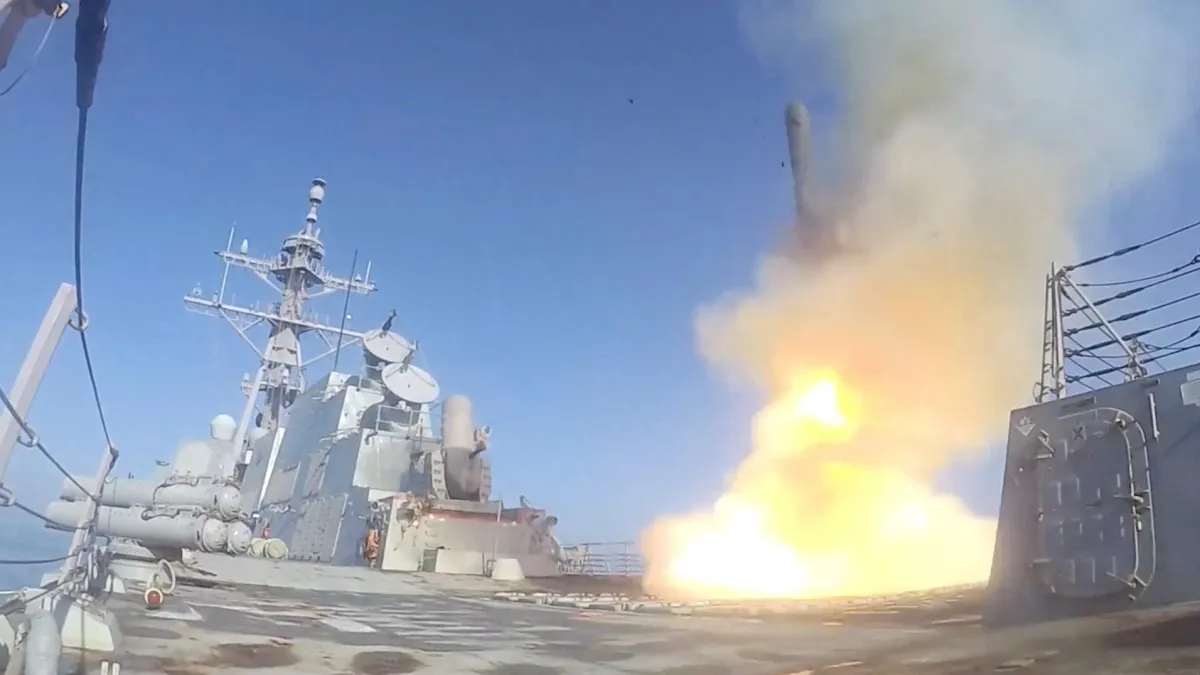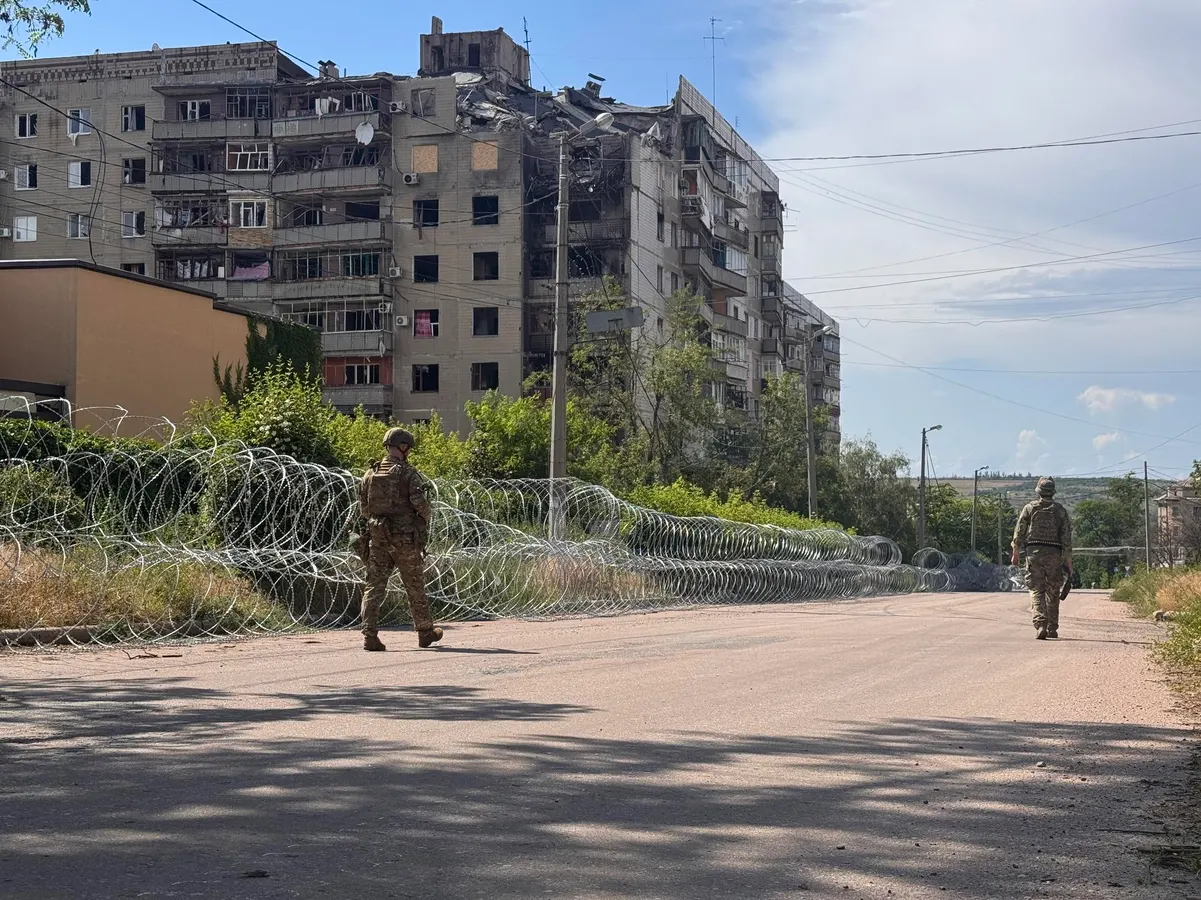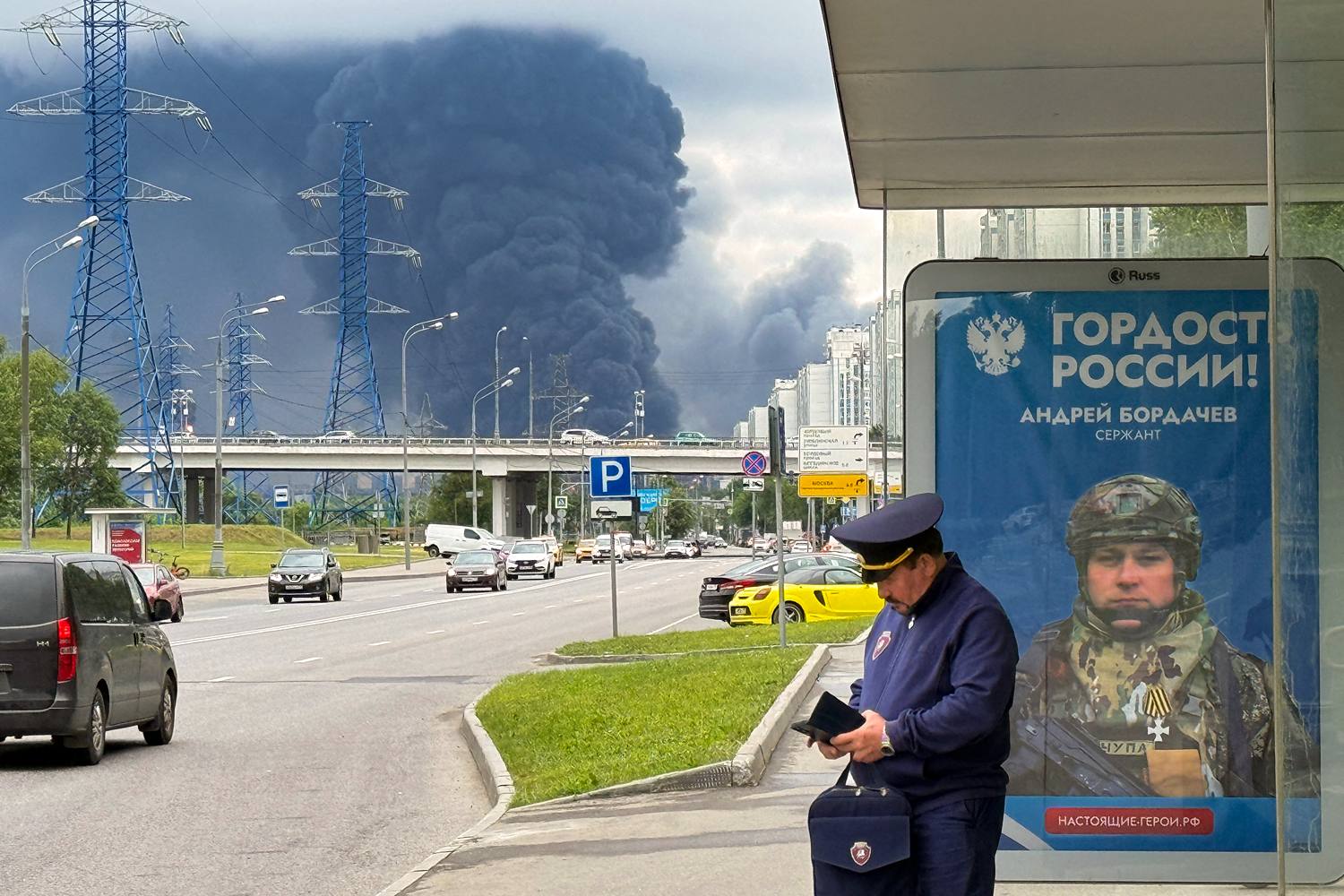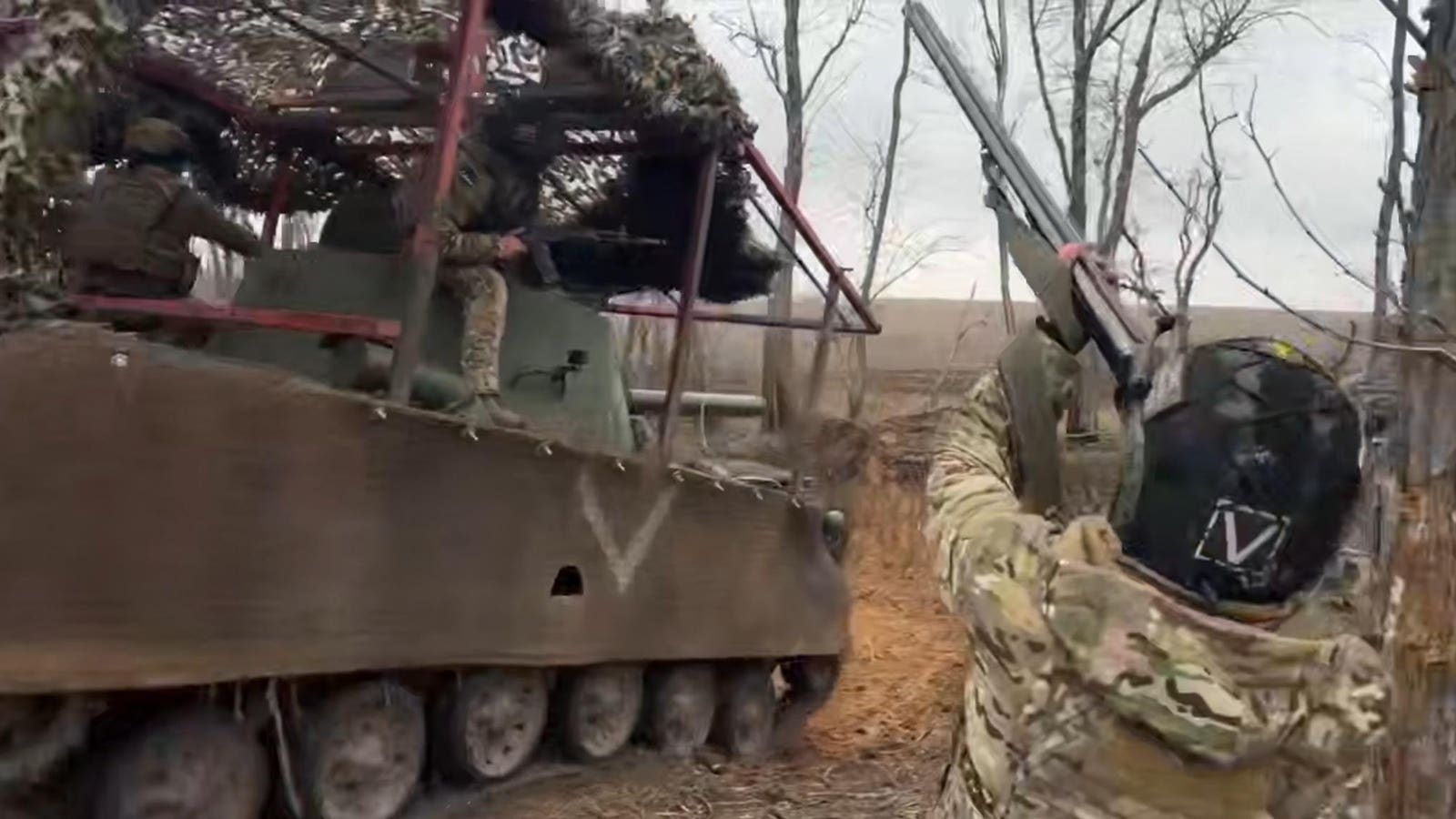
Image captured from video posted on social media by the Russian Ministry of Defense on April 6, 2026. The video showed a Nona-S self-propelled howitzer with counter-drone protection. As the vehicle moved into position, soldiers got off from the vehicle with shotguns to watch for Ukrainian drones.
... More
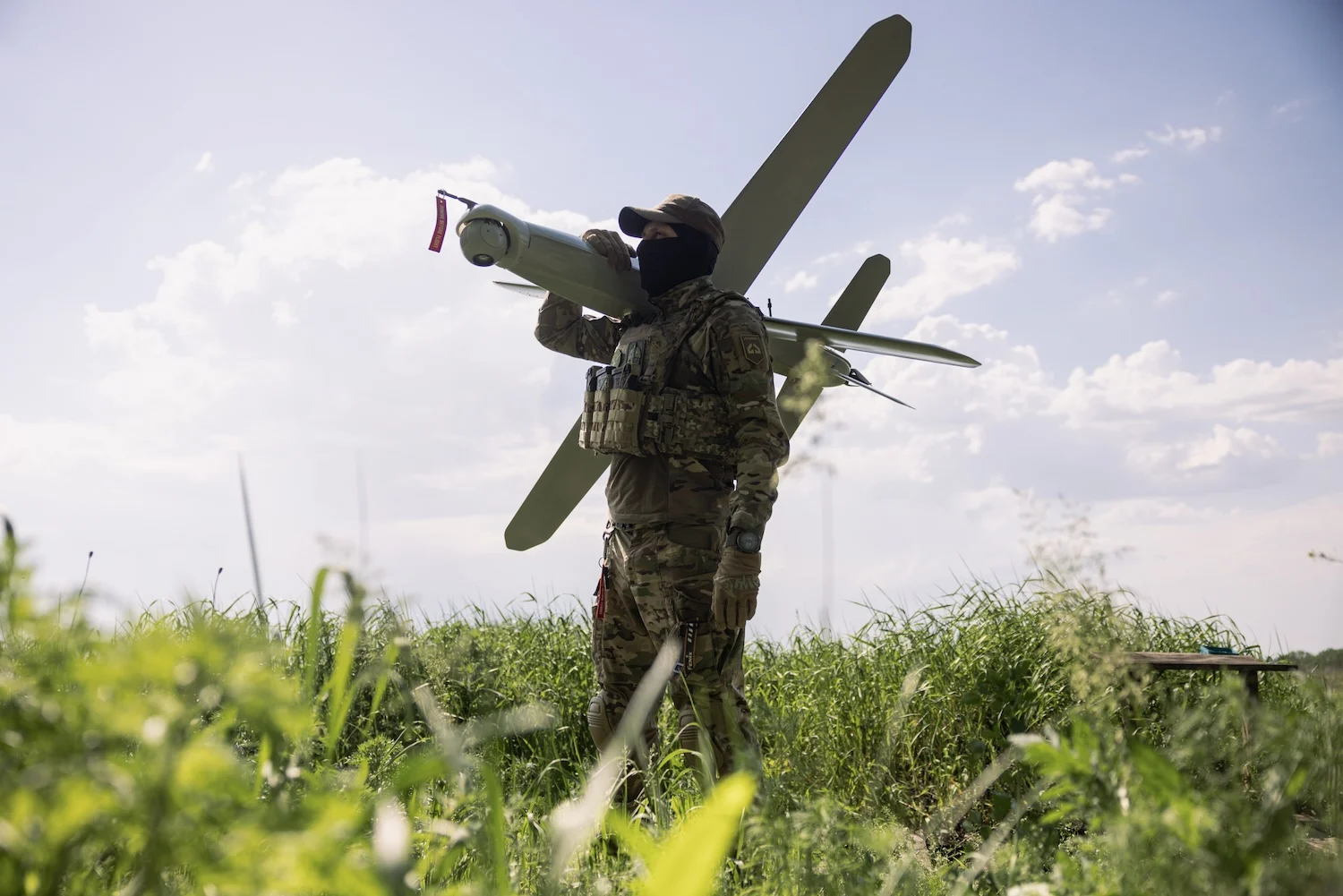
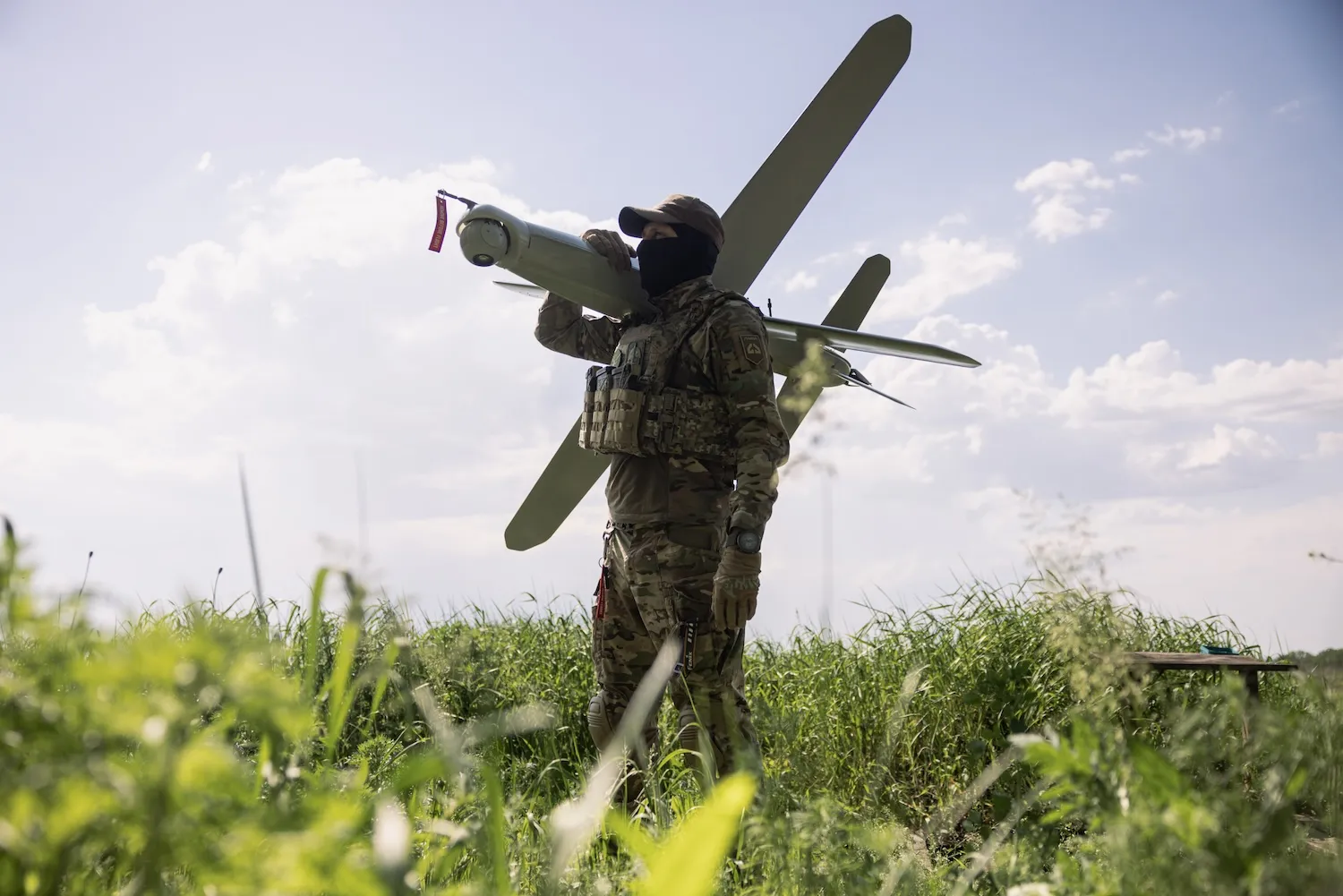
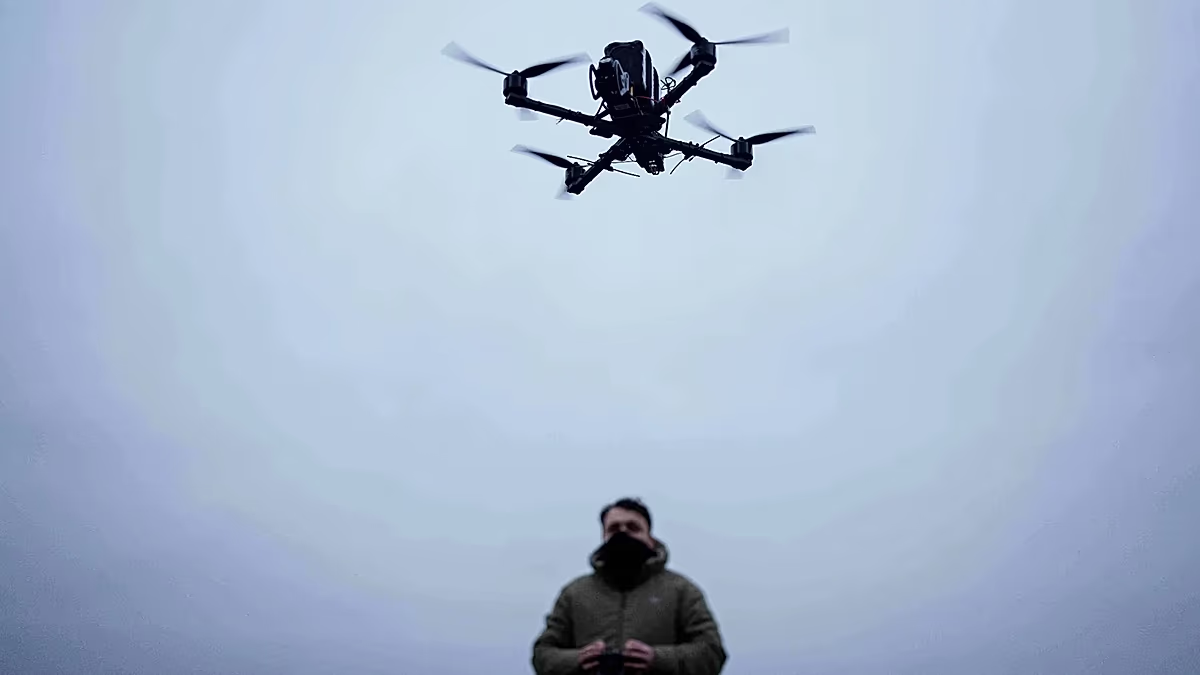
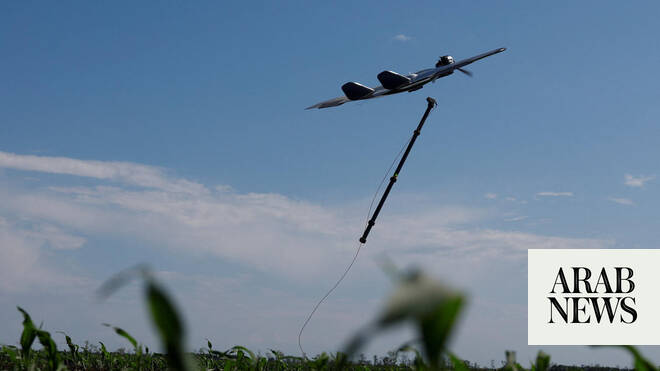
Drones currently account for 70 to 80 percent of losses on the Russia-Ukraine battlefield, supplanting artillery as the "King of Battle." At first glance, this shift suggests that both Russia and Ukraine have transitioned away from traditional artillery in favor of cutting-edge drones as a means of delivering fires. The reality is that drones cannot replicate the firepower of artillery, which remains central to Russian and Ukrainian combat operations. This shift has occurred not because drones are superior to artillery, but because drones have made artillery far more difficult to employ. Both sides use drones extensively to locate and target enemy guns, forcing artillery units to adapt their tactics in order to survive and continue delivering limited firepower on an increasingly transparent battlefield.
The Importance of Artillery to the Modern Battlefield
Despite their growing use, drones still face several limitations. There is an inherent trade-off between payload capacity, battery life, maneuverability, and flight speed. As a result, many drones lack the payload necessary to reliably destroy armored vehicles, fortified positions, and other hardened targets. Drones are also vulnerable to weather, terrain effects, and electronic warfare. In addition, most drone operations still rely on one operator controlling one drone, making it difficult to coordinate large-scale attacks involving multiple systems.