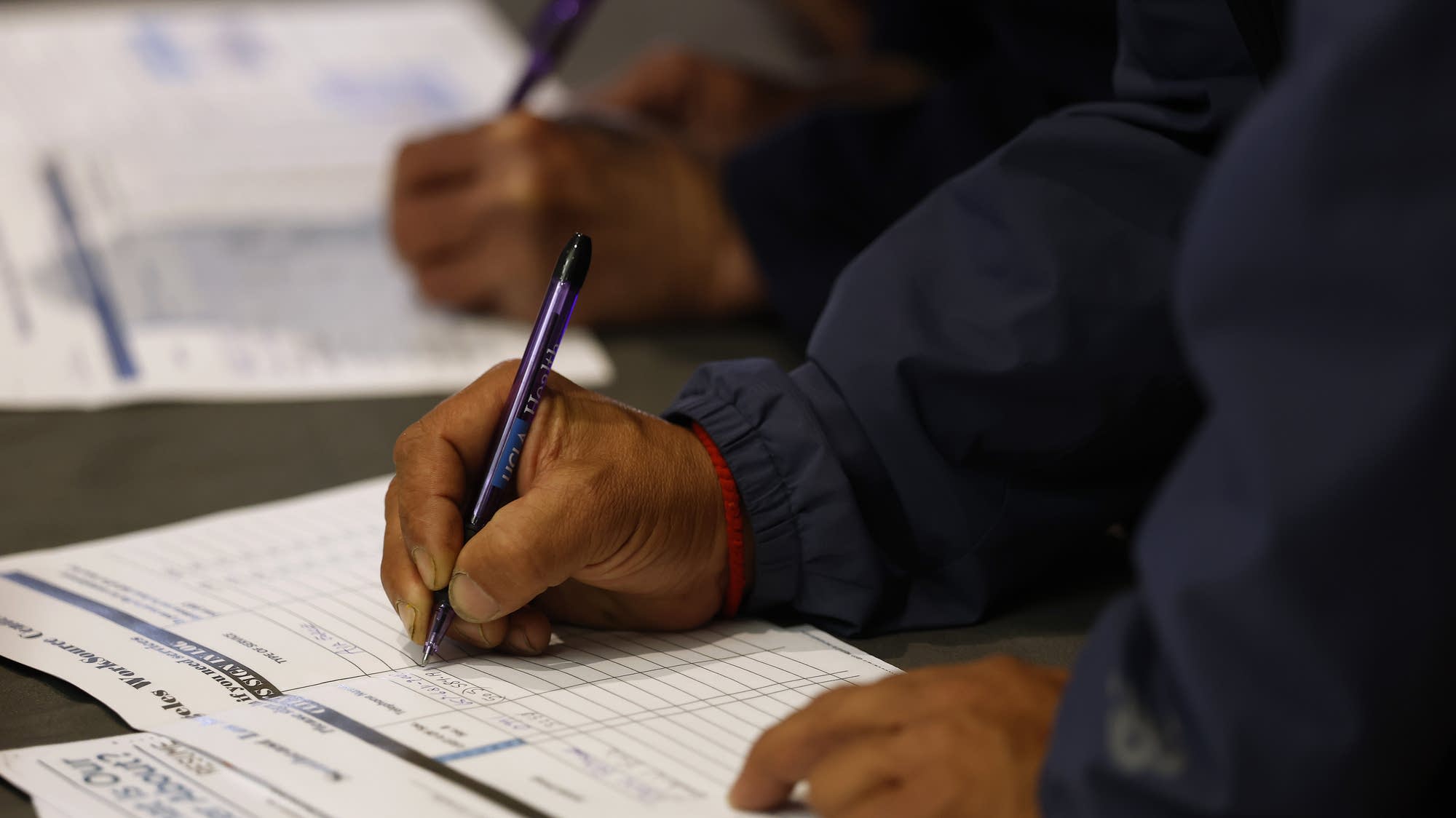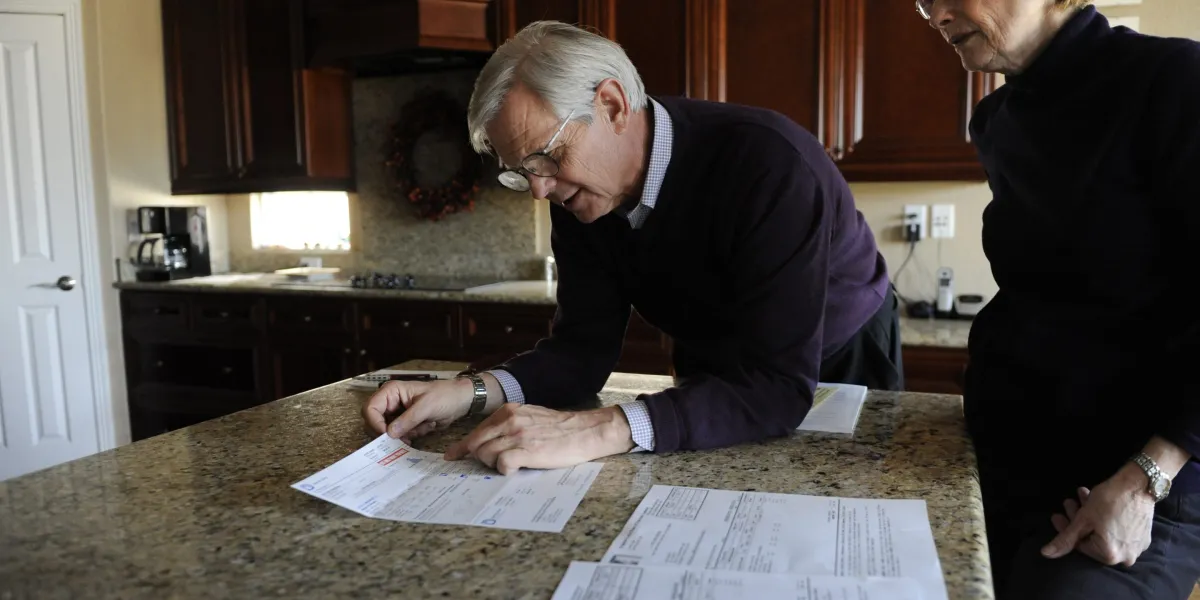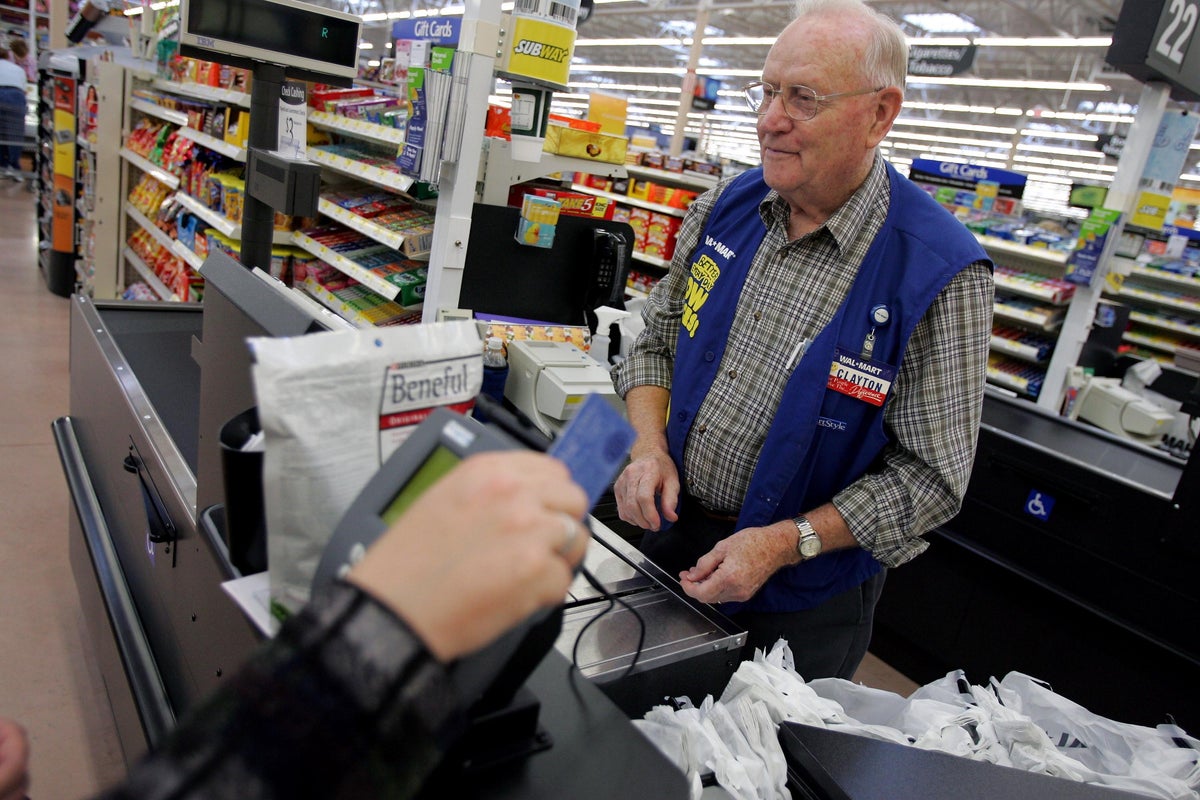
They cut the dining out first. Then they stopped putting money away. Then came the retirement account—the one thing financial advisors tell you never to touch—drawn down not for an emergency exactly, but for the slow-motion emergency of a life where the math stopped working and never started again. For many of Americans, simply existing has been the most expensive line item they’ve had, and they have pessimistic views of it ever improving.
Nearly a third of American voters are living some version of this story. A new poll from the Roosevelt Institute, conducted by Impact Research in May 2026 among 1,000 registered voters, gives this cohort a name: the “disillusioned.” It has a surprisingly precise definition, of people who believe the system is rigged in favor of corporations and the wealthy, that government involvement makes things worse, and that federal policies actively hurt the middle class.
What the poll cannot quite capture is the exhaustion driving those beliefs. The disillusioned 32% aren’t angry in the abstract. Eighty-five percent of them are financially worried, more than any other group surveyed. Nearly half say their quality of life has gotten worse over the past two years. Twenty-seven percent have dipped into retirement savings just to cover ordinary expenses. Forty-two percent have stopped saving entirely.