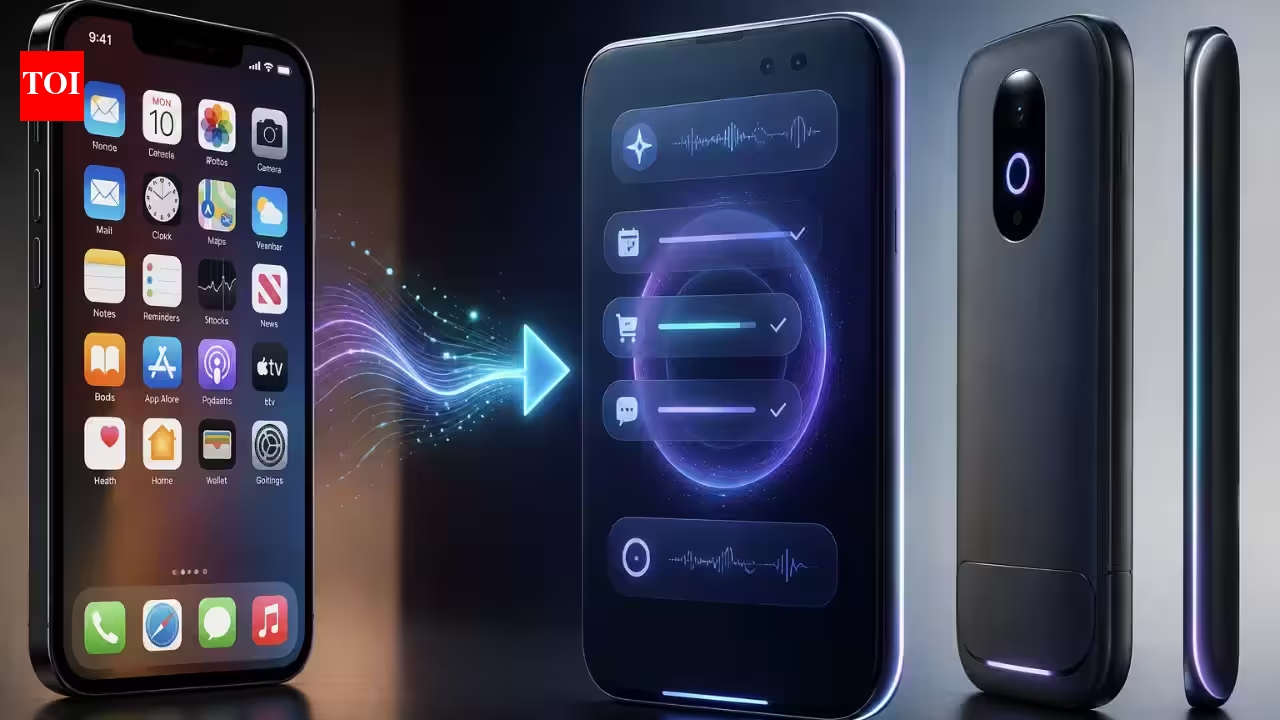
The first mobile application user interfaces were often scaled-down versions of what was already available on the web. Then, user experience (UX) designers recognized that the different smartphone form factor created new business opportunities and greater utility compared to what people were doing on their desktops. UX designers created mobile-first experiences tailored to the job to be done and other design thinking principles. The underlying agile development practices, along with the emergence of app stores, paved the way for explosive growth in smartphones and mobile applications.
Today’s AI experiences seem to be following a similar path, with basic, sometimes bolted-on user experiences.
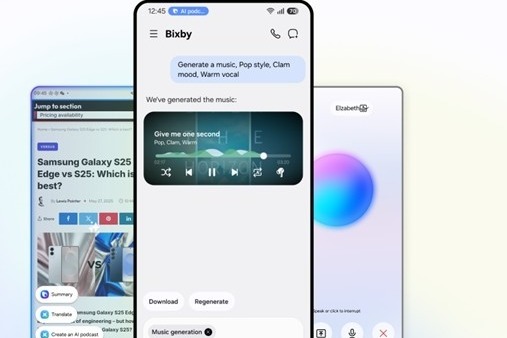
First-gen chatbots appeared as pop-ups with text entry-and-response user interfaces (UIs) overlaid on the application’s screens.
The primary UI for large language models (LLMs) is often a text box that accepts a prompt followed by a response that includes text and other media.
Early AI agents were embedded in workflows, allowing users to prompt for information rather than point and click.