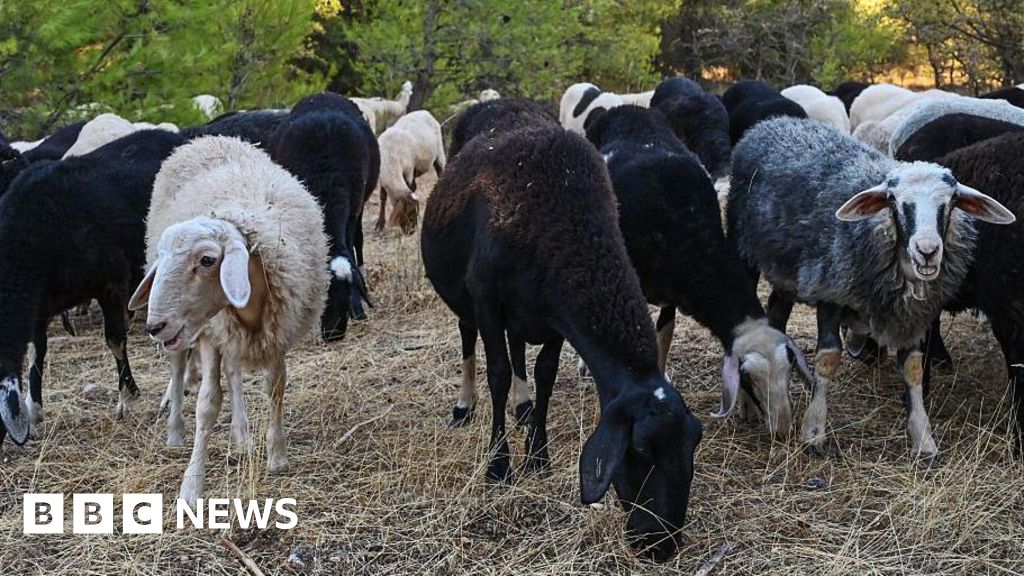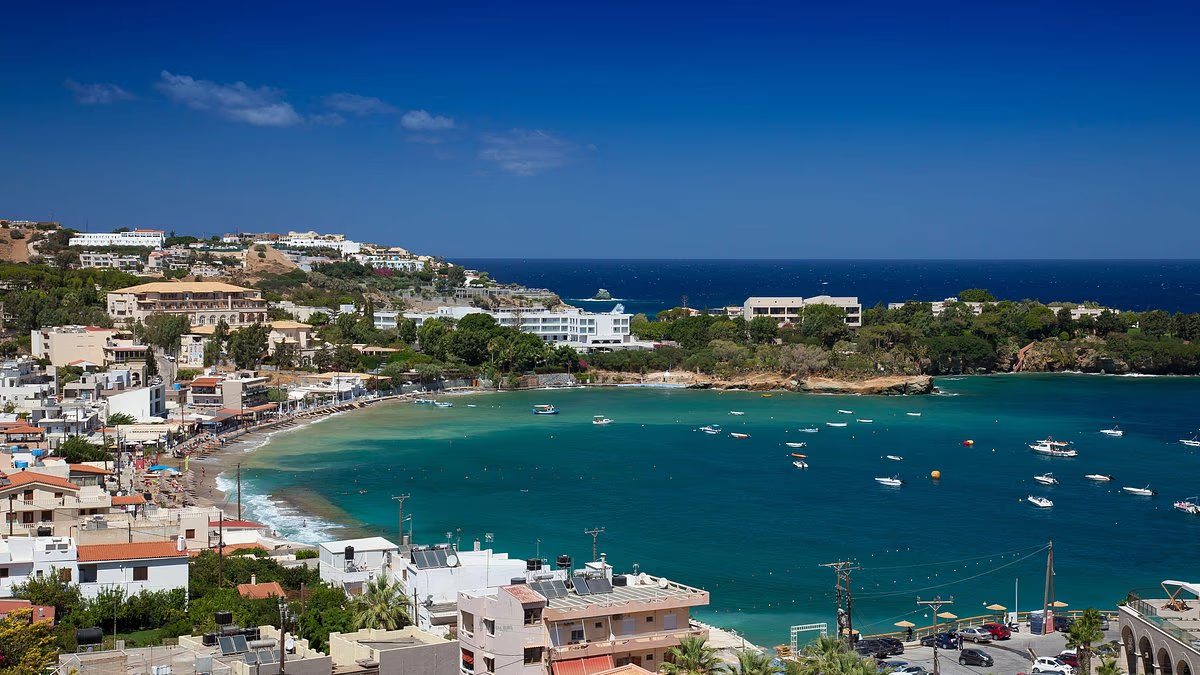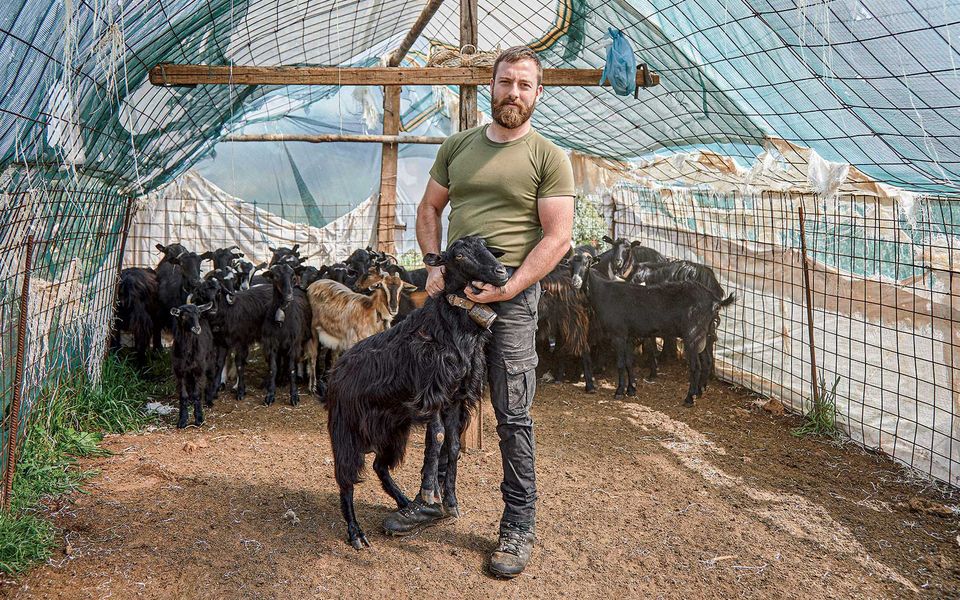
Even on Sunday morning, the chimneys of Apokoronas’ dairies in northwest Crete are billowing smoke. In villages like Tzitzifes and Fres, farm trucks stop at the roadside and unload milk crates from the sheep and goats of the area’s numerous small-scale farmers.
In contrast to the morning coolness of this semi-mountainous area, when you enter the cheese factories, the stifling heat emitted by the huge vat pasteurizers, with a capacity of a thousand liters, prevails.
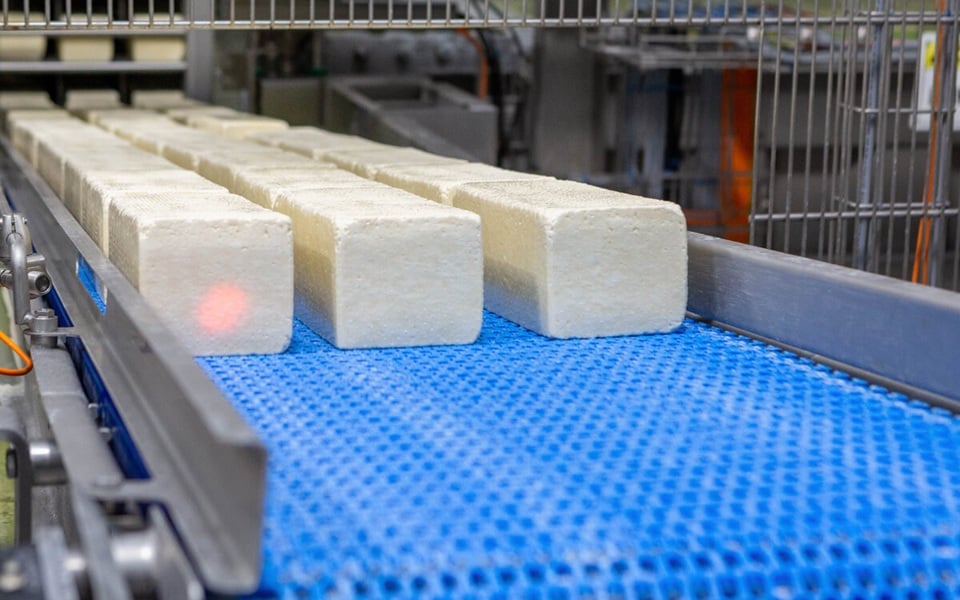
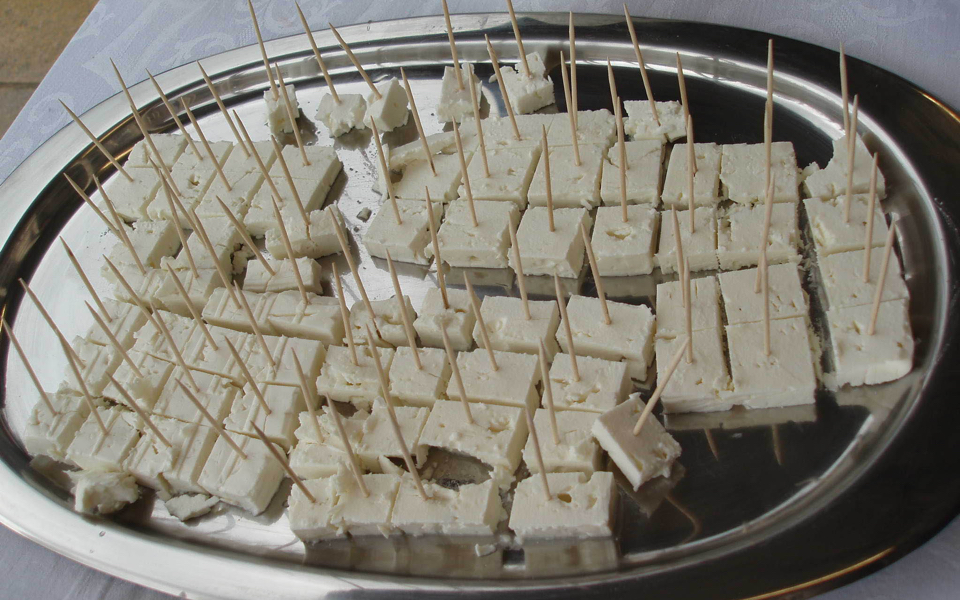
At the Kostakis cheese factory in Tzitzifes, two young men work with agile and coordinated movements that resemble a choreography. They quickly place various white plastic containers on the metal counter and with the help of a slotted spoon they remove the white cheese that has begun to curdle into small balls and transfer it into the containers. There it will drain for a few hours until it becomes anthotyro (a fresh, white, low fat cheese). But the cheesemakers continue to work. Sifis Kostakis takes the shaker, a large piece of wood, in his hands and bends down to carefully stir the contents of the vat from end to end, while his sons are busy with the milk that is steaming in the remaining four cauldrons and is intended for different types of cheese.