Why building a Domain-Specific Rule-Based Engine natively in JavaScript was the best architectural decision for my open-source project.
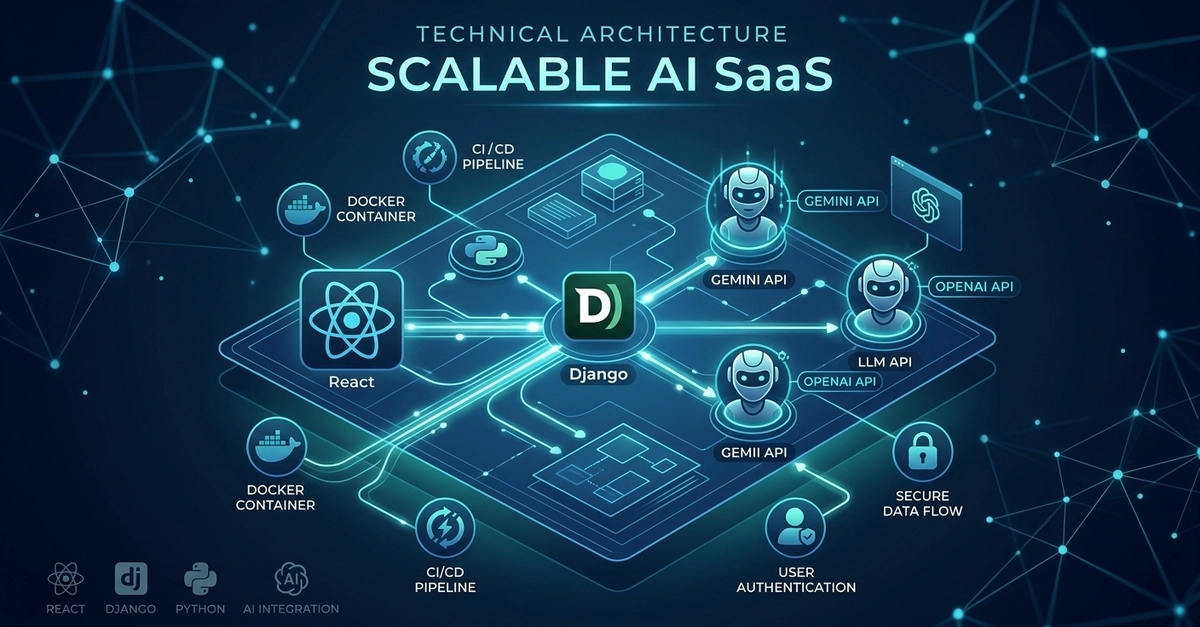
If you are building an open-source project in 2024, there is an unspoken pressure to slap an OpenAI API key on it and call it "AI-powered."
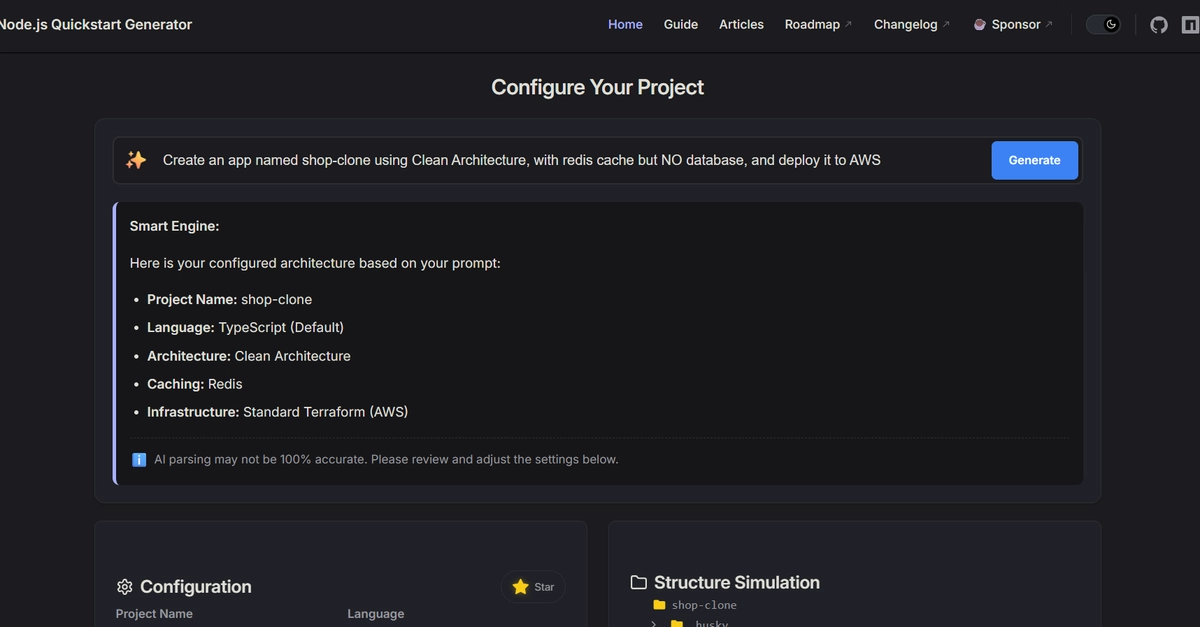
For my latest project—an advanced Node.js architecture scaffolding tool, I wanted users to be able to configure their microservices using natural language. For example: "Give me a Clean Architecture project using TypeScript, PostgreSQL, and Kafka, but I don't need any CI/CD."
The industry standard solution? Send that prompt to an LLM, wait 3-5 seconds, and parse the JSON response.
But when I looked at the realities of deploying this to thousands of users, I hit a massive wall: