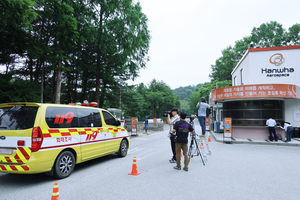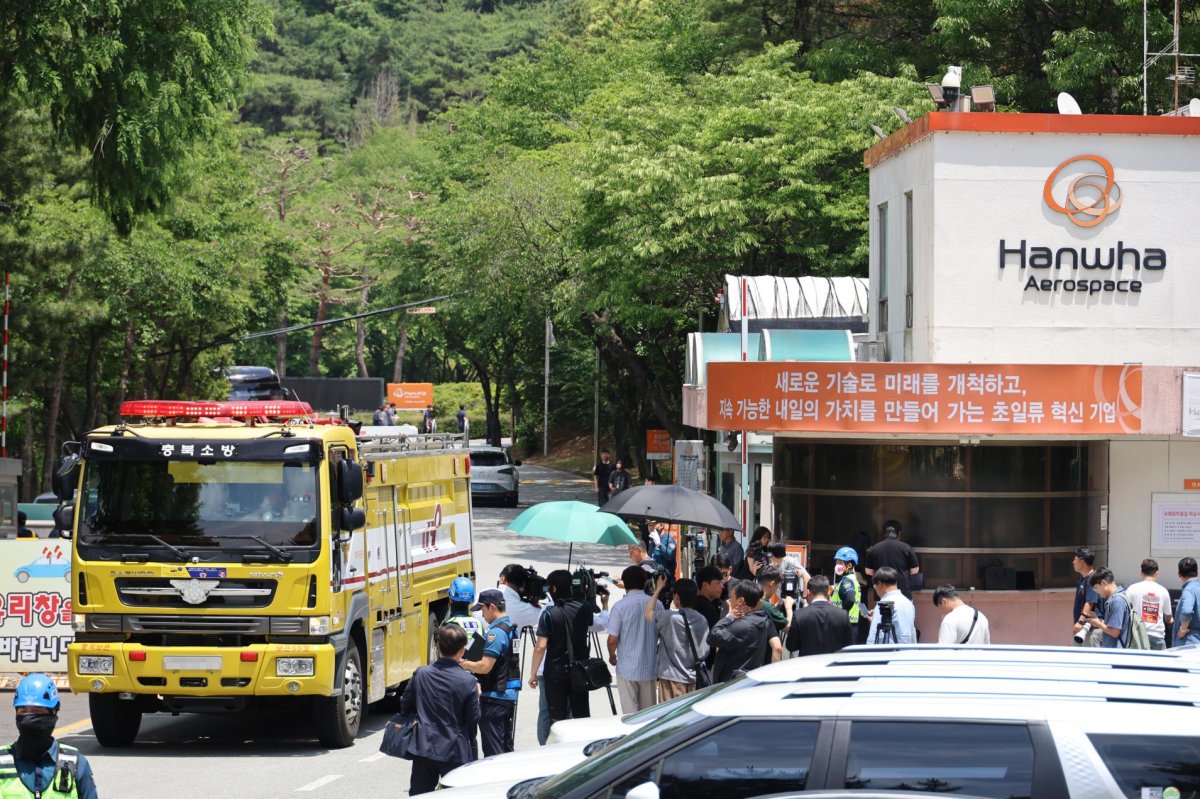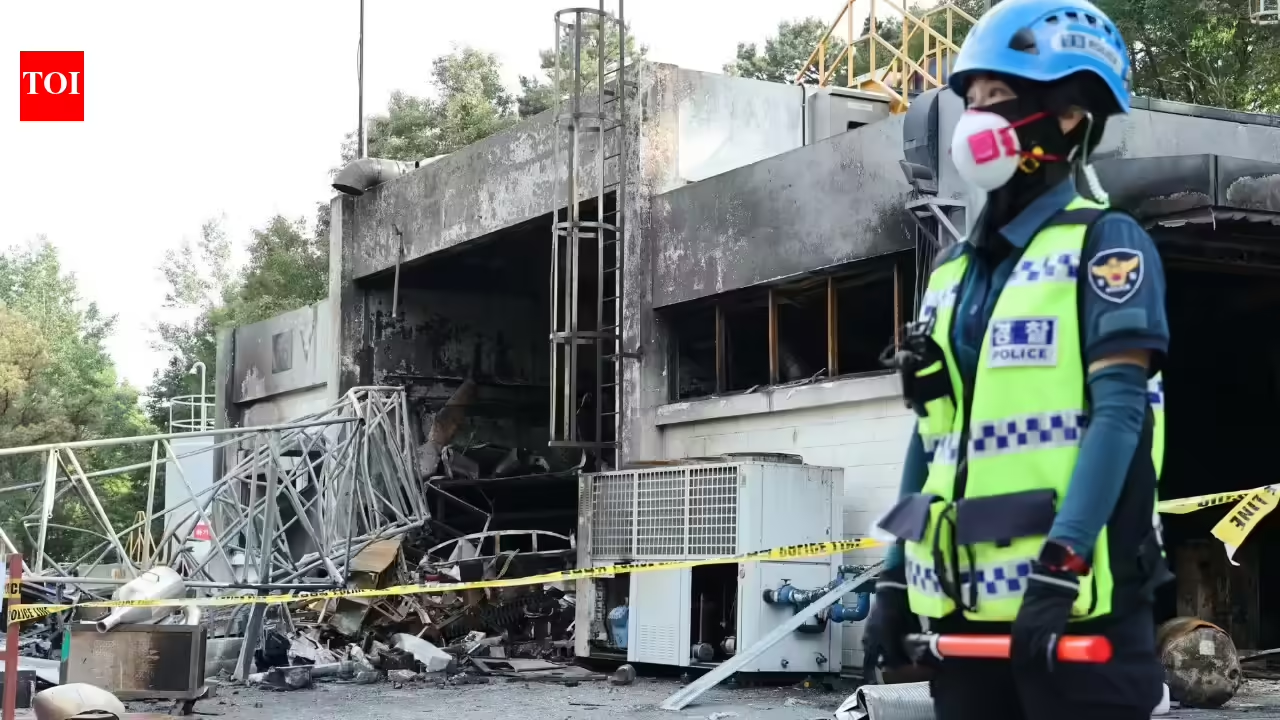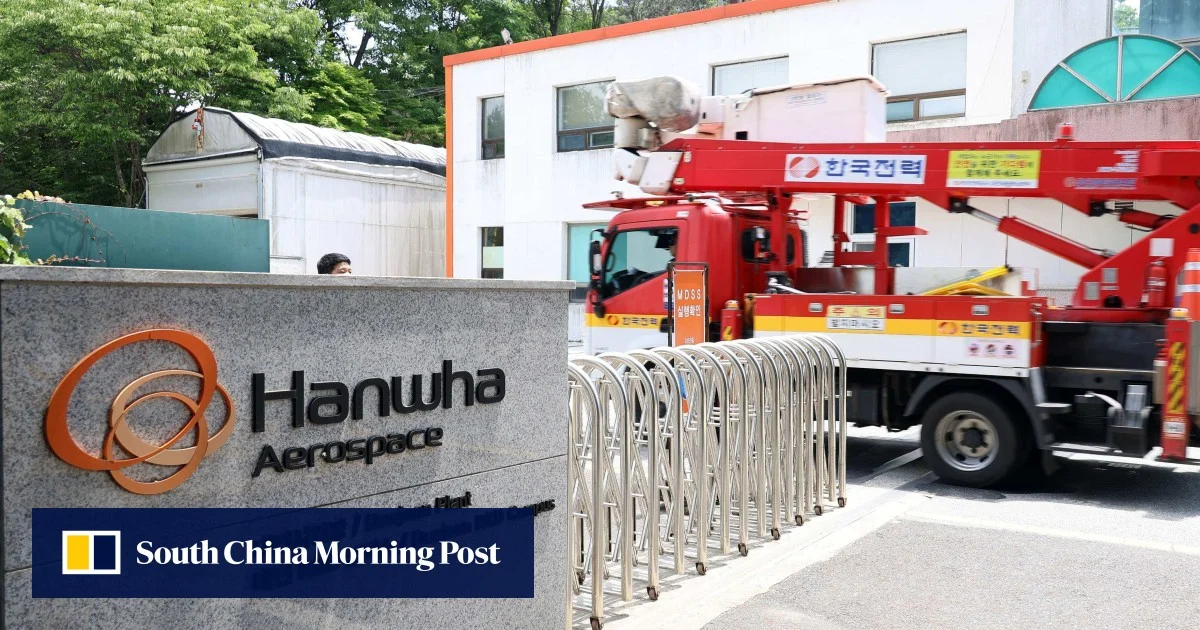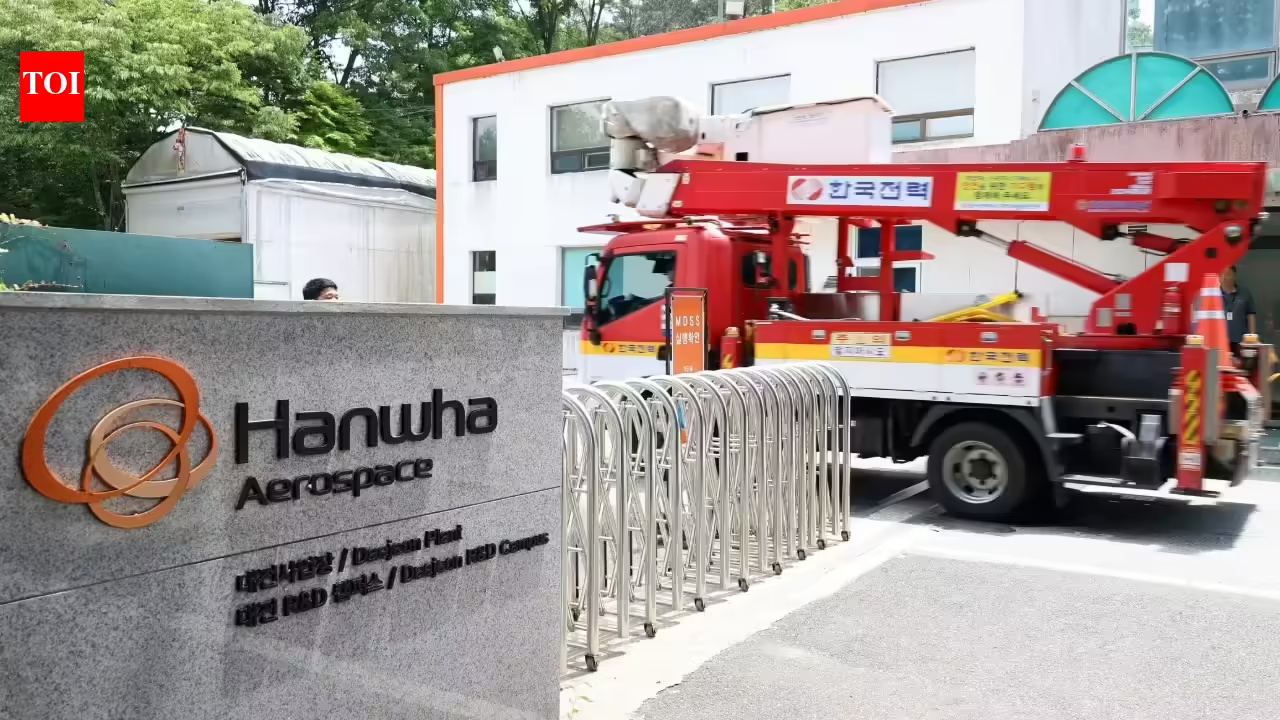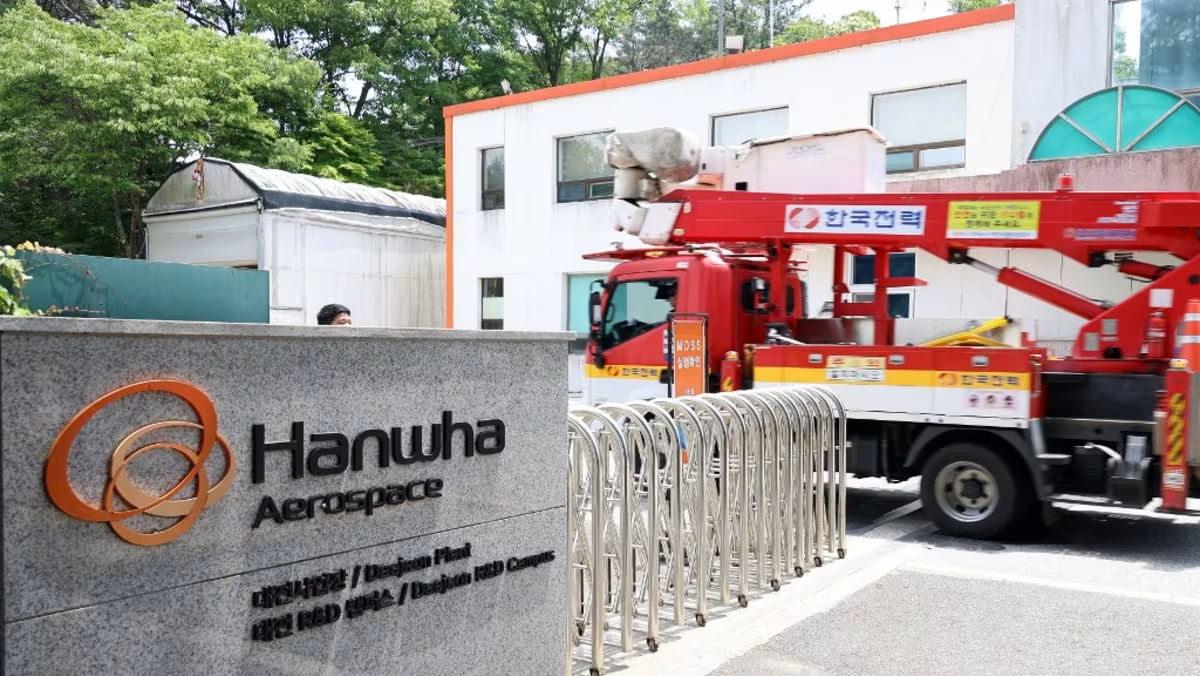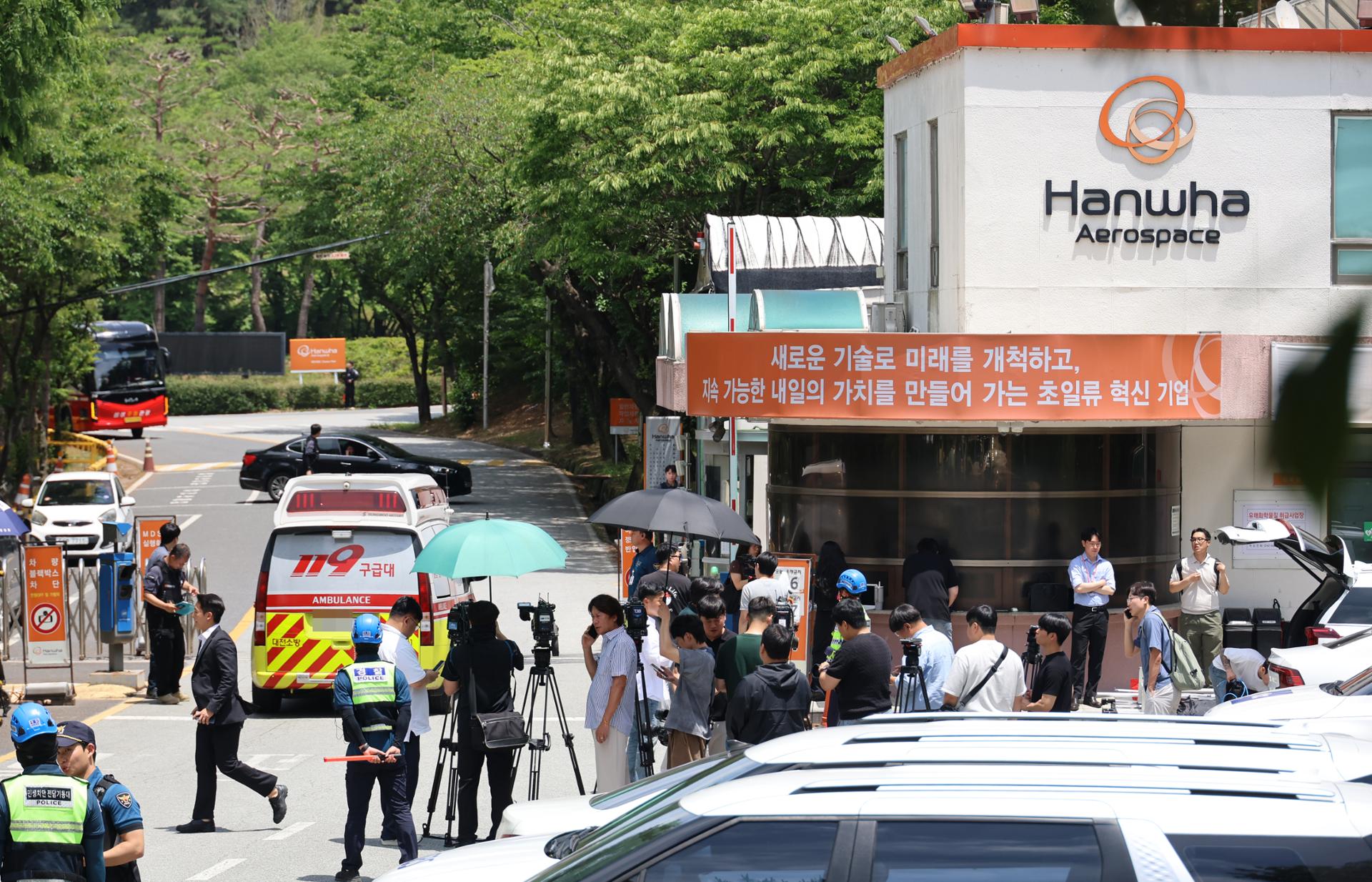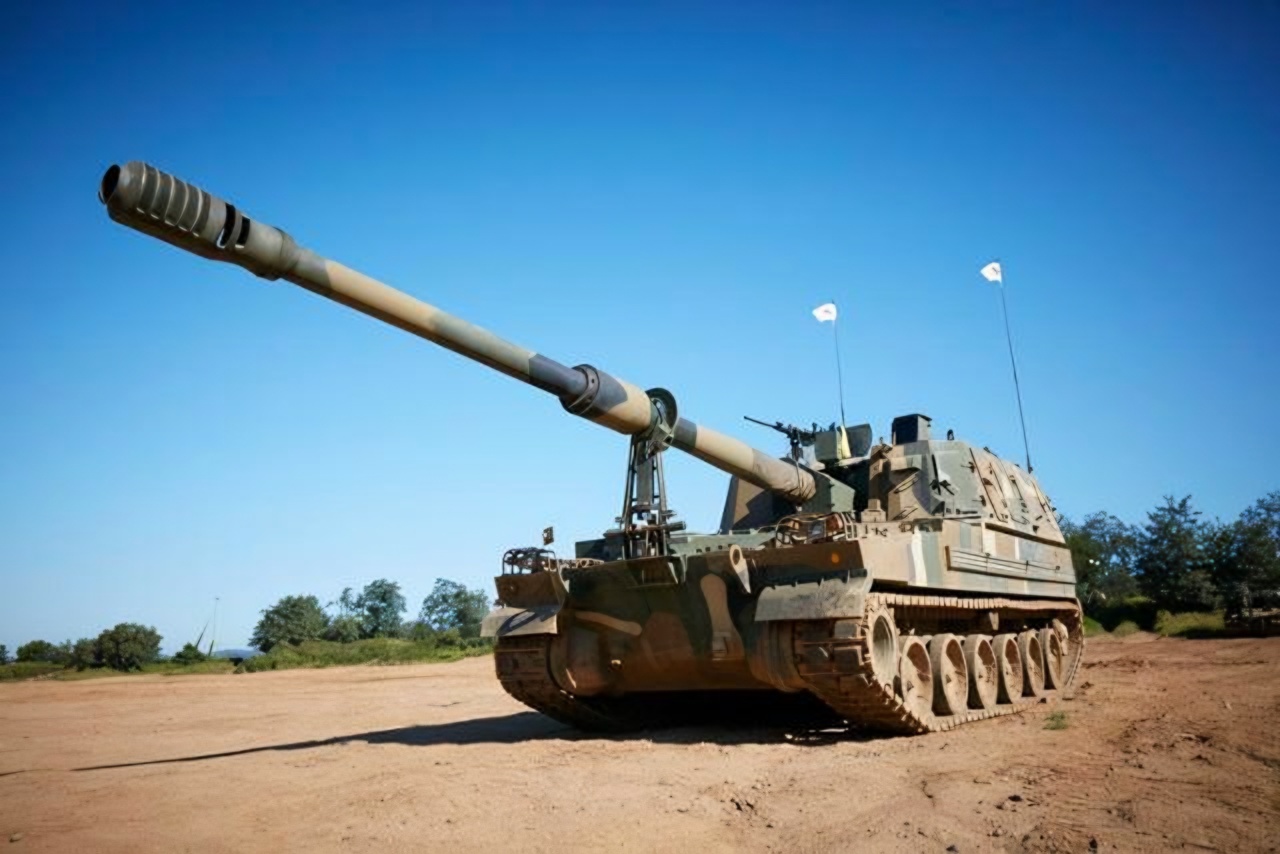
Hanwha Aerospace's K9 self-propelled howitzer / Courtesy of Hanwha AerospaceLess than a week after three died when a section of the Seosomun Overpass collapsed while undergoing demolition, an explosion and fire at a Hanwha Aerospace plant in Daejeon, south of Seoul, killed five workers.While the exact cause of the Hanwha Aerospace explosion, which also left two others injured, has yet to be determined, it is known that the workers were conducting cleaning operations involving explosive materials. As the nation grieves with the families of those killed in the explosion and the overpass collapse, the accidents should not be used to pass on blame to political rivals as the country heads into the local elections on Wednesday. These incidents should instead put industrial and public safety at the forefront of the candidates' agendas. President Lee Jae Myung ordered all-out rescue and recovery efforts and a thorough investigation, which should be promptly carried out. All the more so since Hanwha Aerospace is considered a top-tier defense-related company in the nation.The Daejeon plant is a government-designated security facility where core engines for airplanes, rockets and surface-to-surface weapons systems are developed. By the nature of the company, the facility requires high safety standards. But the company's track record so far lags far behind its reputation as a top Korean defense company.Monday's fatal accident is the third of its kind since 2018. The Federation of Korean Trade Unions pointed out Monday that a pattern of accidents has taken place at Hanwha Aerospace in the past. In May 2018, a fire killed five employees, and in 2019 an explosion and fire occurred in its propellant-processing laboratory, killing three workers."Following the 2018 and 2019 accidents, we invested a large amount in automating and systematizing the relevant processes, but the process involved in today's accident was not something we initially perceived as posing a great risk," a company official said.The explanation that a cleaning process is usually not considered high-risk prompted questions about the company's approach to safety, as well as whether potential hazards were adequately assessed. Labor Minister Kim Young-hoon noted there is not a task that should be perceived as not being high risk in a state-designated facility producing weapons. With the latest incident, the company must review how work is carried out in its facility and strengthen safety awareness. The five workers whose lives were lost included two temporary workers in their 20s and three regular workers in their 50s and 30s. Hanwha Group Chairman Kim Seung-youn offered condolences to the families of the victims and promised that the company will “do everything possible to respond to and manage the aftermath of the accident,” including the creation of a task force that will work closely with authorities. His words must be fully translated into meaningful action so employees can come to work without fear and their families are ensured of their safety.Since the heyday of the country's industrialization, Korea has often placed a premium on completing projects quickly, becoming an export and manufacturing powerhouse leading in the semiconductor and defense industries. While the ability of Korean companies to elevate their manufacturing capabilities to a higher level of expertise should be noted, they also must be reminded of the need to prioritize safety in the workplace. Authorities swiftly launched an investigation into the incident and they must determine the exact cause of the explosion in order to prevent further accidents. Hanwha Aerospace must also cooperate with the labor ministry's annual safety checks, the implementation of which may have been limited due to the plant's designation as a security facility.
[ED] Safety must not be compromised - The Korea Times
Less than a week after three died when a section of the Seosomun Overpass collapsed while undergoing demolition, an explosion and fire at a Hanwha...
TL;DRAI
Hanwha Aerospace explosion killed 5 workers—third incident since 2018 at government-designated defense facility. Pattern reveals governance failures at strategic supplier; recurrence signals systemic risk in defense supply chain despite prior investments.
593 words~3 min read