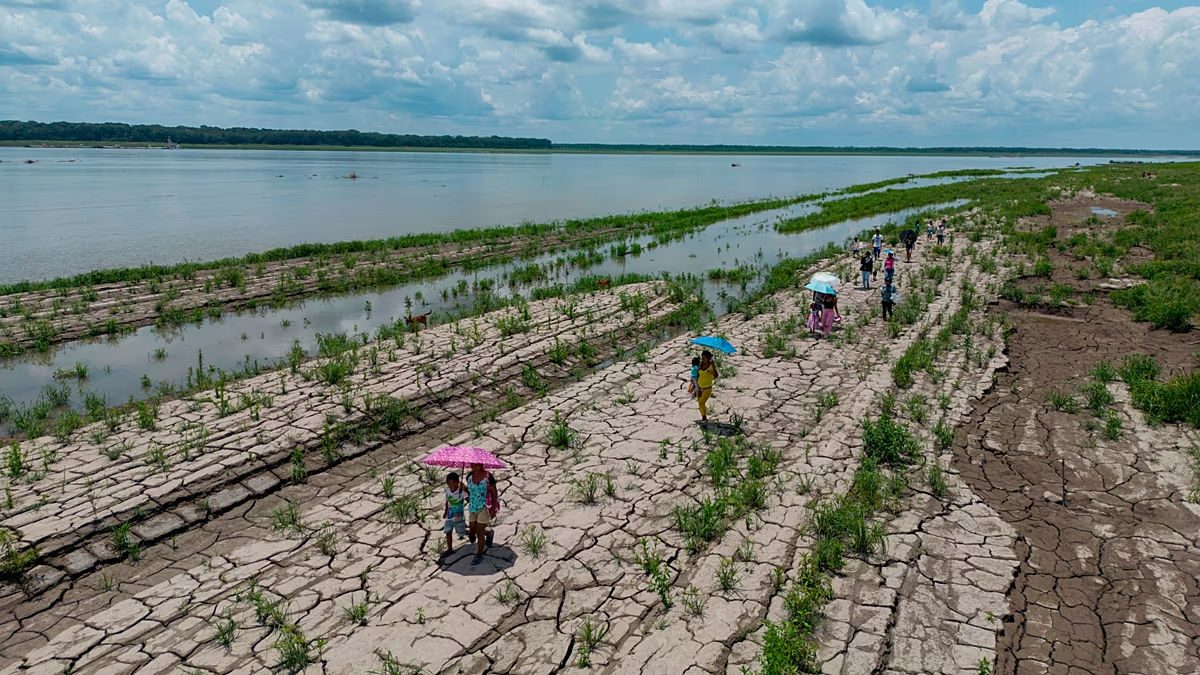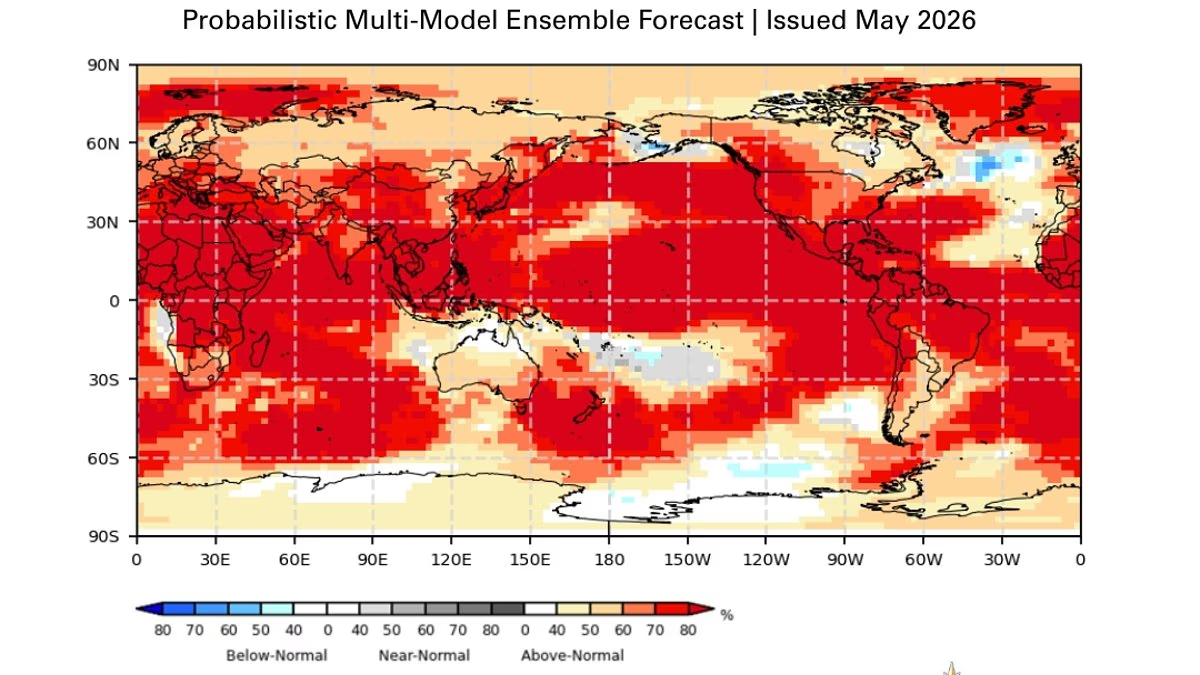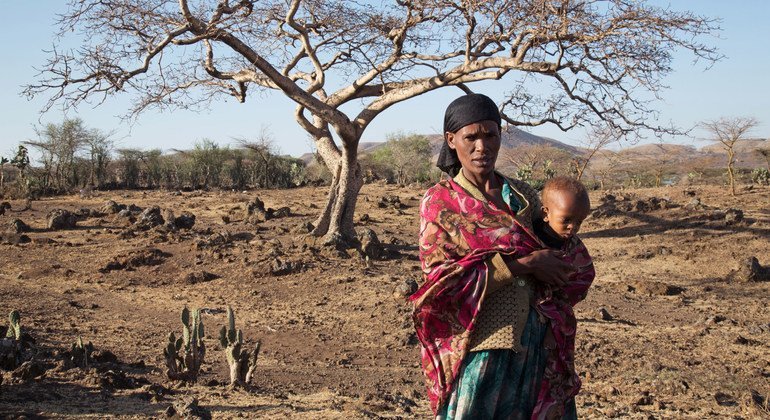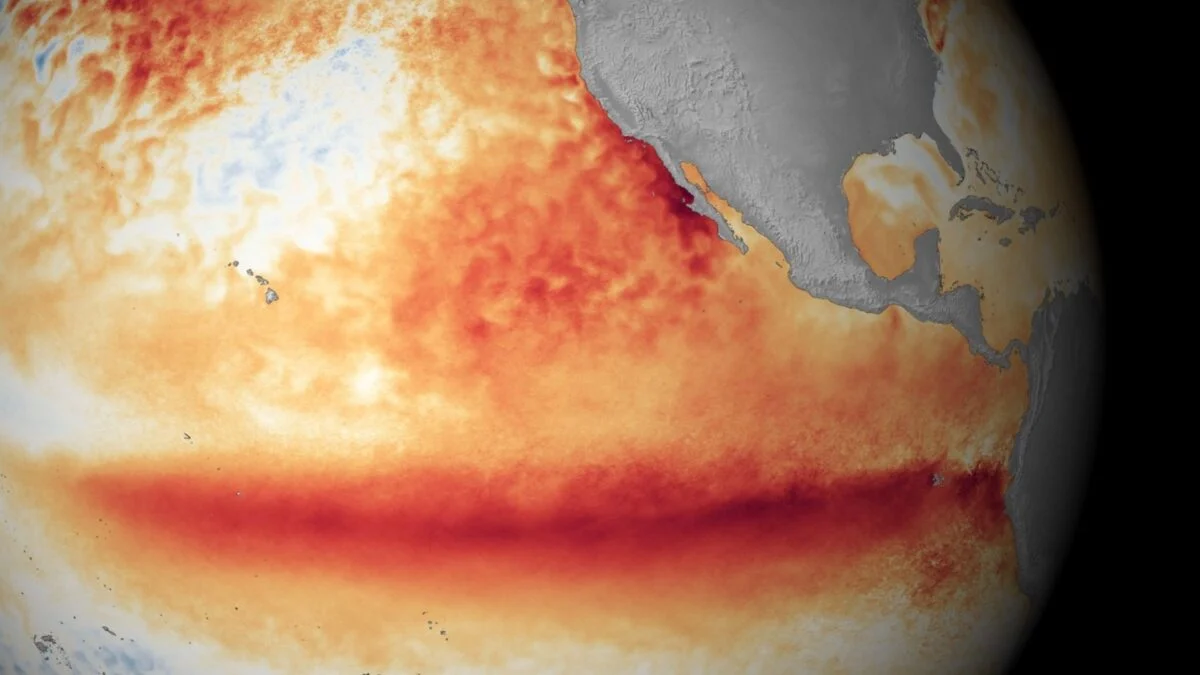
The World Meteorological Organisation (WMO) has firmed up its forecast for a return of El Niño this summer, increasing the risk of record-breaking heat and extreme weather events until at least November. United Nations secretary general Antonio Guterres said the event, which has brought deadly conditions in the past, “will pour fuel on the fire of a warming world”. Confirmation comes as many parts of Europe, including Ireland, have already seen temperature records broken in recent weeks. El Niño is a natural climate pattern linked to recurring temporary increases in sea temperatures in the tropical Pacific that alters weather patterns worldwide. It magnifies the impacts of human-caused global heating and climate change, intensifying droughts, floods and deadly heat.WMO secretary general Celeste Saulo urged governments, humanitarian organisations and climate-vulnerable sectors to heed the warning. [ Second half of June to be warmer than usual, Met Éireann saysOpens in new window ]“We need to prepare for a potentially strong El Niño event which will exacerbate drought and heavy rainfall and increase the risk of heatwaves both on land and in the ocean,” she said. “The most recent El Niño, in 2023-2024, was one of the five strongest on record and it played a role in the record global temperatures we saw in 2024.” Impacts may be most severe in the southern hemisphere but the WMO forecasts “nearly universal dominance of above-normal temperatures in nearly all parts of the globe”. Regional forecasting is very uncertain but there are indications Ireland could see a lack of rainfall in the second half of the year. In a video message, Guterres called for more concerted climate action including a rapid end to fossil fuels and an accelerated shift to renewable energy. “The science is clear: El Niño is arriving on our doorstep in the coming months with 90 per cent certainty,” he said. “The world must treat it as the urgent climate warning it is. El Niño conditions will pour fuel on the fire of a warming world. “Impacts will hit even harder, travel even farther and cross borders with devastating speed. The only effective response is climate action equal to the crisis.” The WMO said tropical Pacific sea temperatures were being fed by “unusually warm subsurface conditions with temperatures exceeding six degrees above average”. El Niño typically occurs at intervals of between two and seven years; and lasts nine to 12 months but heat can build and break records well into a second year.
Risk of record heat rises in Ireland and globally this summer as return of El Niño confirmed
World Meteorological Organisation now almost certain of heat intensifying worldwide from June
TL;DRAI
WMO confirms El Niño return (90% certainty) through November, raising record heat risk; the 2023-2024 event among five strongest on record drove 2024 records. For CTO: datacenter cooling stress, semiconductor supply chain exposure, business continuity compliance escalates.
409 words~2 min read