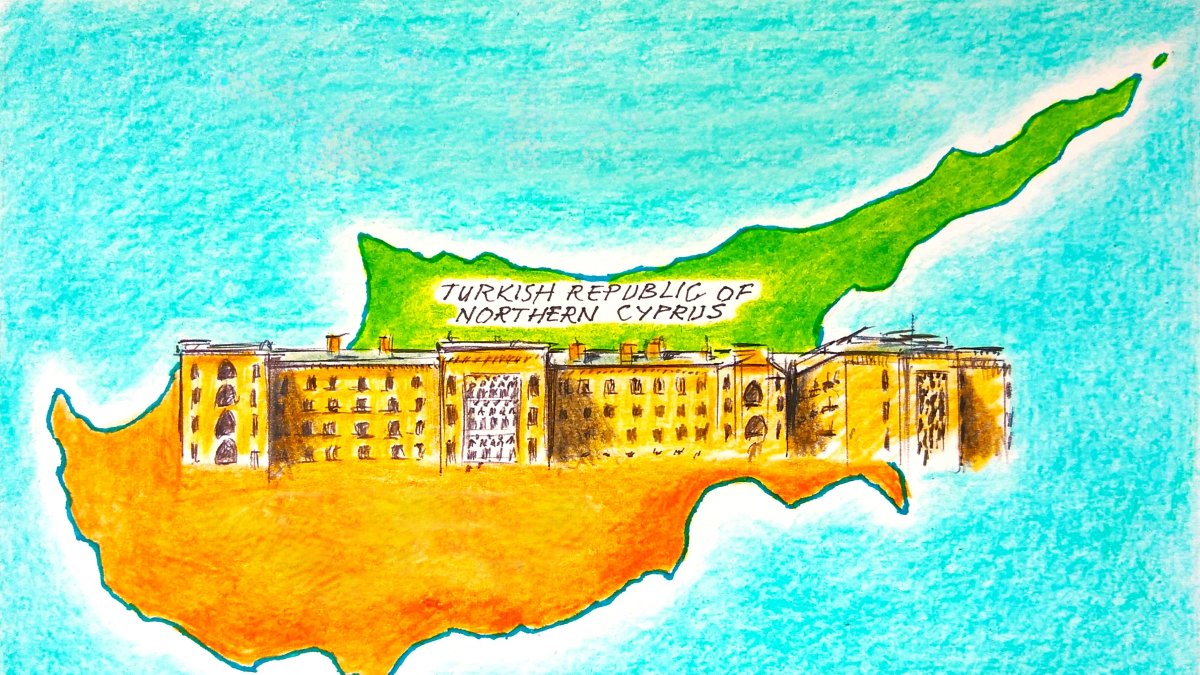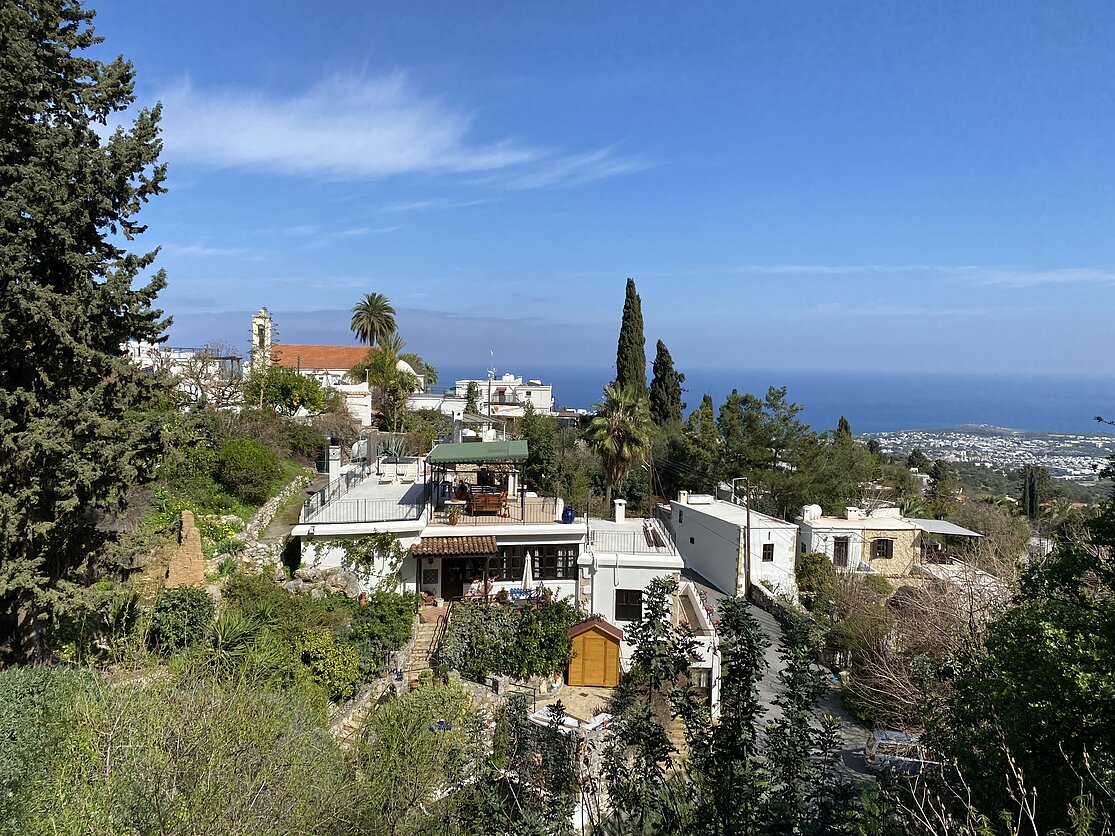
"I come to terms with my conscience," said Arūnas Valinskas, a well-known Lithuanian television personality. For many Cypriots, that casual remark cuts to the heart of a troubling phenomenon – the flourishing Lithuanian trade in legally dubious real estate built on land from which thousands were expelled by force fifty years ago, writes Dalia Staponkutė, a commentator on the LRT Radio programme Kultūros savaitė and a writer based in Cyprus.
One might begin this piece with the flourishing Lithuanian "business" in Turkish-occupied Northern Cyprus – a legally dubious trade in property.
It would take considerable time to explain why, for many Cypriots, this is not merely unlawful but morally intolerable. Yet the history itself has long since settled into United Nations archives, diplomatic memoranda and human memory that does not fade even after fifty years. History, like sea salt, seeps into stone – it cannot be "washed away" by new façades or tourist advertisements.
Cyprus' tragedy did not begin in 1974. It developed slowly – as British colonial rule crumbled and the fragile Republic of Cyprus took shape, a state in which the nationalisms of majority and minority proved stronger than any shared vision of statehood. The island, situated at the crossroads of civilisations and empires, swiftly became not an independent political actor but a canvas for geopolitical projection.