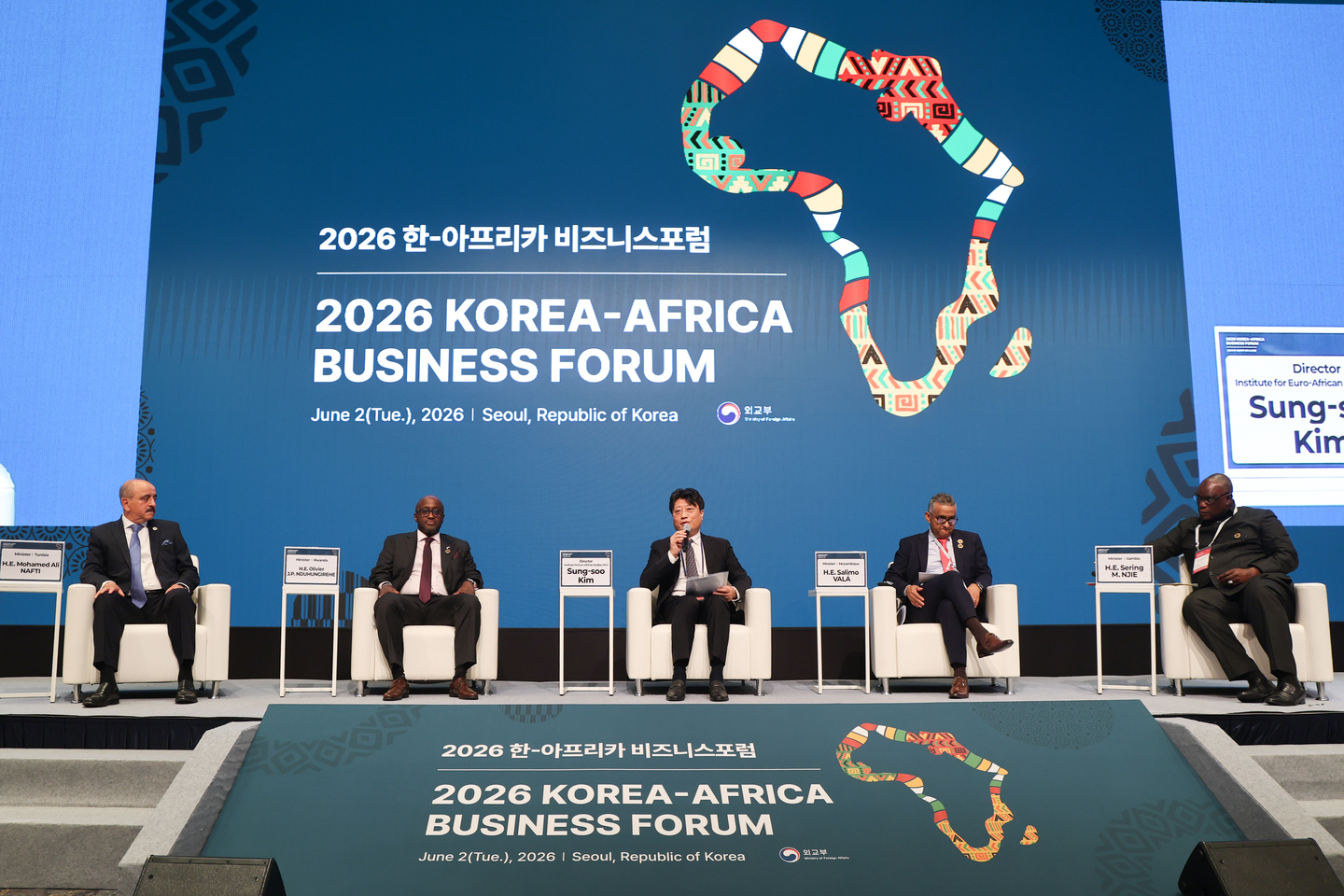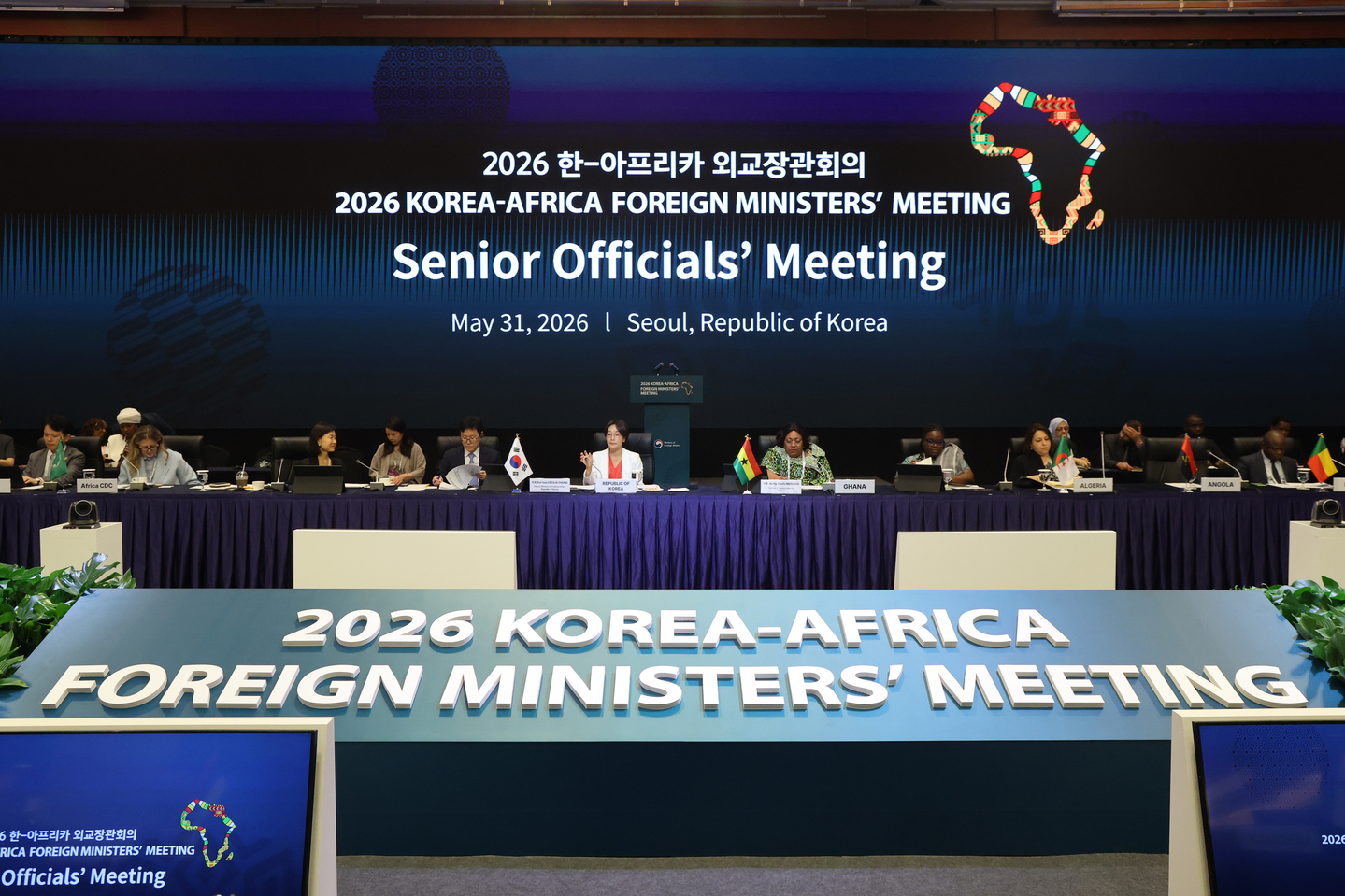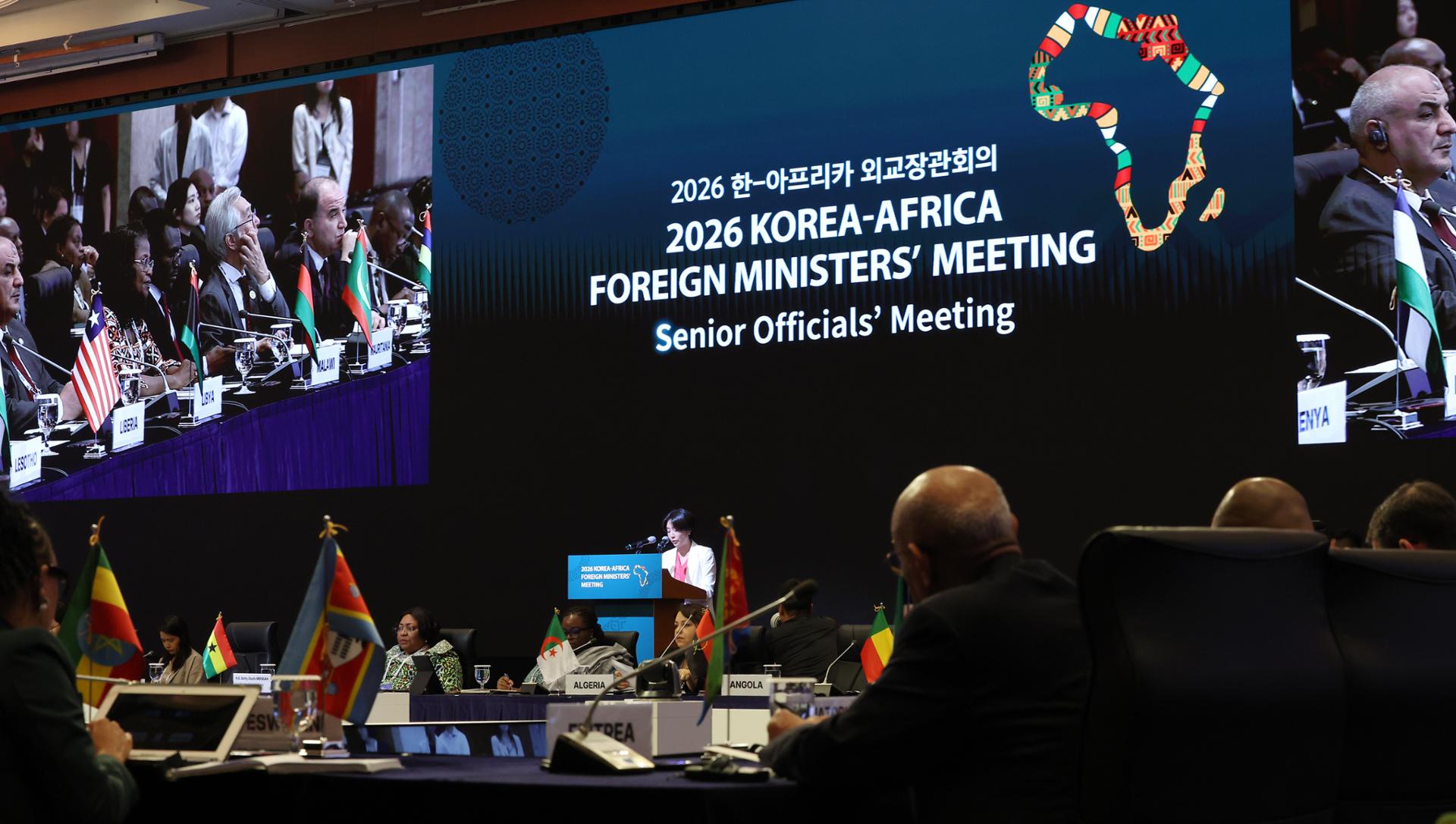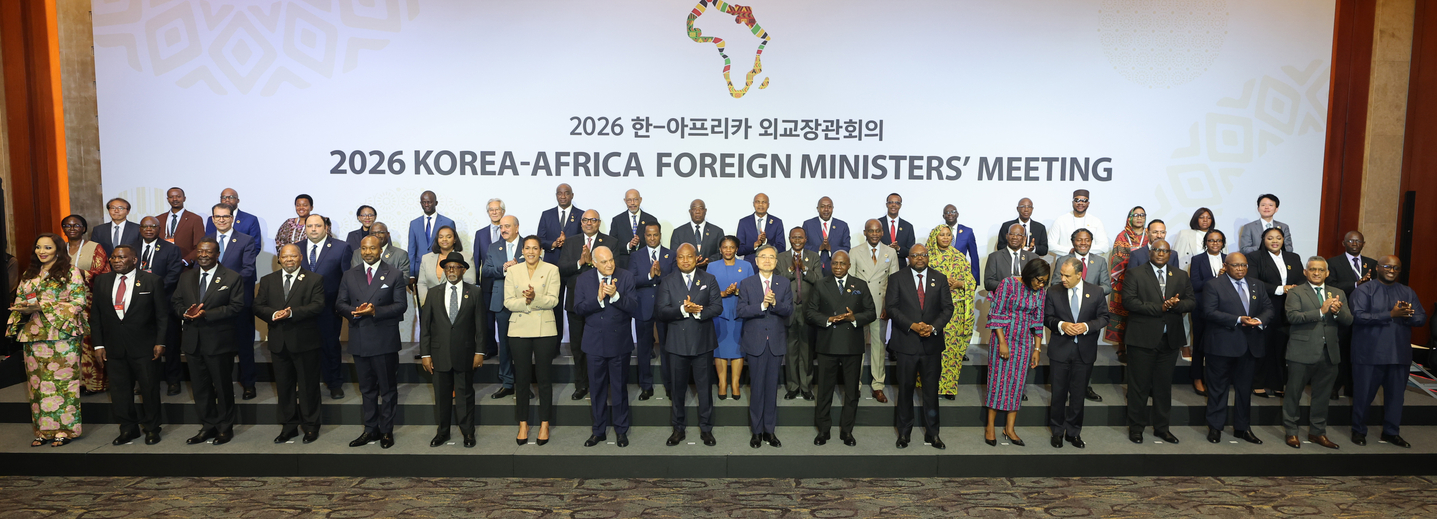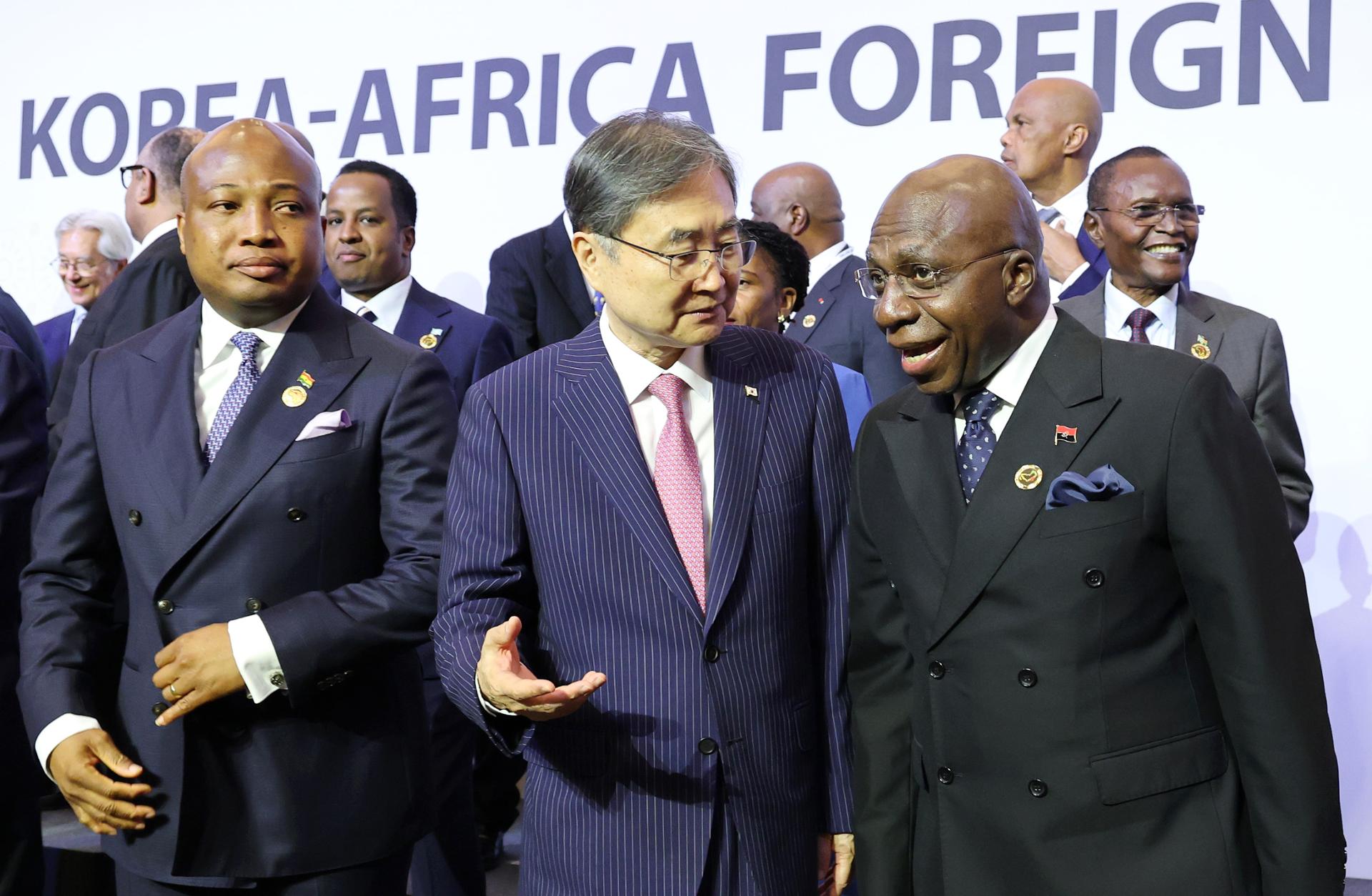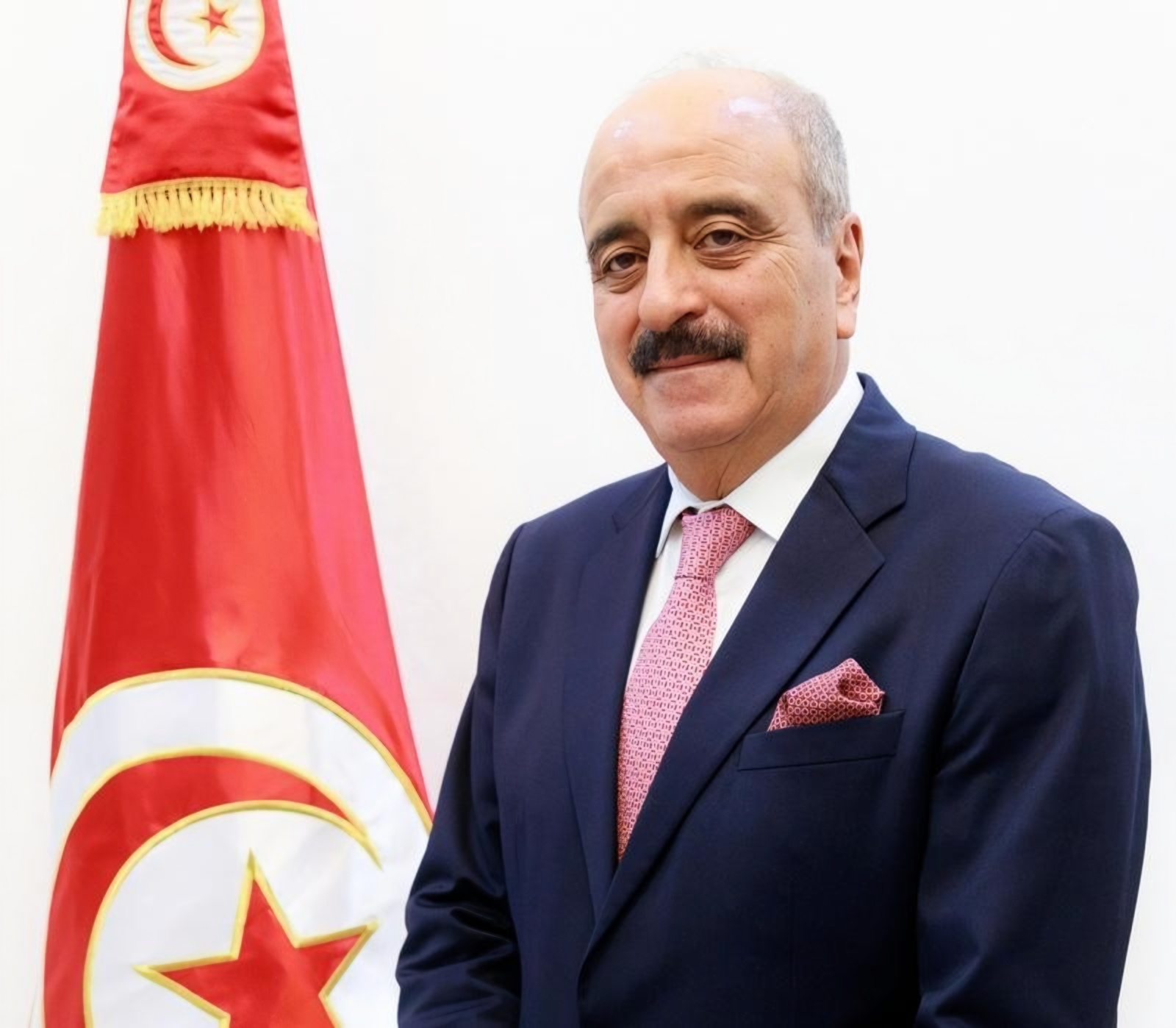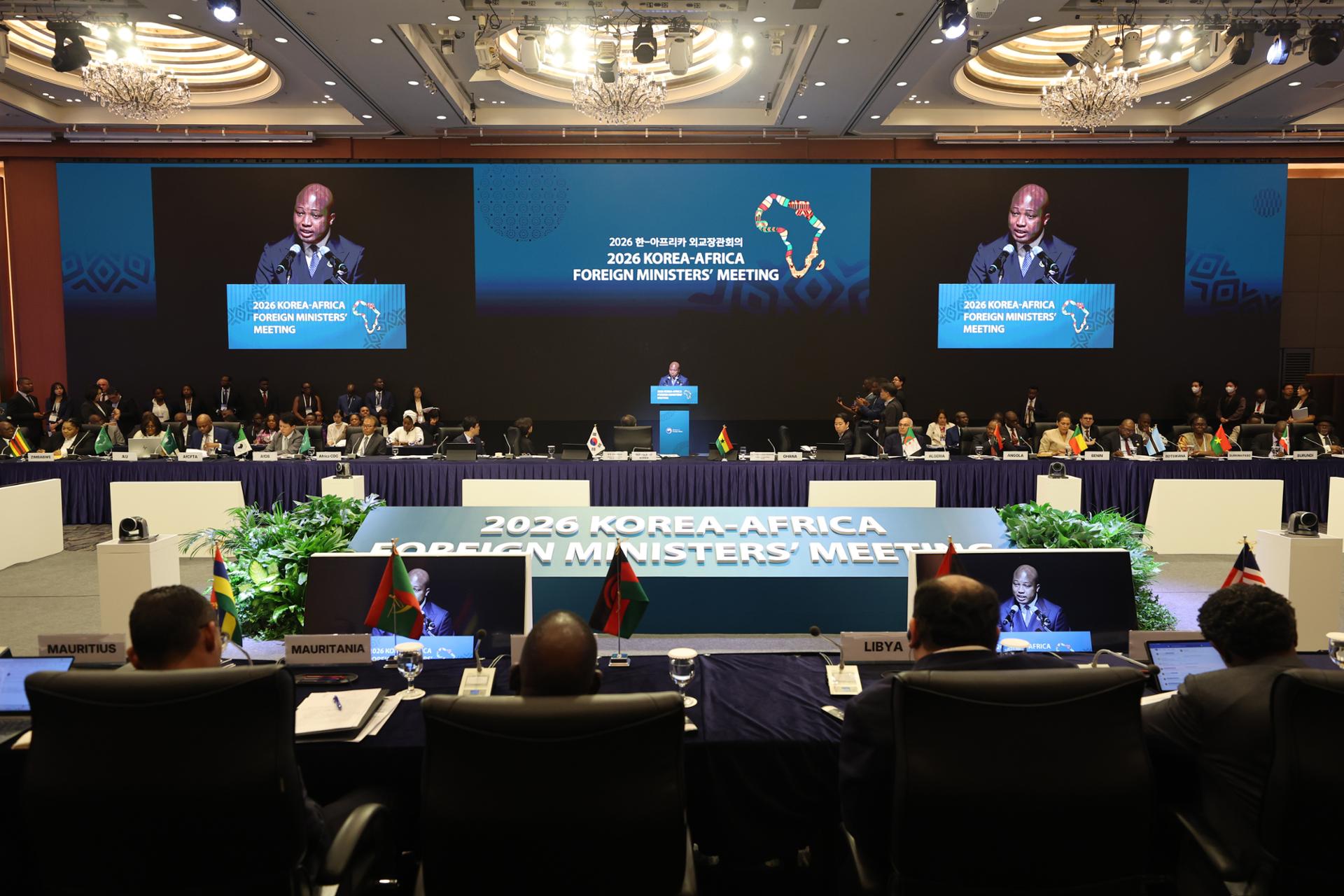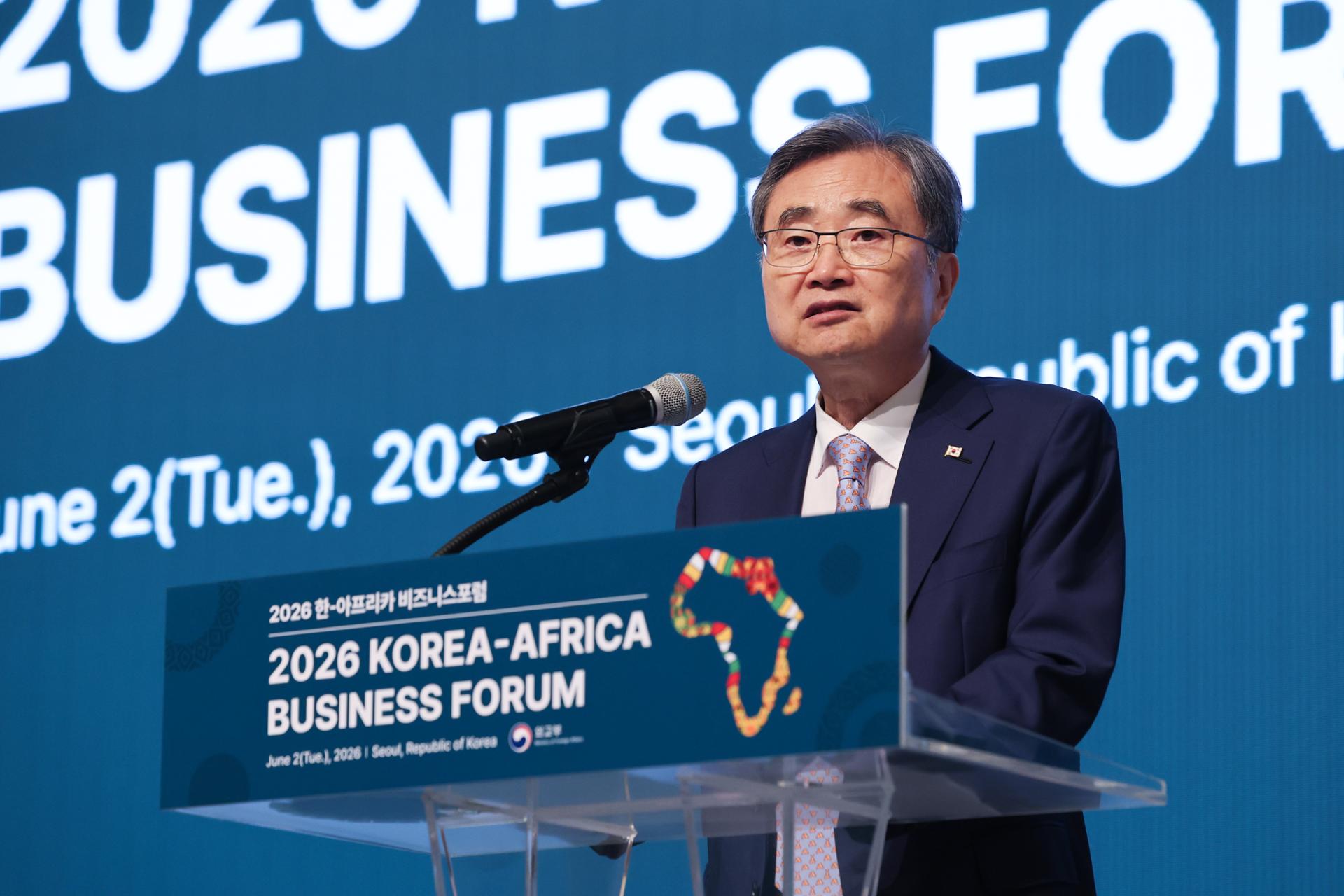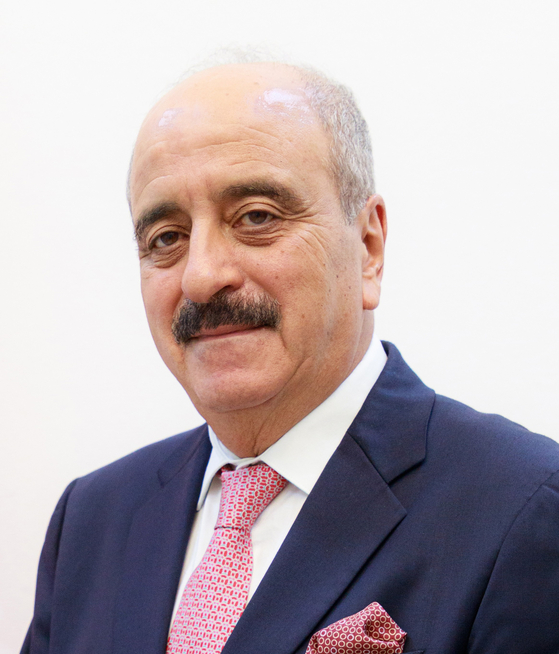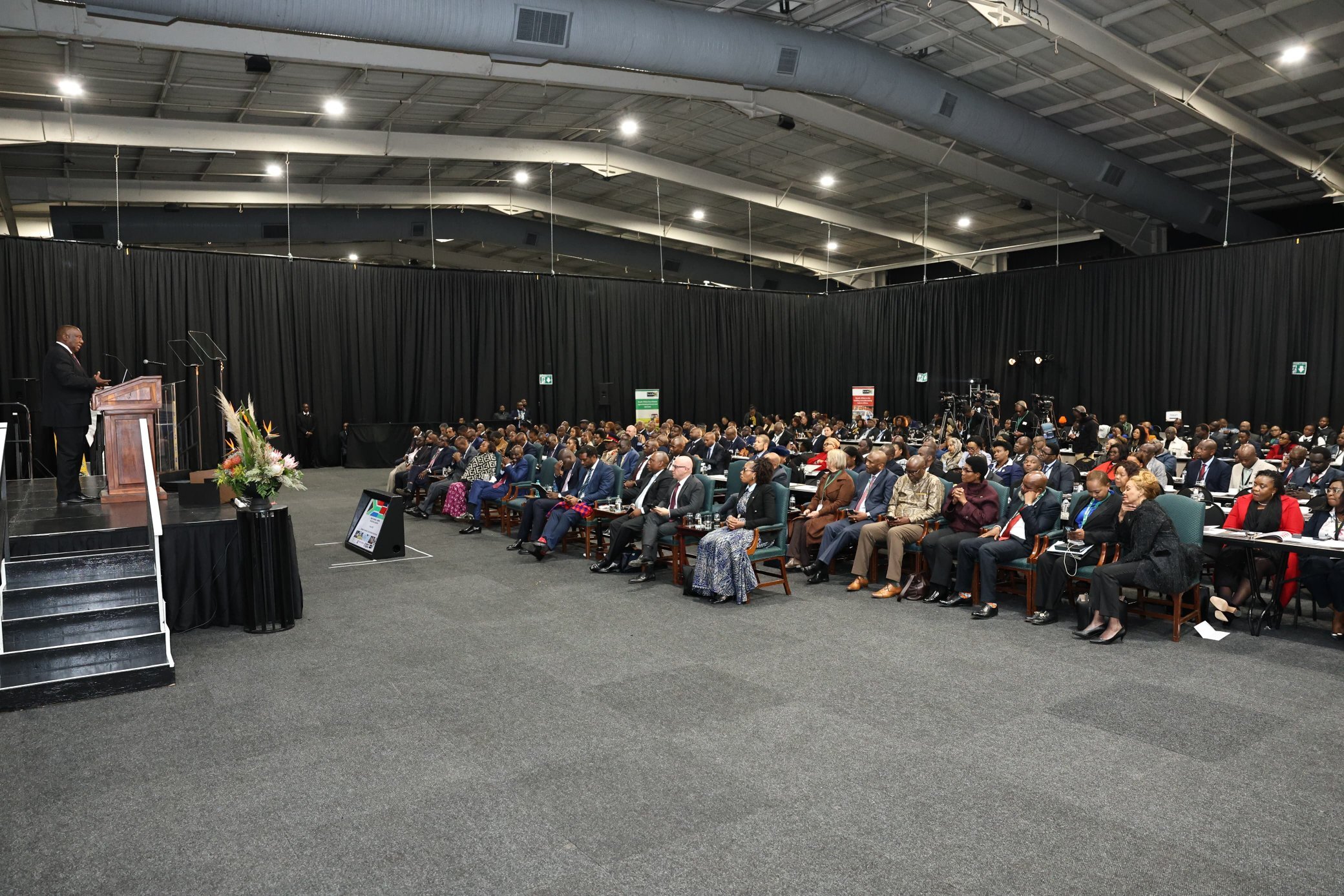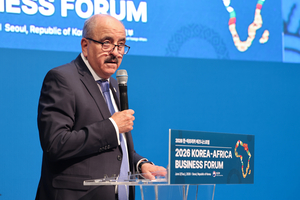
Tunisian Minister of Foreign Affairs, Migration and Tunisians Abroad Mohamed Ali Nafti speaks during the 2026 Korea-Africa Business Forum held at Lotte Hotel Seoul in central Seoul on Tuesday. (Yonhap) Business leaders and government officials from South Korea and across Africa gathered in Seoul on Tuesday to explore ways to expand trade, investment and industrial cooperation.The Korea-Africa Business Forum, held a day after the inaugural Korea-Africa Foreign Ministers' Meeting, brought together roughly 300 participants from South Korea and 50 African countries under the theme, "Korea-Africa Business Partnership: The Future of Shared Prosperity and Joint Growth."The event comes as Seoul seeks to strengthen ties with a continent increasingly viewed as a key partner in supply-chain diversification, energy security and critical mineral development amid growing geopolitical uncertainty.Keynote speeches were delivered by Sung Kim, president of Hyundai Motor Company and former US ambassador to South Korea, and Wamkele Keabetswe Mene, secretary-general of the African Continental Free Trade Area, who highlighted the potential for expanding economic cooperation between South Korea and Africa.The forum also featured discussions on critical minerals and energy cooperation, areas that have emerged as priorities for both sides. Among the speakers was Tunisian Foreign Minister Mohamed Ali Nafti, who addressed a session on Korea-Africa cooperation in critical minerals and energy for shared growth.The business forum followed Monday's ministerial meeting, where South Korea and African countries adopted a joint statement calling for closer cooperation in areas including trade, supply chains and critical minerals.Seoul also used the occasion to advance bilateral partnerships with individual African countries.During talks with Libyan Minister of State for African Affairs Fatalla Elzuni on Monday, First Vice Foreign Minister Park Yoon-joo expressed hope for greater participation by South Korean companies in Libya's oil production and refining sectors, according to the Foreign Ministry.Elzuni said improving security and economic conditions in Libya could create new opportunities for cooperation and voiced interest in attracting more South Korean investment in construction and infrastructure projects.Park also noted that South Korea's Embassy in Libya is expected to resume full operations in the near future, a move Seoul believes will help facilitate broader bilateral cooperation. The embassy has operated on a rotational basis between Libya and neighboring Tunisia since 2022.Separately, Second Vice Foreign Minister Kim Jina met with Chadian Deputy Foreign Minister Fatime Aldjineh Garfa to discuss expanding cooperation in development assistance, particularly in education and healthcare.The discussions came as South Korea and Chad mark the 65th anniversary of diplomatic relations this year. The two sides also exchanged views on strengthening cooperation in areas including climate change, infrastructure development and people-to-people exchanges.Foreign Minister Cho Hyun continued a series of bilateral meetings with African counterparts on the sidelines of the gathering, while President Lee Jae Myung was scheduled to meet with more than 20 ministerial-level delegates from African countries and regional organizations later Tuesday.
Korea, Africa seek deeper economic ties at business forum in Seoul
Business leaders and government officials from South Korea and across Africa gathered in Seoul on Tuesday to explore ways to expand trade, investment and indust
TL;DRAI
South Korea convened 300 leaders from 50 African nations on critical minerals, energy, and supply-chain cooperation. The pivot signals reshaping of semiconductor and infrastructure strategy via supply-chain diversification and mineral access.
468 words~2 min read