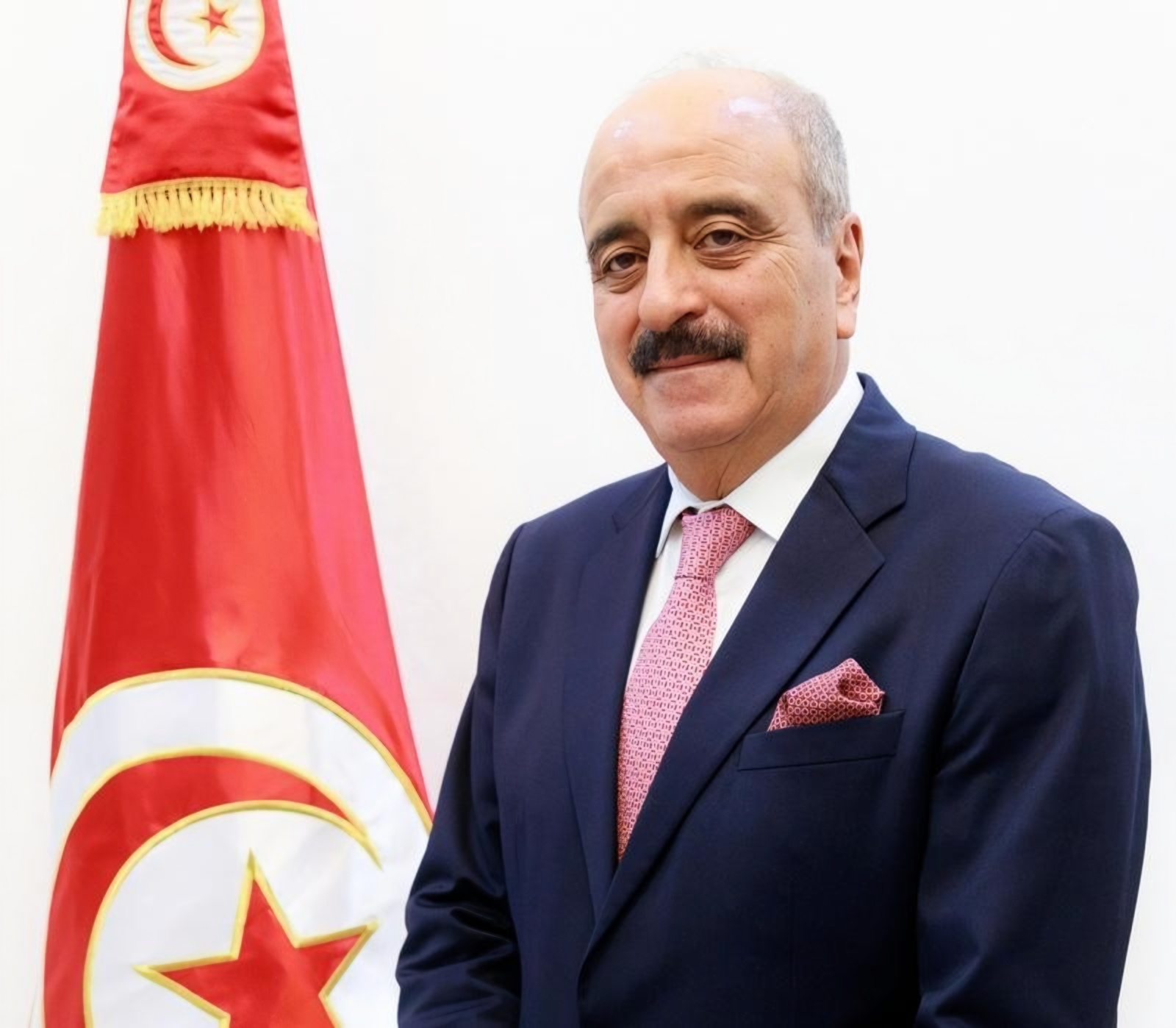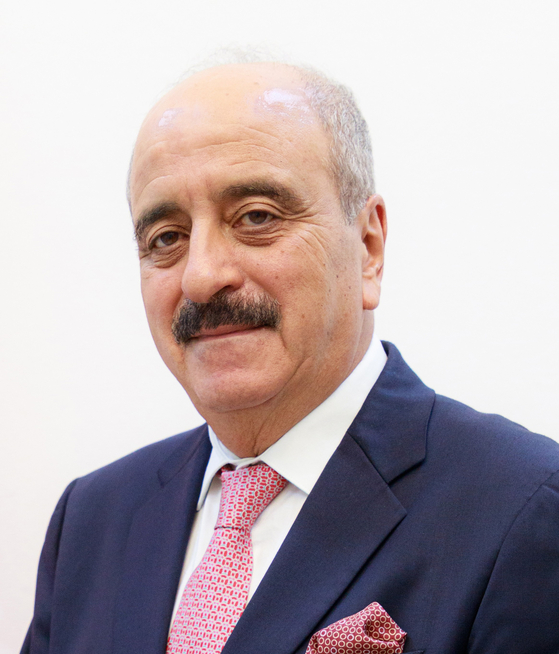
H.E. Mr. Mohamed Ali Nafti
The author is the Minister of Foreign Affairs, Migration and Tunisians Abroad of the Republic of Tunisia.
The geographic distance separating Tunisia and Korea might suggest an unbridgeable divide. Yet, a closer examination reveals a profound alignment in our core values, historic trajectories and national character. While Korea has achieved global prominence by projecting its energy toward the sea, Tunisia's identity is similarly rooted in its coastal strength and maritime heritage.
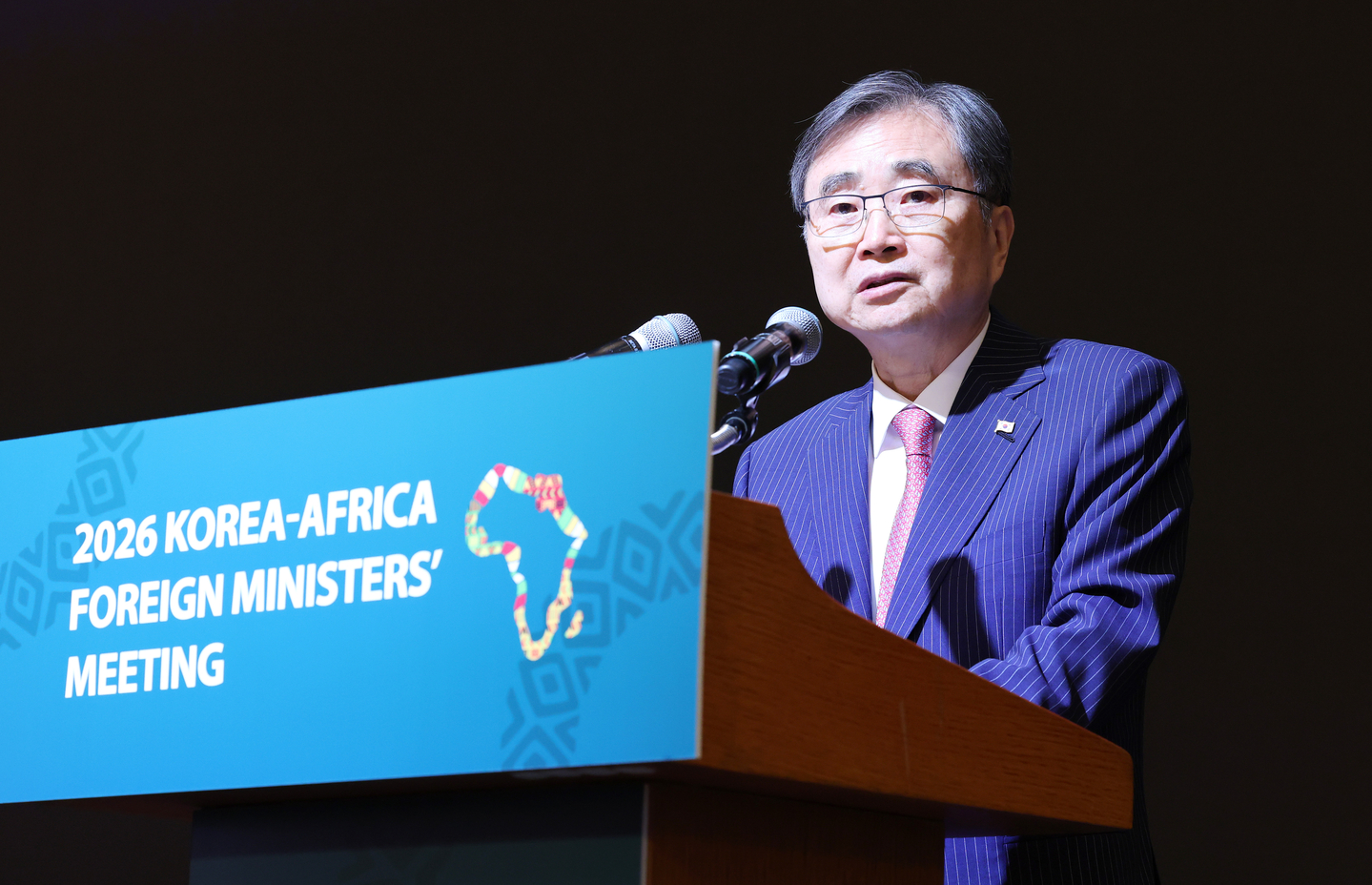
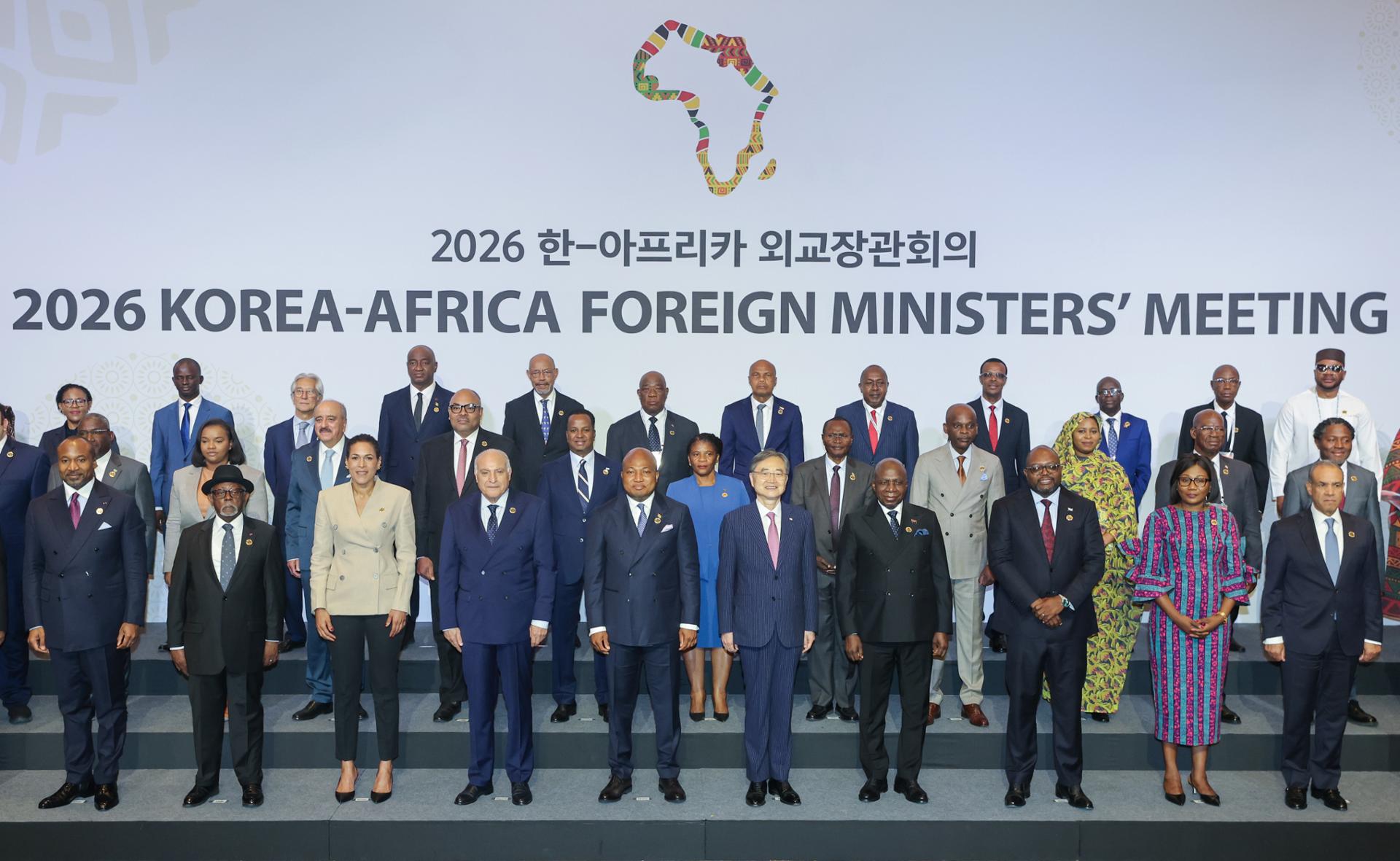
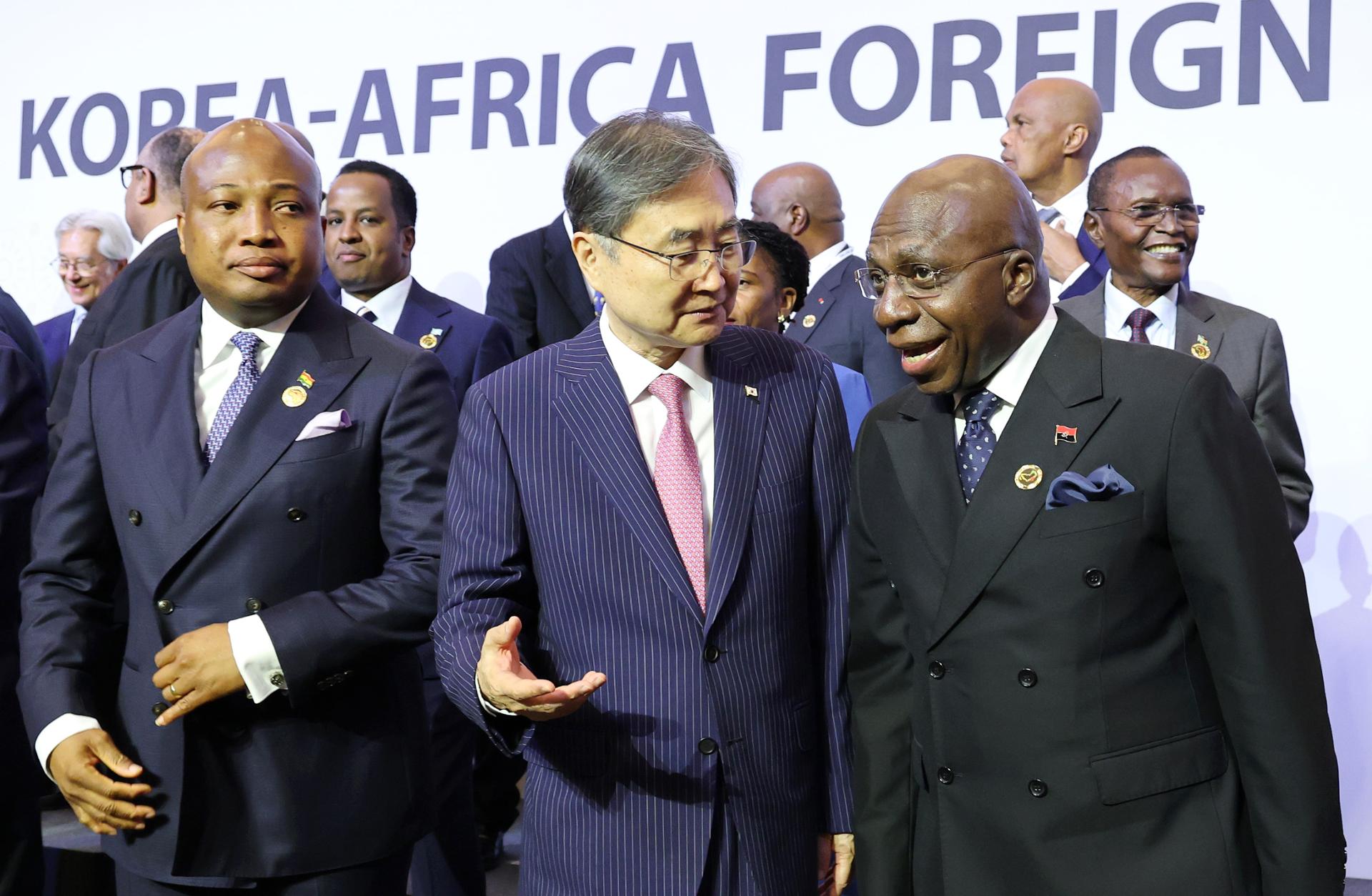
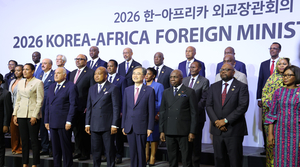
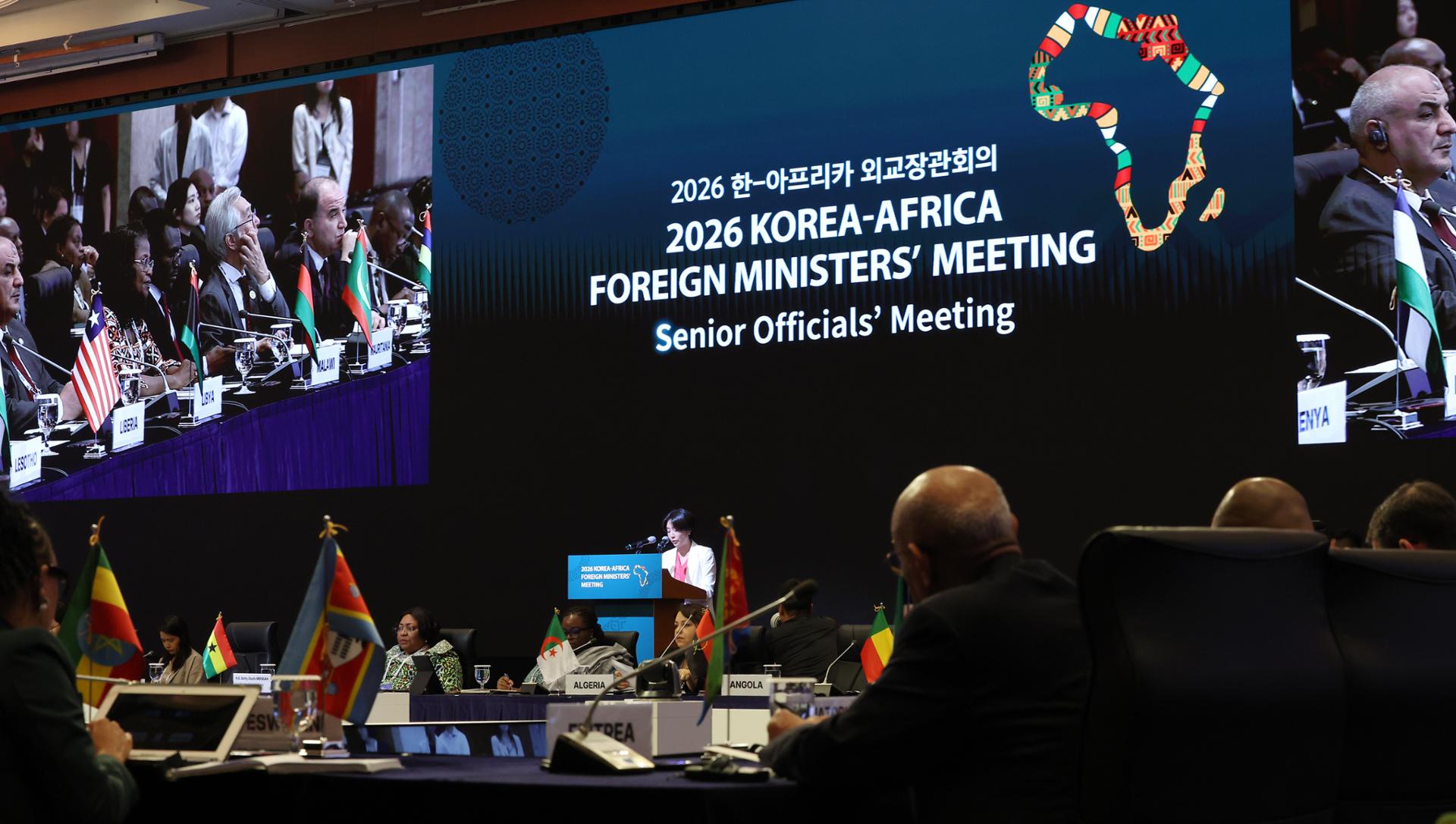
Foreign Minister Cho Hyun delivers opening remarks at the 2026 Korea-Africa Foreign Ministers’ Meeting at the Lotte Hotel in Jung District, central Seoul, on June 1. The meeting marks the first standalone foreign ministers’ gathering hosted by the Korean government with invitations extended to all 54 African countries and four regional organizations. Participants are expected to discuss practical measures to deepen Korea-Africa cooperation and coordinate responses to global challenges, including supply chain disruptions. [NEWS1]
This deep cultural bond is uniquely embodied by our historic icons: Just as Admiral Yi Sun-sin is the ultimate pride of the Korean seas, Hannibal represents the eternal, resilient spirit of the Tunisian coast. Furthermore, both nations, lacking vast natural resources, made the pivotal decision at independence to invest heavily in human capital. This shared conviction has laid a solid bedrock of mutual understanding and common purpose, which has been instrumental in building a mature, forward-looking partnership.