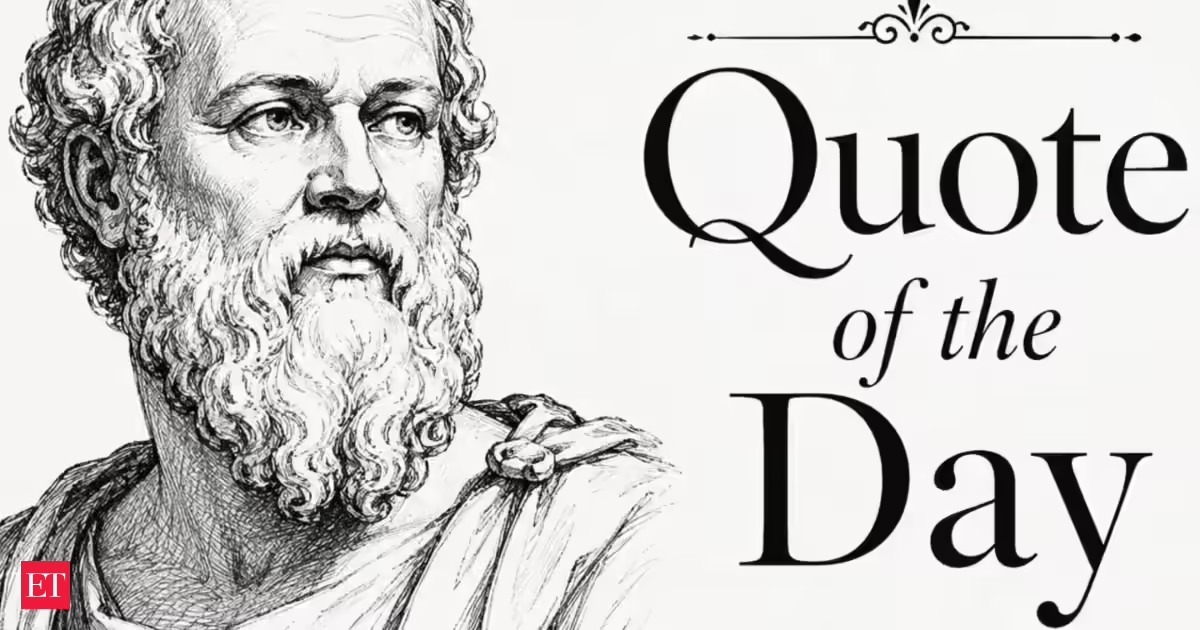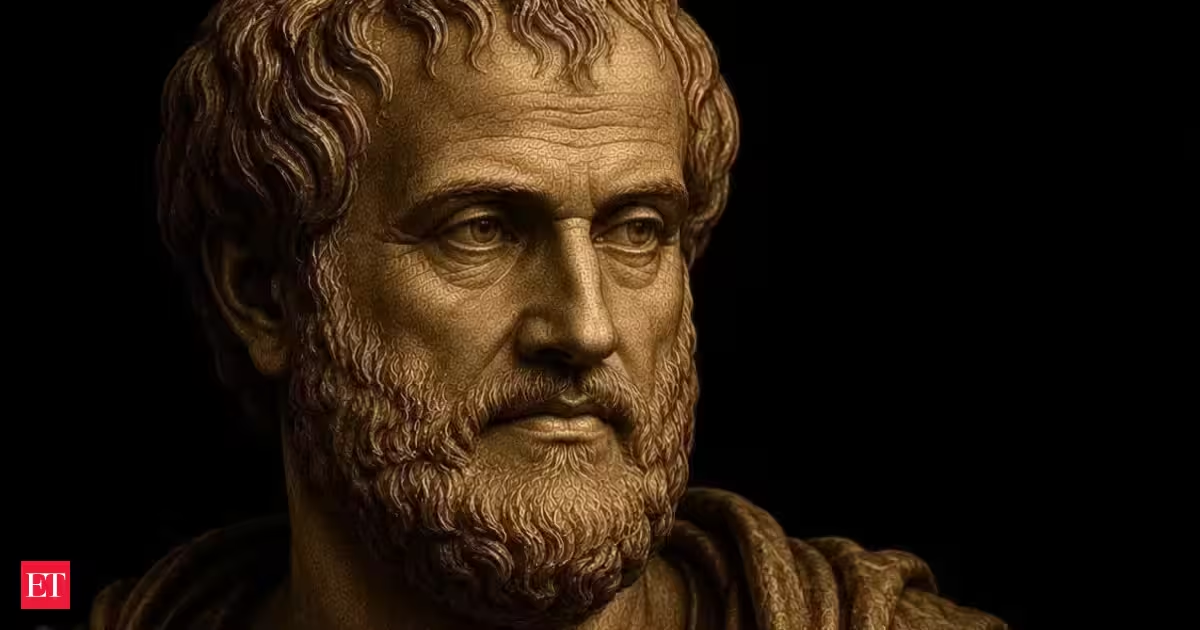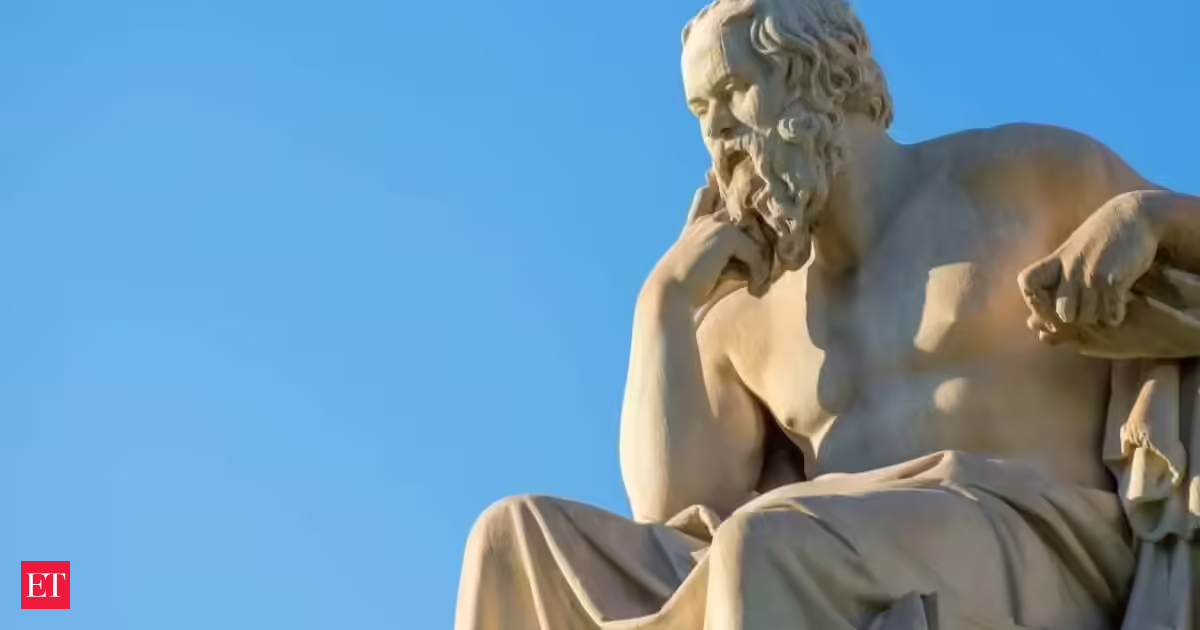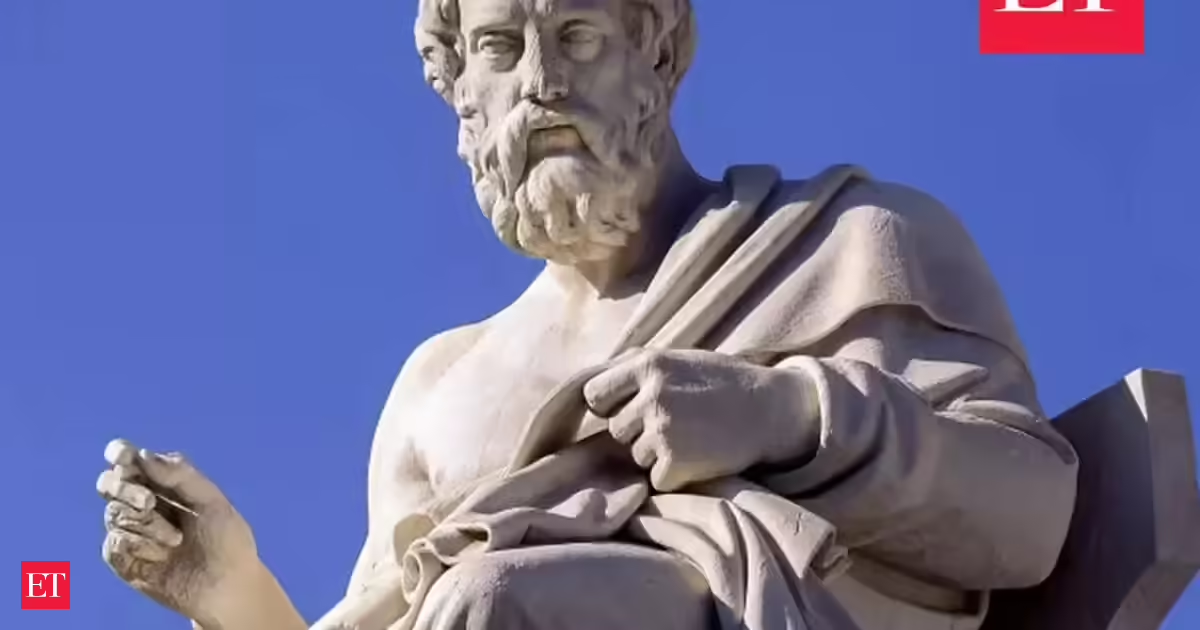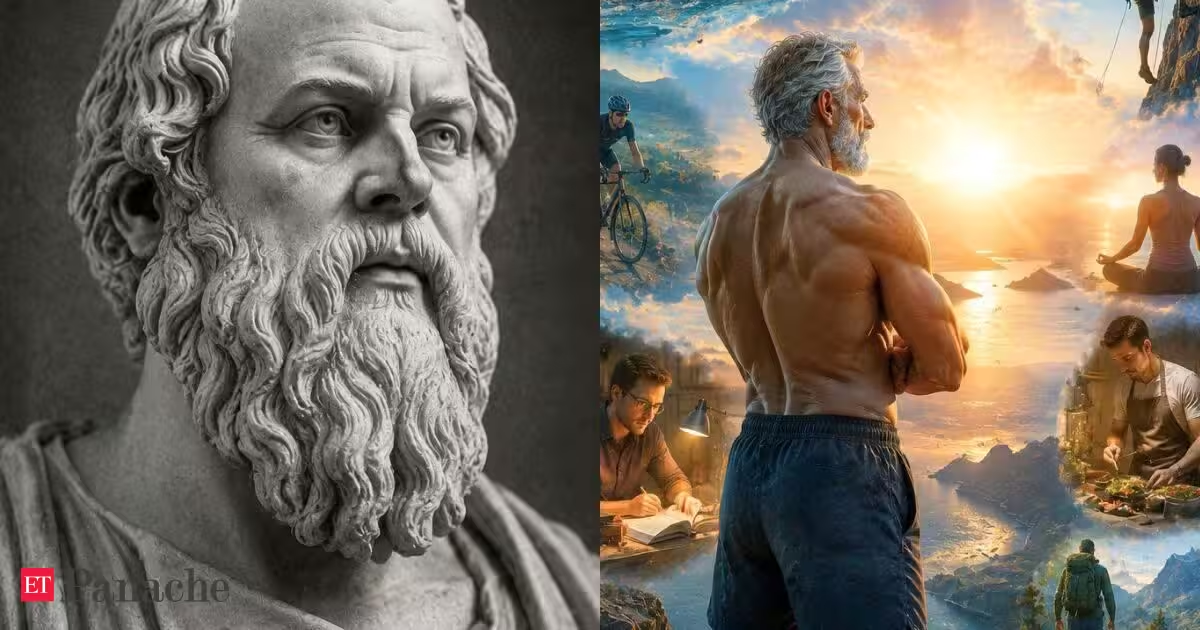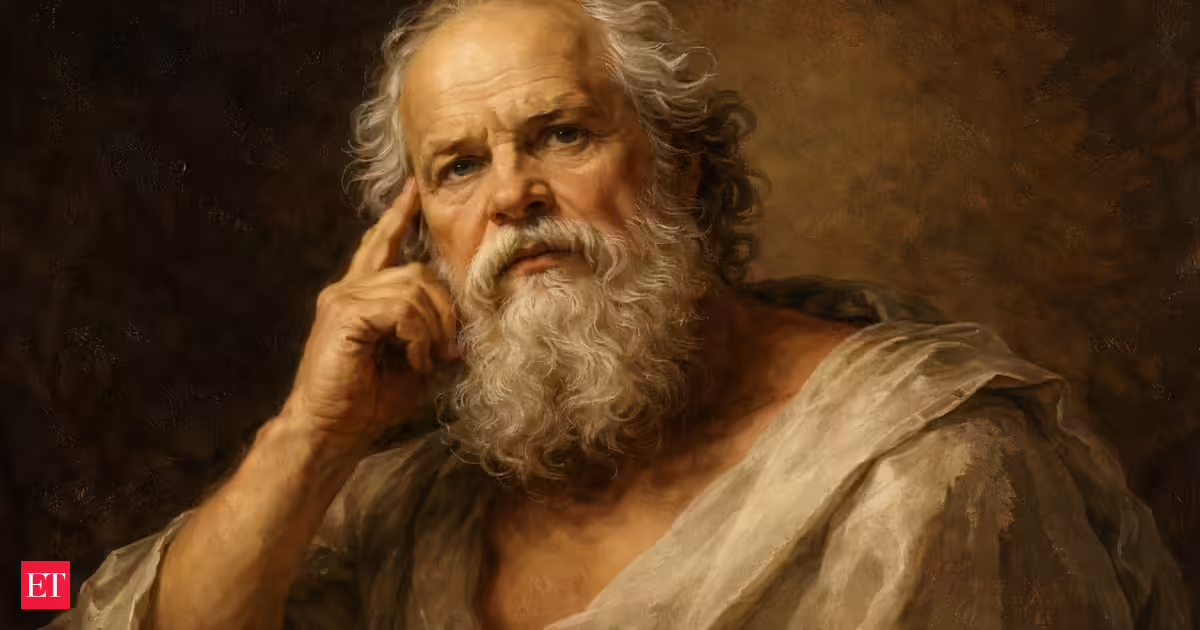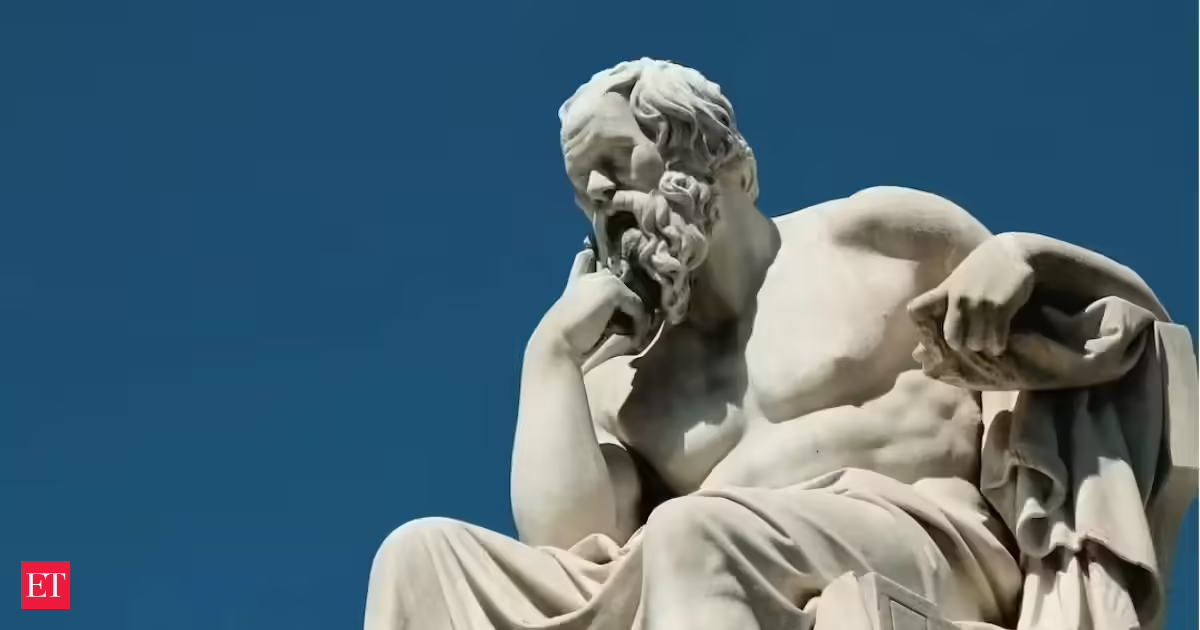
Quote of the Day by Socrates: 'I only wish that ordinary people had an unlimited capacity for doing harm; then they…' - Greek philosopher's lesson on why human potential can be used for both bad and goodSynopsisQuote of the Day by Socrates highlights human duality. The same power that enables destruction can foster healing and progress. This principle applies today, where influence can spread truth or lies. Choosing to use our capabilities for good is a vital challenge. Socrates reminds us that boundless good is possible because harm is possible. This idea resonates across time.AgenciesQuote of the Day by Socrates suggets why people can do great harm and great goodSuperhero movies often revolve around a simple idea: great power can be used for either destruction or good. But have you ever noticed how some of the most memorable movie characters are those who stand at a crossroads between doing harm and doing good? Anakin Skywalker's transformation into Darth Vader in Star Wars is one of cinema's greatest tragedies and movies like this often remind us that the same person capable of causing immense destruction can also become a force for healing and change. It raises an intriguing question: if human beings possess such great capacity for harm, does that also mean they hold an equally powerful potential for good? More than two thousand years ago, Socrates reflected on this very idea, offering a perspective that remains remarkably relevant today.Quote of the Day by Socrates: “I only wish that ordinary people had an unlimited capacity for doing harm; then they might have an unlimited power for doing good.”Also Read: Quote of the Day by Denzel Washington: ‘A wise woman knows the importance of speaking life into her man; if you love him…’ - Inside Man actor married for 43 years on what men expect from a woman for lasting relationshipsWhy Socrates’ quote on human nature and goodness matters todaySocrates’ line flips our pessimism into possibility. Today, the internet hands everyone a megaphone and newsfeeds reward outrage, so it’s easy to assume people are wired for harm. But influence is neutral: the same reach that spreads lies and anger can spread truth, care, and solidarity. The very capacity we fear proves the equal potential to heal.That’s not naive optimism; it’s a practical challenge. If you can share a rumor, you can share a correction; if you can rally people to tear down, you can rally them to rebuild. In a polarized world, choosing how we use our power matters more than ever. Socrates’ reminder is simple and urgent: because people can do harm, they can also do boundless good.What Socrates’ quote means in real lifeAt its core, the quote argues that the ability to do harm and the ability to do good are closely connected. People who possess intelligence, influence, determination, or power can use those traits in destructive ways, but those same qualities can also become forces for compassion, justice, and progress.In everyday life, this idea appears in countless situations. A person capable of spreading rumors can also spread encouragement. A leader who can manipulate others can instead inspire them. A society capable of conflict can also organize itself around cooperation. Socrates invites readers to recognize that human potential is not fixed by its worst expressions; it contains the possibility of its opposite as well.About SocratesSocrates (469–399 B.C.E.) remains one of the most influential figures in Western philosophy, despite never having written any of his ideas down. Most of what is known about him comes from secondary sources, particularly the dialogues of Plato, making his historical identity part of what scholars call the "Socratic problem."He lived in Athens during a period of intense political and intellectual change. Known for his questioning method, Socrates engaged citizens in deep philosophical discussions that challenged assumptions about virtue, justice, and knowledge. His approach often unsettled those in power and eventually led to his trial and execution on charges of impiety and corrupting the youth.Socrates' legacyFew people in human history carry as much intellectual weight in their name as Socrates. His legacy is not defined by written works; he left none behind but by a revolutionary method of thinking that continues to shape philosophy, education, and critical inquiry. The Socratic method, asking probing questions to uncover underlying assumptions, remains a foundational tool in modern teaching, legal training, and debate.By refusing to provide answers and instead exposing ignorance through disciplined questioning, Socrates transformed philosophy from speculation into a living practice of self-examination, a legacy that endures more than two millennia later. His life and death have also become symbolic of intellectual independence and moral courage.By choosing to stand by his principles even in the face of execution, Socrates established a model of integrity that has influenced thinkers for centuries. Each generation reinterprets him in its own way, yet the central idea remains unchanged: wisdom begins with questioning, not certainty.Read More News onRead More News on
Quote of the Day by Socrates: 'I only wish that ordinary people had an unlimited capacity for doing harm; then they…' - Greek philosopher's lesson on why human potential can be used for both bad and good
Quote of the Day by Socrates highlights human duality. The same power that enables destruction can foster healing and progress. This principle applies today, where influence can spread truth or lies. Choosing to use our capabilities for good is a vital challenge. Socrates reminds us that boundless good is possible because harm is possible. This idea resonates across time.
TL;DRAI
Socrates argues human capacity for harm and good are interconnected—the intelligence enabling destruction can equally drive progress. In digital age, this duality is concrete: platforms spreading misinformation can spread truth; choosing how to wield influence matters urgently.
818 words~4 min read