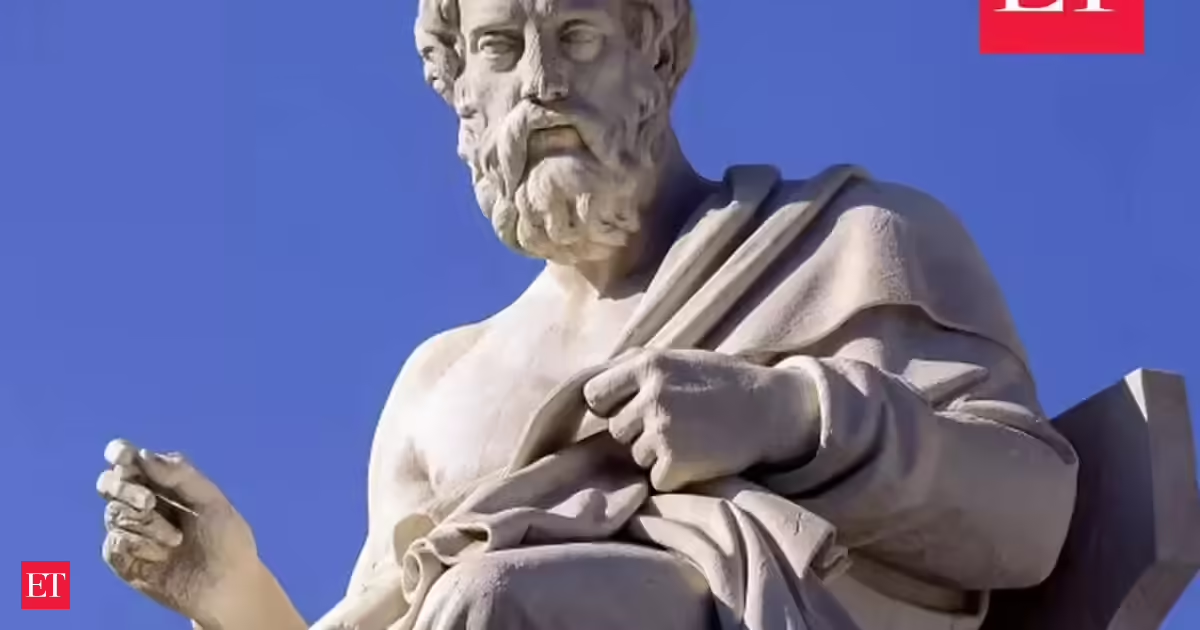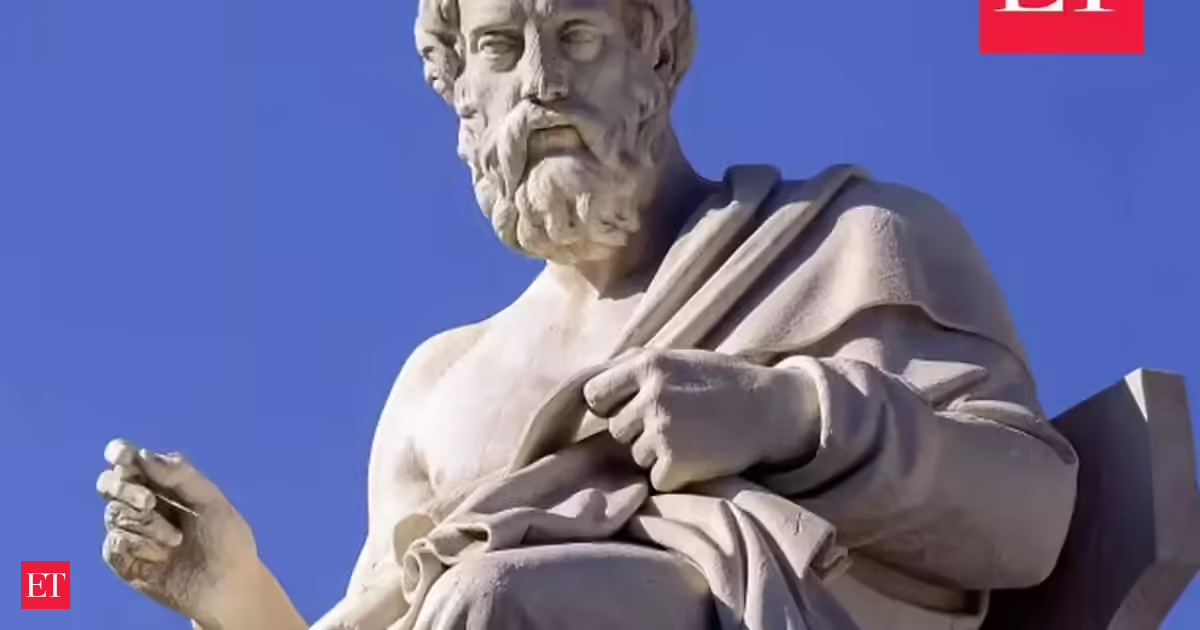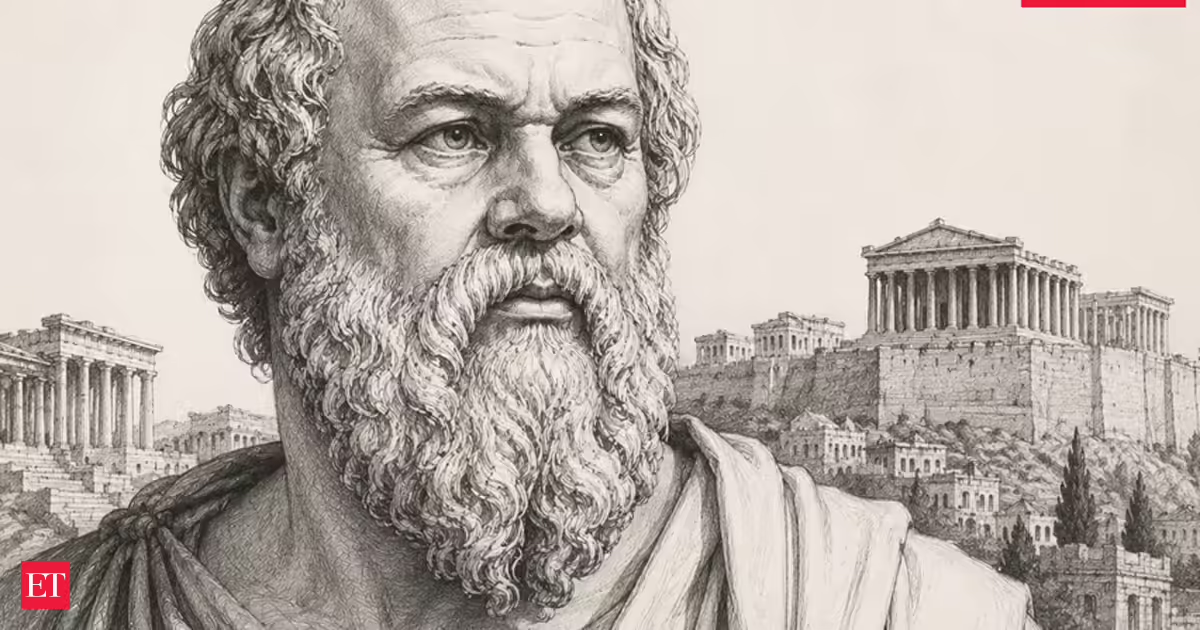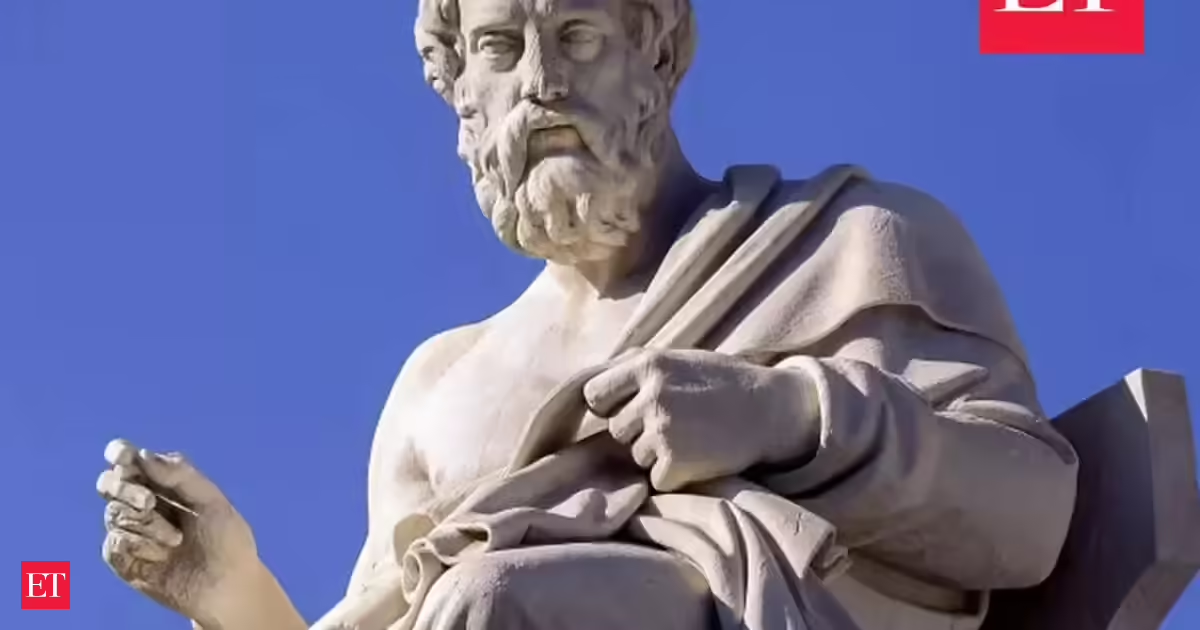
Quote of the Day: Socrates was an ancient Greek philosopher who lived in Athens from around 470 BCE until his death in 399 BCE. Widely regarded as one of the foundational figures of Western thought, his ideas, character, and distinctive approach to questioning and inquiry left a lasting mark on Classical antiquity and profoundly shaped the development of Western philosophy for centuries to come.Born in Athens around 470 BCE, Socrates, through his method of questioning and critical inquiry, encouraged people to examine their beliefs, values, and actions in the pursuit of truth and wisdom. His ideas were preserved by his students, especially Plato. Socrates’ legacy rests on his commitment to reason, ethics, and self-examination. His teachings gave rise to the Socratic Method, a form of dialogue that continues to influence education and philosophical thought today. He became a symbol of intellectual courage after being sentenced to death by the Athenian authorities. Rather than abandon his principles, Socrates accepted his fate, demonstrating his belief that integrity was more important than personal survival.Quote of the Day by Socrates: ‘No evil can happen to a good man, either in life or after death. He and his are not neglected by the gods’Socrates: Context and meaning explainedThe quote comes from Plato’s account of Socrates’ trial, where the philosopher defended his life’s work while facing execution. Rather than fearing death, Socrates argued that true goodness cannot be harmed by external events. His words suggest that real evil is not physical suffering, loss, or death, but the corruption of one’s character.A person who remains virtuous, honest, and just retains what is most valuable, regardless of the hardships they endure. Socrates believed that external circumstances may affect a person’s life, but they cannot destroy moral integrity.The message remains relevant today. It encourages people to focus on character rather than status, wealth, or public approval. Socrates reminds us that adversity does not define who we are; our choices and values do.His words teach that living with honesty, courage, and integrity provides a deeper sense of security than any material success. More than two thousand years later, this timeless quote continues to inspire individuals to place virtue above circumstance and to trust in the enduring power of a good life.ALSO READ: Quote of the Day by Leo Tolstoy: ‘It is amazing how complete is the delusion that beauty…’ Why did Russian writer called beauty a 'delusion'?
Quote of the Day by Socrates: ‘No evil can happen to a good man, either in life or after…’ Greek philosopher's timeless wisdom on virtue and moral integrity
Ancient Greek philosopher Socrates taught that a good person cannot be harmed by evil, even in death. His wisdom, preserved by students like Plato, highlights that character is more valuable than external success. Socrates' message of integrity and self-examination remains relevant, encouraging focus on virtue over material gain. His acceptance of death demonstrated his commitment to principles.
397 words~2 min read