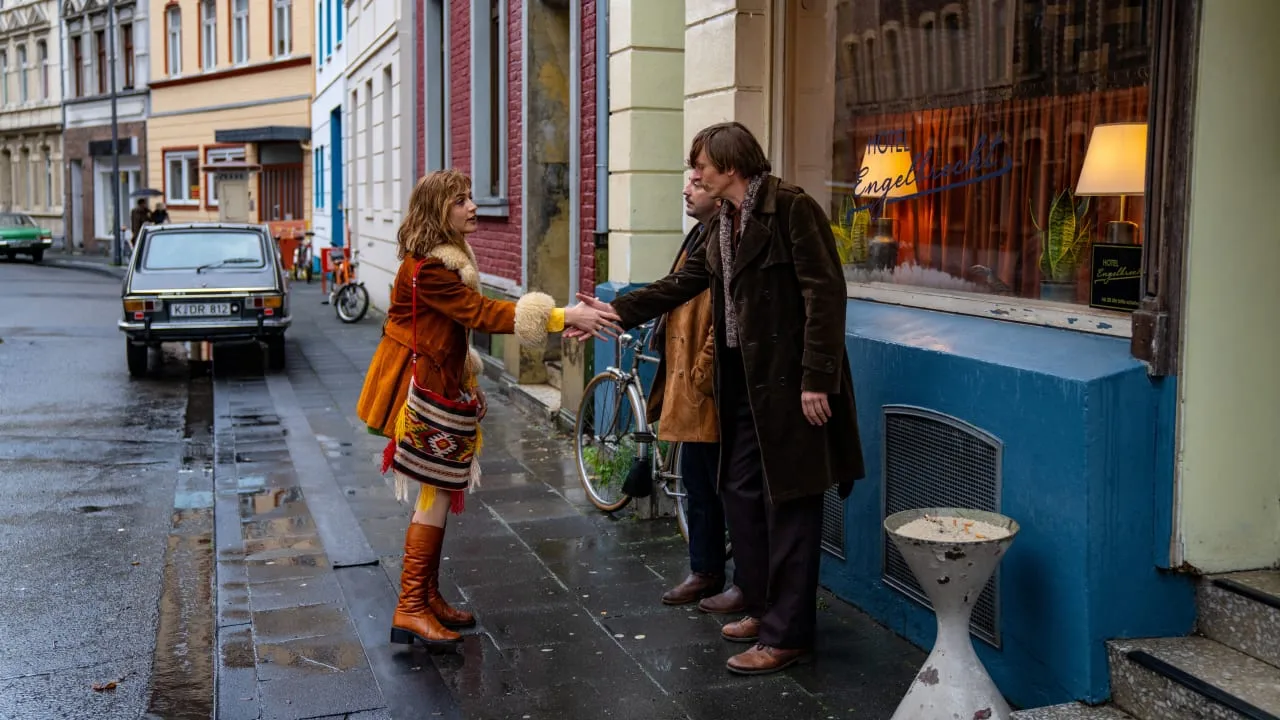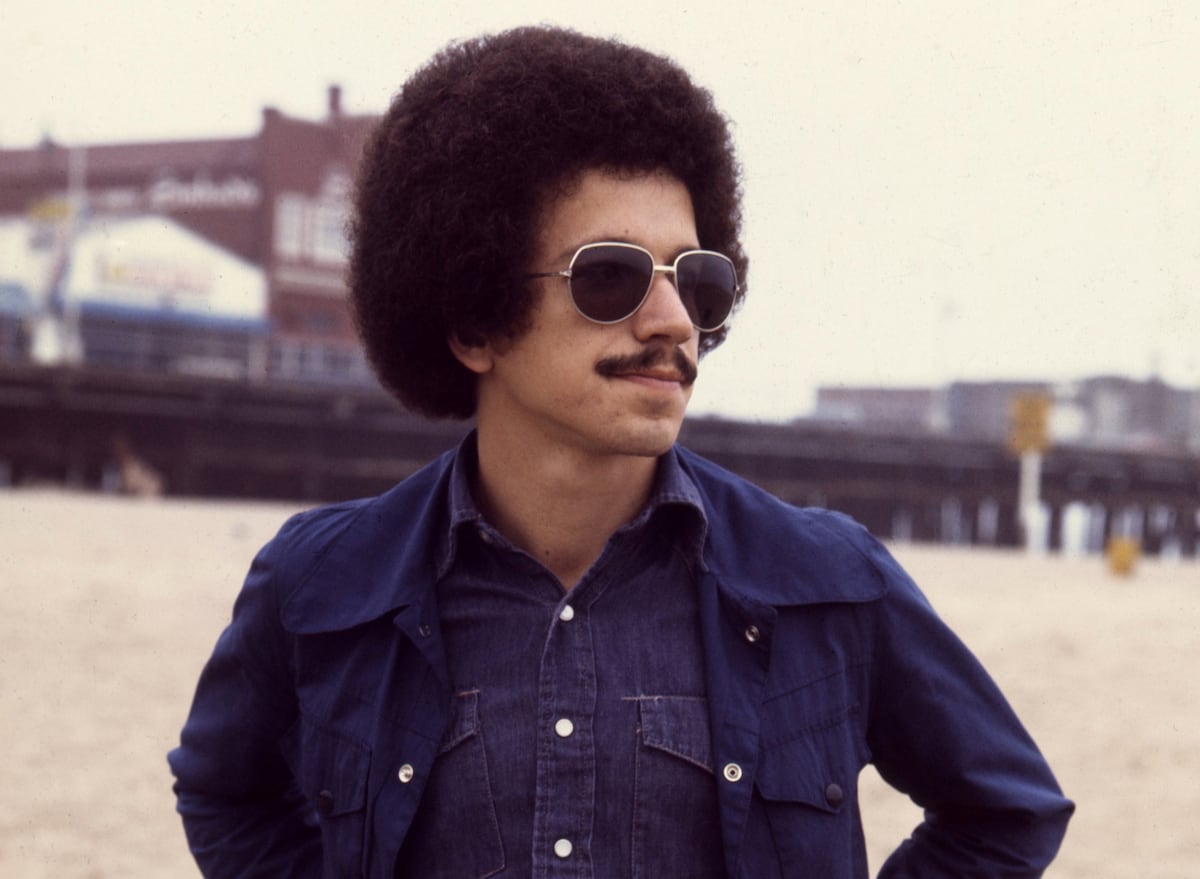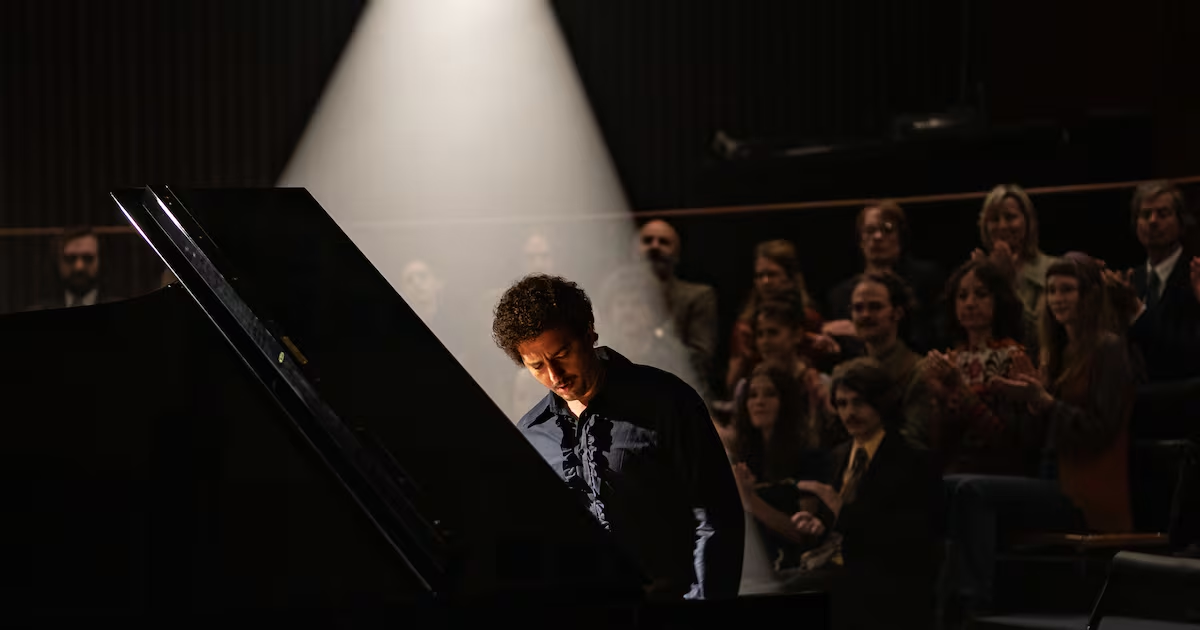
Vera Brandes was just 18 when she experienced the most fateful night of her life. It was 1975 and the precocious German jazz promoter had booked Keith Jarrett into Cologne’s opera house for a sold-out midnight performance. Almost 1,500 people were awaiting the pianist. And then Jarrett walked. “I saw my brother driving my father’s car away, with Keith Jarrett in it,” Brandes says. “I didn’t know Keith had asked him to drive him away. I ran downstairs, opened the car door and spoke to him. “My English wasn’t very good, but I had heard Miles Davis speak backstage, and there was one word he used constantly. I didn’t even know what it meant.“I said to Keith, ‘If you don’t play tonight I’m going to be truly f**ked. And you will be f**ked, too.’ He stared at me, then finally said, ‘Okay’.”The Köln Concert, as it became known, made music history when the recording of Jarrett’s improvised set became the bestselling solo jazz album and bestselling piano recording of all time. It seems scarcely possible that its beautiful, pounding melodies didn’t exist until he sat down at the piano on the opera-house stage.Brandes has a theory. “This situation was really a service to others,” she says. “There’s a component of the music that’s deeply spiritual. He’s playing because there is a sold-out house. He’s playing because there is an audience that is expecting this. He’s playing because there’s a young girl who’s going to be completely ruined by him not doing this. [ Keith Jarrett’s Köln Concert: An epic journey into the unknownOpens in new window ]“Maybe it was this one time in his life when he jumped that fence. And maybe God, the universe, the angels, the audience – whatever you believe in – thanked him.”Half a century later, Köln 75, a new comic drama featuring Mala Emde as Brandes and John Magaro as the musician, revisits Jarrett’s extraordinary performance by focusing on the person who made it happen. Ido Fluk’s film, which was nominated for four Lola awards, Germany’s version of the Oscars, including best picture, follows the teenage Brandes as she defies a conservative figure in her life to organise the concert.I gave the film-makers complete freedom. I didn’t want to interfere. That’s how I worked as a music producer— Vera Brandes“You can tell from the film that there was a monster ego in my family: my father,” Brandes says. “He was multitalented, highly intelligent, a sportsman, a sailor, a painter, a musician. He played piano and organ. He was very well read and scientifically interested in many things. “Being close to such a dominant male figure felt normal to me. I never saw him in any other way than exercising his determination and authority. So dealing with strong personalities was normal. I was scared of my father. I wasn’t scared of Miles Davis and jazz men, because they took me seriously.”Brandes was 15, she says, when she first met Ronnie Scott. The British saxophonist, who hosted Davis, Ella Fitzgerald and Dizzy Gillespie, among many others, at his legendary London club, was so impressed by her acumen and enthusiasm that he asked her to book his upcoming tour of Germany.“His confidence in me changed everything. His world was full of passion: real artists, a lot of love and humour,” she says. “The way they interacted, there was always a joke around the corner. There was such sincere appreciation for each other’s talent and genius. It was a real exchange: artistically, socially, humanly. It felt like a community, very different from the world I came from.”By the early 1970s Jarrett was already feted as one of the most gifted and unpredictable presences in modern jazz, though he was hardly a household name. A prodigy from Pennsylvania who had passed through Art Blakey’s Jazz Messengers and spent a guiding stretch with Charles Lloyd’s quartet, he gained wider visibility as a member of Davis’s electric bands. [ Sunken Treasure: Keith Jarrett’s ‘The Köln Concert’Opens in new window ]Yet even among these free-form coalitions, surrounded by amplifiers and funk rhythms, he seemed a restless presence, sternly resistant to the electric piano as he carved out a parallel identity as an acoustic improviser of impactful intensity.Returning to Europe as a solo act, Jarrett began to attract a cult following for performances that dispensed with set lists, billowing into spontaneous explorations at the keyboard. His recordings for ECM, the beautifully produced German label, suggested a musician reaching beyond conventional jazz tracks towards the rhapsodic. Critics admired the audacity, if not always the results. Brandes, however, was already a huge fan.“Keith Jarrett played Cologne in 1972,” she says. “He played as part of Miles Davis’s quintet with Chick Corea. He played a fantastic solo. I was smitten.”Brandes had founded her audacious New Jazz in Cologne concert series in 1974. Jarrett’s was the fifth in the sequence. It was an unprecedented affair.The album carries the story of that day: reflection, vulnerability and transcendence— Vera Brandes“It was certainly not like jazz was the centre of public attention,” Brandes says. “That’s what makes this so unusual, you know. Keith Jarrett was playing in many places on that tour, but in clubs for 150 people. He played another city in Germany, Freiburg, for 100 people. This was the biggest concert he played until that day.”At 70, Brandes still looks jittery when she considers the challenging circumstances, events that the movie reframes as a high-stakes, chaotic thriller.“The only thing that isn’t accurate is the suggestion that I was involved with drugs,” she says. “I was interested in altered states of consciousness, yes, but from music. I didn’t take drugs. Otherwise the spirit is very true. “I gave the film-makers complete freedom. I didn’t want to interfere. That’s how I worked as a music producer. Not by controlling musicians but supporting them with appreciation and guidance. It’s about love for creativity.”That love went a long way in 1975. Jarrett had been promised a Bösendorfer Imperial piano but found only a ramshackle baby grand with a broken pedal. Broke from touring, he had accepted a lift and was suffering from a severe backache by the time he arrived in Cologne. It is now a bit of a blur for Brandes, who somehow turned it around. Two technicians worked tirelessly to get the piano into shape. Brandes took Jarrett to an Italian restaurant for dinner and made sure he got a nap.“On the tour we did to promote the movie in Germany, I learned things I had completely forgotten about,” she says. “He apparently didn’t start playing until far after midnight. The concert was supposed to start at 11pm. So people have been waiting for probably an hour and a half. “And because he was so tired he asked the technician at the opera house to turn the heating on to maximum. By the time he was playing it was 27 degrees. In January. It was like in a sauna, with 1,427 people packed inside.”Jarrett had a reputation for scolding the audience, or even leaving the stage, if the audience made too much noise. Happily, the 18-year-old promoter was entirely unaware of this.“He came back after resting, had dinner and went on stage. Thank God!” she says. “I thought once he started, that was it. I had no idea he might walk off mid-performance.” Oddly, the soundtrack to the film features neither the titular album nor any of Jarrett’s other recordings. “I think if they had seen the movie they would have given us permission,” Brandes says. “They didn’t want to take the risk. I perfectly understand. It’s like jumping from a 10m board into a pool and you do not know if there is water inside or not. “I was happy to take the risk. I think the finished film allows for an understanding of how German society developed afterwards.”Jarrett, who unofficially retired from performing after a series of strokes in 2018 left him partially paralysed on the left side, is not a fan of his bestselling album. He has said he’d like to destroy all copies of it. Brandes feels differently.“He is permanently criticising himself,” she says. “He’s a perfectionist. And I think that, because of the circumstances of the concert, that inner critic of Keith Jarrett got tired. And what emerged was playful, childlike and in love with life, despite all the setbacks. “The album carries the story of that day: reflection, vulnerability and transcendence. It’s elegant, tender, playful and incredibly soulful. “It became a standard because it combines emotional depth with artistic brilliance. It’s been used at weddings, births, funerals. People feel it even without knowing anything about it.”Köln 75 is in cinemas from Friday, June 5th
‘I told Keith Jarrett, If you don’t play I’m going to be f**ked. And you will be f**ked, too’
In 1975 Vera Brandes set up the jazz pianist’s legendary Köln Concert. It’s now the subject of an award-winning film
1,449 words~7 min read