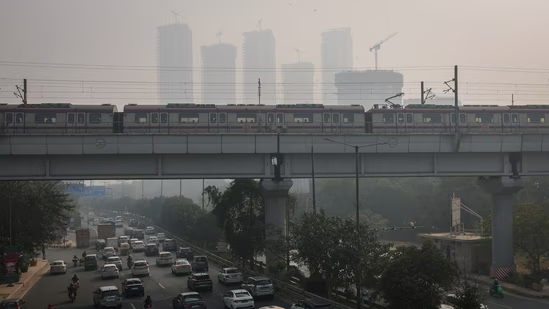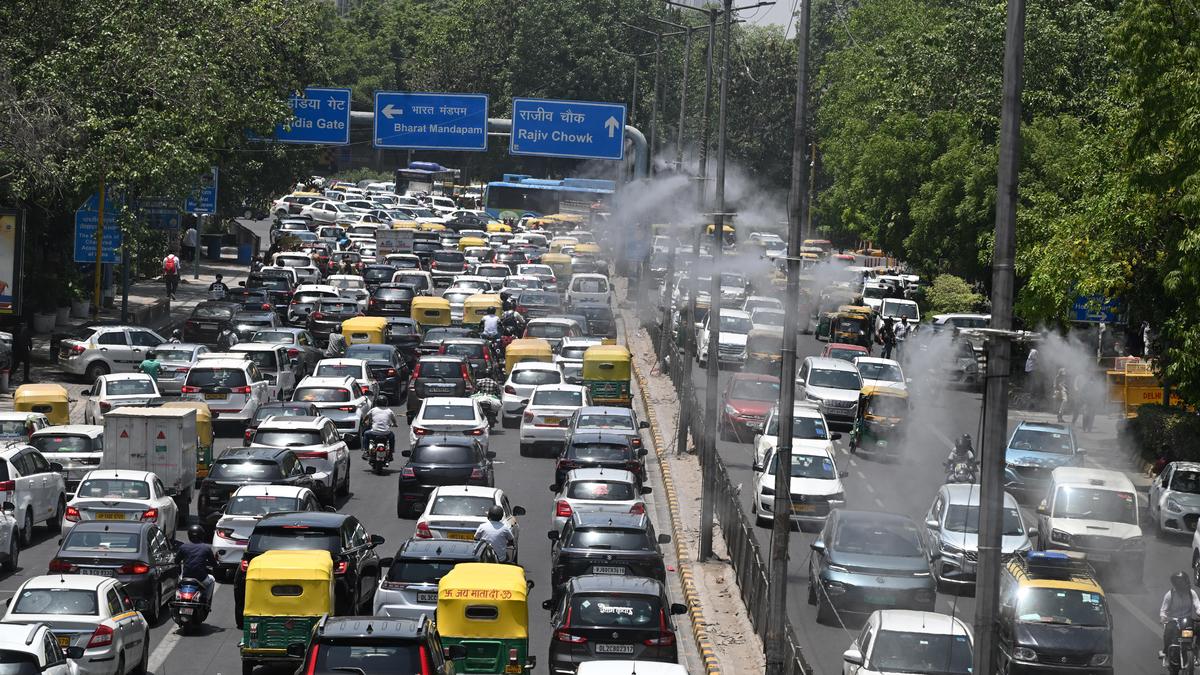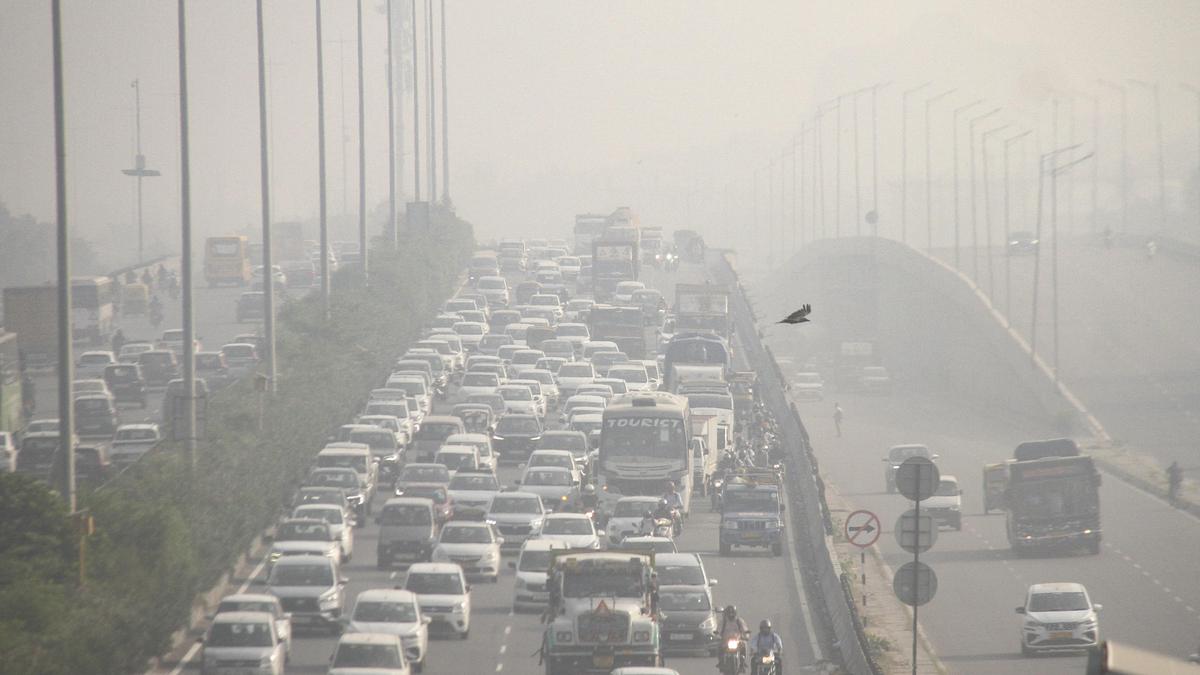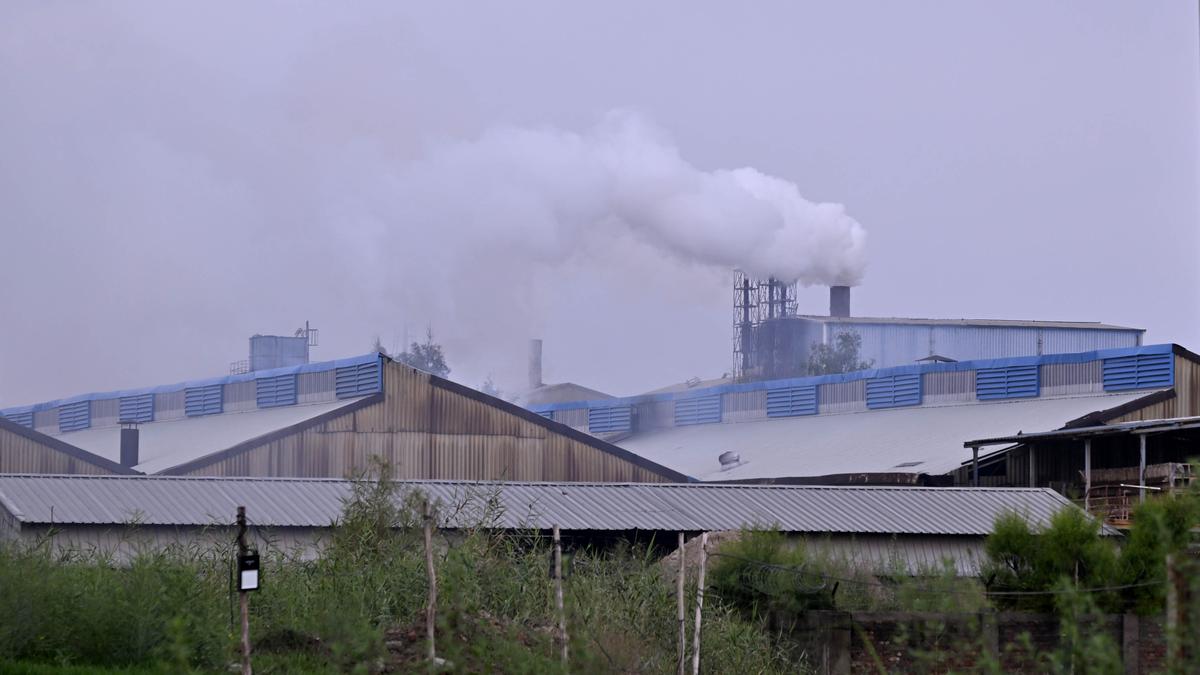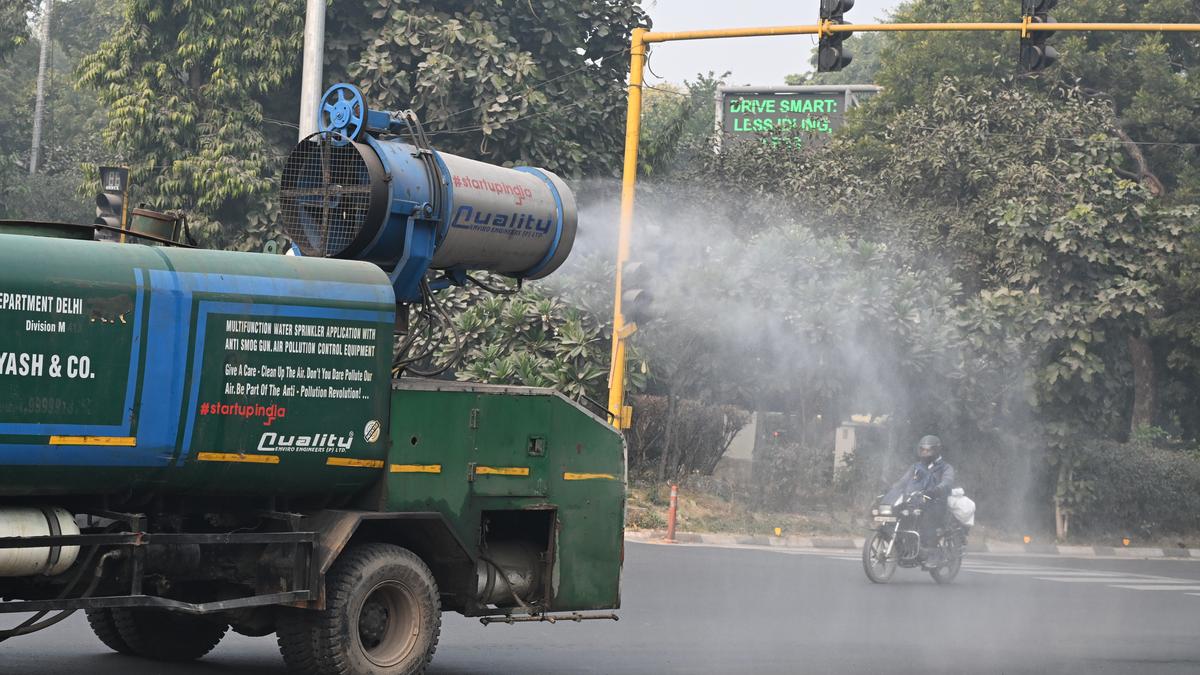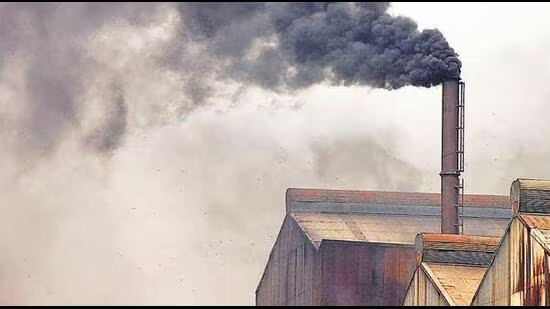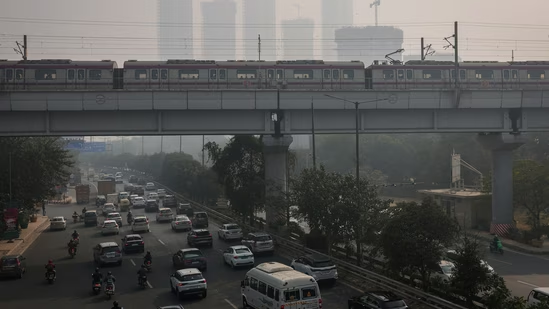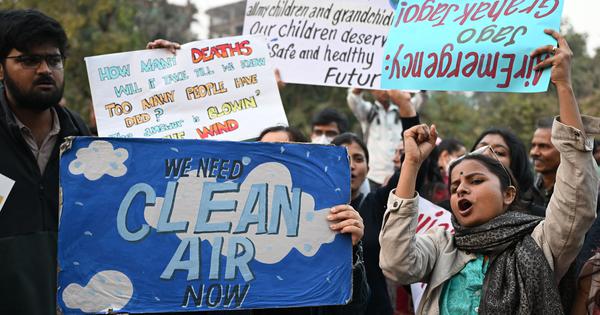
The Ministry of Environment, Forest and Climate Change (MoEF&CC) fights India’s battle on pollution as a poor lone ranger. It funds the Central Pollution Control Board (CPCB), operates a major scheme called Control of Pollution and provides funding for the Commission on Air Quality Management (CAQM). Earlier, it used to run a small scheme, Abatement of Pollution, which was disbanded in 2020-’21. No other ministry or department of the central government has any scheme or programme to fight air and water pollution.CPCB, the pollution control institutional arm of the government, has remained stultified during the Modi government’s 13 years. While it was alive in terms of expenditure growth in the first term with a budget of Rs 0.69 billion in 2013-’14 rising to Rs 1.14 billion in 2018-19, its financing in the second term is nothing short of total neglect.Its budget has been almost static – Rs 1 billion each in 2019-’20 and 2020-’21, Rs 1.16 billion in 2021-’22, which fell to Rs 0.97 billion in 2022-’23, ending with Rs 1.05 billion in the last year of Modi 2.0, at a level lower in absolute numbers than five years ago. It is amazing to see the PCCB budget recording a negative CAGR of (-)1.69% over five years.There is no major improvement during Modi 3.0.Life in Delhi and most of northern India gets disrupted in the months of November and December every year, with the quality of life as measured by air quality index (AQI) going down to very poor and severe category – sometimes getting into the unfit to live grade of more than 500 AQI. More than 17 of the top 20 most polluted cities in the world are in India.AQI measures six major atmospheric pollutants- sulphur dioxide (SO2), nitrogen dioxide (NO2), suspended particulates smaller than 10 milligrams per 1 million in aerodynamic diameter (PM10), suspended particulates smaller than 2.5 milligrams per million (PM2.5), carbon monoxide (CO) and ozone (O3). It is a particulate matter 2.5 (PM2.5), which is the most damaging pollutant and has become everyone’s concern. The CPCB is the organisation responsible for fighting air pollution for the central government. So, it is the case for water pollution. It is the organisation responsible for implementing the flagship and the only pollution control scheme.The government has to focus on all six polluting elements without compromising on the production of goods and services, GDP or national income. The quality of life of residents, in the absence of effective action against these pollutants, deteriorates massively.Still, the Government of India has starved the scheme of Control of Pollution of funding support. Expenditure of less than Rs 10 billion on control of pollution in the world’s most polluted country of more than 1.40 billion people is certainly complete negligence. The government expenditure on pollution control is a minuscule 0.02% in Budget 2025-’26! Our environmental priorities could not have been more misaligned.The total neglect of the pollution control agenda continues in the Budget 2025-’26. Only three schemes remain in operation. India had a very patchy programme to control the pollution mess. Until 2017-’18, the government used to run a small pollution abatement programme (actual expenditure in 2017-’18 Rs 0.075 billion) in industrial plants.The government also used to collect a water cess under the Water (Prevention & Control of Pollution) Act 1974, which was collected by state pollution control boards. 80% of the cess collected was remitted/retained by the states to support their pollution control measures and programmes. In 2015-’16, Rs 1.84 billion out of Rs 2.43 billion was transferred through the budget of MoEF&CC to the state government. Thereafter, the transfer was raised to 100%.The government initiated the Control of Pollution scheme in the 2019-’20 budget, making a Rs 50 million provision for 2018-’19RE, which was actually used above as the actual expenditure for 2018-’19. The scheme got its first full outlay in 2019-’20 and then it grew to stabilise around Rs 8-10 billion a year from 2023-’24 onwards. The scheme funds provision of assistance to state PCBs, National Clean Air Programme (NCAP), environmental monitoring network programme and research and outreach programmes.The year 2024-’25 was a disaster. MoEF&CC received a budget of only Rs 0.16 billion in that year. The budget provides for expenditure of Rs 13 billion in 2025-’26 and Rs 10.91 billion in 2026-’27. The government is so miser and unmindful of the pollution challenge India is facing.Budget speeches have also stayed clear of the subject of pollution in India. Budget Speech 2024-’25 made mention of “pollution” only once in para 83. That was in the context of the government providing financial support of Rs 105 billion for irrigation and flood control projects, including pollution abatement projects, in Bihar, such as the Kosi-Mechi intra-state link and 20 other ongoing and new schemes, including barrages. In Budget 2025-’26, the Finance Minister did not use the word even once. There was no mention of the pollution crisis in India in the budget 2026-’27 as well.The environmental protection and conservation – of natural habitats, wildlife and green cover – programmes are managed by the MoEF&CC. WRRD&GR manages programmes for the protection and conservation of water bodies, rivers and groundwater. DoLR has the responsibility for land resources and watershed management.Environmental protection and conservation received a poor, in fact significantly declining, support during Modi 2.0 across all the three departments recording CAGR growth of (-) 14.48% in case of MoEF&CC, tepid growth of 5.63% in case of DoWRRD&GR and (-) 3.13% in case of DoLR. Overall, it was a miserly 0.94% While there was a similar declining trend in the case of DoLR, there was a notable step up in the case of the other two departments during Modi 1.0.There is no significant improvement during Modi 3.0 either, except in case of DoLR. Environmental conservation and water conservation expenditures have been given a growth of 6.67% and 1.05% CAGR in the first three years. DoLR, on the other hand, has seen outstanding budgetary CAGR growth of 54.01%.MoEF&CC runs four programmes under the rubric of Central Sector Schemes. In addition, there are Centrally Sponsored Schemes (CSSs) with very high-sounding nomenclatures – National Mission on Green, Conservation of Natural Resources and Eco-systems and Integrated Development of Wildlife Habitats.There was a major loss of momentum across all the central sector programmes of MoEF&CC during Modi 2.0, with combined expenditure on central sector schemes of Environmental Knowledge and Capacity Building (EKCB), National Coastal Mission (NCM) and Environment Education, Awareness, Research and Skill Development (EEARSD) seeing the expenditure thereon reducing massively by CAGR of (-)20.53%. All three centrally sponsored schemes (CSSs) also saw their expenditures reduced.It is so depressing to see the complete emasculation of the environmental conservation programmes of the MoEF&CC. Actual expenditure on these programmes (and there are no substituting new programmes either), actually more than halved during Modi 2.0 from Rs 15.64 billion in 2018-’19 to Rs. 7.15 billion in 2023-’24. Budgeted expenditures of Rs 8.68 billion in 2026-’27 are also way less than the expenditures in 2018-’19. And this is in absolute amounts with no regard for the inflation in between.
A new book shows India’s pollution emergency has once again got scant attention in the Union Budget
An excerpt from ‘Subhash Chandra Garg’s Explanation and Commentary on Budget 2026–27: With Implementation of Budget 2025-2026 and Outcome of Budget 2024-25.’
1,185 words~5 min read