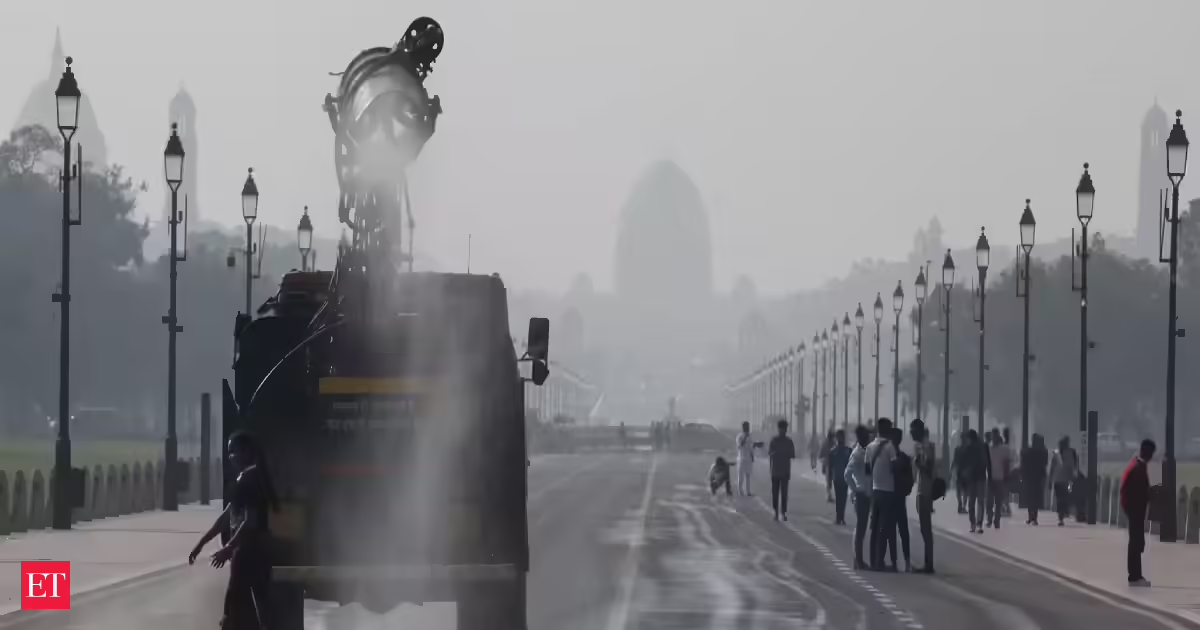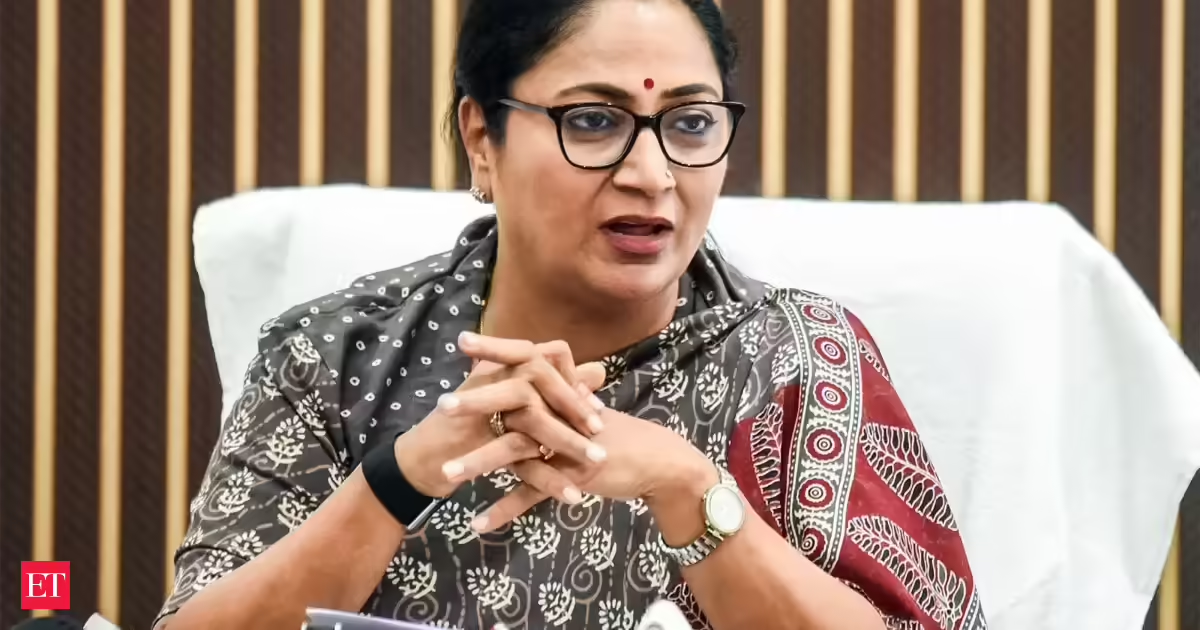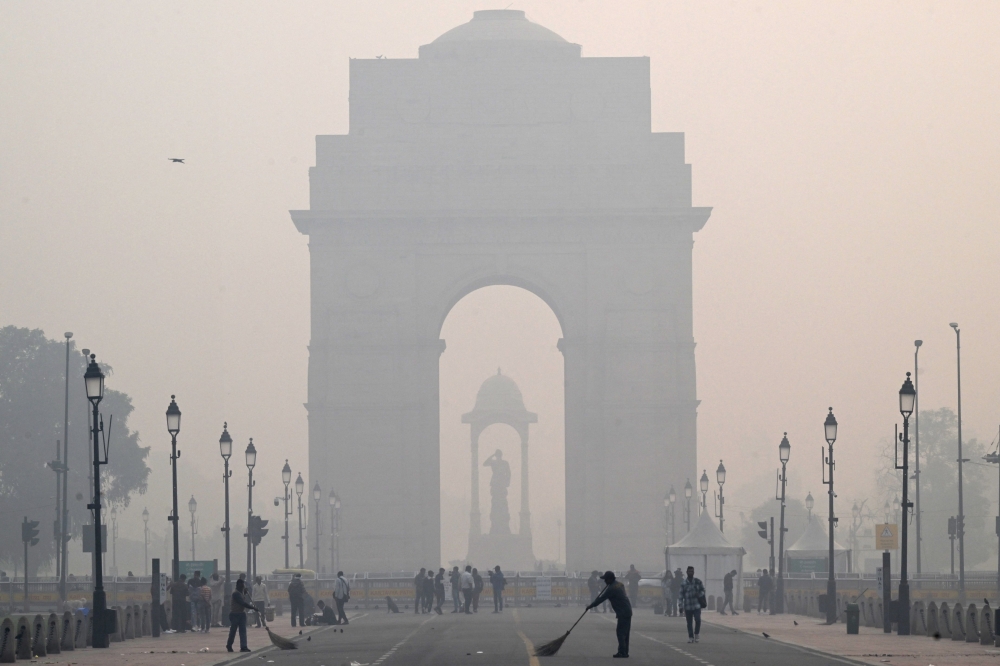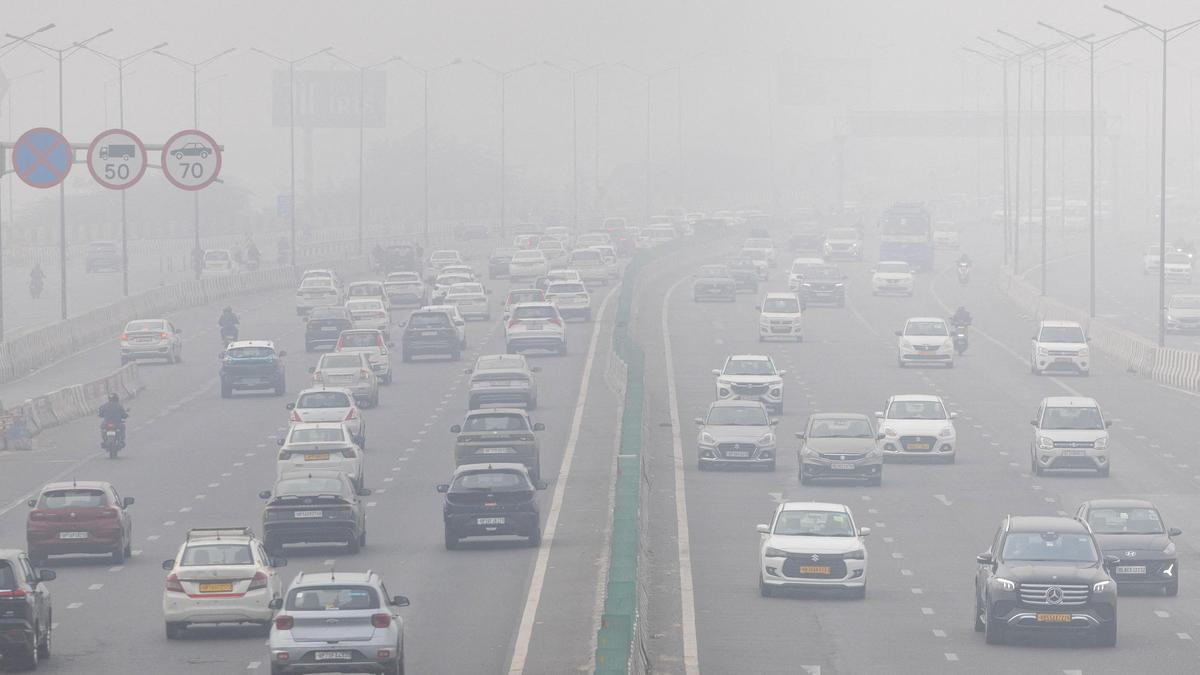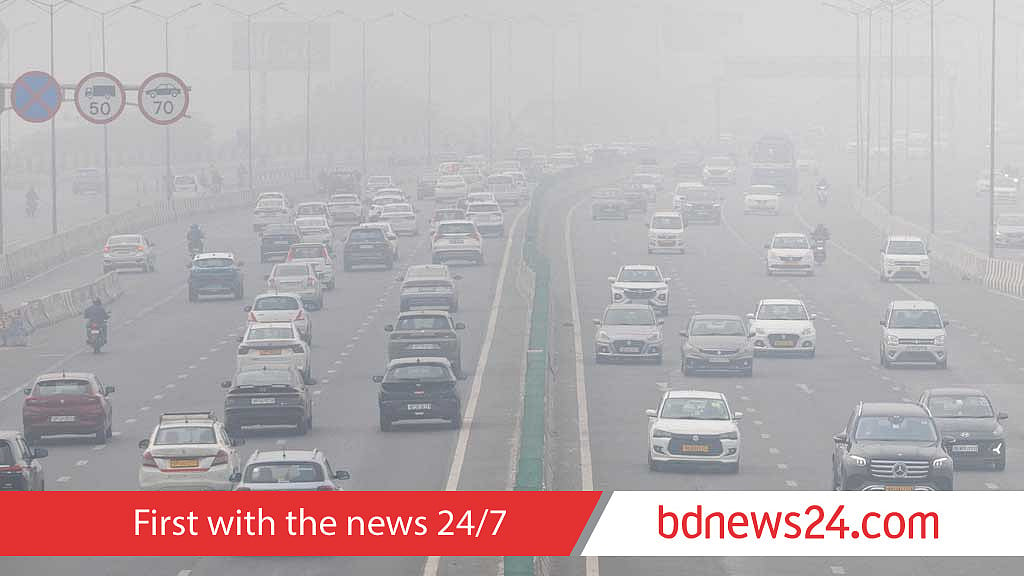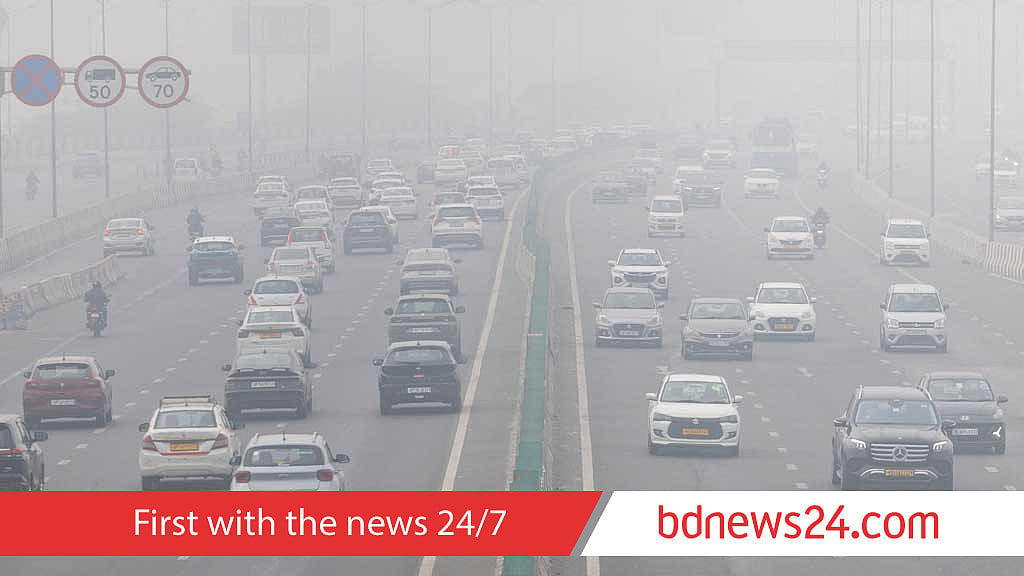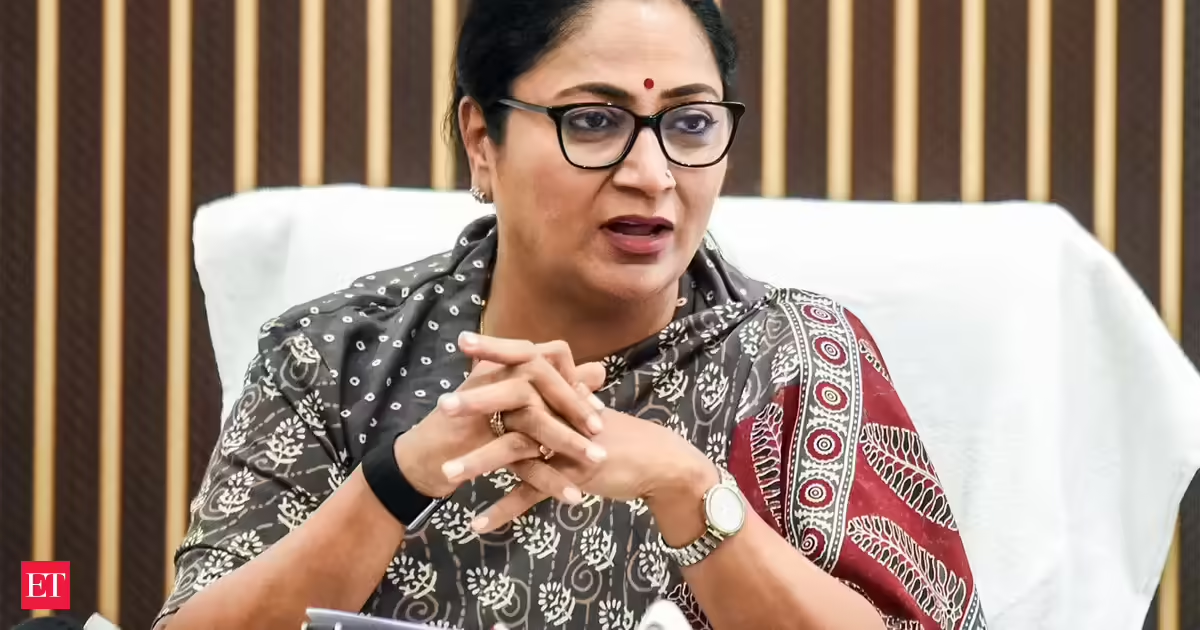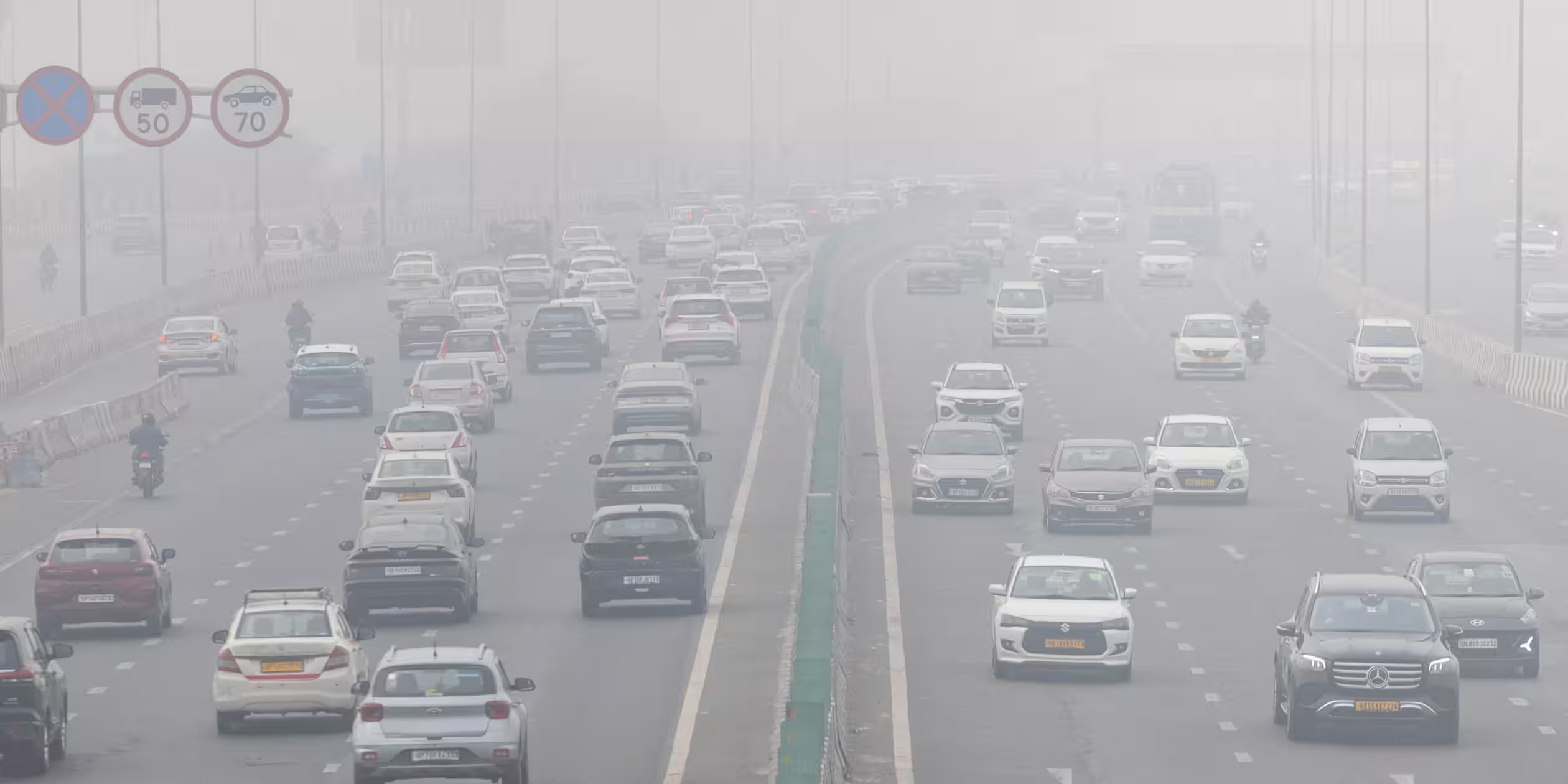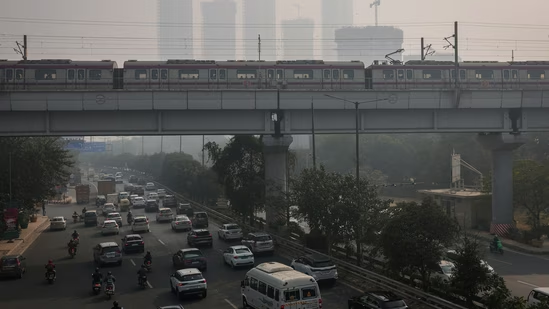
Delhi chief minister Rekha Gupta on Friday announced that her government will launch a seven-year, ₹8,300-crore air pollution mitigation programme with financial support from the World Bank.Delhi holds the distinction of being the most polluted capital city worldwide. (File Photo/REUTERS/Adnan Abidi)According to officials, 65% of the cost will be borne by the World Bank and the remaining will be the Delhi government’s responsibility.Earlier this year, the Work Bank had signed contracts to help with clean air projects worth around ₹2,800 crore each in Uttar Pradesh and Haryana too.Also read: Umar Khalid, Sharjeel Imam's bail application rejected by Delhi court‘Clean Air, Healthy Delhi’The initiative, titled ‘Clean Air, Healthy Delhi’, will run alongside existing plans to reduce Delhi’s pollution.Among its key focus areas would be air pollution sources, such as transport, construction and demolition waste, road dust, solid waste management and industries.Government departments, Work Bank officials and other key agencies involved in the initiative will attend a workshop on July 10 where implementation plans of the programme will be finalised. The workshop will help enhance coordination between stakeholders before the initiative is rolled out in September.Also read: Bill for PM, CM removal over 30-day jail, row over Rajnath's ‘lie’ may dominate Parliament monsoon session from July 20Two broad components of the projectsThe focus of the project will be divided into two key components.The first would be to focus on strengthening Delhi’s air quality management systems through institutional reforms and technological interventions. Under this, authorities will:Establishing a dedicated project management unit (PMU) to oversee the implementation of the project.Developing upgraded air quality monitoring systems.Enhance capabilities to analyse data more accurately and effectivelyPut in place an integrated command and control centre-based monitoring platform.Also read: Pakistan deputy PM Ishaq Dar under fire over grandson's arrest in gangrape caseThe second component of the project will focus on emissions from pollution contributors. Steps under this will involve:Efforts to phase out older and more polluting vehiclesPromote the use of electrical vehiclesImprove public transportation systemsDevelop an advanced Pollution Under Control (PUC) monitoring system to strengthen oversight of vehicular emissions.Delhi’s pollution problemDelhi holds the distinction of being the most polluted capital city worldwide. It consistently ranks among the most polluted, specifically in air pollution, across studies and assessments.The response by successive governments has struggled to match the scale of the problem. Interventions tried so far, including formation of an expert committee to combat winter smog across NCR, haven’t shown substantial improvements. Environmentalists have also pointed out that other measures, like installing smog towers, are too localised and ineffective to solve the larger problem of pollution.
‘Clean Air, Healthy Delhi’: The ₹8,300 crore air pollution plan for capital
The initiative, titled ‘Clean Air, Healthy Delhi’, will run alongside existing plans to reduce Delhi’s pollution. | Latest News Delhi
425 words~2 min read