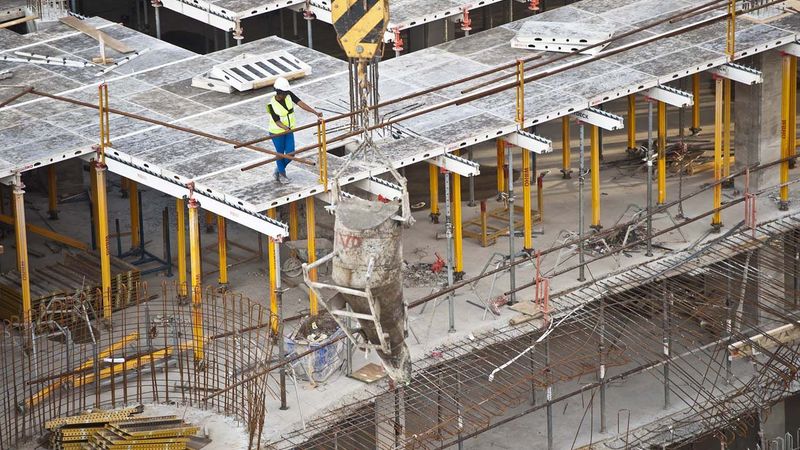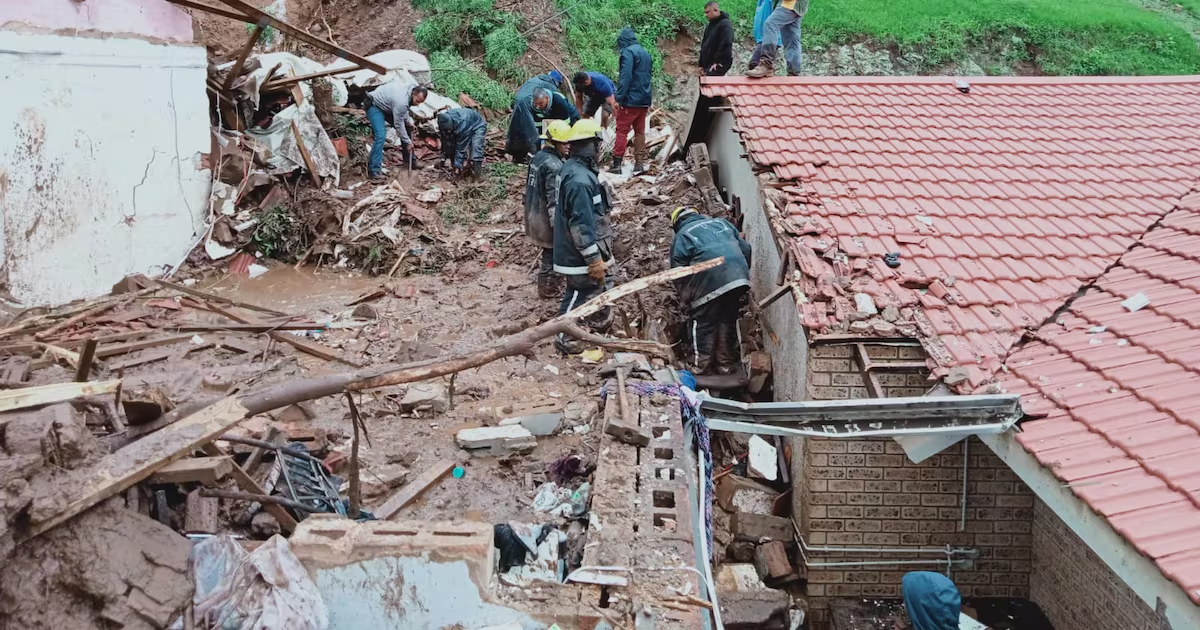
Governments and infrastructure planners are prioritising upfront construction costs over long-term durability, a bias that risks locking in higher maintenance spending and earlier asset replacement, according to World Stainless secretary-general Tim Collins.Speaking to Business Day after the World Stainless annual conference in Johannesburg, Collins said infrastructure decisions continue to favour lower initial costs over lifecycle performance despite the availability of materials that can extend asset life and reduce upkeep.“Constant maintenance shouldn’t be the norm,” he said, arguing that much infrastructure is still not designed for long-term resilience.He said value is largely measured by upfront affordability and delivery timelines, while long-term operating and maintenance costs are given less weight in planning and procurement.That approach, he said, locks in higher lifecycle costs and can shorten asset life.System under strainIn South Africa those risks are already visible in public infrastructure performance.The auditor-general’s most recent consolidated report on national and provincial government audit outcomes found 89% of 152 infrastructure projects worth R47.39bn had material findings across planning, procurement, delivery and commissioning.The projects spanned housing, education, health, transport and water, with poor-quality construction among the recurring weaknesses identified.“People don’t realise that infrastructure maintenance is lucrative for some. People make more money out of maintaining things than building them,” he said, adding that weak planning and oversight drive higher long-term costs and reduce asset lifespans.“In the gap between delivery and durability, the long-term cost of infrastructure continues to accumulate,” he said.Lifecycle trade-offsCollins said the pattern is not unique to South Africa but reflects a global bias toward saving on upfront costs over lifecycle performance.This, he said, reinforces an “upfront cost bias” in procurement, where durable materials are often discounted due to capital cost alone.But he said the trade-off is lifecycle-based, not price-based.“While stainless steel requires higher upfront investment, it reduces maintenance needs and extends asset life,” said Collins. “Carbon steel is cheaper initially but requires more frequent maintenance, repairs and earlier replacement.”He said that stainless steel is not a full substitute for structural steel but is most effective when used selectively.“You don’t have to replace all structural steel with stainless. You only need about 10% most of the time,” he said.He pointed to reinforced concrete structures, in which corrosion of embedded steel drives cracking, deterioration and rising repair costs over time.
World Stainless warns against cost-saving over durability in infrastructure
Stainless steel requires higher investment but reduces maintenance, says Tim Collins
375 words~2 min read