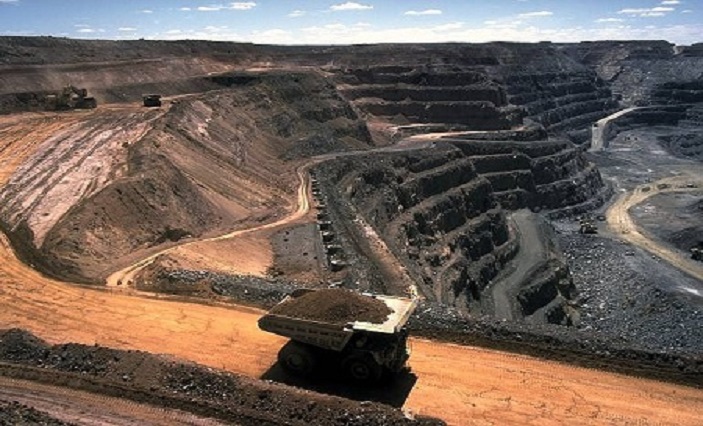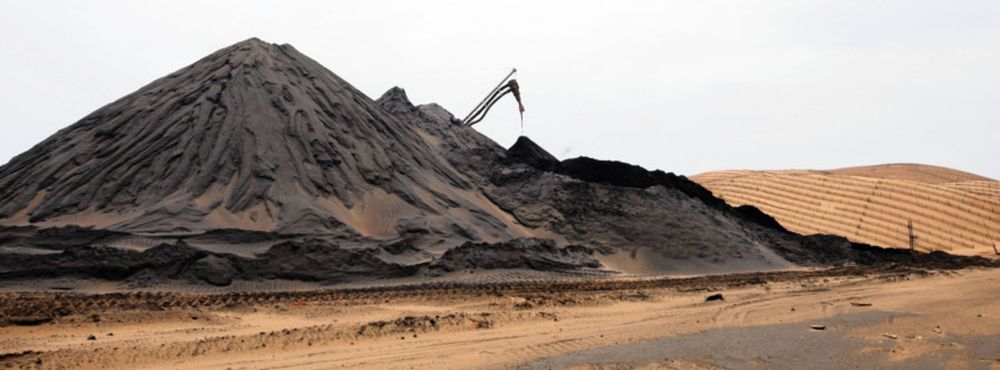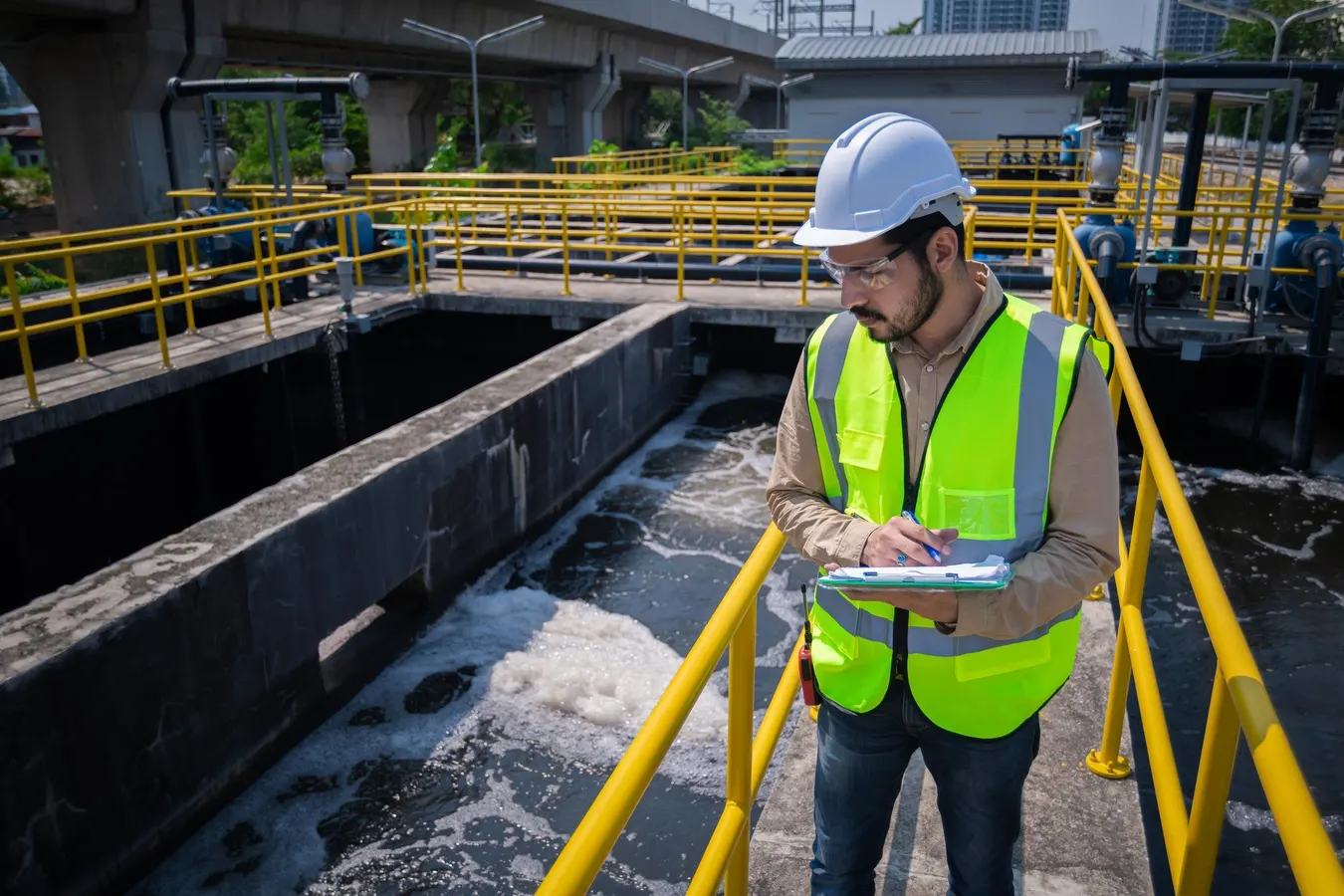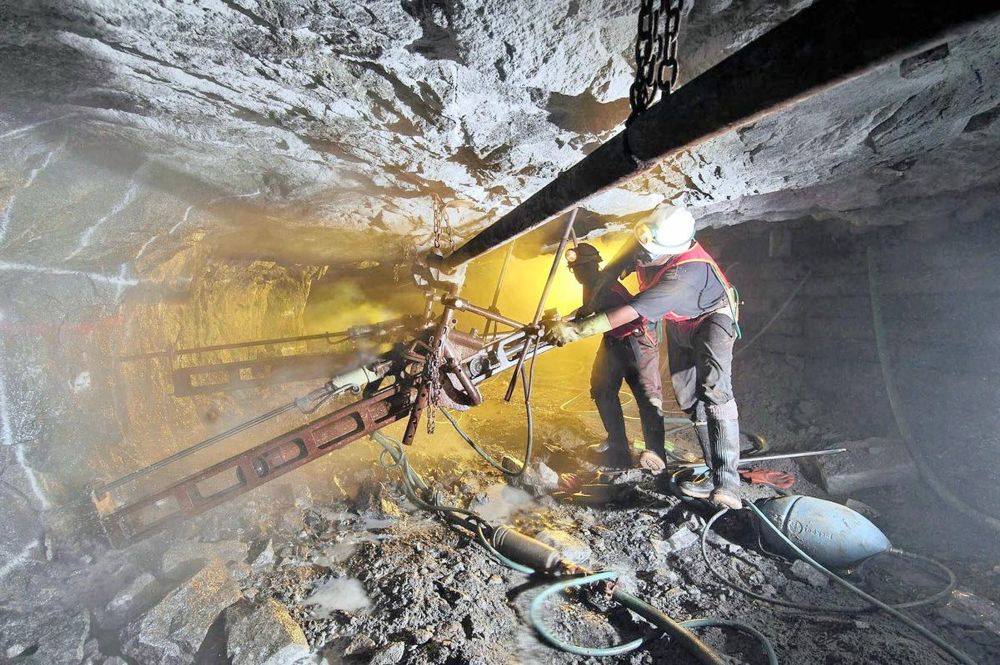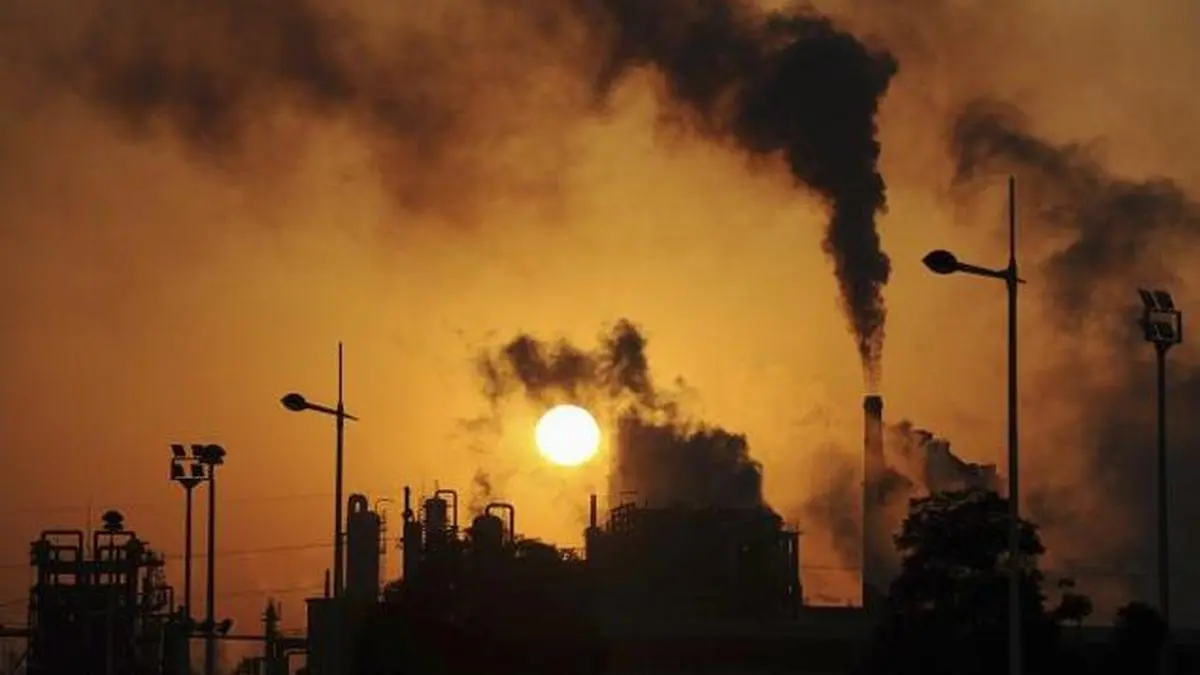
Industries across the mining, metals, chemical and manufacturing sectors are increasingly adopting precision engineering, wastewater treatment and resource recovery technologies to improve productivity and reduce carbon emissions, experts said.As India seeks to balance economic growth with environmental sustainability, these moves reflect a broader push to modernise industrial processes while meeting climate and resource-efficiency goals.Industry experts say this reflects a broader shift in corporate thinking, with sustainability increasingly being integrated into operational efficiency, risk management and long-term business strategy rather than being viewed solely as a compliance requirement.The economic rationale is becoming increasingly compelling. India generates around 72,368 million litres of sewage every day, yet only a fraction is ultimately treated and reused.Industry observers believe wastewater recovery and reuse will play an important role in strengthening water security while reducing pressure on freshwater resources.KEP Engineering Services, led by Managing Director Malu Kamble, has been working in the field of industrial liquid waste management and resource recovery. The company has commissioned more than 650 plants across 550 companies spanning over 35 sectors, helping industries recover water and improve environmental performance."The industries that will remain competitive over the next two decades are those that can maximise value from every resource they consume. Wastewater is no longer simply a waste stream; it is a source of water security, resource recovery and operational resilience. The long-term vision is to move from waste treatment to resource recovery. Industrial growth cannot rely indefinitely on fresh resource extraction. The future belongs to enterprises that can recover, reuse and regenerate resources within their own operating ecosystems," Kamble said.Alongside resource recovery, precision manufacturing is emerging as another important pillar of industrial sustainability.Industry studies indicate that precision-based manufacturing systems can improve resource utilisation by reducing scrap generation, improving machine effectiveness and lowering material waste. A case study by McKinsey said that advanced process optimisation reduced raw-material waste by 20 per cent, demonstrating both economic and environmental benefits.Mandeep Singh Matharu, Head Marketing, GEC Group, a heavy machinery manufacturer serving the mining and metals industries for more than 75 years, said environmental sustainability begins well before waste is generated."Environmental protection is not achieved only through waste treatment. It also begins at the manufacturing stage. Precision machines help industries reduce scrap generation, optimise raw material utilisation and improve overall productivity, creating both economic and environmental value. As India continues to expand its industrial and infrastructure base, precision manufacturing will play an increasingly important role in balancing economic growth with environmental responsibility. The future belongs to industries that can produce more value with fewer resources," Matharu said.Mining, metals, chemicals and manufacturing remain critical contributors to India's industrial output, exports, infrastructure development and employment generation. Experts believe that improving resource productivity across these sectors can strengthen competitiveness while reducing environmental pressures.According to Pavan Kaushik, a business communication expert and advisor to the mining, metals and infrastructure sectors, environmental stewardship and industrial growth should increasingly be viewed as complementary objectives."The discussion should not be framed as a choice between industrial growth and environmental protection. Modern economies require minerals, metals and chemicals to support infrastructure, manufacturing, food security and the energy transition. The real challenge is to continuously reduce environmental impact through resource recovery, water conservation, cleaner technologies and more efficient operations," Kaushik said.Kaushik added that environmental progress is driven by a combination of better technologies, resource recovery, water conservation and efficient industrial processes."Precision-based heavy machinery has an important role to play by helping industries optimise resource utilisation, reduce material losses and create greater value from every unit of input consumed. The environmental benefits of precision engineering extend far beyond manufacturing, influencing efficiency, reliability and resource consumption throughout the life of the equipment," Kaushik said.As India advances towards its long-term development ambitions, industry leaders believe future growth will depend not only on expanding production capacity but also on improving resource productivity.Precision technologies, resource recovery solutions and responsible resource development are expected to play an increasingly important role in building a more resilient, competitive and sustainable economy.Published on June 1, 2026
Mining, chemical sector players turn to engineering solutions to boost output, cut emission: Experts
Industry observers believe wastewater recovery and reuse will play an important role in strengthening water security while reducing pressure on freshwater resources
662 words~3 min read