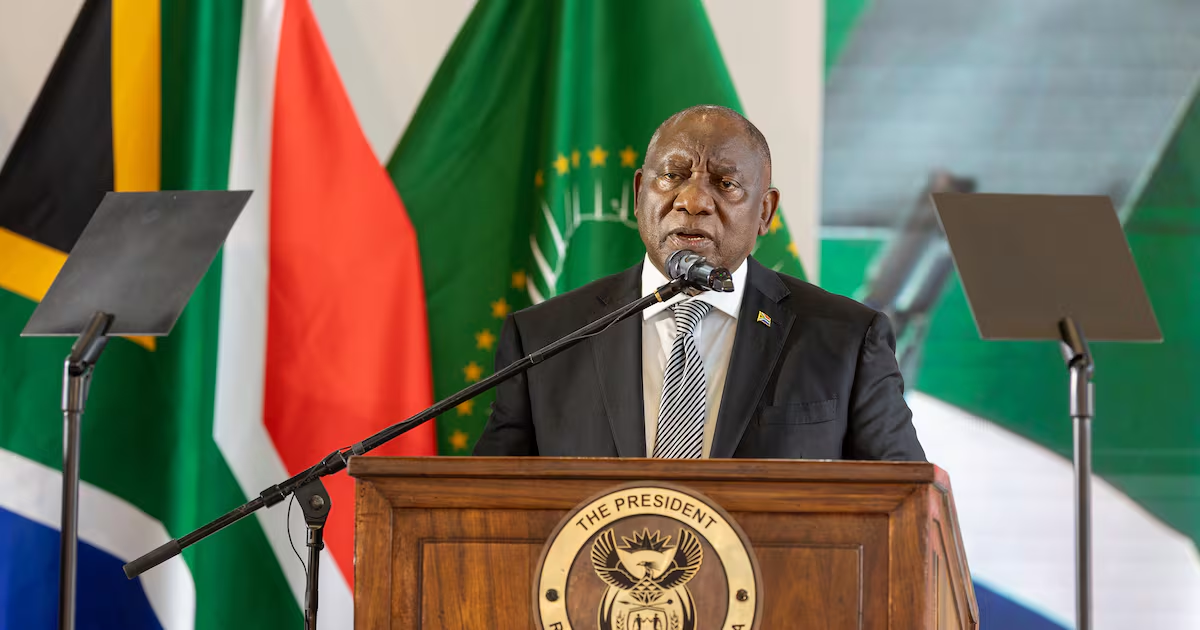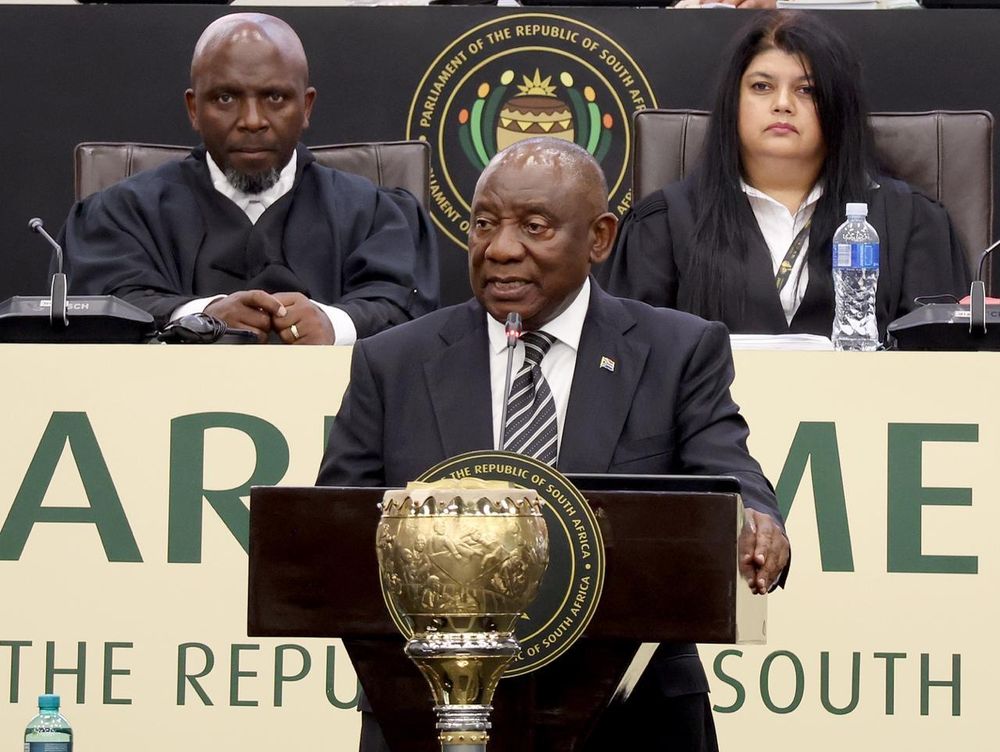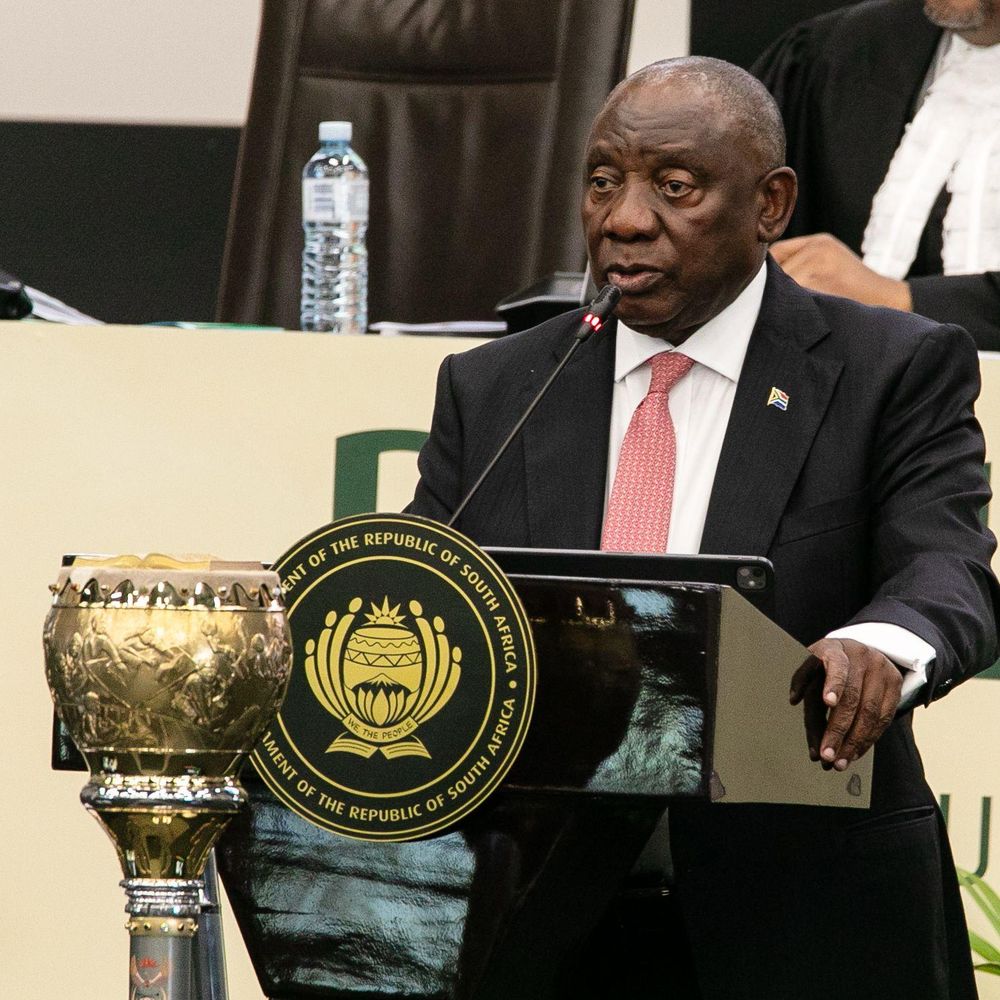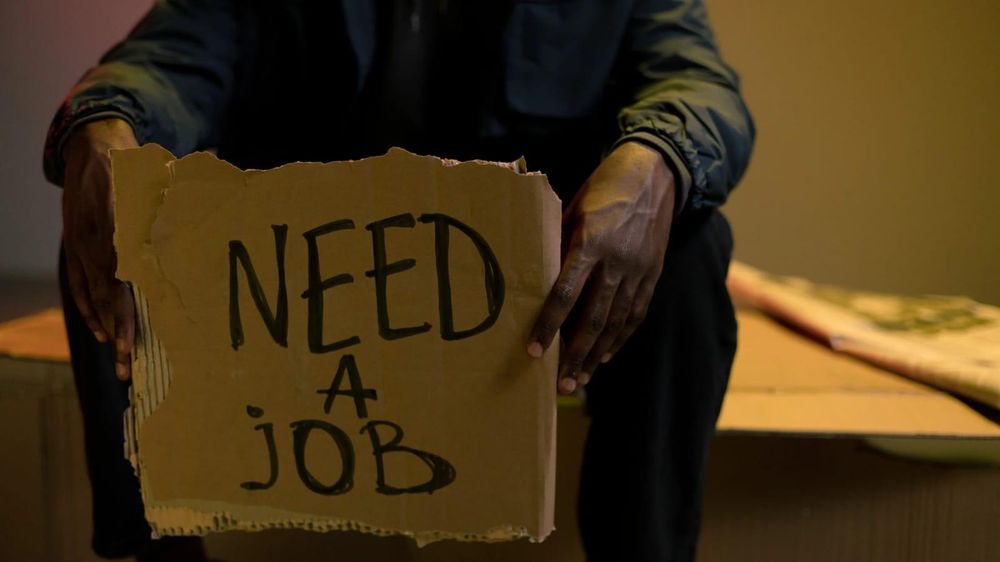
On April 21 2020 President Cyril Ramaphosa announced measures to counter the effects of the lockdowns that were introduced to contain the spread of Covid-19. “An extra R100bn will be set aside for the protection of jobs and to create jobs,” he said. In his medium-term budget policy statement on October 28 of the same year, then-finance minister Tito Mboweni allocated “around R100bn for job creation initiatives which will now be spread over the medium-term expenditure framework”. For the first year there was an allocation of R12.6bn. Government established the Presidential Employment Stimulus (PES) under the leadership of Kate Philip, who had worked with Ramaphosa during the late 1980s when she was CEO of the Mineworkers Development Agency. At the time, Ramaphosa was general secretary of the National Union of Mineworkers. Over the next six years the PES became one of the country’s most successful and innovative public employment programmes, and there has never been a whiff of corruption. The PES complemented the Expanded Public Works Programme and the Community Work Programme, which Philips had also helped to conceive. In an update for the October 2020 to December 2025 period, the PES says it received budget allocations of R53.4bn, which included R4bn from the Unemployment Insurance Fund (UIF). This was used to give hope to 2.5-million people who were provided with work opportunities. The Basic Education Employment Initiative, which placed teacher assistants in schools, provided 1.4-million work opportunities and was the largest component of the PES. There were 15 other programmes that created work opportunities in activities such as early childhood development, after-school programmes, community-based paralegals, agriculture, the arts and microenterprises. However, the 2026 budget has decimated the PES and cancelled the Basic Education Employment Initiative and many other programmes to meet a primary budget surplus target. What is the logic of balancing the books while destroying the economy and jobs and reducing the denominator in the debt ratio? The PES is now a shadow of its former self, its budget slashed to R3.3bn in 2026/27 from R8.3bn in 2025/26. This includes spending on the National Youth Service, which is not technically part of the PES. If one excludes the National Youth Service, there are only two remaining programmes, with a combined budget of R1.9bn. These two programmes will provide about 81,000 work opportunities during this fiscal year. In a country that has the world’s second-highest youth unemployment rate, it is unconscionable that the Treasury would cancel the successful PES while continuing with the youth employment tax incentive (ETI), government’s least effective “job creation” programme. Since 2013 the ETI has given companies tax breaks of R47.4bn. Yet from the fourth quarter of 2013 to the fourth quarter of 2025 the number of unemployed young people has soared to 7-million from 5.2-million. Political parties, trade unions and civil society organisations must condemn the decision to cancel the PES and call for government to reintroduce the programme. We must set up a quasipublic organisation – with professional management and civil society oversight – that funds and monitors a portfolio of innovative public employment programmes and ensures they meet minimum standards in terms of pay and the quality of work. There must be a target to achieve 5-million work opportunities, with a focus on full-time jobs. Government must capitalise the organisation with a large portion of the surpluses of R140bn at the UIF and R60bn at sector education & training authorities. We must abolish the wasteful ETI, which cost R4.5bn during 2023/24 and transfer the savings to the new organisation. • Gqubule is an adviser on economic development and transformation.
DUMA GQUBULE | Job programme cut as Treasury seeks budget surplus
Presidential Employment Stimulus slashed despite success in tackling joblessness
597 words~3 min read