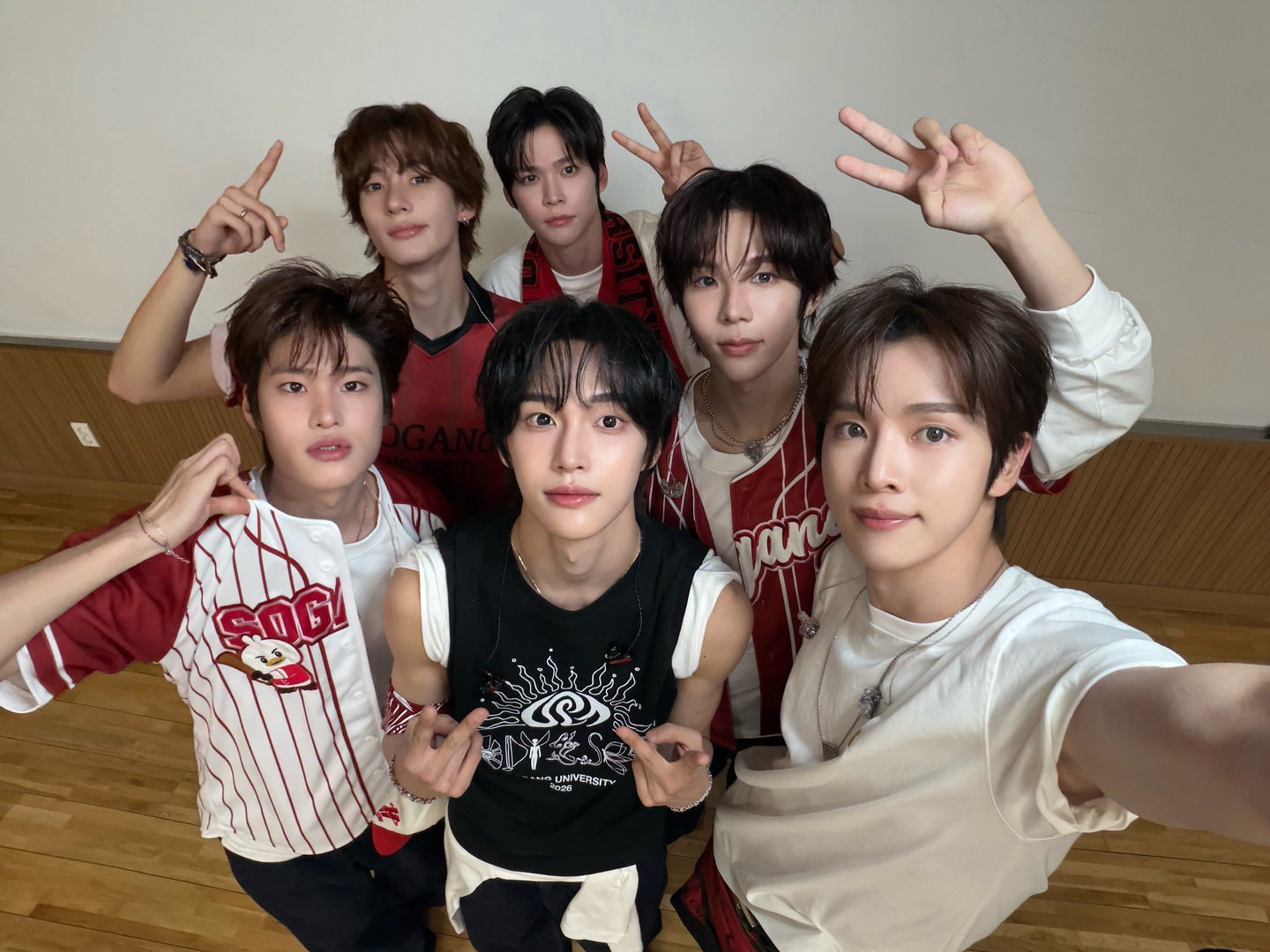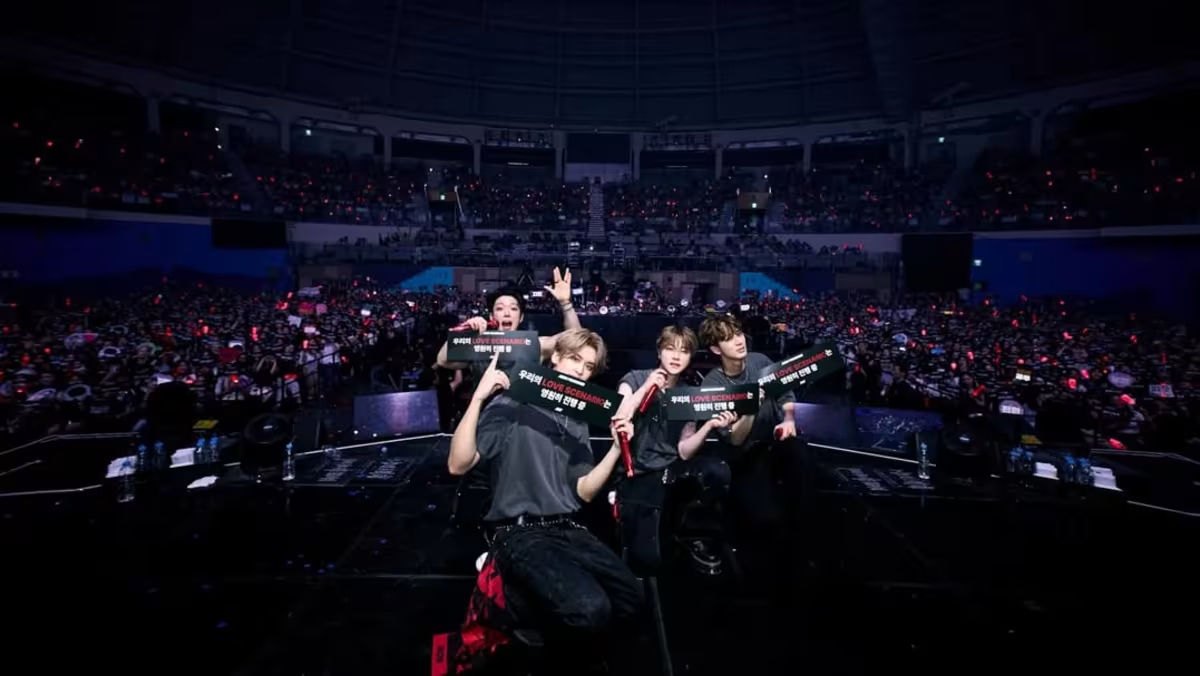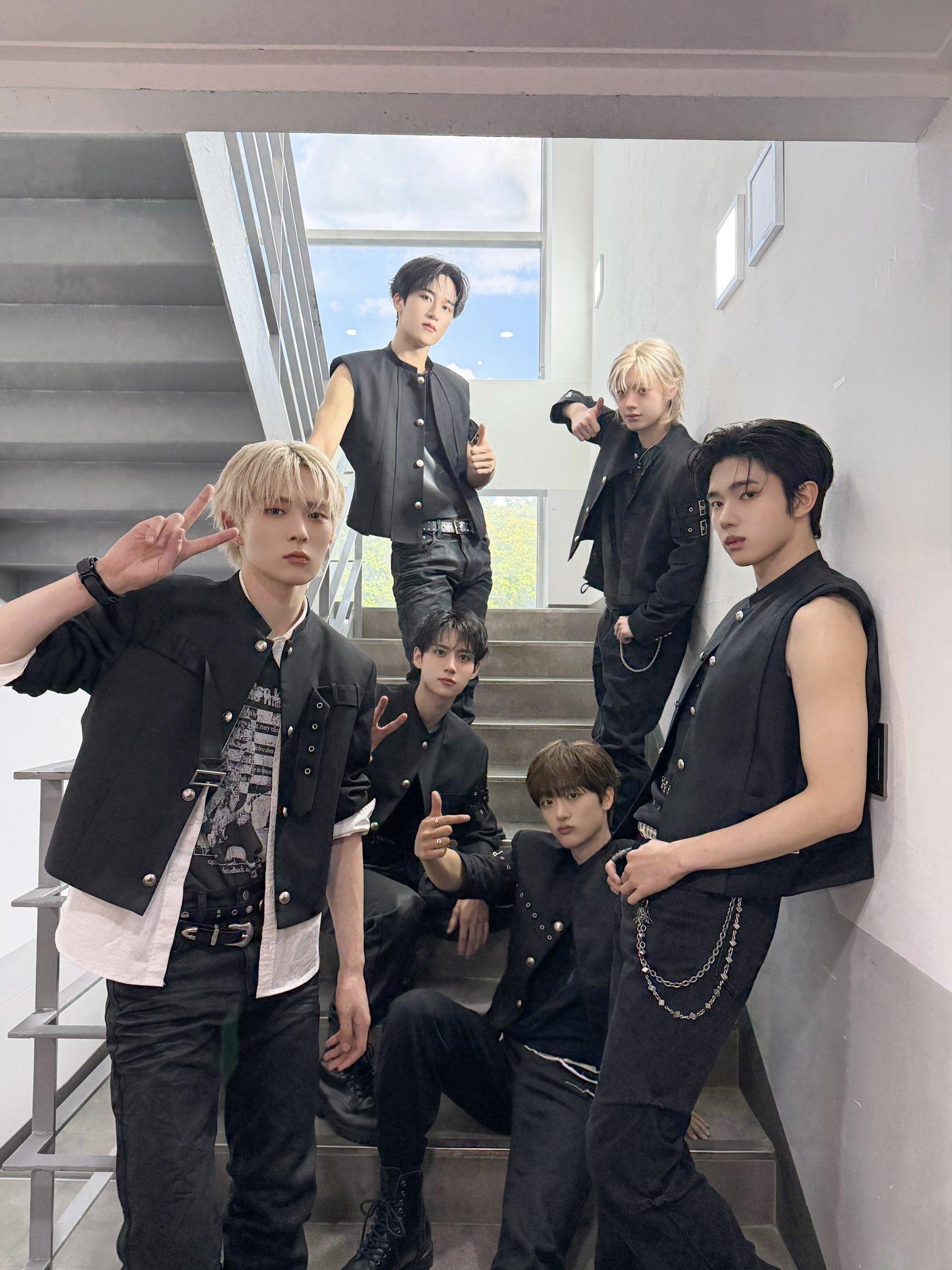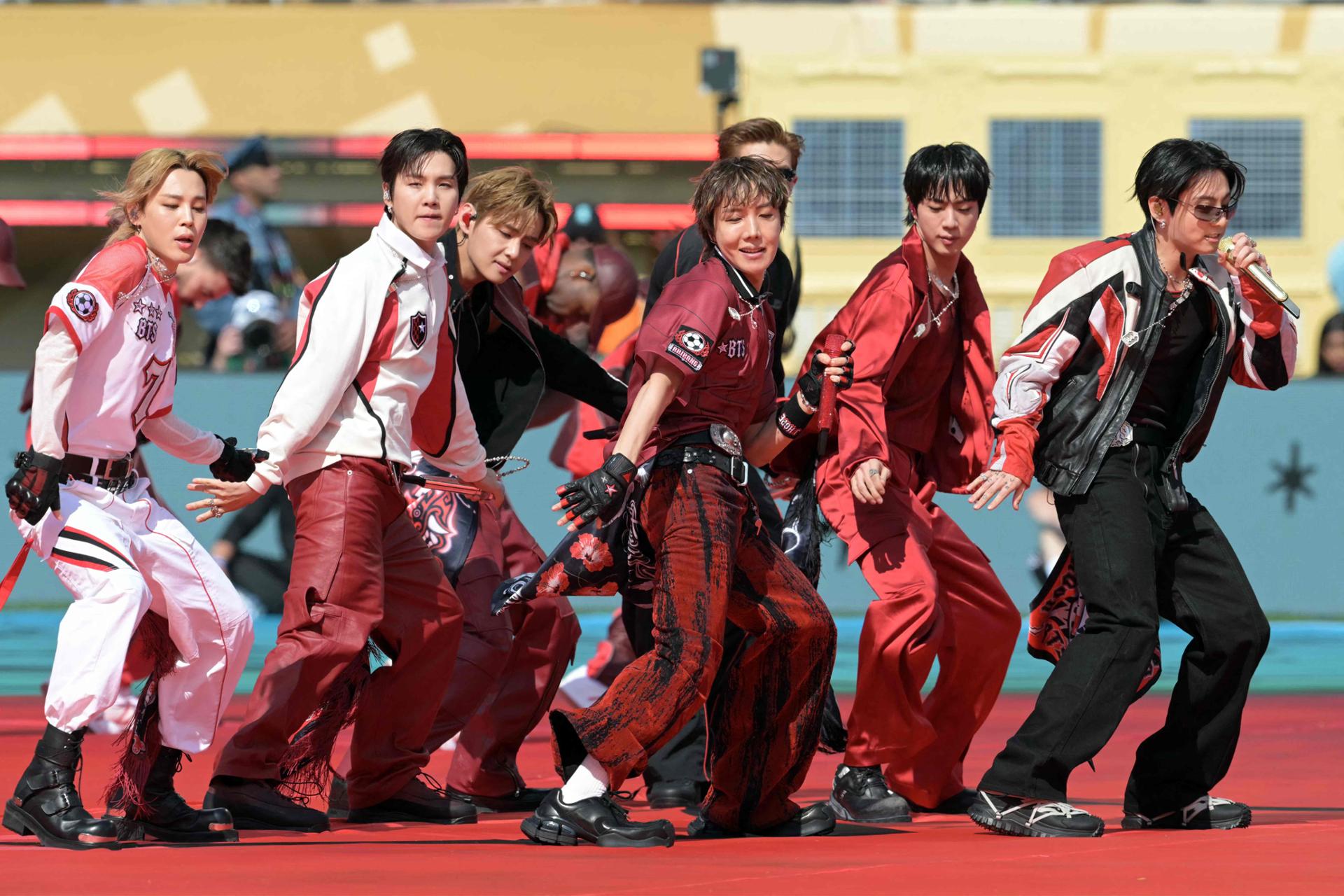
K-pop girl group NMIXX performs on the Spotify Stage during "Eve Festa," the eve festival for the esports event "LCK Roadshow: T1 Home Ground," held at Inspire Arena in Incheon, April 24. Courtesy of JYP Entertainment
Picture a typical K-pop concert. You wake up early to join a ticketing queue, refresh a browser until your hands go numb and, if you are lucky, land a seat. Then comes the day itself, lining up outside the venue for an hour or more, shuffling through security and finally settling onto a hard plastic seat pressed close against strangers on both sides. If the show is at an outdoor stadium, add weather to the list of things to endure.
For years, this was simply the deal. Fans accepted it because the alternative, missing the show, was worse. The discomfort was treated as proof of devotion. Real fans did not complain about sore feet or soaked jackets. They endured, and they called it love.
But as ticket prices climb sharply in recent years, reaching well above 200,000 won ($132) for premium seats at major concerts, a quiet question has started surfacing among some concertgoers. Why should watching live music still feel like a test of endurance?
Fans watch a performance at the outdoor Weverse Park stage during the 2023 Weverse Con Festival at the KSPO Dome 88 Lawn Field, Seoul. Courtesy of HYBE Labels