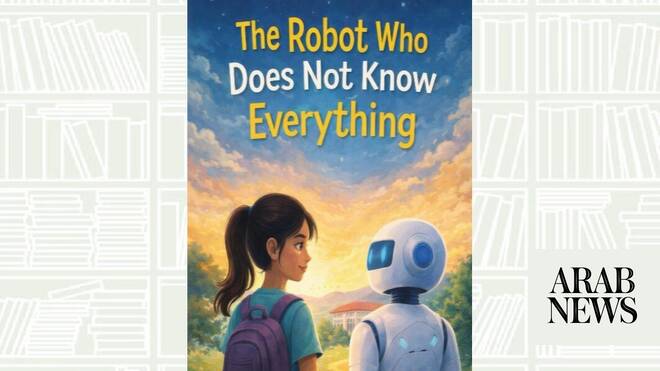
The story, "The Robot Who Thought He Was Human," was written by Le Anh Vinh, a Vietnamese mathematician who earned his PhD at Harvard at 27 and now directs the Vietnam National Institute of Educational Sciences.
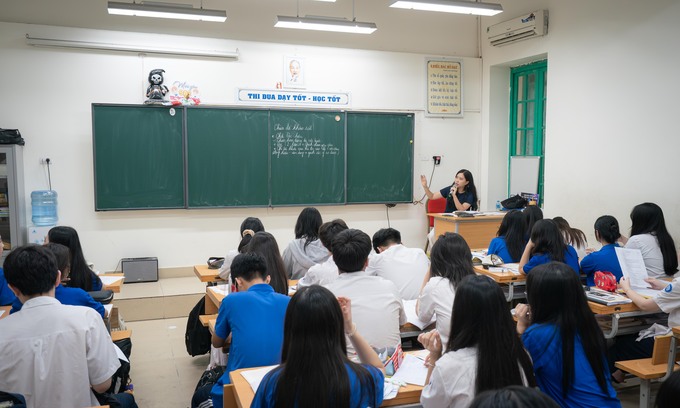
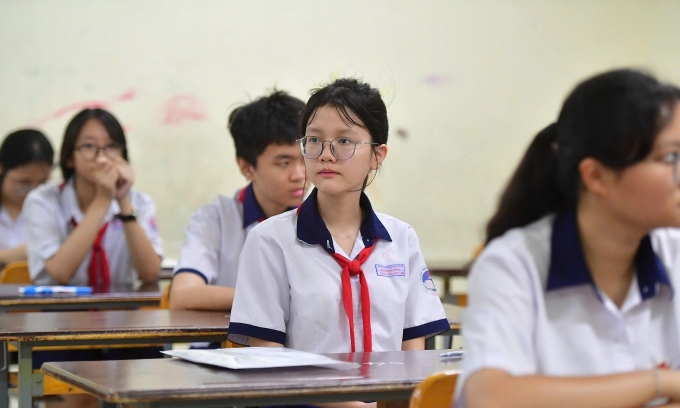
The two-page exam, built around the theme "The Colors of Emotion," ran for 120 minutes. The framing landed amid a debate playing out in classrooms worldwide over what artificial intelligence is doing to the way young people think and feel.
Its central character is a robot named Biet Dieu, which means "sensible," who begins to feel sadness, hope and unease and to wonder what makes a person a person. The reading section, worth 5 points, asked students to compare how robots and humans experience emotion, answer four questions, and write a short essay on the passage.
The question asked whether people themselves are drifting toward machine-like lives as technology seeps deeper into everyday life.
A second section drew on an essay by the writer Ta Duy Anh on the role of emotion in life and literature, then asked students to argue either about the emotional flatness of some young people today or on the theme "Understanding Emotions to Live with Love."