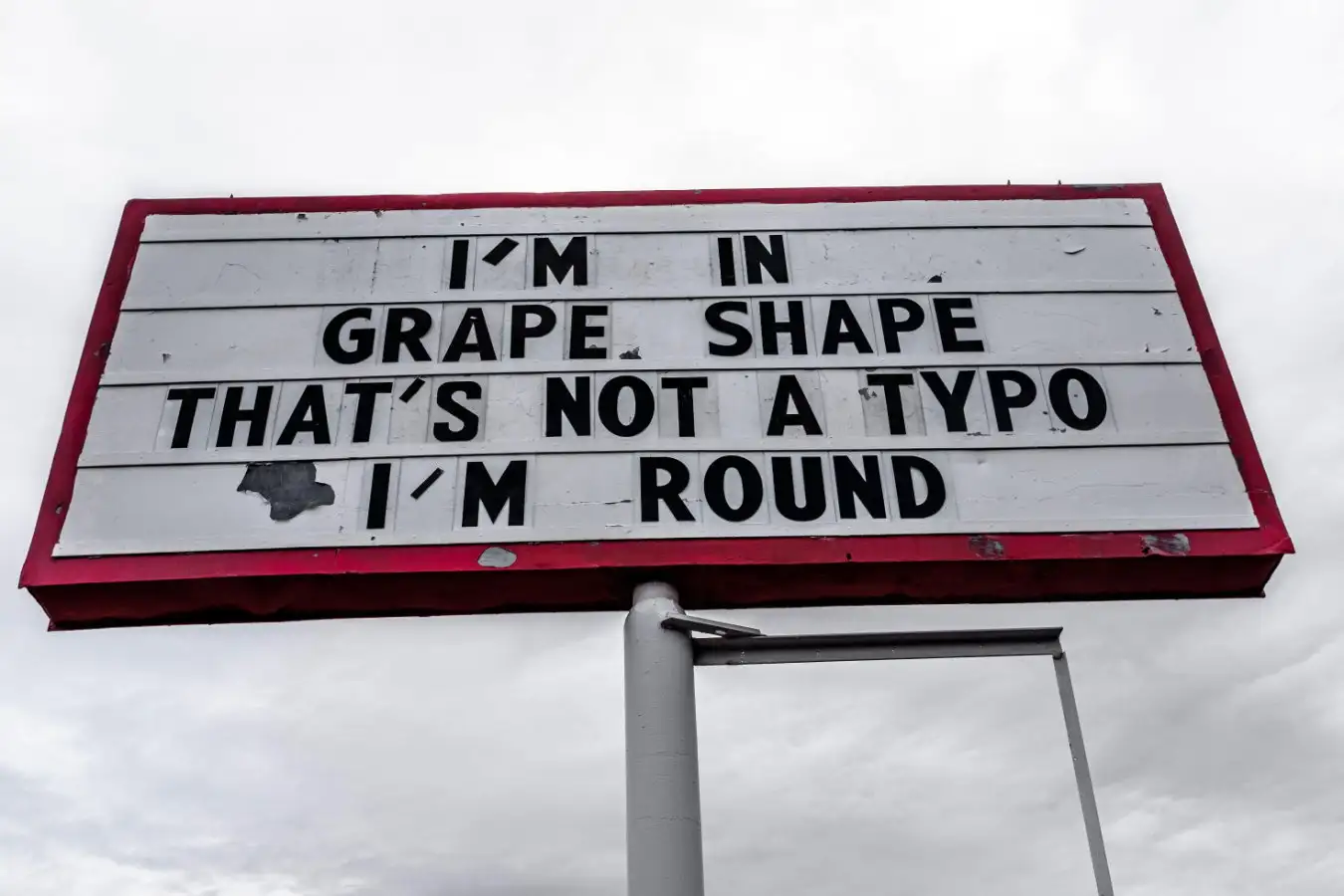
Typos are a sign of a human writer… for nowMarc De Simone/Alamy
Recently, a friend told me over coffee about some disheartening feedback she had received. “They said it was good,” she said, “but that it read like it was written by AI.” Knowing her, I understood immediately what had happened. Her credibility was being questioned not because her work was poor, but because it was too good – too clear, too fluent, too polished.
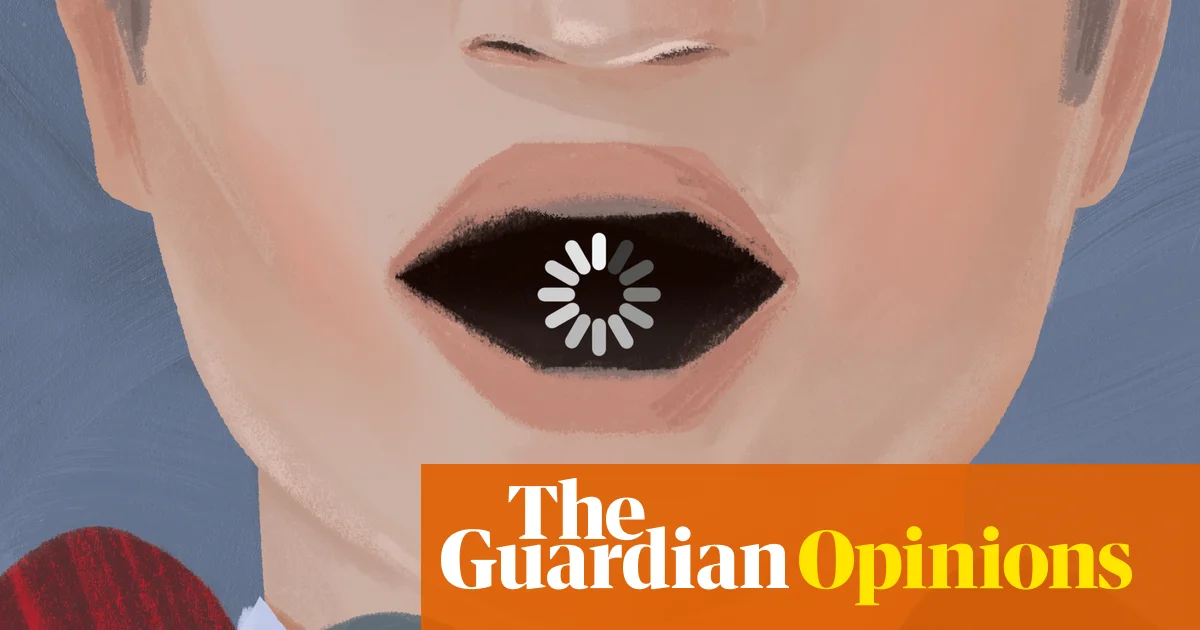
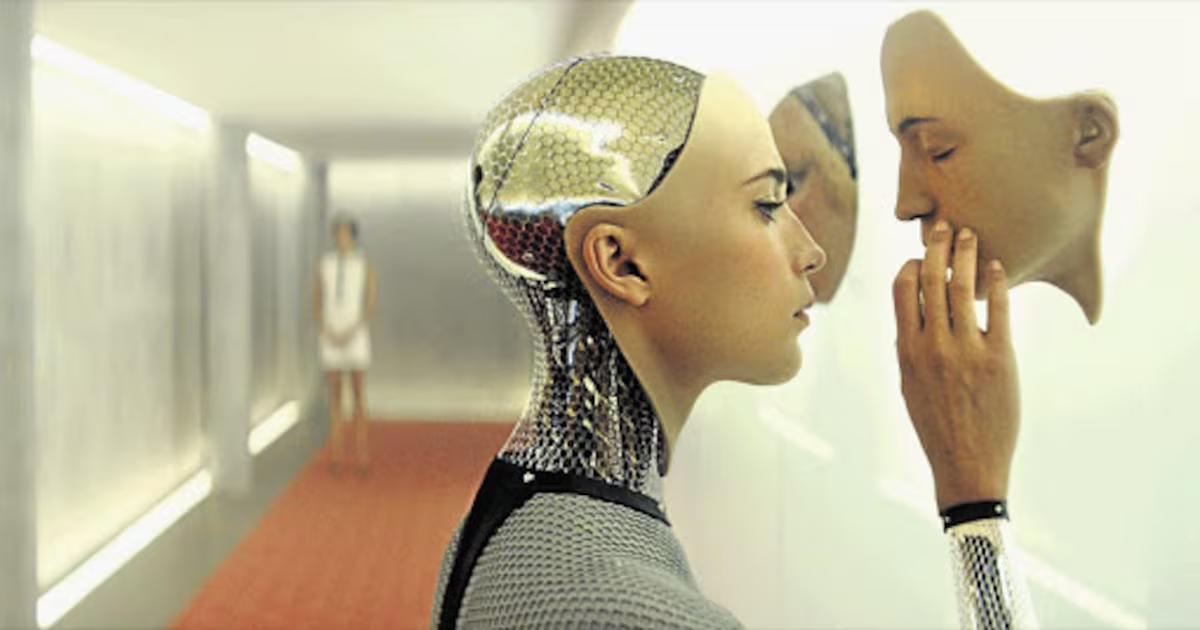
The rapid acceleration of artificial intelligence tools is changing how we think about good writing. In the digital age, it is increasingly important to signal that an actual person – not a faceless large language model – is behind the words. One paradoxical way of doing this is, surprisingly, to damage the quality of your own writing.
Alan Turing even made such a suggestion in the 1950s: sprinkle in a few deliberate typographical errors to appear more convincingly human. The irony, of course, is that Turing was addressing that advice to machines.
My friend’s experience isn’t an isolated one. Writing well, once a mark of skill, has become, for a growing number of readers, reviewers and hiring managers, a source of moral suspicion. The skills we once used to signal intelligence and effort – clarity, precision, a well-turned sentence – are starting to lose their meaning.