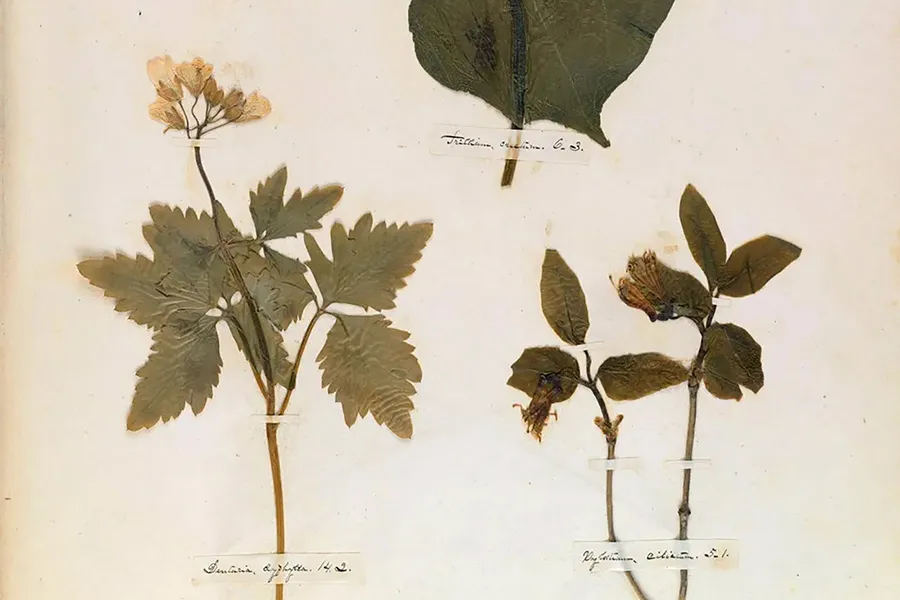
April 22, 2026, 5:35 AMAI has made contemporaneous self-reflexivity almost a necessary precondition for anyone who tries to write about it, now that, from behind the blinking cursor marking my every pause and hesitation in writing this sentence, a serpent waits to strike. I would prefer not to write sentences that track their own emergence from thought; I don’t like the kind of faddish writing that does this, this very thing that I am doing; but now that I feel I must actively preserve thinking as the medium in which language is generated, against Google’s satanic offer to “Help Me Write,” I also feel I should think about what it is I’m preserving, and who, exactly, the tempter is, and why they are so eager to “help me” surrender the pleasure of making the next associative or logical leap on my own, from hints and insinuations found inside a brain that can never fully know itself, or—sorry if this seems vain—tire of trying.“Heavens—it is an hour later,” Elizabeth Bishop once wrote to Robert Lowell, in a letter: “I was called out to see a calf being born in the pasture beside the house.” It’s an hour or so later for me, too; I finished that first paragraph while lying on my back in bed, around 6:30 AM; walking my dog around the little pond up the hill from our house, I thought about where I wanted this piece of writing to go next. I was also checking in on a patch of wild irises, though they don’t flower until early May in New England, since today is the birthday of my friend, the late Louise Glück, who loved these flowers and wrote a great book called The Wild Iris. I had two ideas for this paragraph: before I decided on Bishop, I considered, instead, describing the little pools of saturated ink in the manuscript poems of Emily Dickinson, where she paused and rested her pen while gathering thought for her next astonishing turn. You can actually see the thinking, in those slightly darker splotches, and even estimate its duration—the darker the splotch, the longer the hesitation.How is this going? I now ask myself. It’s certainly not what I intended to write, or at least how I intended to start. I actually find what I’m doing here pretty annoying. Was the mention of Louise gratuitous? Are my sentences, I don’t know, too gooey? Among the many humiliations of AI is that it seems to invite us to sentimentalize impulses and values that we would ordinarily interrogate, complicate, half accept on wary, provisional terms. My life is not all irises and calves and ponds; while writing this I also scrolled, googled, posted, and did other attention-attenuating online things that make up something like my new, now not-so-new, process of resisting before succumbing to distraction, a mental tug-of-war I never chose and that I do not find especially fun or good for my moods, and maybe not so good, either, for my writing.9:00 AMThe temptation to make large claims for this moment that AI has encroached upon, whatever its insignia—the blinking cursor, the blank stare, the walk around the pond—is not new; it has a tradition. I will now stitch together a little homemade commonplace book of a few scattershot examples.In “East Coker,” T.S. Eliot connected these moments of being on the brink of a breakthrough with larger personal and historical impasses:
Think for Yourself | Dan Chiasson
One of the most dehumanizing effects of AI is the short cuts it offers through the gaps and impasses intrinsic to the act of writing.
TL;DRAI
Google's 'Help Me Write' removes cognitive friction from creative work, threatening autonomous thinking that defines expertise. Outsourcing thought to AI assistants erodes the judgment—the differentiators that separate human expertise from automation.
3,517 words~16 min read