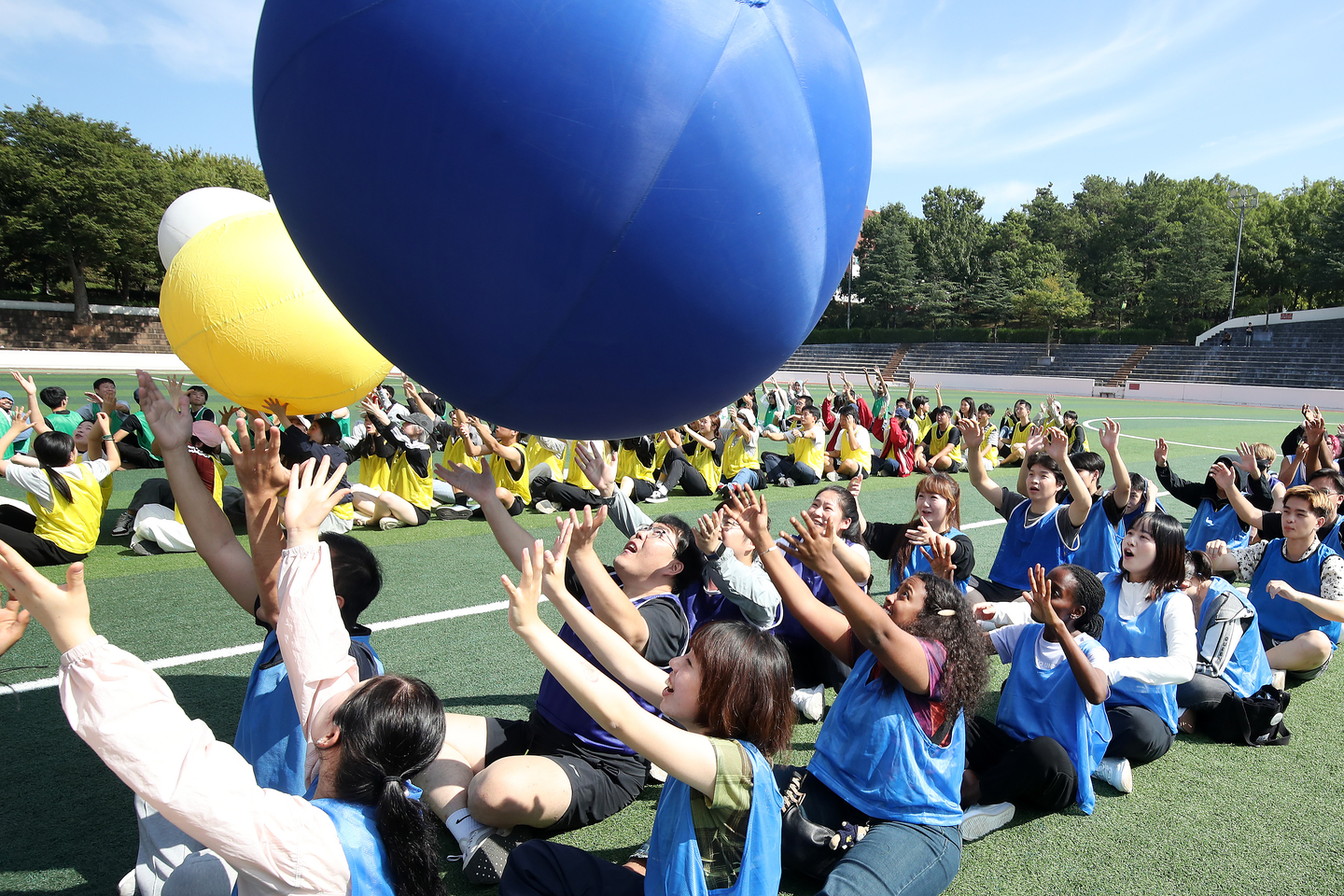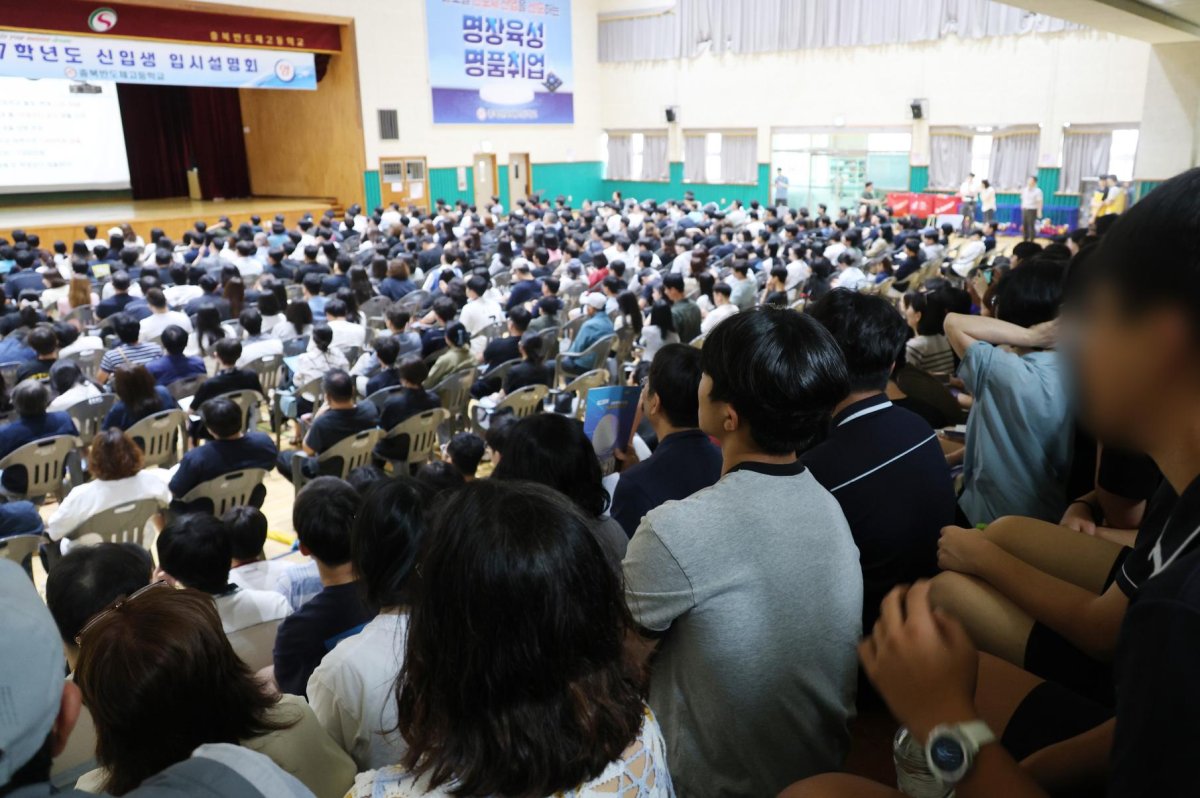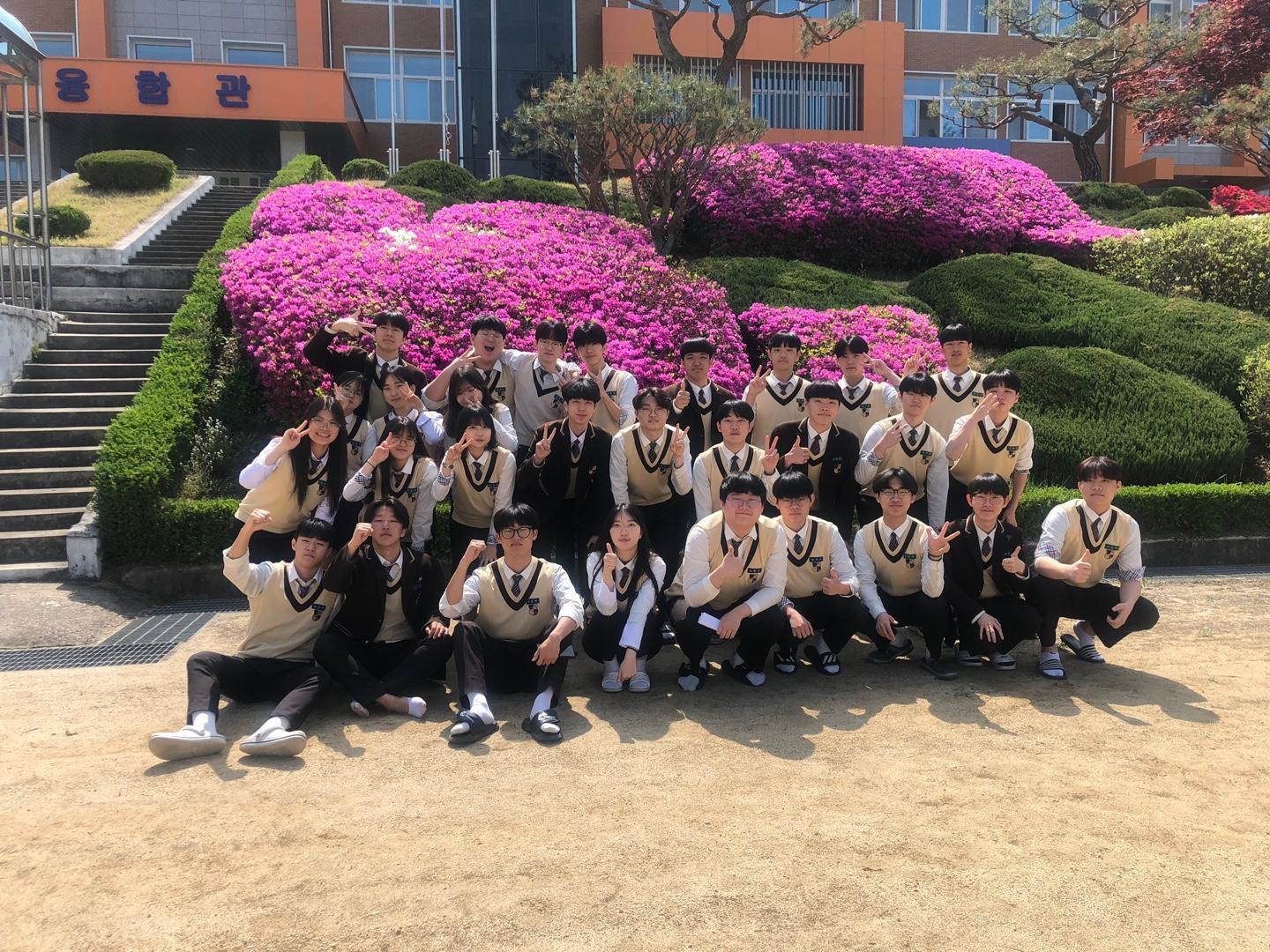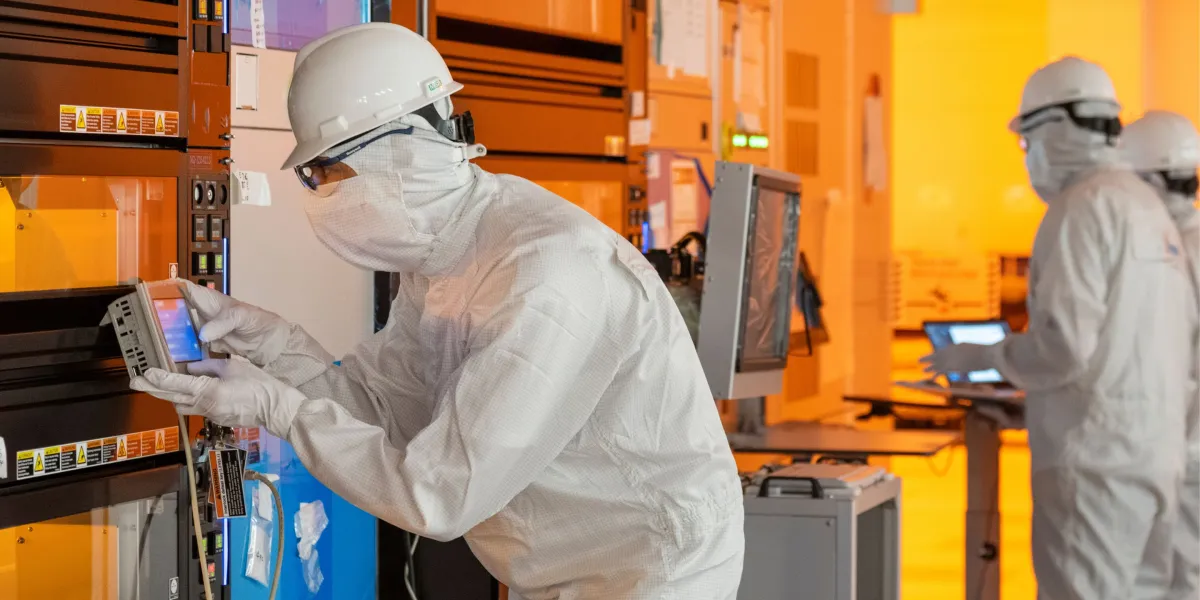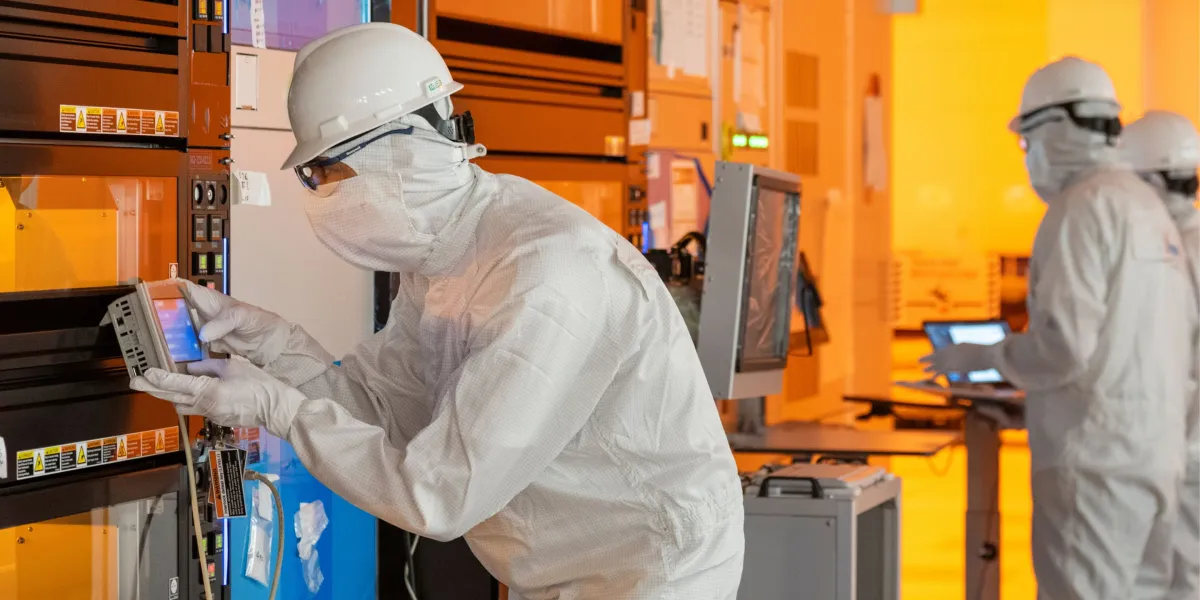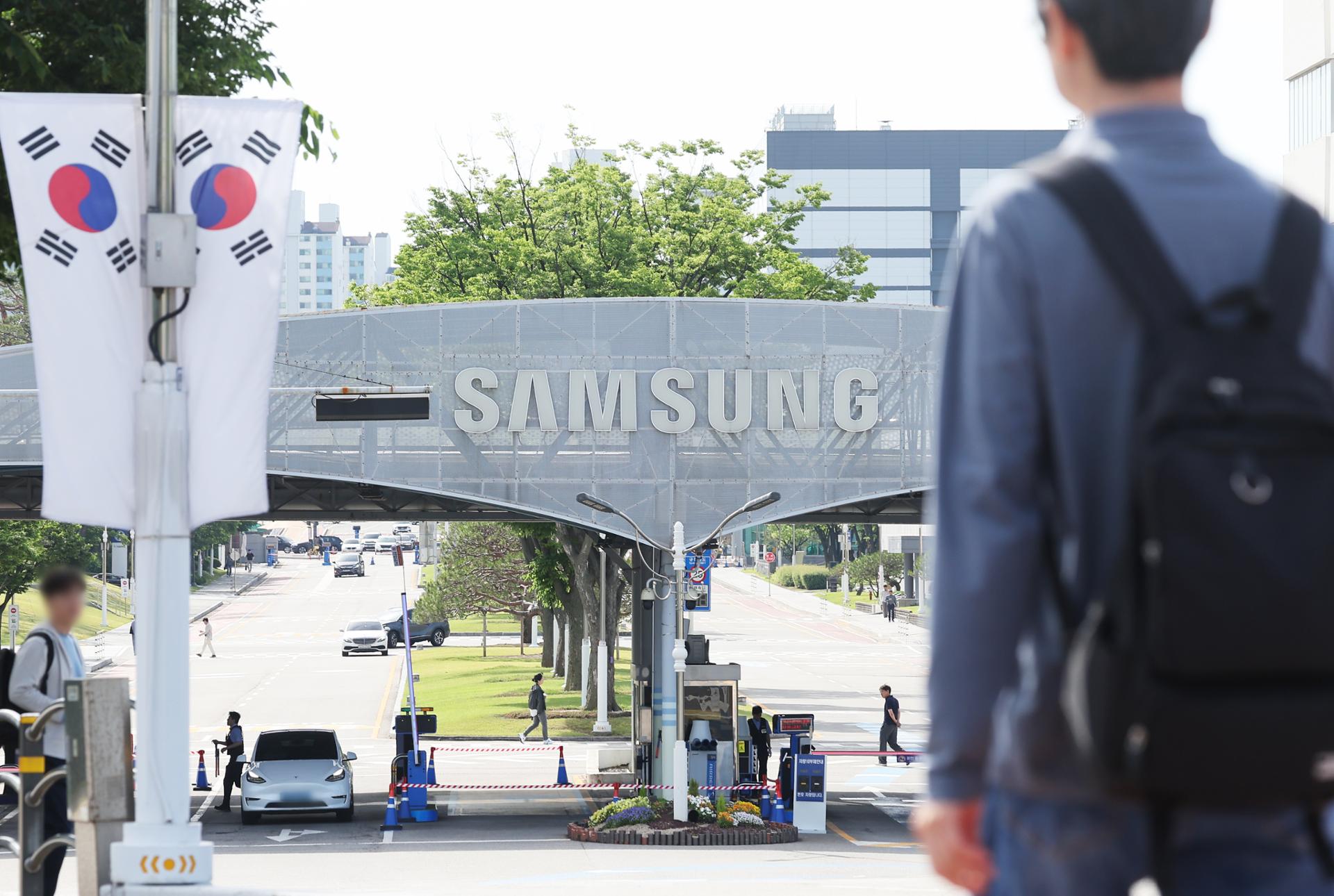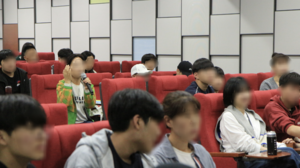
Parents and students attend an admissions information session at the Korea Semiconductor Meister High School in Gyeongju, North Gyeongsang Province, in October 2025. (Korea Semiconductor Meister High School) Admission to a prestigious university is no longer seen as the only path to success for some students in South Korea, as semiconductor-focused high schools gain popularity on the expectation that they can lead directly to jobs at major chipmakers.Korea Semiconductor Meister High School in Gyeongju, North Gyeongsang Province, decided to hold a second admissions information session on June 20 after turnout at the initial session held May 30 exceeded the 120 seats prepared by the school.“More students with strong academic records are showing interest,” a school official told local media outlet Chosun Biz. “Many parents and students are asking about specific career paths after graduation and the outlook for the semiconductor industry.”The school’s freshman admissions for the 2026 academic year recorded a competition ratio of 1.67-to-1, according to education sources Tuesday, up from 0.88-to-1 last year before the school was reorganized to specialize in semiconductors.Chungbuk Semiconductor High School, South Korea’s oldest semiconductor-focused high school, also recorded a competition ratio of 2.26-to-1, up from 1.5-to-1 last year.Registration for admissions information sessions at some schools closed early due to stronger-than-expected demand, prompting some schools to set up waiting lists.Education experts say the growing popularity of semiconductor high schools reflects heightened expectations for jobs at major chipmakers such as Samsung Electronics and SK hynix, whose earnings have surged amid the global AI chip boom.Samsung Electronics’ market capitalization exceeded 2 quadrillion won ($1.32 trillion) for the first time Monday, while Samsung Electronics and SK hynix posted first-quarter operating profits of 57.2 trillion won and 37.6 trillion won, respectively.Discussions over high bonuses for workers at the two firms may have also increased interest among students and parents, experts said.“High-achieving and average-achieving students are considering vocational high schools as a realistic option, as expectations have grown that attending such schools could lead to employment at major conglomerates,” an official at a private academy specializing in admissions consulting said.Vocational high schools in South Korea have also posted high employment rates.More than 73 percent of vocational high school graduates found jobs after graduation, compared with 52.4 percent of graduates from other specialized high schools and 38.2 percent of students in vocational tracks at regular high schools.Korea currently has 58 vocational high schools, four of which specialize in semiconductors. One more semiconductor school is scheduled to open in Seoul in March 2027, while another is set to open in Yongin, Gyeonggi Province, in 2028. Students at the Korea Semiconductor Meister High School pose after a practicum on May 14. (Korea Semiconductor Meister High School)
Forget elite universities. Semiconductor high schools are the new hot ticket
Admission to a prestigious university is no longer seen as the only path to success for some students in South Korea, as semiconductor-focused high schools gain
445 words~2 min read