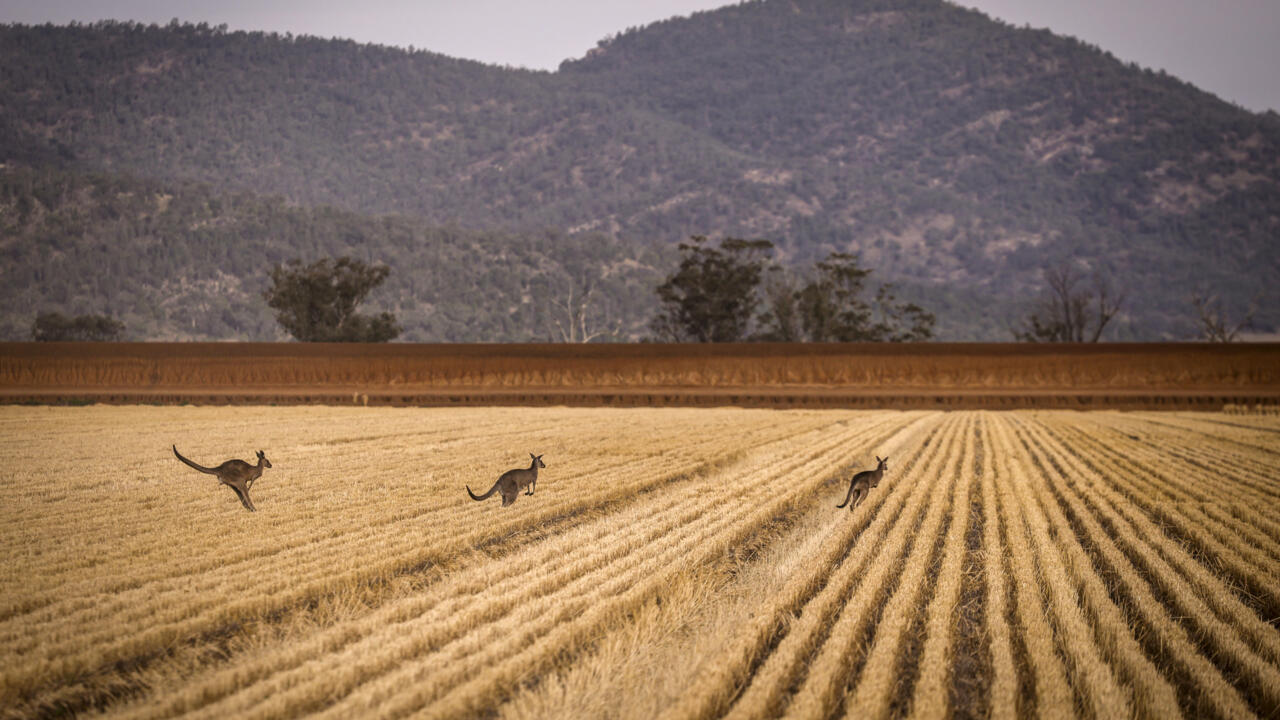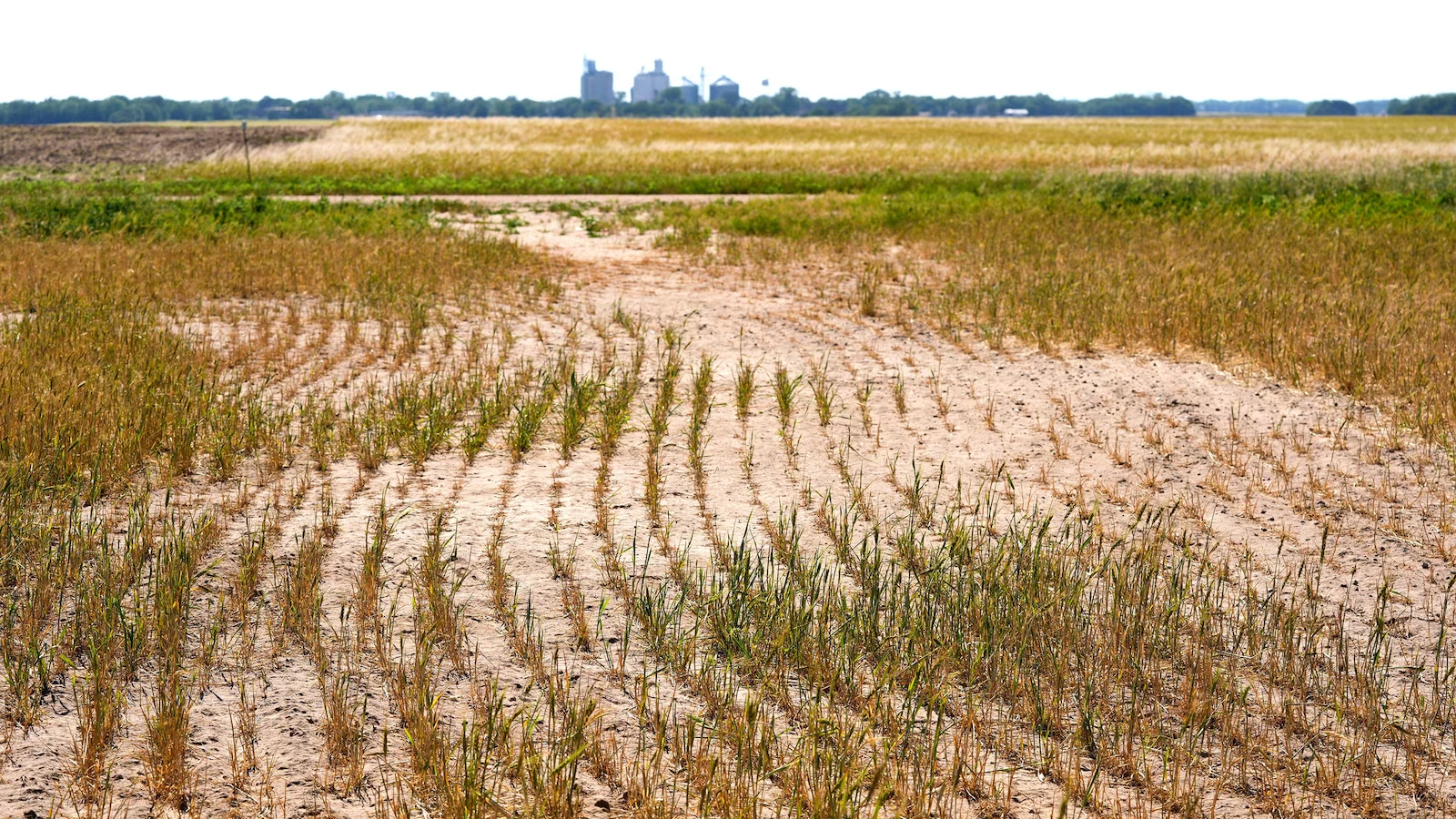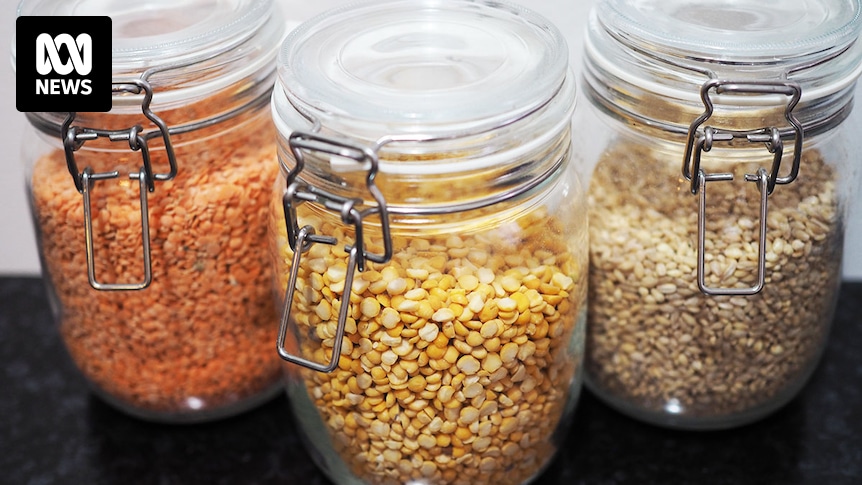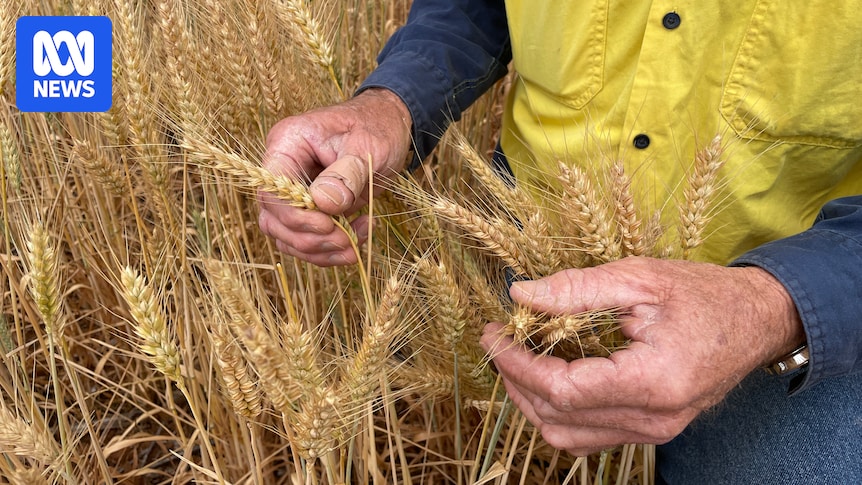
The lingering drought and soaring input costs mean there are tough times ahead for the nation's farmers, according to the latest report from the Australian Bureau of Agricultural and Resource Economics and Sciences (ABARES).Its June quarterly report shows that winter crop production across the nation is forecast to fall by 21 per cent, as the value of agricultural exports shrinks by $7 billion.ABARES executive director David Galeano said farmers would feel the impact."Due to cost pressures, [broadacre] farm-business profits will be down 70 per cent on last year to about $65,000 per farm, and in parts of NSW those falls in profit will be even larger," he said."That area of farms sown to crop in NSW looks like being down by a third."While rain is improving the situation in NSW, it came too late for many growers to plant a winter crop, and the forecast for winter is for drier-than-average conditions.The crop in Queensland could be down as much as 35 per cent."WA and SA did pretty well with rainfall late summer and early autumn and are looking much better in terms of crops like canola and wheat," Mr Galeano said.While production is down in some regions, costs have been rising across the board, and this is expected to reduce profits significantly."But despite the very high fertiliser and fuel prices and a fall in production due to a lack of rain, it is pretty amazing that farm production, although down five per cent, has held up pretty well," Mr Galeano said."The 5 per cent drop in farm production to $98 billion is mainly a cropping story and due to poor seasonal conditions, really, particularly in NSW."Australian farmers have had a run of good seasons since the Black Summer of 2019. However, there is still some concern about conditions for cropping over the next few months, given the forecast for drier-than-average winter conditions.How individual crops are affectedAcross Australia farmers have managed to plant a decent crop, despite the area sown in Queensland and NSW being significantly lower due to drought conditions. (Brett Worthington)The wheat crop, Australia's biggest grain export, is likely to fall by 12 per cent to 10.9 million hectares.That is the smallest area planted since 2019–20 and reflects diminishing margins for wheat relative to other crops, as well as very dry conditions in northern cropping regions.Barley crops will probably increase by 4 per cent to 5.0 million hectares in 2026–27 due to prices being higher for that commodity and barley needing less fertiliser to grow.Canola plantings are forecast to fall by 6 per cent to 3.5 million hectares in 2026–27, with small increases in Western Australia, Victoria and South Australia.ABARES is forecasting a 7 per cent drop in pulse crop plantings, with chickpeas down 35 per cent due to very poor conditions for the crop in northern NSW and Queensland.The area planted to lentils and lupins is forecast to increase, reflecting higher demand for livestock feed and lower fertiliser requirements than other winter crops.Horticulture production value is expected to increase marginally to $18.9 billion, with slightly higher prices more than offsetting lower production volume.The value of cotton production is expected to fall by $763 million, while sugarcane is set to rise by $67 million, and wine grapes are expected to grow by $11 million.Tim Beeck with his wife Cassandra on their property in Gnowangerup in WA. (Supplied: Tim Beeck)WA farmer Tim Beeck says he's not expecting to make any money this year due to the high cost of fuel and fertilisers."I think it's just going to be a year of survival, but we're trying to stay positive mentally and look for the good things on the farm," he said."It's always great seeing crops emerge, new growth, and that's what keeps you going as a farmer, seeing all those rows coming up."cropping conditions
Farm profits to dive by 70 per cent as drought and costs bite
The ABARES report for the June quarter predicts national crop production will fall by more than 20 per cent, with profits down 70 per cent for broadacre farms.
633 words~3 min read