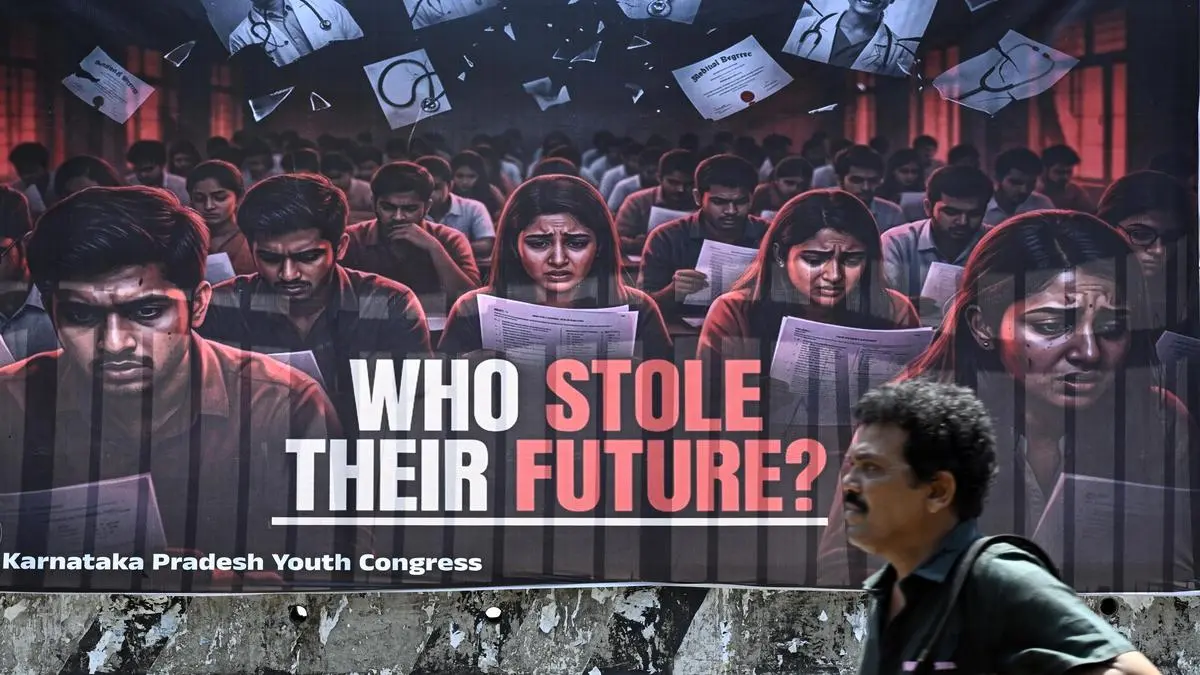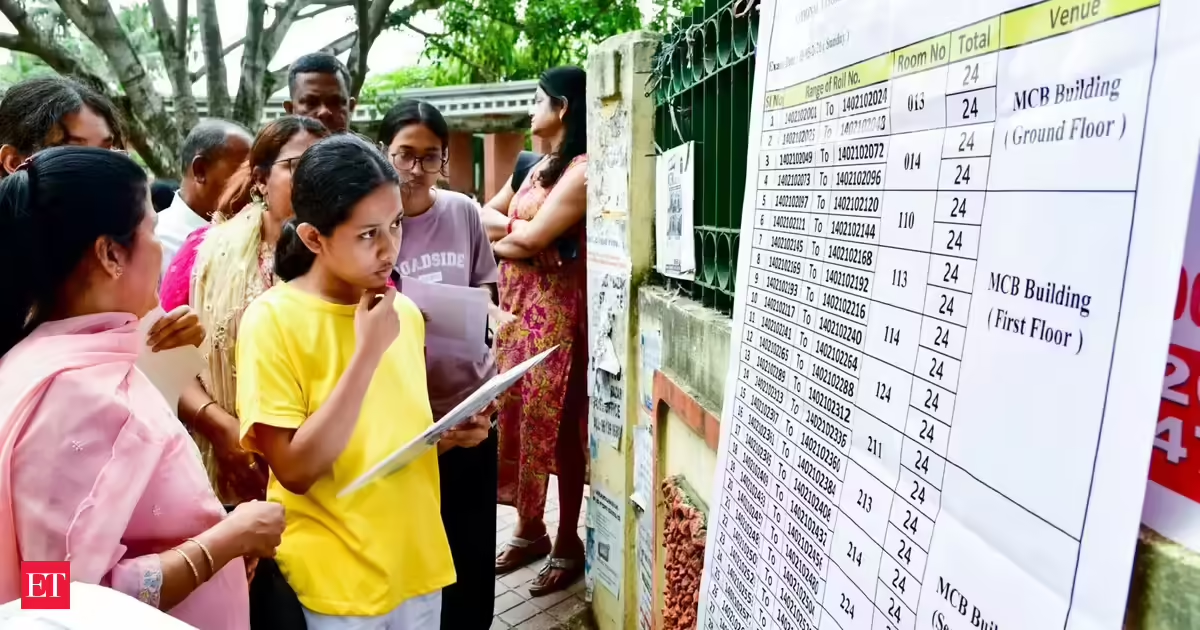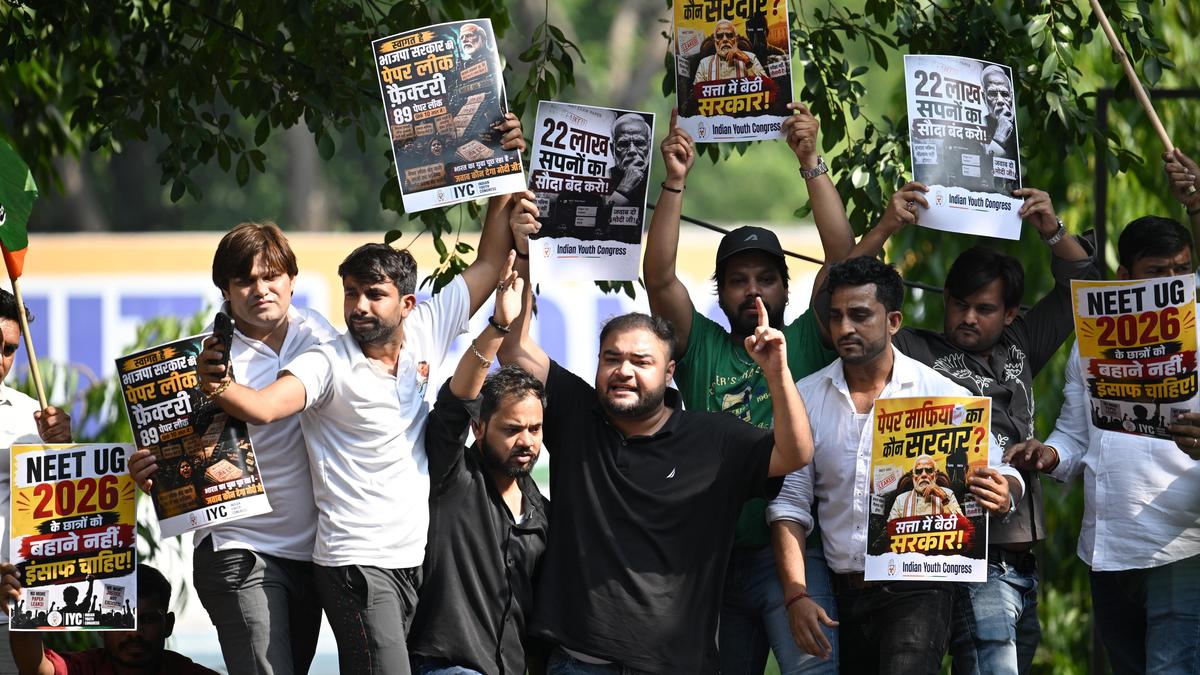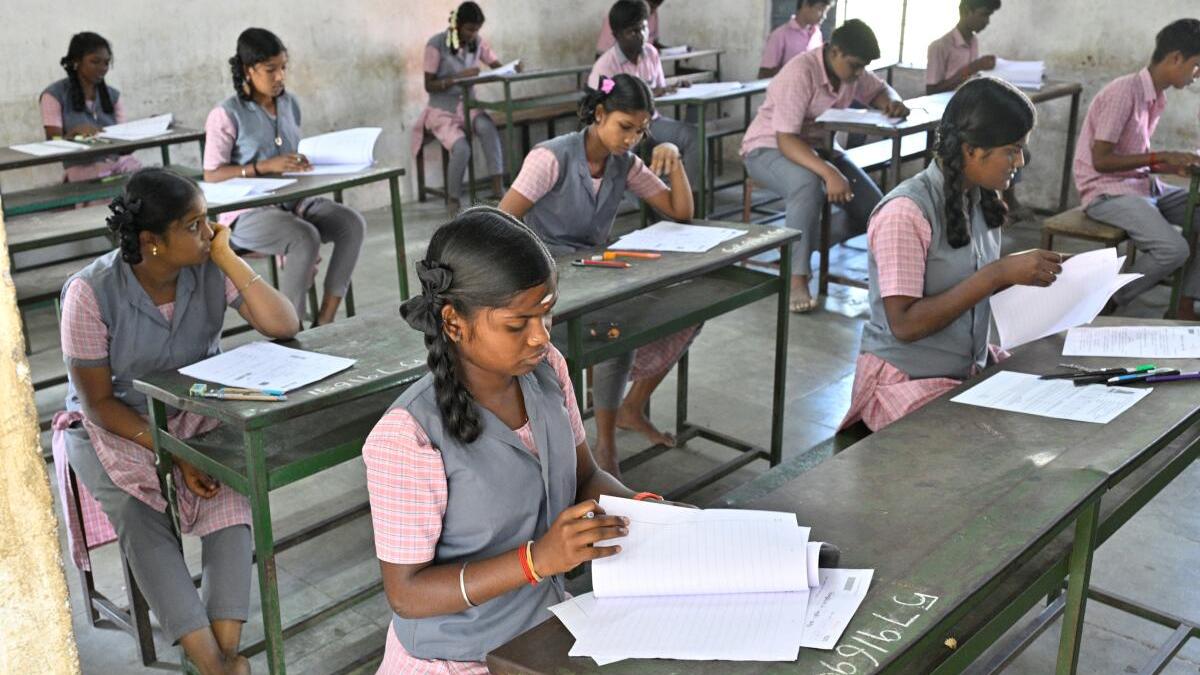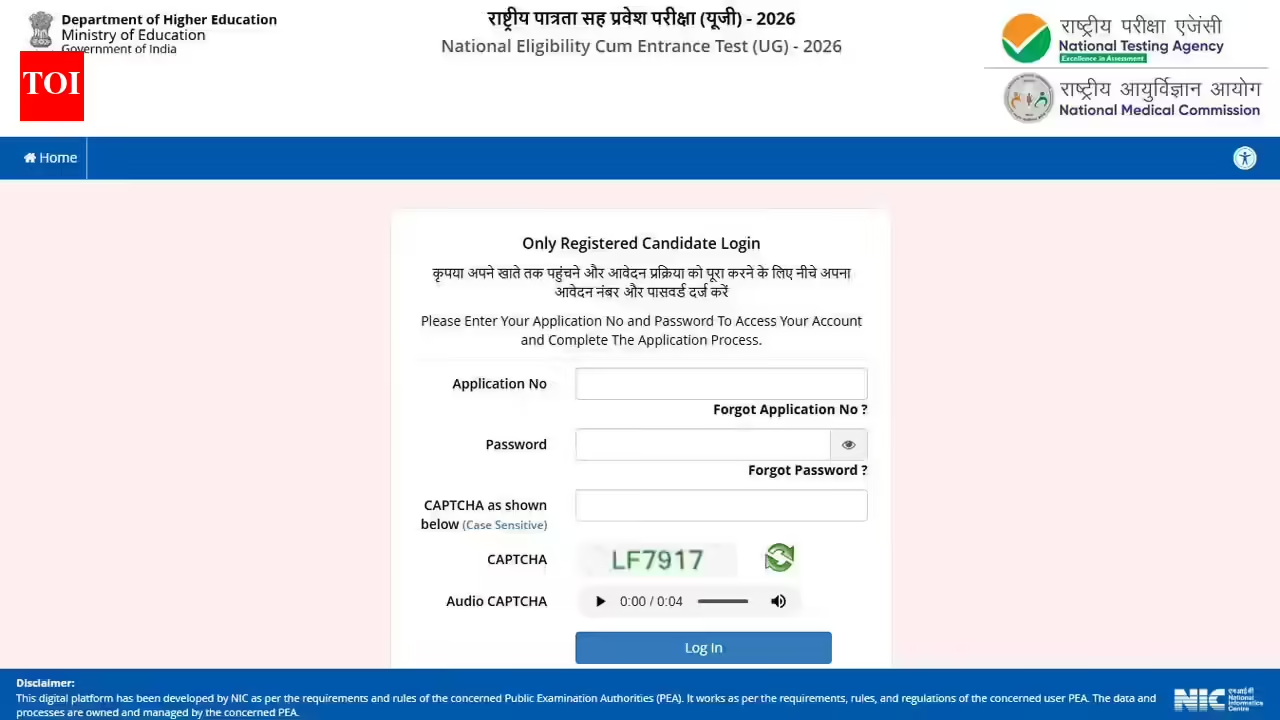
New Delhi: A parliamentary committee examining the functioning of the National Testing Agency (NTA) on Monday reviewed the proposal to shift NEET-UG from pen-and-paper mode to computer-based testing (CBT) from next year, and discussed the alleged paper leak in the 2026 medical entrance examination, with officials assuring the panel that the June 21 retest will be conducted without any glitches, people aware of the matter said.Parliamentary panel assured of glitch-free NEET retest on June 21Later in the day, Congress leaders rejected media reports claiming that the panel, headed by party MP Digvijaya Singh, had given a “clean chit” to the Prime Minister Narendra Modi-led government over the NEET controversy.The 31-member Parliamentary Standing Committee on Education, Women, Children, Youth and Sports met officials of the NTA as well as the ministries of education and health to discuss the future of NEET-UG and broader examination reforms.In the meeting, NTA officials presented a comparative assessment of pen-and-paper testing and CBT before the committee, highlighting the positives and negatives of both modes of exams, the people cited above said.Officials argued that the pen-and-paper format remains accessible across the country and allows all candidates to take a single examination simultaneously without requiring score normalisation. However, they also pointed at vulnerabilities linked to printing, transportation and storage of question papers, and the possibility of physical malpractice, the people said.On CBT, officials said digital examinations eliminate the physical paper supply chain, allow encrypted delivery of question papers and faster result processing, and can support more advanced assessment formats. However, they flagged concerns related to technical failures, cyber-security risks and the need to conduct examinations across multiple shifts, requiring normalisation of scores, the people added.Officials also briefed the panel on the alleged NEET-UG 2026 paper leak, being probed by CBI. NTA officials assured the committee that extensive safeguards were being put in place for the June 21 re-test and that the examination in the pen-and-paper format will be conducted smoothly, the people said.Meanwhile, the United Doctors Front (UDF), a doctors’ outfit invited to the meeting, alleged that its representatives were not allowed to make a presentation before the panel, but its memorandum was accepted by panel chief Digvijaya Singh.“It is unfortunate that an organisation representing the concerns of young doctors and medical aspirants across the country was not given an opportunity to present its views before the Committee despite being formally invited,” said Dr Lakshya Mittal, chairperson, United Doctors Front.After the meeting, Congress general secretary Jairam Ramesh dismissed reports suggesting that the panel had endorsed the government’s handling of the examination controversy.“The Standing Committee on Education has given no clean chit to the Prime Minister or his ‘system’ and Digvijaya Singh did not express his confidence in them,” Ramesh said in a post on X.Singh said discussions in parliamentary standing committee cannot be disclosed before the panel’s report is tabled in Parliament. He, however, added that panel members were united in seeking improvements in the examination system and that the concerns relating to NEET were being examined beyond party lines.
Parliamentary panel assured of glitch-free NEET retest on June 21
A parliamentary committee reviewed shifting NEET-UG to computer-based testing amid concerns over a 2026 paper leak, assuring a smooth June 21 retest. | India News
TL;DRAI
India's parliamentary committee backed a plan to shift NEET entrance exams from pen-and-paper to computer-based testing after a 2026 paper leak exposed print-chain vulnerabilities. For tech infrastructure leaders, the move underscores the tension between digital security (encrypted delivery, cyber-resilience) and operational complexity (score normalization across shifts, regional access constraints).
502 words~2 min read