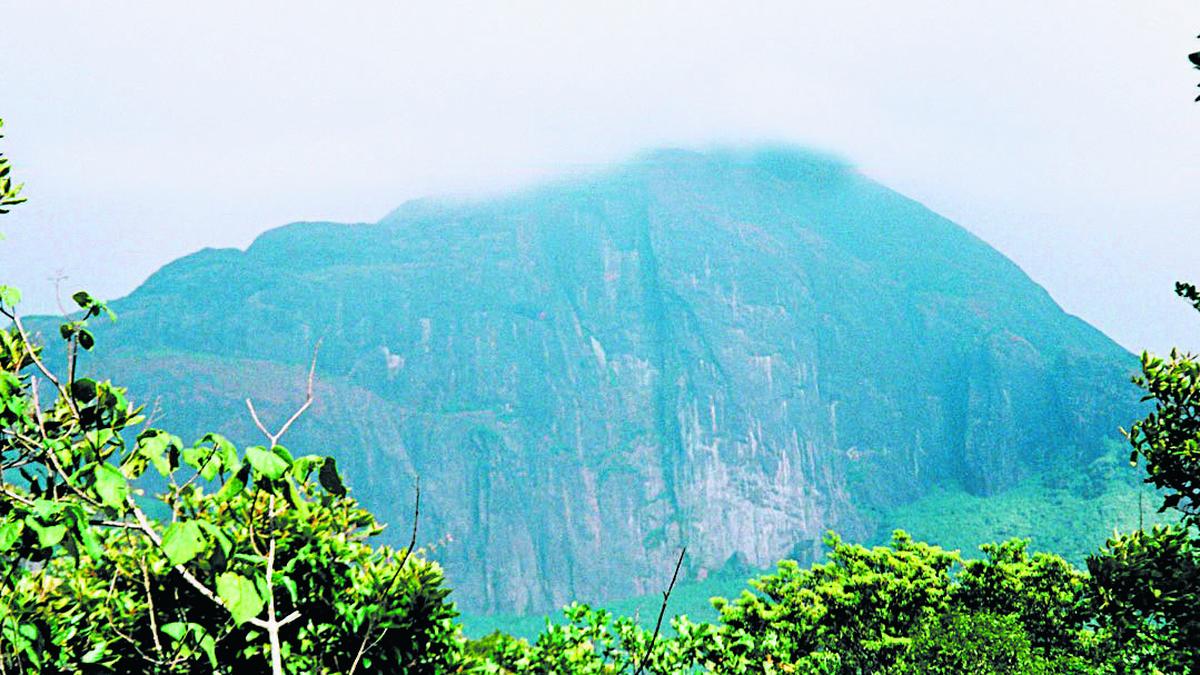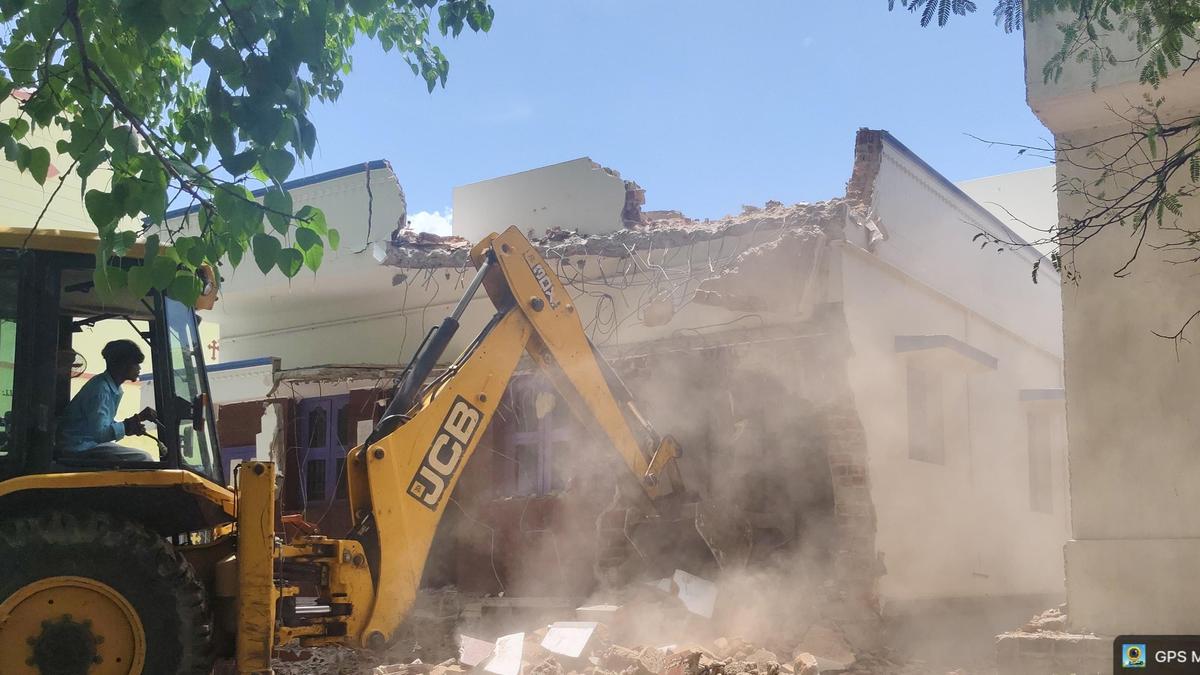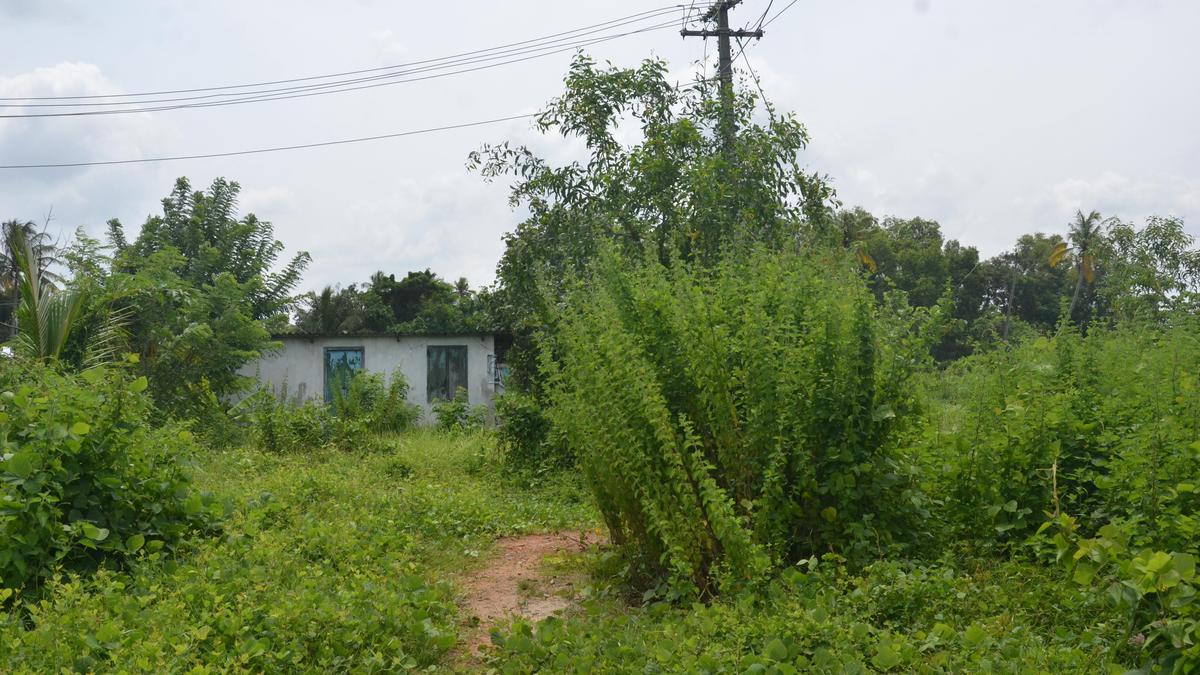
The Supreme Court has ordered the immediate removal of encroachers and demolition of illegal structures across the ecologically sensitive Agasthyamalai landscape in South India, directing stringent disciplinary, penal and criminal action against officials who facilitated or permitted unlawful infrastructure inside forest areas and warning that paramilitary forces may be deployed if state authorities fail to enforce its directions.The Agasthyamalai landscape is a biodiversity-rich forested region spanning parts of Tamil Nadu and Kerala, comprising several protected areas including tiger reserves and wildlife sanctuaries in the southern Western Ghats. (Shutterstock)The Agasthyamalai landscape is a biodiversity-rich forested region spanning parts of Tamil Nadu and Kerala, comprising several protected areas including tiger reserves and wildlife sanctuaries in the southern Western Ghats.A bench of justices Vikram Nath and Sandeep Mehta issued a comprehensive set of directions covering the Agasthyamalai Biosphere Reserve, including the Periyar Tiger Reserve, Srivilliputhur-Megamalai Tiger Reserve, Kalakkad-Mundanthurai Tiger Reserve, Kanyakumari Wildlife Sanctuary, Srivilliputhur Grizzled Squirrel Wildlife Sanctuary, Meghamalai Wildlife Sanctuary and Thirunelveli Wildlife Sanctuary, observing that decades of inaction had allowed encroachments, illegal constructions and habitat degradation to proliferate in one of India’s most significant biodiversity hotspots.“The present proceedings concern not merely questions of regulatory compliance or administrative accountability, but strike at the very heart of environmental governance and the constitutional obligation of the State to preserve and protect ecologically sensitive regions, fragile ecosystems, and critically endangered wildlife for the benefit of present and future generations,” stated the bench, in its order released on May 30.The court directed the preparation of a time-bound, division-wise encroachment eviction plan with clearly defined timelines, measurable milestones and designated officer-level responsibilities. The plan, to be placed before the Central Empowered Committee (CEC), a statutory body set up by the court to deal with environmental issues, within a month, must include physical eviction of encroachers, rehabilitation measures wherever applicable, legal action against violators and post-eviction ecological restoration to prevent reclaimed forest land from being reoccupied.Rajesh Ravindran, Principal Chief Conservator of Forests for Kerala, told HT that while he is aware of the encroachment case, he has not yet read the latest Supreme Court verdict on it.“I am yet to read the Supreme Court’s verdict. But regardless, we are duty-bound to follow the judgment in letter and in spirit,” Ravindran said.He added that the Central Empowered Committee (CEC), instituted by the Supreme Court, had visited Kerala and Tamil Nadu for field visits and had posed queries to the state forest department.“We answered all their queries. The CEC, I believe, has reported that there are marginal encroachments in reserves such as the Periyar Tiger Reserve in Kerala. We will certainly examine the Supreme Court order,” he said.In one of its strongest directions, the bench ordered that all illegal resorts, commercial establishments and tourism-related infrastructure operating within the Megamalai area and other forest lands be rendered non-operational immediately and dismantled in accordance with law. It further directed disconnection of all electricity connections and unauthorised transmission lines servicing such encroachments.The court also ordered that all government establishments, facilities and unauthorised infrastructure situated inside forest areas, including within the Srivilliputhur-Megamalai Tiger Reserve, be discontinued, relocated, dismantled and removed from forest land within six months.Taking serious note of the role of public authorities in facilitating violations, the bench directed that “stringent disciplinary, penal, and criminal action” be proposed against all officials, officers and heads of departments who commenced, facilitated, approved or permitted illegal infrastructure works in forest areas, particularly within the Meghamalai Wildlife Sanctuary and the broader Agasthyamalai Biosphere. A comprehensive status report on such action is to be filed before the CEC within three months.The court also took note of a particularly troubling finding in the CEC report that among the identified encroachers in the Srivilliputhur-Megamalai Tiger Reserve were 118 serving and retired government employees.“Disciplinary and legal action shall be initiated against all identified 118 Government servants found to be encroachers, in accordance with Rule 3 of the Tamil Nadu Government Servants’ Conduct Rules, 1973 and other applicable laws. We further direct that the state government shall consider imposing additional penalties on all present and former Government employees found to be encroachers, and require such persons to deposit appropriate environmental restitution and restoration charges with the Tamil Nadu State Compensatory Afforestation Fund Management and Planning Authority (CAMPA),” ordered the court.The judgment came after the court examined reports of CEC documenting extensive encroachments, illegal constructions and inadequate enforcement measures across protected forest areas. The reports revealed that more than 4,600 encroachers occupy over 5,000 hectares of forest land in the Srivilliputhur-Megamalai Tiger Reserve alone, while 116 government and public utility structures have been constructed inside forest areas without statutory approval. CEC also identified 118 serving or retired government employees among the encroachers.The bench observed that encroachments in the protected areas of the Agasthyamalai landscape had persisted for decades despite repeated directions from the Madras High Court, orders of the Supreme Court and recommendations of expert bodies. It noted that government amenities and welfare schemes continued to be extended to encroachers, while enforcement efforts remained inadequate.Describing the issue as one going to the heart of environmental governance, the court said the proceedings concerned the constitutional obligation of the State to preserve ecologically sensitive regions, fragile ecosystems and critically endangered wildlife for future generations.While acknowledging that many encroachers are economically vulnerable and that rehabilitation presents genuine humanitarian challenges, the bench stressed that such concerns cannot justify indefinite postponement of legally mandated eviction and restoration measures. “The obligation to provide adequate rehabilitation is a legitimate and important one, but it must be discharged in tandem with, and not as a substitute for, the discharge of environmental obligations,” it held.To ensure strict compliance, the court directed monthly compliance reports by the concerned states and quarterly verification reports by CEC. It further held that if the state government fails to implement the directions, CEC would be at liberty to recommend deployment of paramilitary forces to assist in the removal of encroachments.The bench posted the matter for further monitoring on September 1, 2026, directing CEC to submit a fresh status report before then.
Supreme Court orders sweeping clean-up of Agasthyamalai landscape
The court directed stringent disciplinary, penal and criminal action against officials who facilitated or permitted unlawful infrastructure inside forest areas and warning that paramilitary forces may be deployed if state authorities fail to enforce its directions. | India News
1,004 words~5 min read