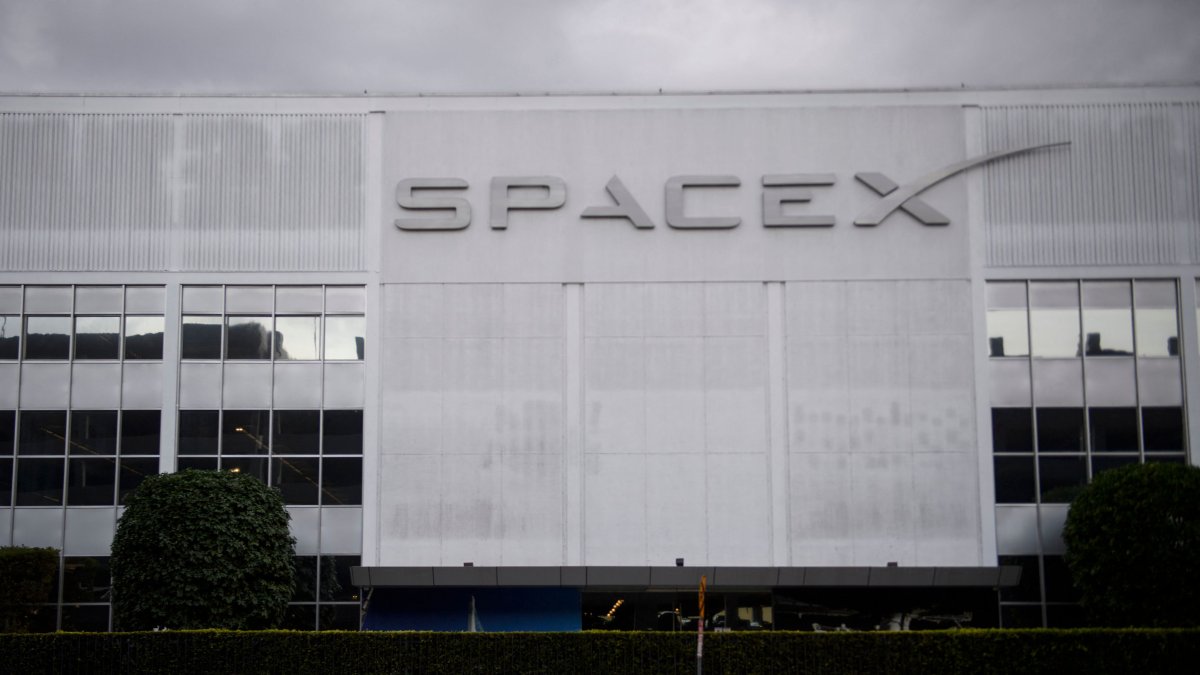
In the early months of 2020, as a terrestrial pandemic forced humanity behind closed doors and onto digital networks, a quiet revolution was being plotted in the high-density environment of SpaceX’s headquarters in Hawthorne, California. While the world looked down at glowing screens, Elon Musk and a select group of orbital mechanics, RF engineers, and propulsion specialists were looking up. They were preparing to wage a war against the most unforgiving adversary in the universe: the speed of light.
For decades, global telecommunications had accepted a fundamental compromise. If you wanted global coverage, you had to place satellites in Geostationary Earth Orbit (GEO)—a silent, distant graveyard of machinery hanging 35,786 kilometers above the equator. But at that distance, the laws of physics imposed a brutal tax. Even traveling at the speed of light (
c≈299,792c \approx 299,792
kilometers per second), a radio signal took a quarter of a second to make the round trip. For the modern interactive internet—where high-frequency trading algorithms measure success in microseconds, and real-time remote surgery demands instantaneous feedback—this delay was an absolute, structural barrier.
(This article is derived from THE ELON MUSK CHRONICLES)