Currently, only residents from certain countries and US states can opt out of certain Tracking Technologies through our Consent Management Platform. Additional options regarding these technologies may be available on your device, browser, or through industry options like AdChoices. Please see our Privacy Policy for more information.
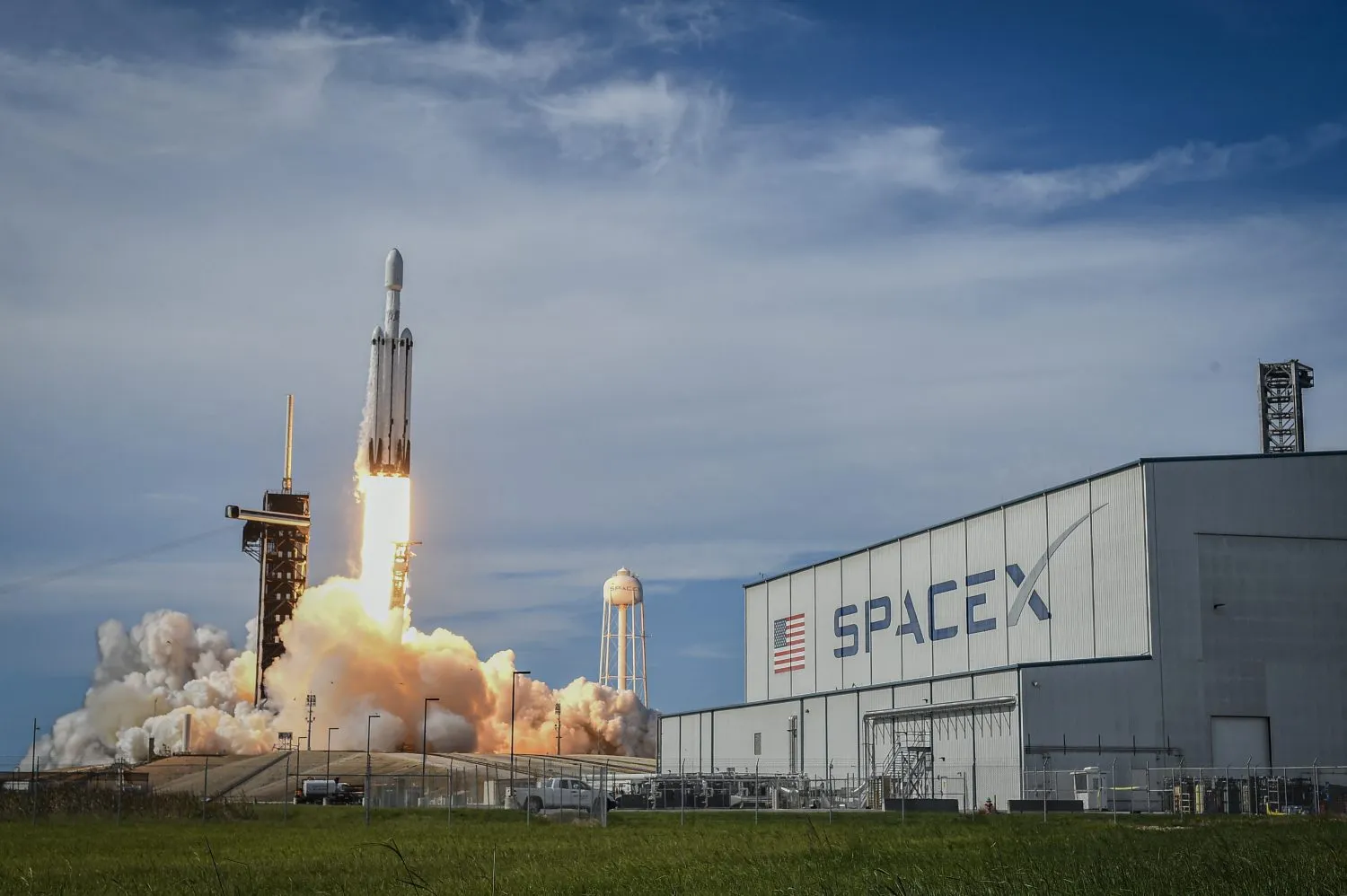
JUST OFF THE Jimmy Buffett Memorial Highway, the hotel’s rooftop bar is open late. The bartender passes out shots and turns Ozzy up. It’s 11:37 pm on a hot July night in Cape Canaveral, Florida, when our heads all swivel in the same direction. A SpaceX Falcon 9 rocket takes off, its orange plume glowing bright, about 12 miles due north up the Banana River. The “Iron Man” riff starts to blast.
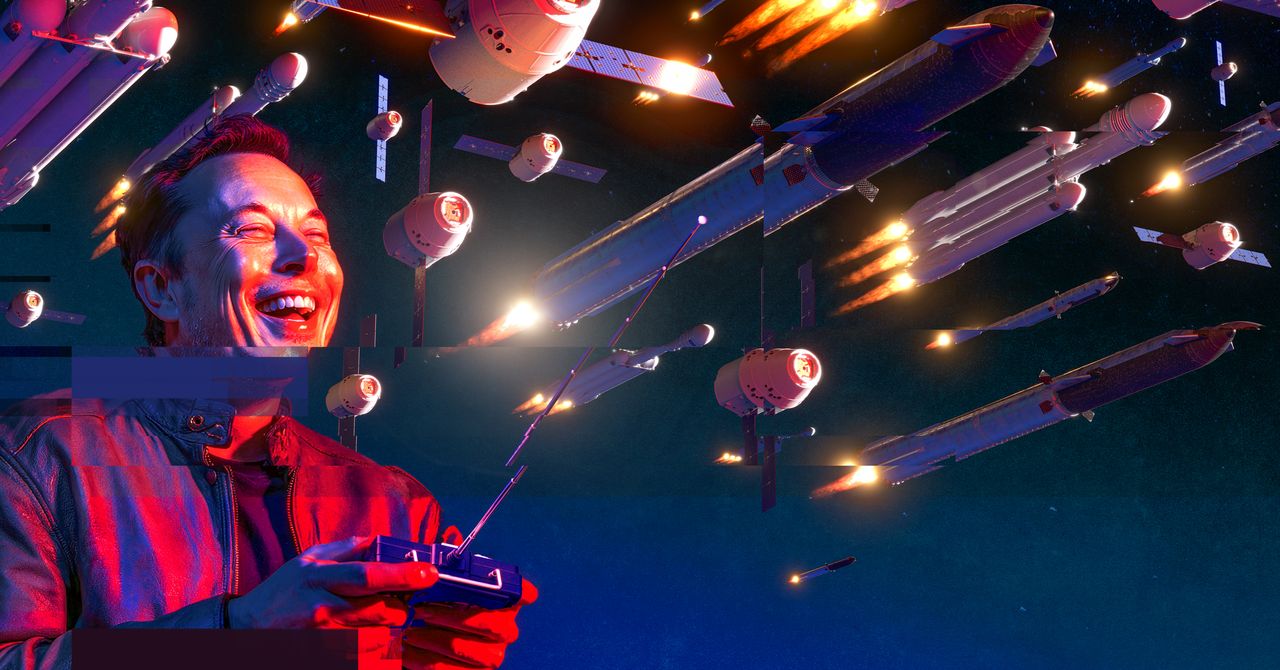
It’s fun for the couple dozen of us there. When we hear the thud of the sonic boom, most everyone lets out some kind of hoot. But for Elon Musk, it’s just another Tuesday. This is SpaceX’s 95th launch of the year, one nearly every other day. That’s more liftoffs than the rest of the world gets into space, combined.
For our politics issue, WIRED examines the state of tech’s influence on governmental power—and the people who will change everything in the future.
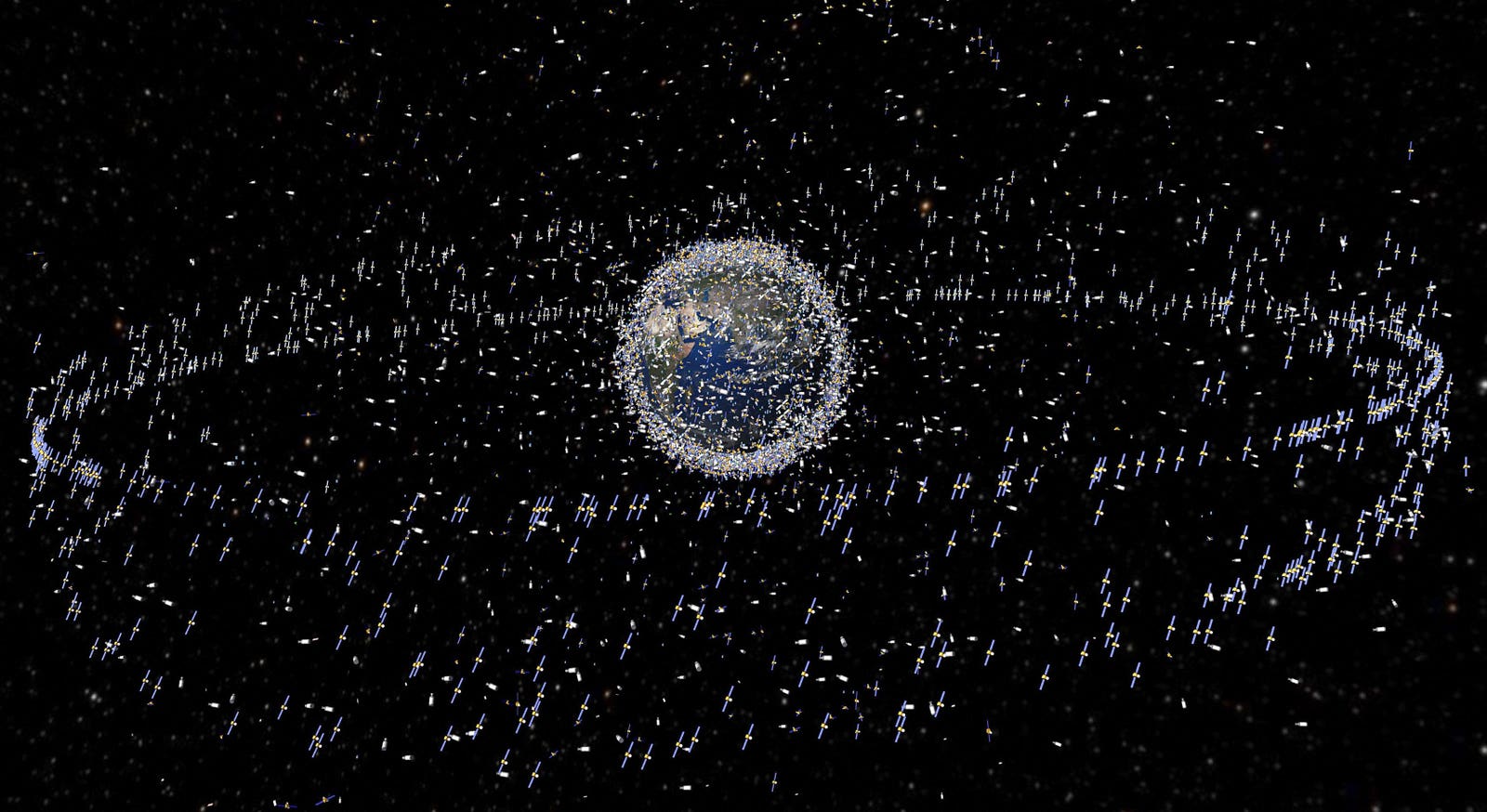
On this particular night, this Falcon 9 took 28 Starlink internet satellites to orbit. Starlink, of course, is another Musk space venture that dominates its competitors. His constellation has more than 8,000 satellites; its closest competitor, Eutelsat’s OneWeb, has about 630 satellites, each supplying less than 1/10th the bandwidth of a Starlink. Amazon is going all in on its own service, called Project Kuiper and led by SpaceX’s former satellite chief. The terms of Kuiper’s license from the feds require it to get 1,600 satellites into orbit by the middle of next year. So far, the Amazon constellation has 102.