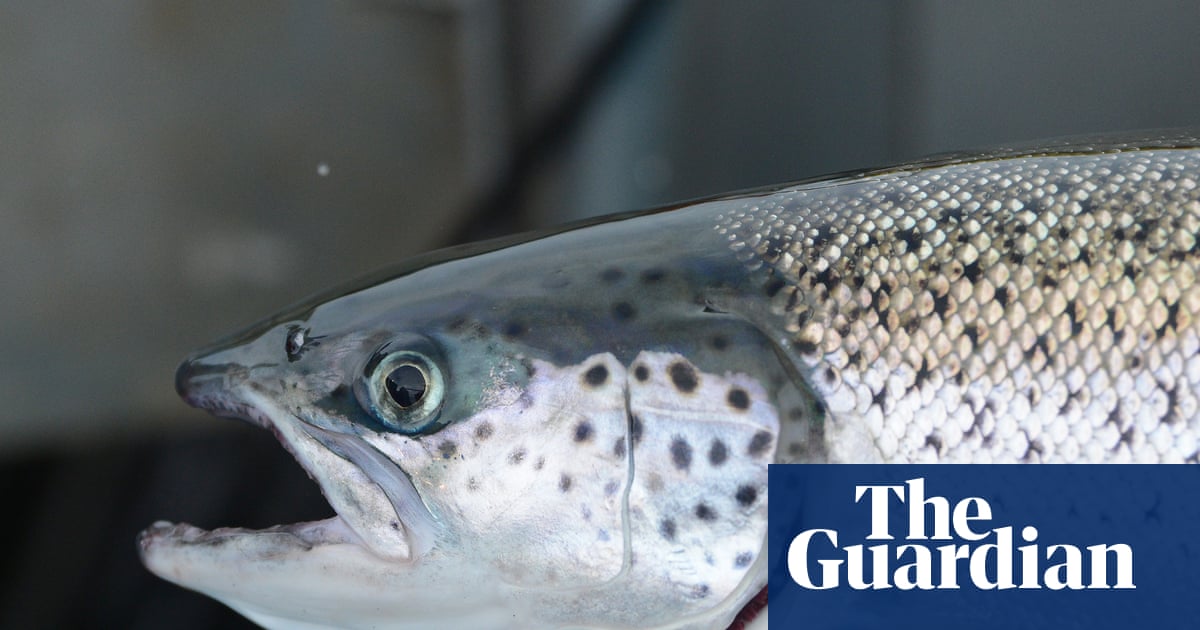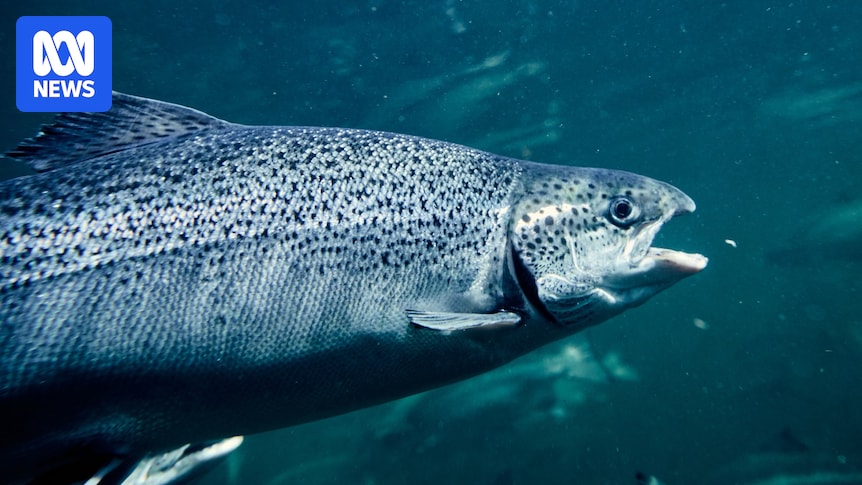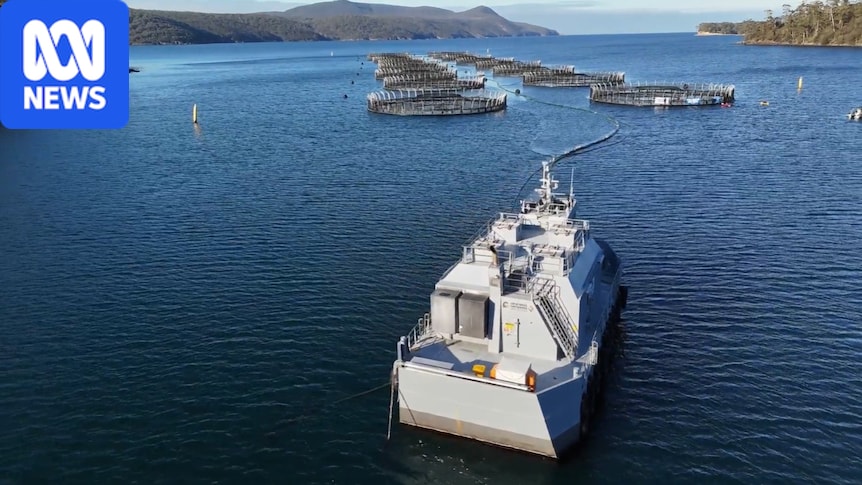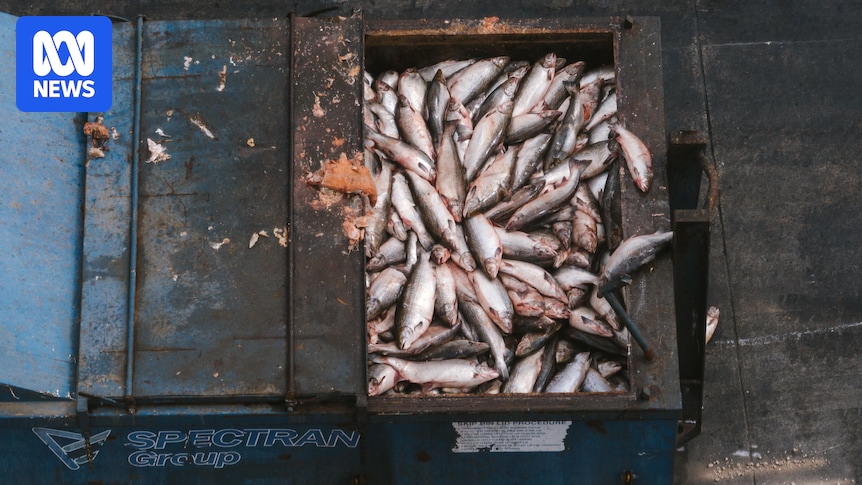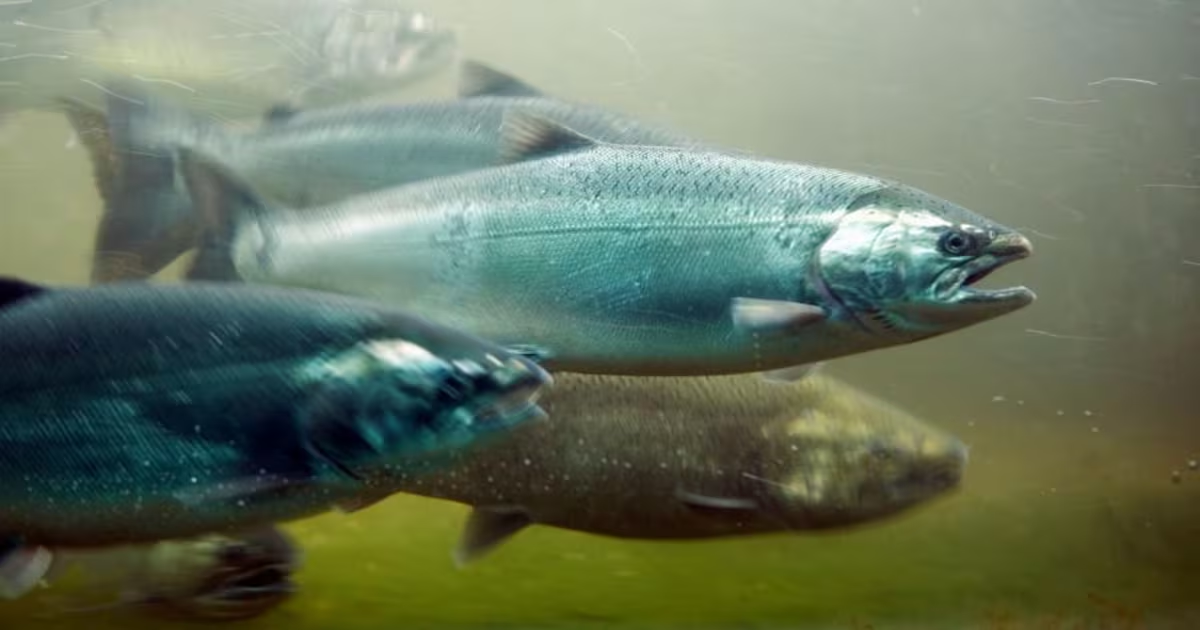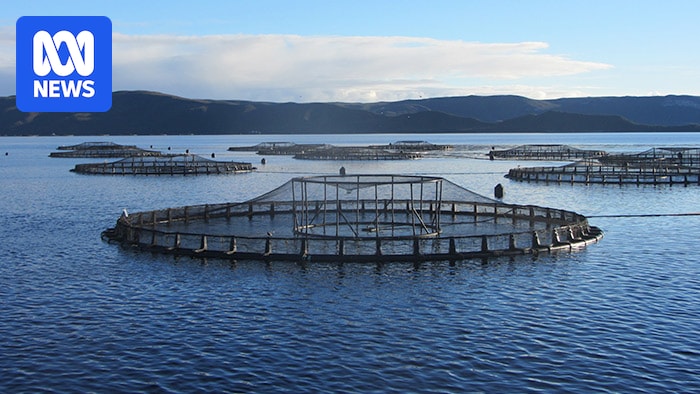
A "low-level" amount of an antibiotic used to treat farmed salmon in south-east Tasmanian waters was found in wild seafood 14 kilometres away from where it was administered, Tasmania's Natural Resources and Envrionment Department has confirmed."The detection was within an area already subject to a temporary precautionary closure, established in consultation with the seafood industry," an NRE spokesperson said.The salmon industry was granted an emergency permit in November last year to use florfenicol.The permit was suspended in March after testing found traces of the antibiotic in wild fish, abalone and rock lobsters 10.6 kilometres away from salmon pens, causing concerns in the seafood export industry.Independent Franklin MHA Peter George questioned Premier Jeremy Rockliff about the detection 14km from a treatment site during budget estimates hearings yesterday morning.Mr Rockliff did not confirm the detection, but it was confirmed by the department yesterday evening.Mr George said the public had a right to know about the latest testing results."It needs to be recognised that the export market demands no traces of any form of florfenicol or antibiotics in the flesh of the shellfish that are exported and which are extremely valuable to Tasmania," Mr George said."And what this means is that the interest of rock lobster fisheries, the interest of abalone fisheries, let alone the interest of anybody who uses our waterways, have been subsumed by the demands of the salmon industry."Peter George says the public should be told about florfenicol test results. (ABC News: Ebony ten Broeke)Mr Rockliff told the budget estimates committee that while his views and Mr George's views "differ in certain areas when it comes to the salmon industry" they "would be of like mind when it comes to ensuring sustainability and transparency with respect to inputs into the industry".The use of florfenicol over summer was in response to a mass mortality event between January and March last year when more than 13,500 tonnes of fish died from a bacterial disease.Florfenicol was used at nine salmon farming leases in south-eastern Tasmanian waters, and more than 2.7 tonnes of antibiotics were used at one salmon farm lease in two months.Despite the use of the antibiotic this summer, 9,000 tonnes of fish died in the same period.Between January and March last year, 13,500 fish died during a mass mortality event. (Supplied: Bob Brown Foundation)Testing focuses on trade and environmental impactsTesting has been done by both the Environment Protection Authority (EPA), in relation to the environmental impact of the antibiotic's use and NRE, which is focused on the trade impacts.According to NRE, domestic and overseas seafood markets have "extremely conservative or zero tolerance limits for florfenicol residues in non-salmon species".The department has said that while concentrations detected so far are "extremely low and do not represent food safety concern", even trace detections could mean certain products would not be accepted by some markets.The department has temporarily closed some commercial wild fisheries near salmon farms where the fish had been treated with florfenicol as a precautionary measure.The department said it had "communicated" the detection 14km from the treatment site to the seafood industry."Tasmanian seafood consistently meets all relevant regulatory standards," the spokesperson said."The Department of Natural Resources and Environment Tasmania will continue to work with the seafood industry regarding the management settings that are in place for these areas."The EPA on May 21 released its environmental risk assessment of florfenicol use, which was based on 4,240 laboratory results from the collection of samples of water and sediment.The EPA said the samples were taken at different depths, locations and distances from fish farms."Based on all of the evidence, the EPA found the use of florfenicol during the 2025–2026 treatment period posed a low risk of unacceptable harm to marine ecosystems."This result applies to marine plants and animals but does not include bacteria," the authority said.
Antibiotic used by salmon farm detected 14 kilometres from treatment site
Tasmania's Natural Resources and Environment Department has confirmed the antibiotic florfenicol was detected at a 'low level' in wild seafood 14 kilometres from where the drug was administered.
TL;DRAI
Florfenicol antibiotic from Tasmanian salmon farms detected 14 km beyond treatment zones in wild seafood; concentrations low but export markets demand zero tolerance. Contamination forces supply-chain resets and reveals critical aquaculture containment system failures.
631 words~3 min read