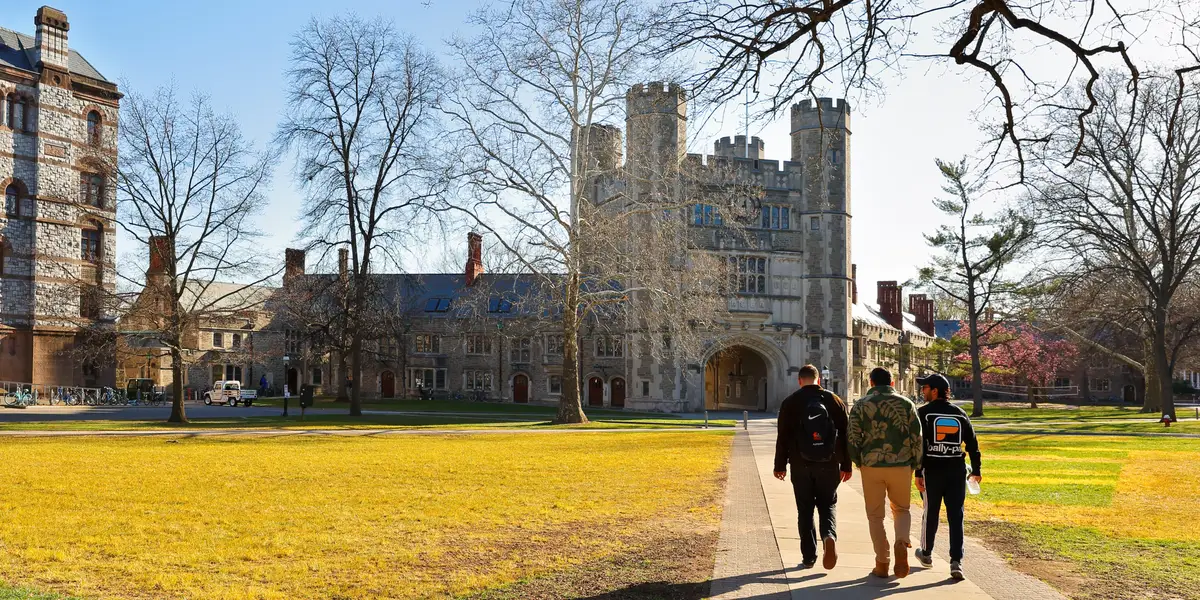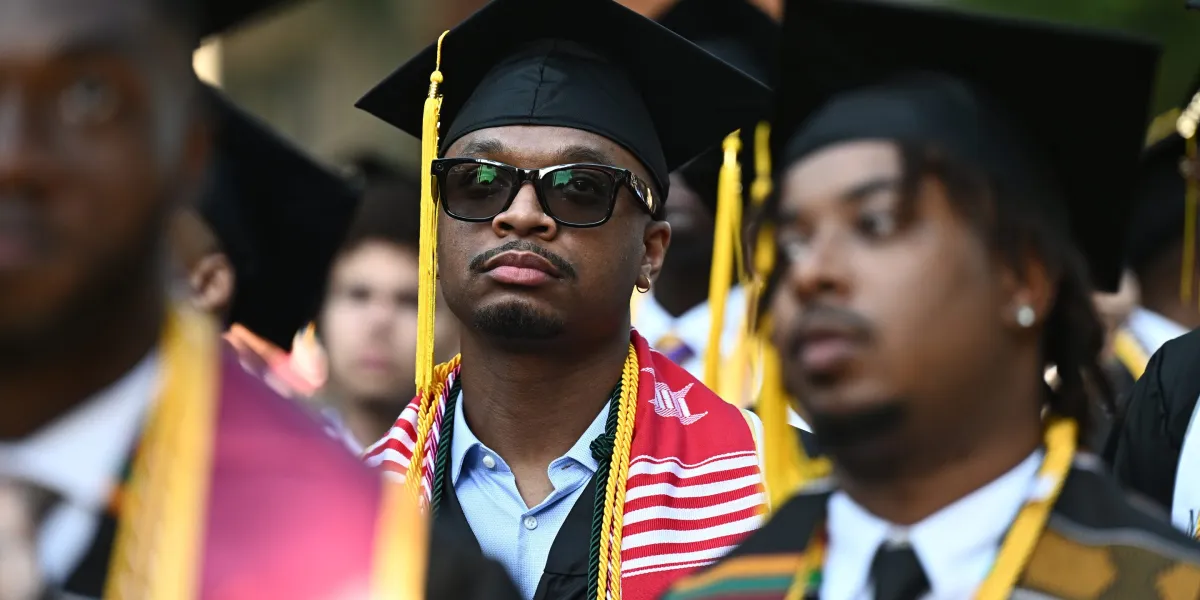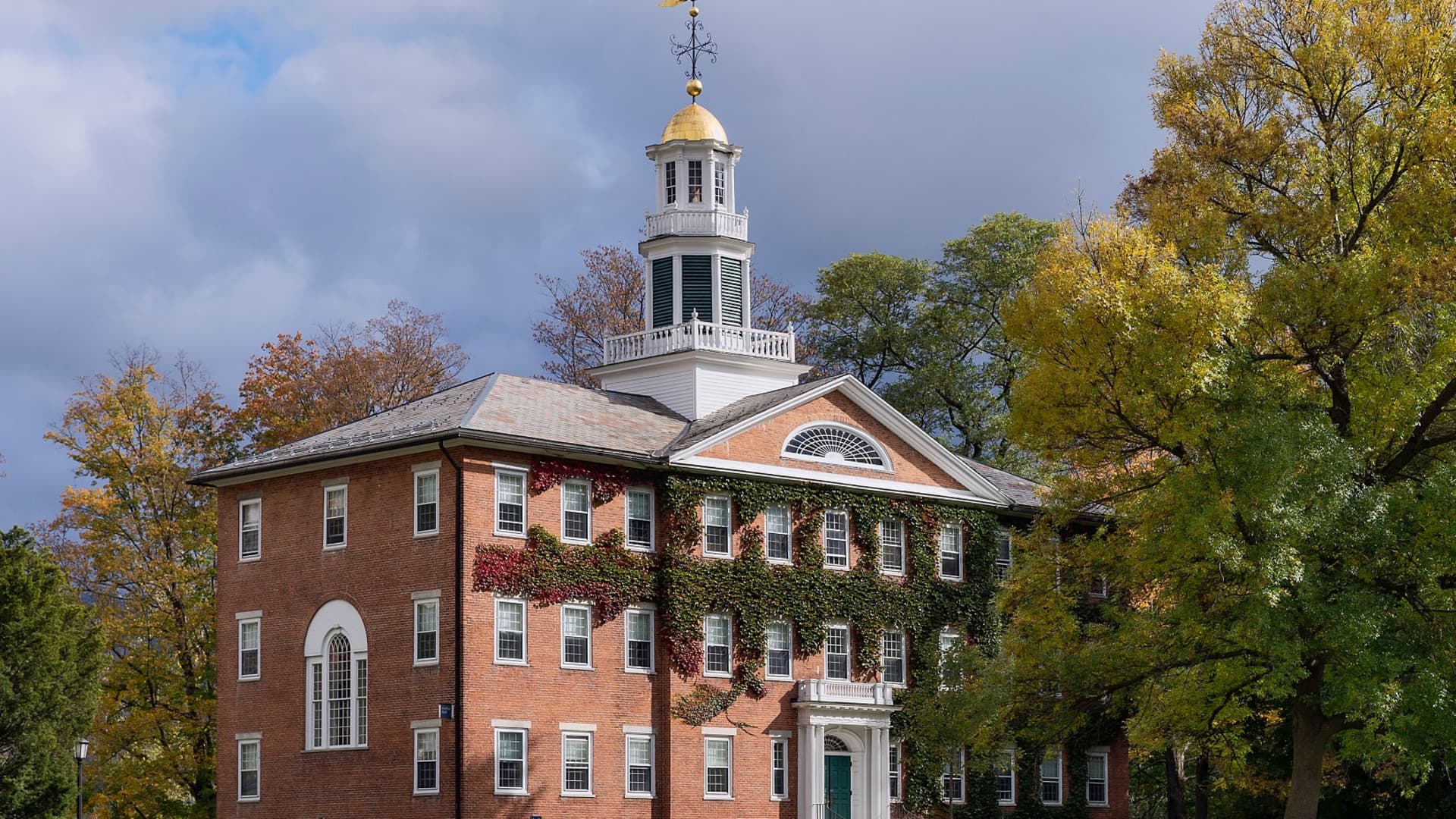
The current 57% tuition discount rate for new undergraduates means that for very dollar in tuition that an institution charges, it’s collecting only 43 cents in actual revenue.gettyPrivate colleges and universities are discounting their undergraduate tuition at record levels, resulting in a decline in net tuition revenue overall. That’s a major finding of a new study released today by the National Association of College and University Business Officers. According to NACUBO’s report, the tuition discount rate for beginning undergraduates hit 57.1% in the current 2025-2026 academic year. That’s an increase over the 54.5% rate from the prior year. Considering not only incoming students, but all undergraduates, the discount rate climbed to 51.3%, also surpassing last year’s 50% rate.A discount rate of 57% means that for very dollar in tuition that an institution charges, it’s collecting only 43 cents in actual revenue. When that decline is not offset by an increase in enrollment, institutions may face a loss of net operating revenue. Most undergraduates are seeing the benefits of the steep discounting, which is achieved through the awarding of institutional financial aid in the form of merit or need-based scholarships and grants. According to NACUBO, 90% of first-time undergraduates received some institutional aid, and 84% of all undergraduates received institutional support. The report is based on responses by 258 private, nonprofit colleges last fall, meaning that its results should be regarded as preliminary since it was completed before final enrollment numbers and financial aid totals were finalized. MORE FOR YOUA Decrease in Net Tuition RevenueNACUBO also reported that compared to the prior year, net tuition and fee revenue declined 2.2% per first-time, full-time undergraduate and 1.9% per all undergraduate students. That’s a significant drop, and it means that tuition-dependent institutions face a real dilemma: as they try to compete for students by boosting their financial aid, they risk charging less than what they spend to educate students. “The data tell a clear story: Don’t rule out a private college due to its sticker price, because odds are very good that you will receive a grant from that school,” NACUBO President and CEO Kara D. Freeman said, in a news release. “Private colleges and universities are working hard to put postsecondary education in reach for all undergraduates, so it is worth applying for financial aid to find out your own net price of collegeThat’s one way to think about it. Another is to consider this kind of strategic “high tuition, high aid” pricing to be analogous to a retailer deciding to put merchandise on sale. If the discount encourages an increased volume of sales, the merchant might make a profit, despite the lower price being charged. If, however, the discount fails to attract more customers, the retailer stands to lose money. This is very similar to the quandary colleges face. They can award increased financial aid to try to attract more students, but when they discount tuition too much, they reach a point where the loss in net revenue becomes economically unsustainable. Institutional aid is paid for by a different mix of sources, depending on the institution. Wealthy institutions with large endowments can increase what they spend on financial aid from the endowment, and they also can use the full price that wealthy students pay to subsidize the tuition for students who are less well off. However, most institutions have to tap their reserves or regular operating revenue from other sources to come up with the scholarship increases, and at some point that becomes a dangerous means of survival.As colleges face a declining pool of high school graduates, they are turning to other strategies to maximize their enrollment, such as concentrating on improving their retention rate. “There is growing agreement in higher education that student success and institutional financial success are inextricably linked,” Freeman noted. “Getting students to graduation is a win for everyone, and it is also critical to the institution’s bottom line.”But hard facts remain. For some small private colleges, in particular, continued tuition discounting may prove to be a losing survival strategy in a market already under serious strain.In addition, colleges need to consider whether the “high tuition, high aid” model might be contributing to the public’s confusion over the value proposition of higher education and a tendency to overestimate what its true costs are. A recent Yale University faculty committee report commissioned by the school’s president, Maurie McInnis, urged the university to revise its “high tuition-high aid” system. While that model has lowered the expense of attending Yale for the relatively few low-income students it admits, the committee concluded the process was “complicated, unpredictable, secretive, and highly variable,” and that applying for aid was “laborious” and “frustrating.”It called for the university to “do everything possible to make the financial aid system more comprehensible, predictable, and fair,” and urged that “Yale provide a more accessible and reliable indication of the actual price that an undergraduate student will pay at the moment of enrollment and over the course of a four-year degree.”Good for Yale, but the fact remains that a revision in how it communicates its pricing is not likely to matter too much if the rest of higher education remains wedded to a system where high sticker prices are substantially discounted through generous institutional aid. Too many institutions remain committed to that business model, despite the evidence that it may be hurting their bottom line.
Private Colleges Are Discounting Tuition At A Record Rate, Finds Report
Private colleges and universities are discounting their undergraduate tuition at record levels, resulting in a decline in net tuition revenue overall, finds a new study.
896 words~4 min read