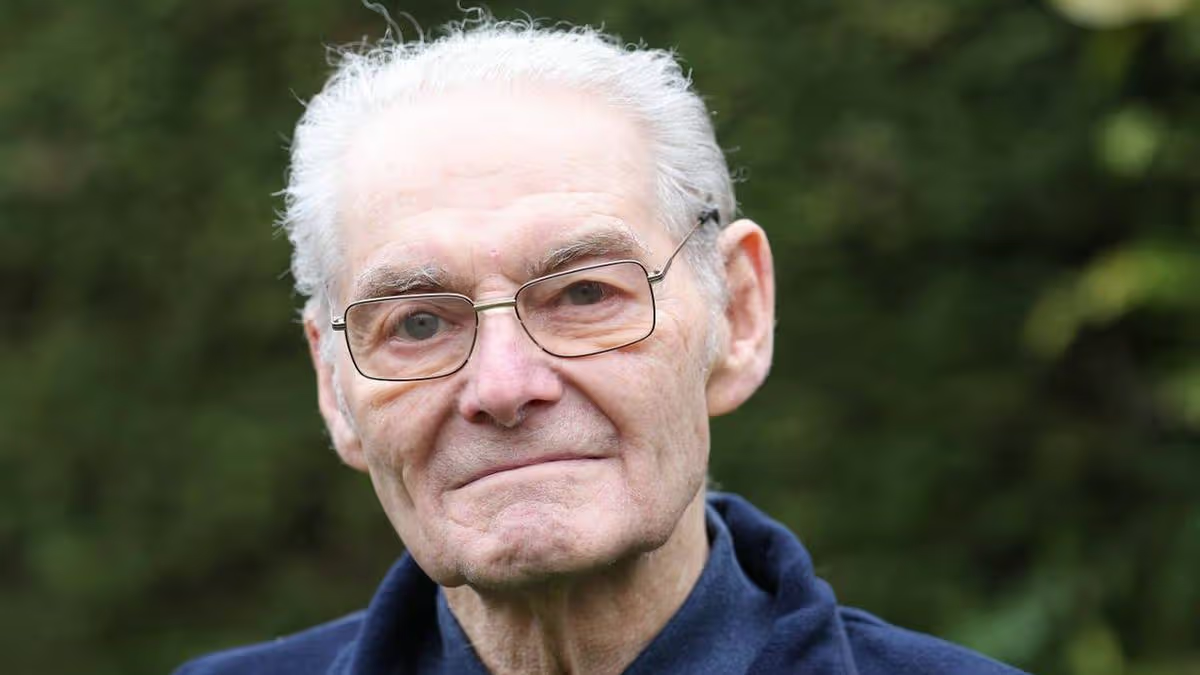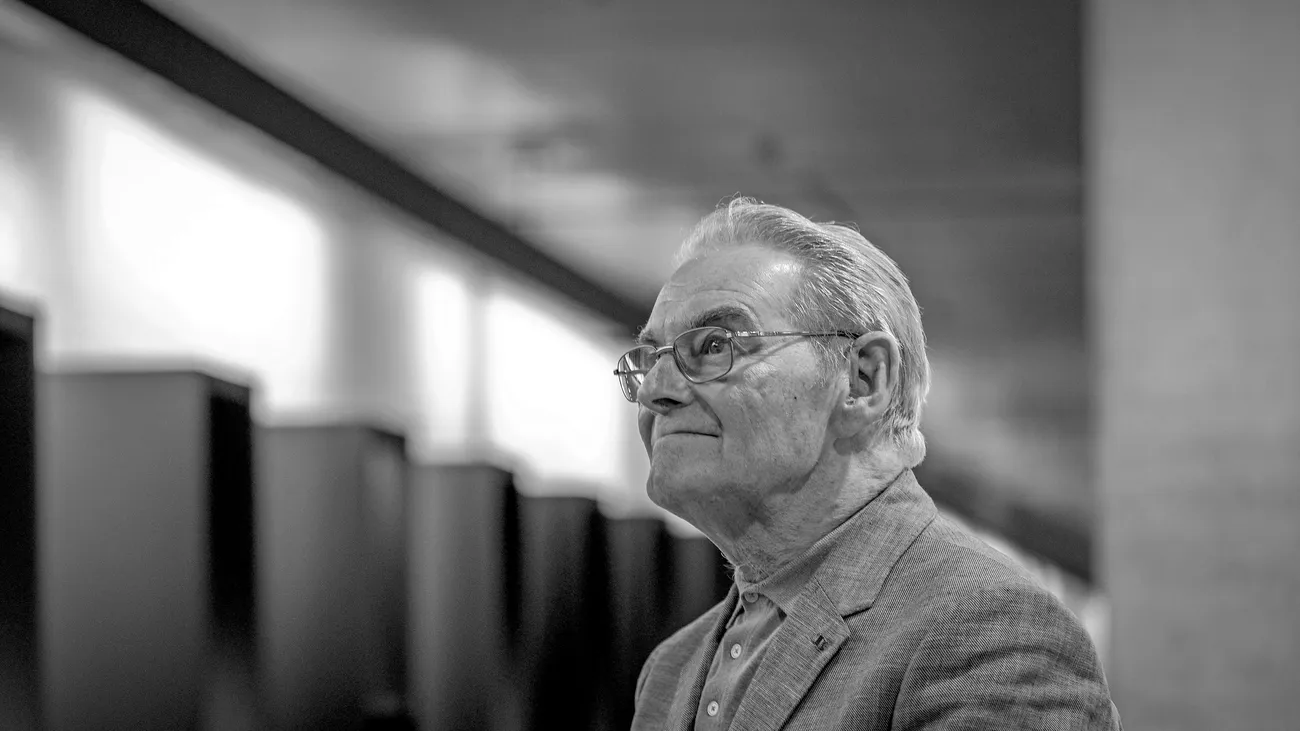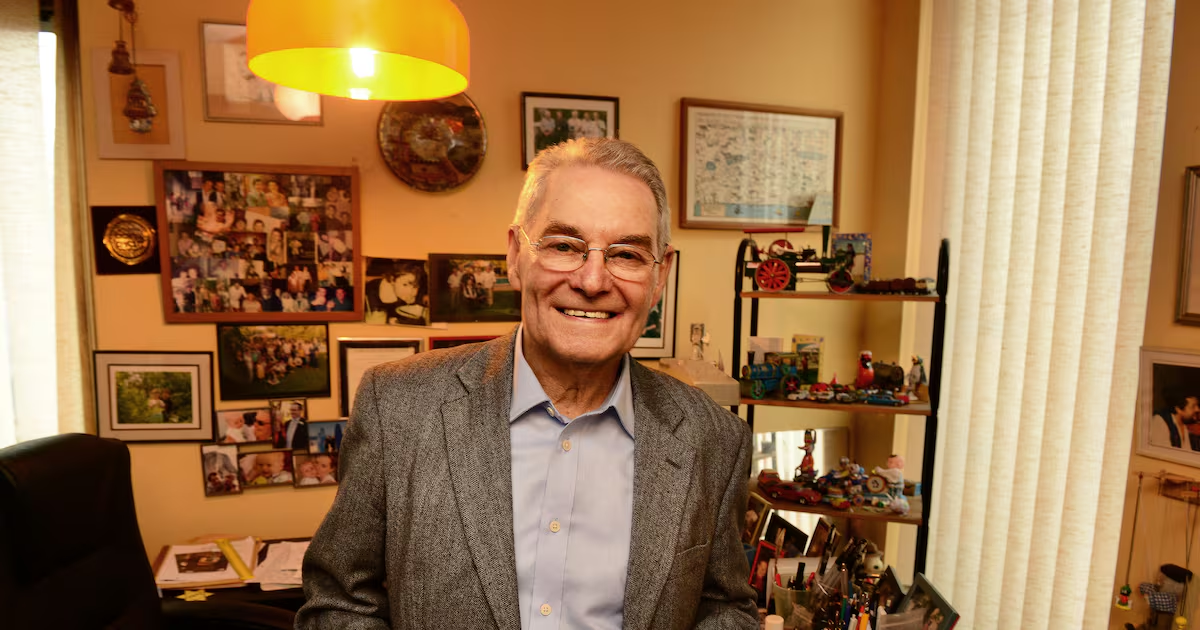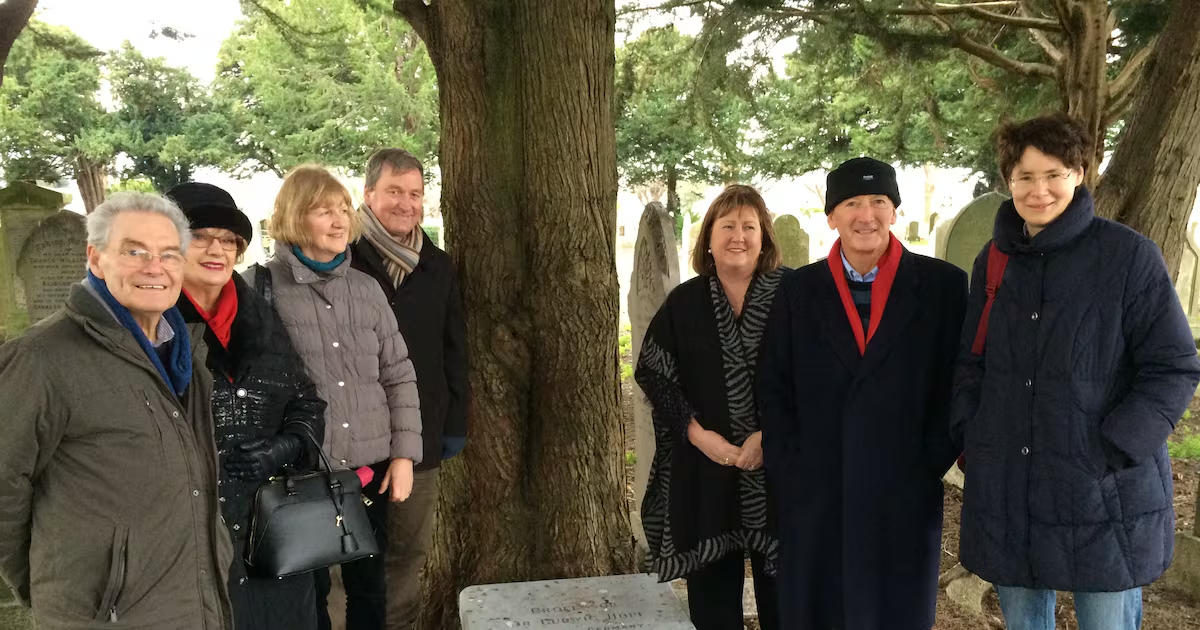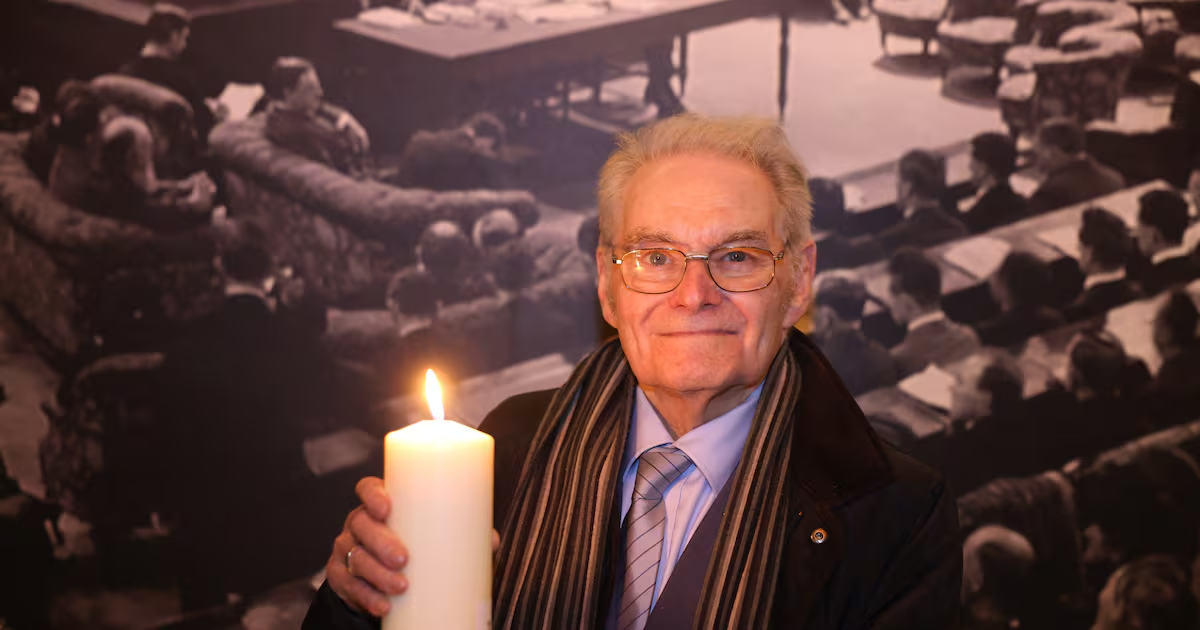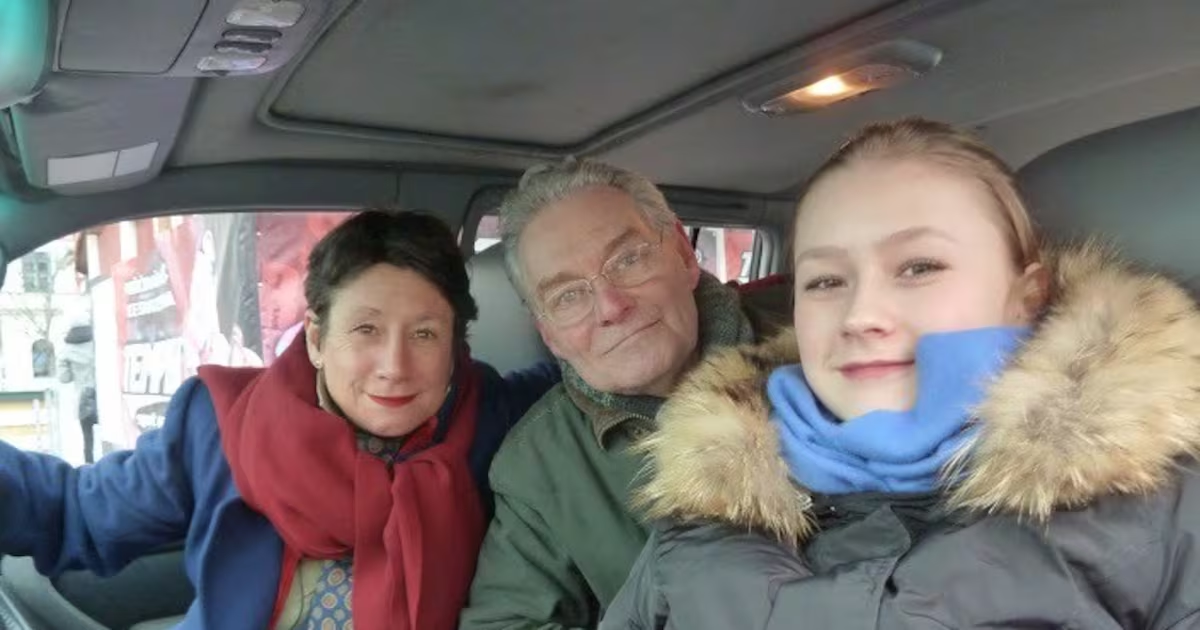
I was deeply anxious during the train journey from Vienna to Bratislava, the Slovak capital, in 2014. Holocaust survivor Tomi Reichental was expecting me there, together with Gerry Gregg’s film crew. They were shooting the documentary Close to Evil. Tomi was born in Czechoslovakia but moved to Ireland in 1959. He had been a young boy when he and his family were deported by the Nazis to the Bergen-Belsen concentration camp in Germany in 1944. Tomi survived, but 35 of his relatives were murdered in the Holocaust; his grandmother died before his eyes in the camp.My grandfather, however, was Hanns E Ludin, the “envoy of the Third Reich to Slovakia”, and it was he who signed the deportation orders. Ludin was convicted as a war criminal and executed in Bratislava in 1947.Tomi’s and my family histories were thus tragically intertwined. I feared we might meet on a hostile, or at the very least deeply unsettling, note. My daughter Magda, then 19, accompanied me, albeit reluctantly. As the train pulled into Bratislava’s station, my heart was pounding. There was Tomi waiting on the platform, visibly just as tense as me. But we embraced, dissolving our fears. That was so generous of him. A day into filming, I asked Tomi whether he would accompany me to my grandfather’s anonymous grave. “But surely not to commemorate him?” he asked, clearly taken aback. That was not my intention, I explained. I wanted to share this visit with him in a way I could not with my own family. Because I had publicly confronted my grandfather’s guilt – a guilt they continue to deny – I had become estranged from them. I had challenged my family’s narrative and somehow “soiled the nest”.Now, I stood with Tomi at the grave. When he recited the names of his murdered relatives, I burst into tears. In that moment we established an extraordinary connection, sharing the burden of our profoundly different histories. Through dialogue and shared grief, we bridged an abyss created by the past.By then, my daughter’s interest had clearly been aroused. History had become tangible for her, both cognitively and emotionally. On the last day of filming, she and Tomi spoke in front of the camera. “Magda, will you remember when I am gone?“ Tomi asked, in tears. “I will, Tomi,” she replied firmly, equally moved. It was overwhelming. The message had been passed to the next generation. This is what Tomi lived for: ensuring that history would not be forgotten. He accepted Magda and me into his life. It wasn’t about forgiveness, but rather about breaking the spell of the past.He described meeting me as a “mitzvah” – a Hebrew word that can mean a commandment, but is also commonly understood as a good deed. I would like to believe that our friendship had a healing effect on both of us.I am not guilty of what was done to Tomi’s family, but I do feel responsible for speaking the truth: that my own grandfather made political choices which resulted in crimes against humanity, and the Holocaust.To this day, many Germans struggle to acknowledge that their own ancestors were perpetrators, collaborators or bystanders. Through the story of his family and his tireless public engagement, Tomi was a constant reminder that wrongdoings reverberate across generations. [ Tomi Reichental: ‘We, as a human race, have to find ways to reconcile’Opens in new window ]He was courageous in confronting his own painful history and sharing that pain with others. This kind man educated thousands of Irish schoolchildren and other audiences, teaching that remembrance and reflection are essential if we are to learn from history. That which is not addressed is liable to happen again.Sadly and infuriatingly, we are witnessing the resurgence of authoritarian and far-right movements around the world, movements that divide people and sow discord. Democracy and human rights are precious achievements, born from the catastrophe of the second World War and the Holocaust.Despite all the suffering he endured, Tomi rejected revenge. He chose compassion over hate. I am so grateful that he shared parts of his journey with me, a very special relationship that continued long after Bratislava. On Sunday he set out on his last voyage, alone.Rest assured, dear Tomi, I will remember – and so will Magda.
My Nazi grandfather sent Tomi Reichental to Bergen-Belsen death camp
Despite all the suffering he endured, the Holocaust survivor chose compassion over hate
711 words~3 min read