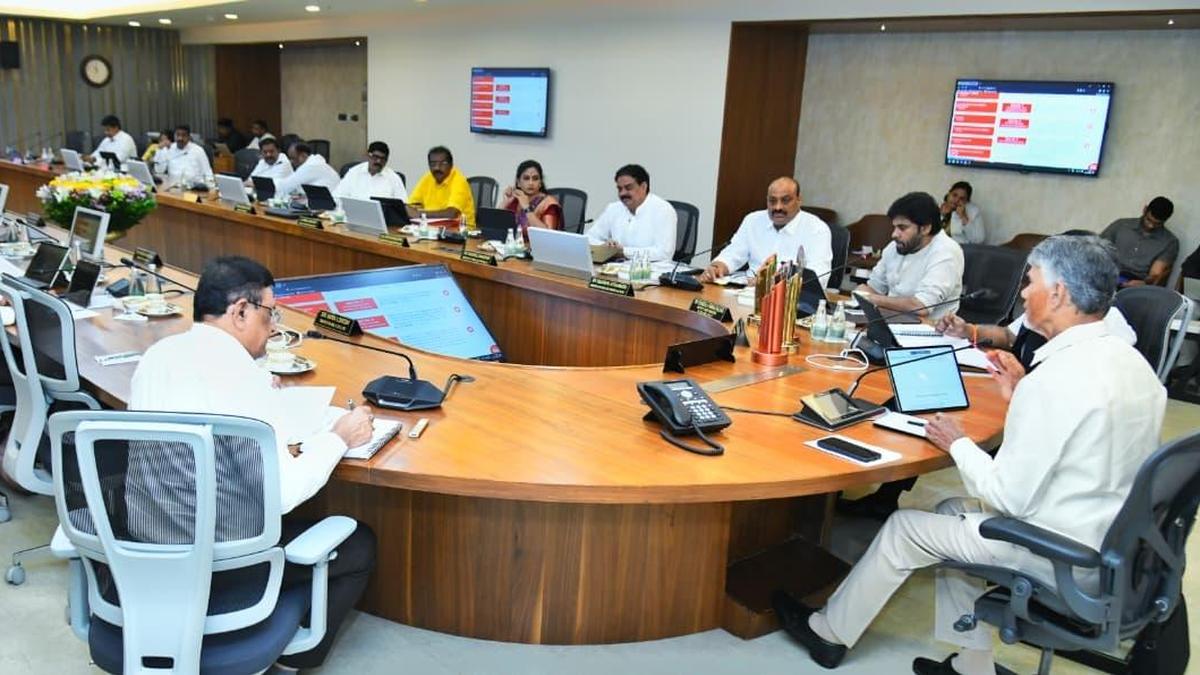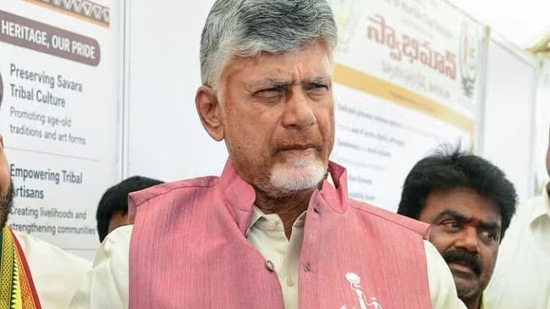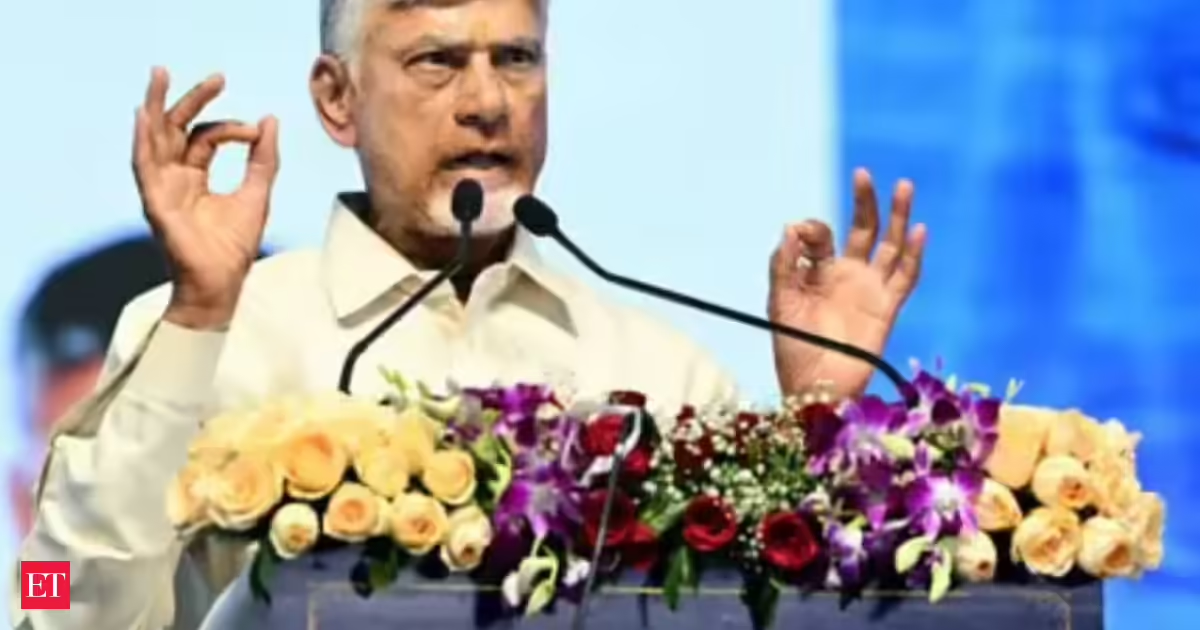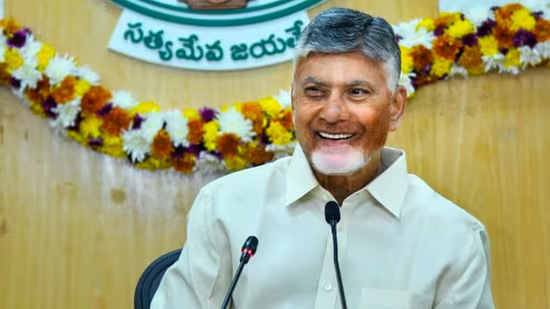
Chandrababu Naidu, the chief minister of the southern Indian state of Andhra Pradesh, has announced that his coalition government will provide parents $312 for the birth of a third child and $416 for a fourth child under the state’s proposed population management policy.
The policy marks a decisive shift from the language of family planning to what the government now calls “population care.”
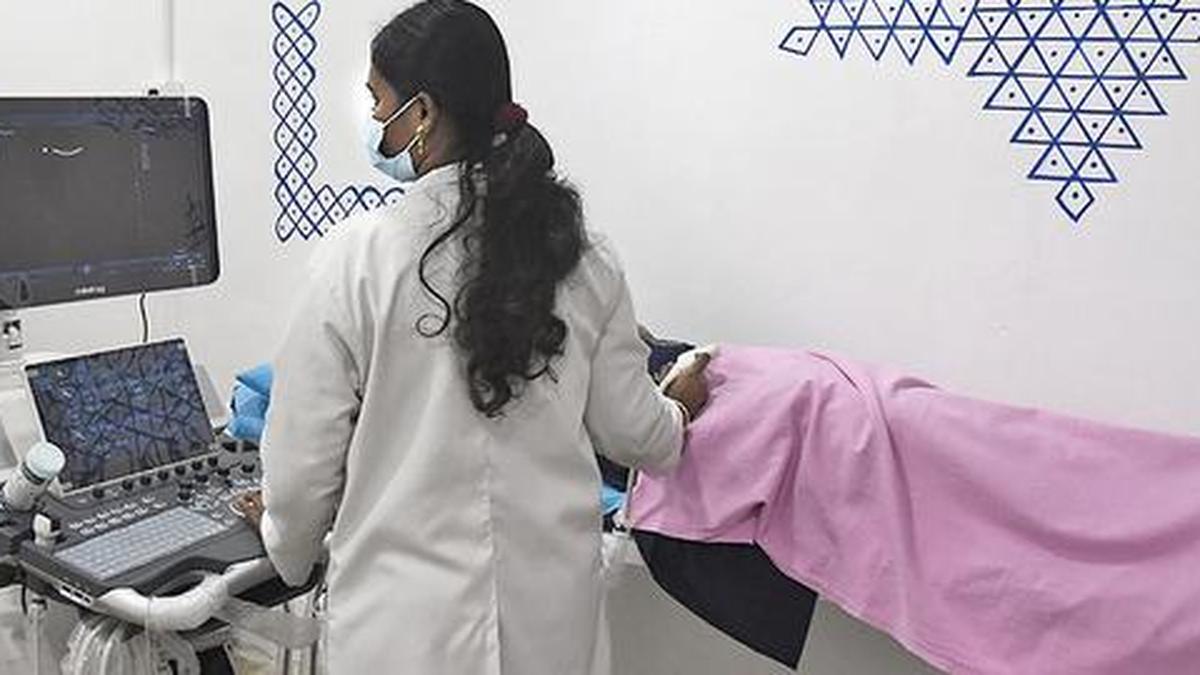
The anxiety underlying the move is not entirely without basis. Andhra Pradesh’s fertility rate has fallen, with the National Family Health Survey (NFHS)-5, which covers the 2019-2021 period, estimating the state’s total fertility rate at 1.7 children per woman, below replacement level.
However, demographic concern by itself cannot justify a policy whose social and economic consequences may ultimately deepen the very crisis it claims to address.
Andhra Pradesh’s own Socio-Economic Survey 2024-25 notes that decadal population growth had already slowed to 9.21 percent during 2001-11, significantly below the national average of 17.70 percent. Population density in the state has consistently remained lower than the all-India average. However, the real question is not whether Andhra Pradesh has “too few people,” but whether it has been able to provide education, healthcare, employment, social security and dignity to the people who already live there.