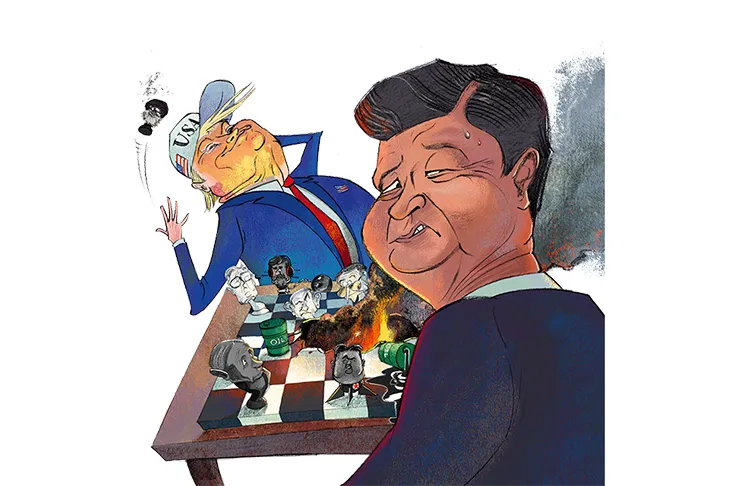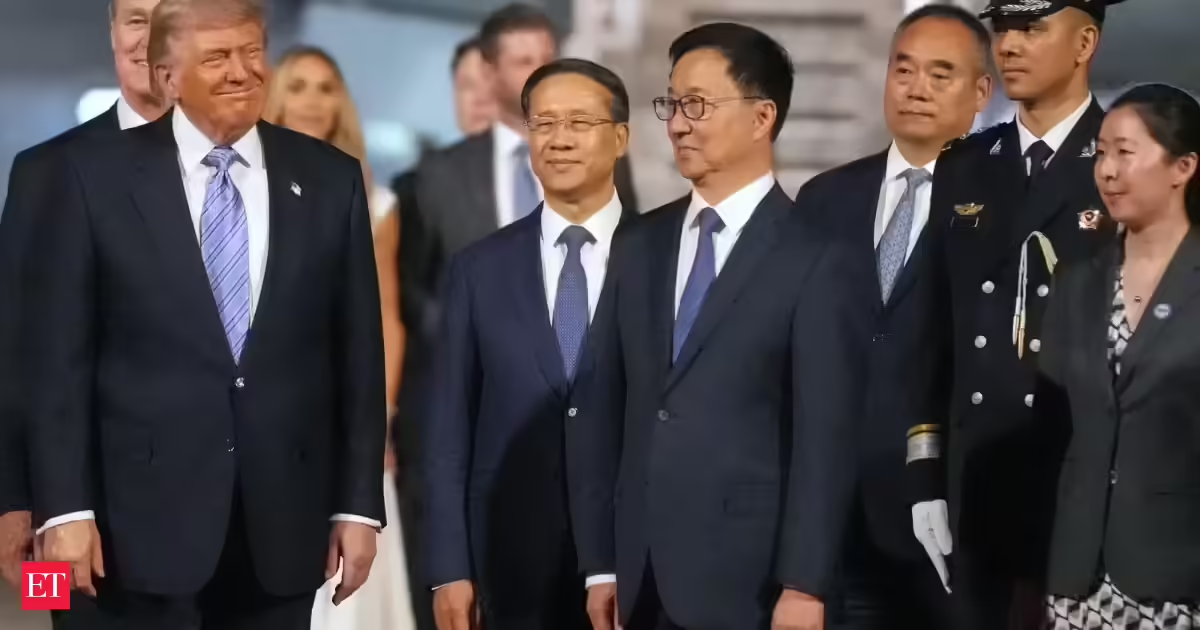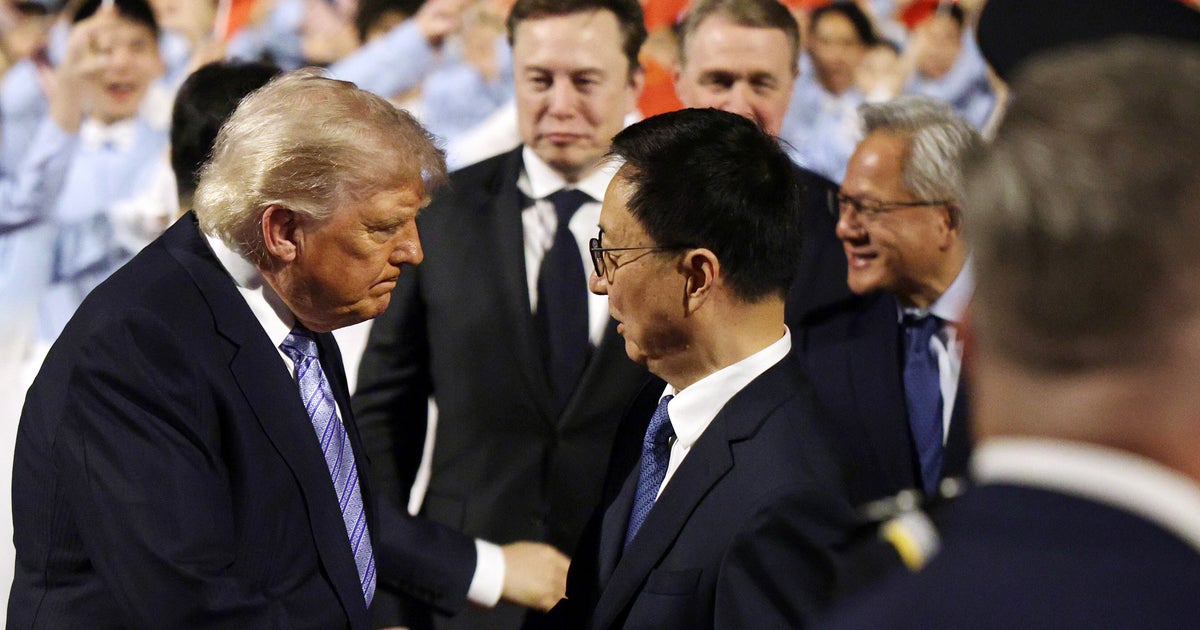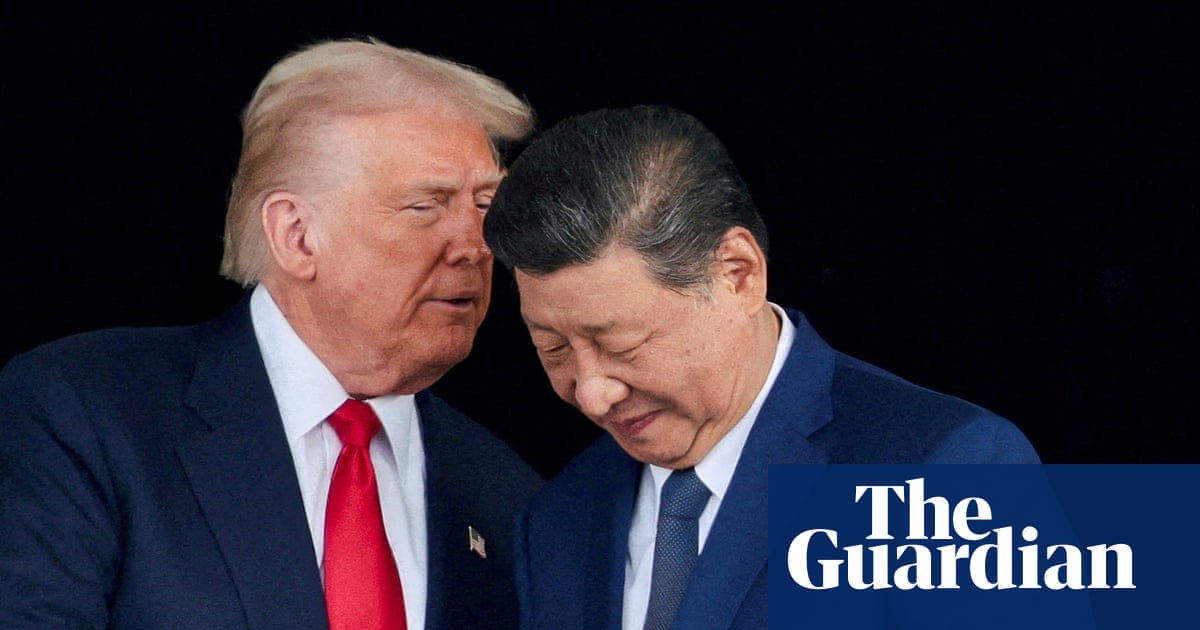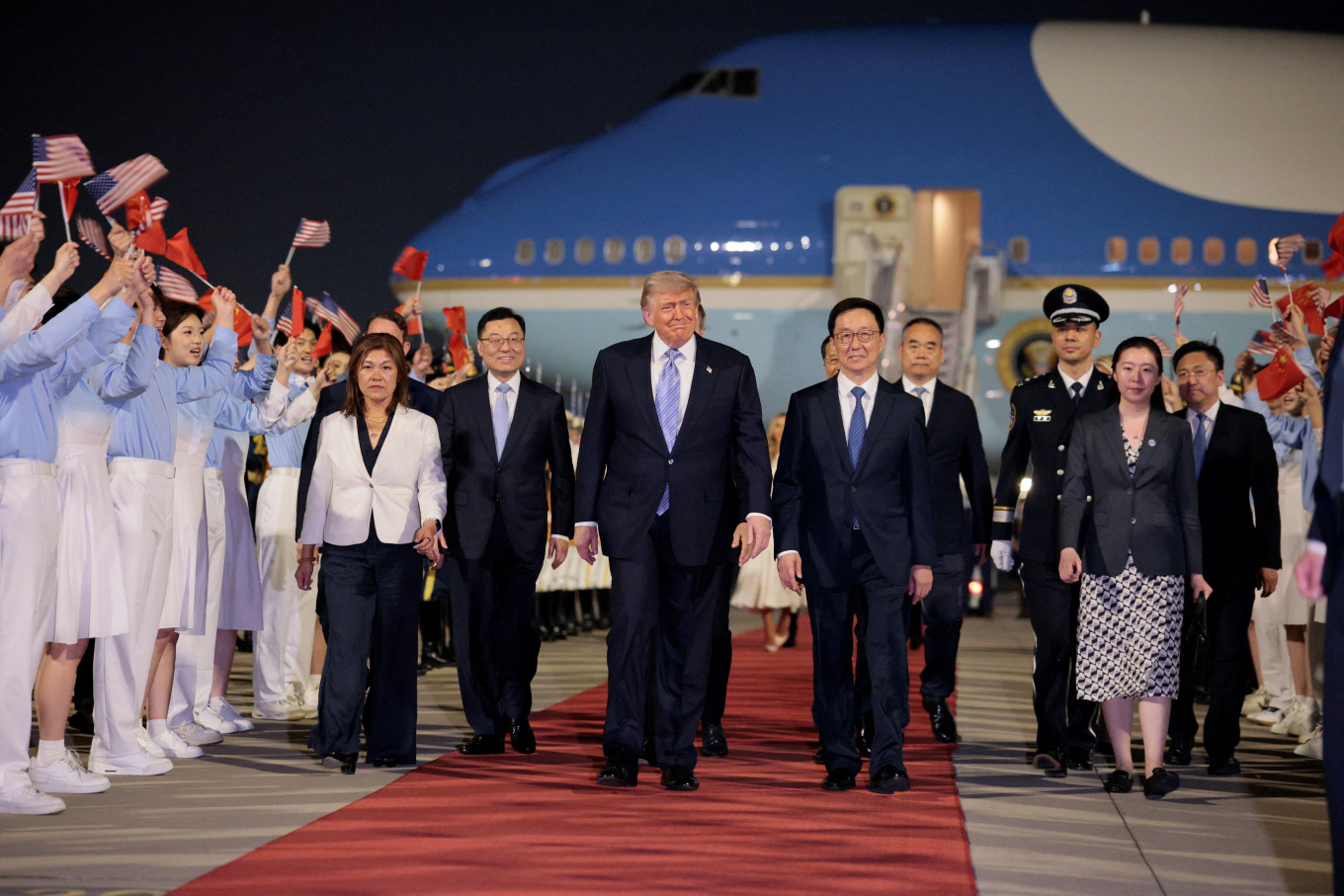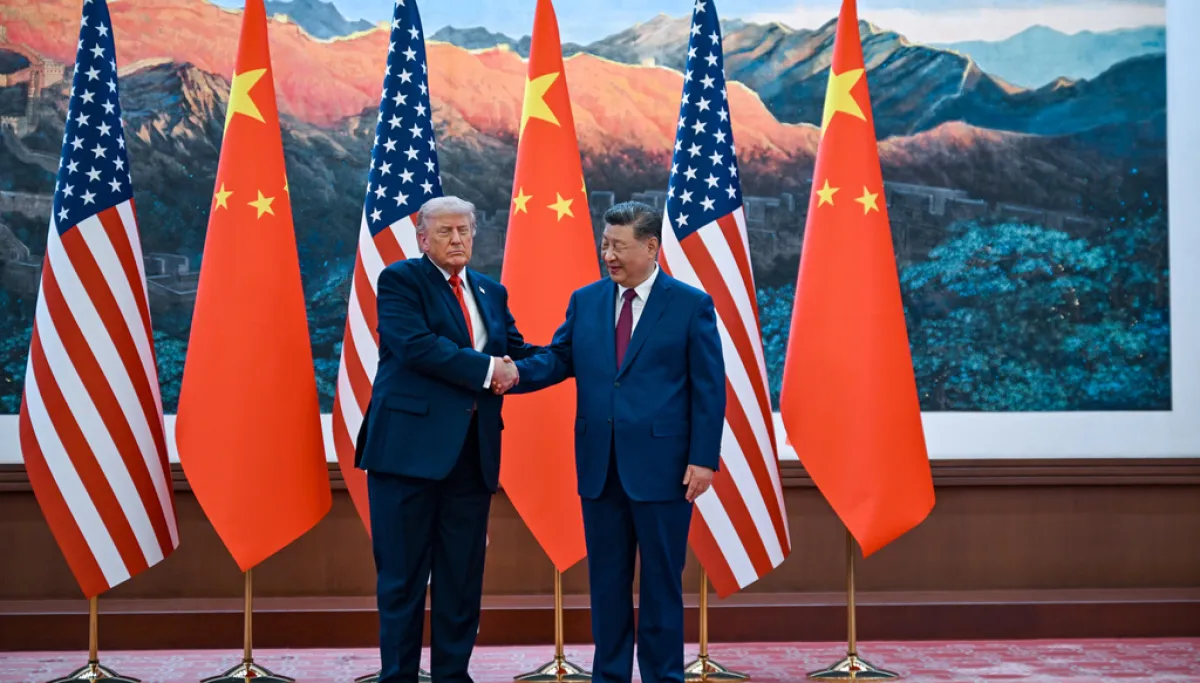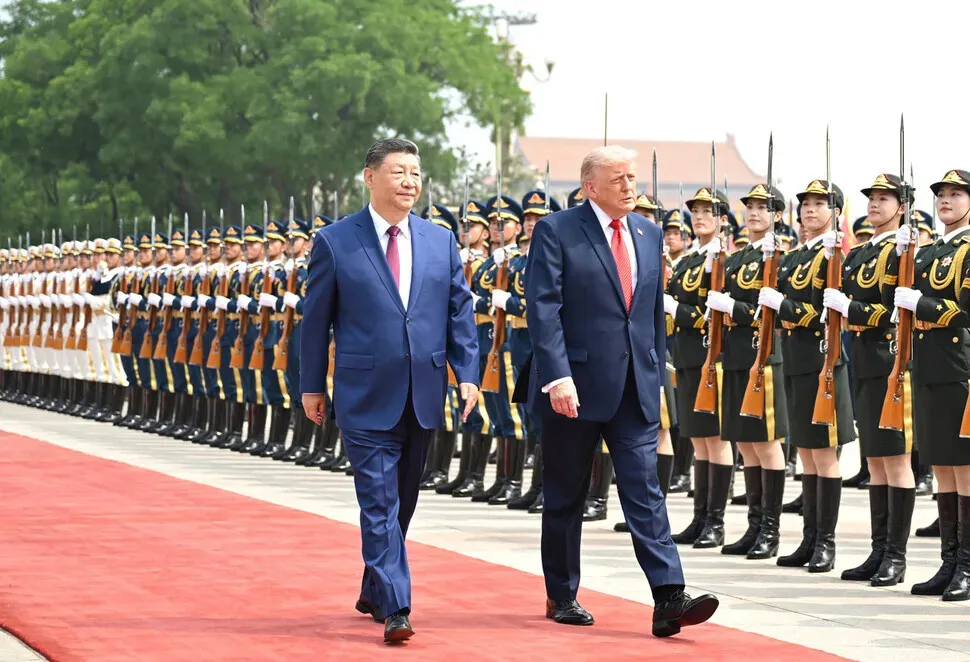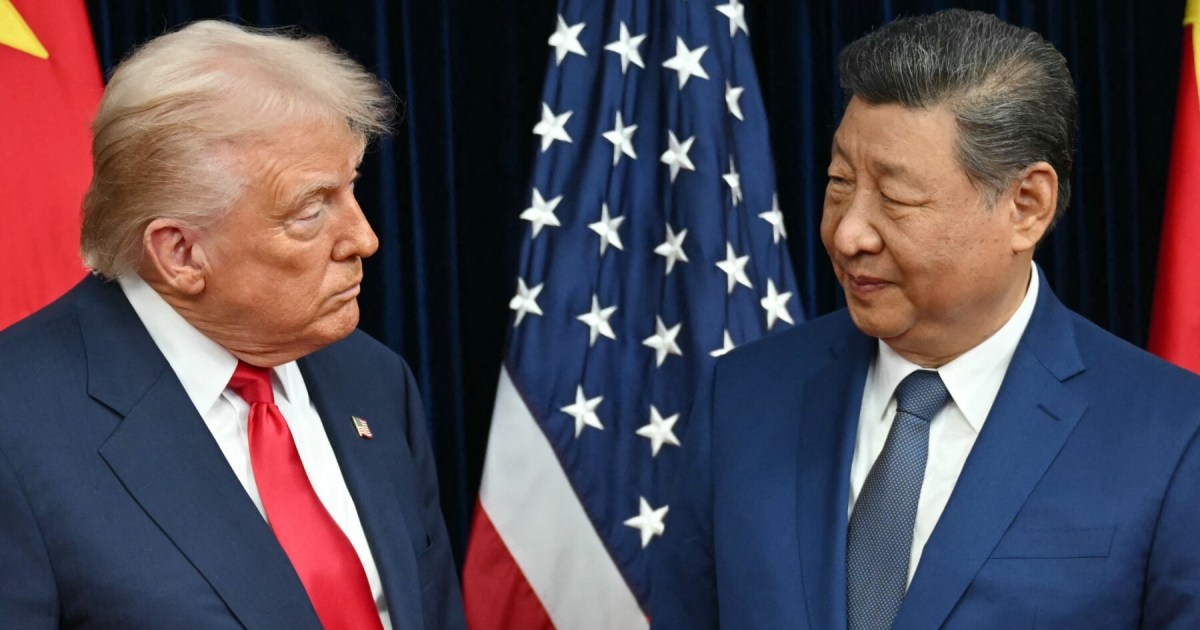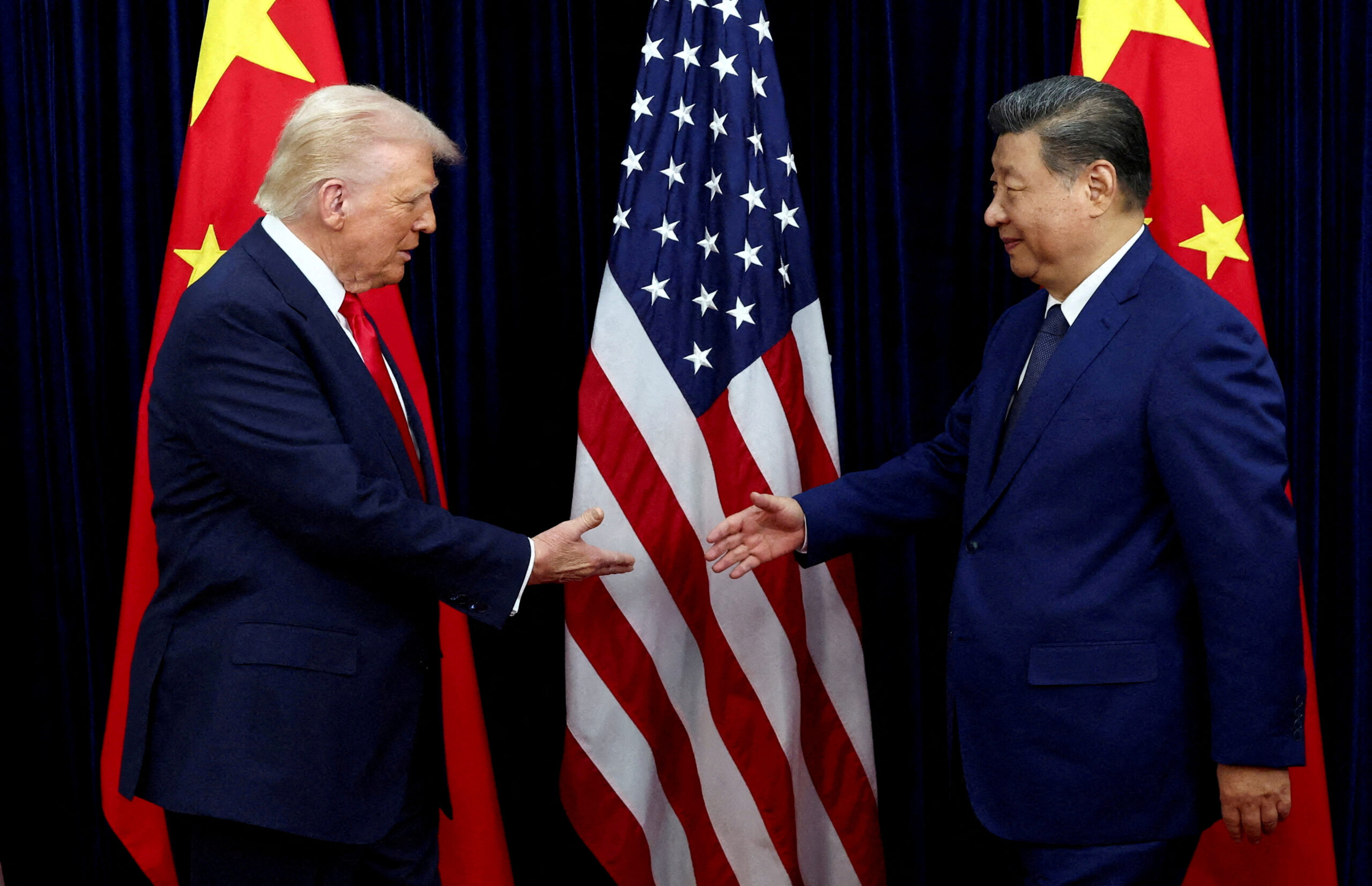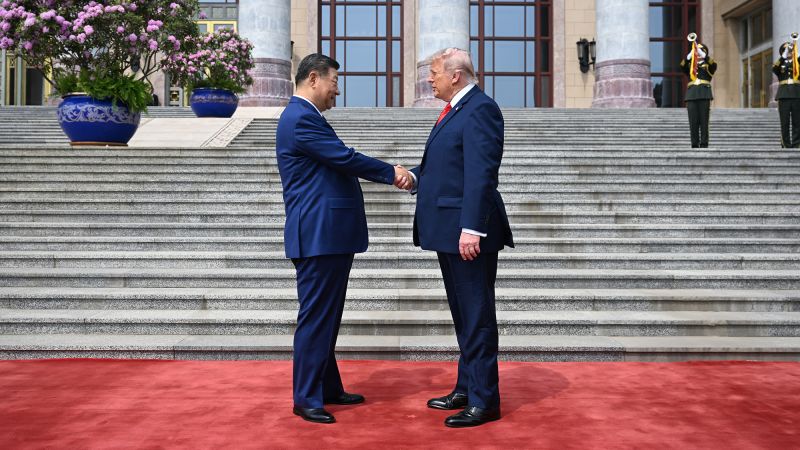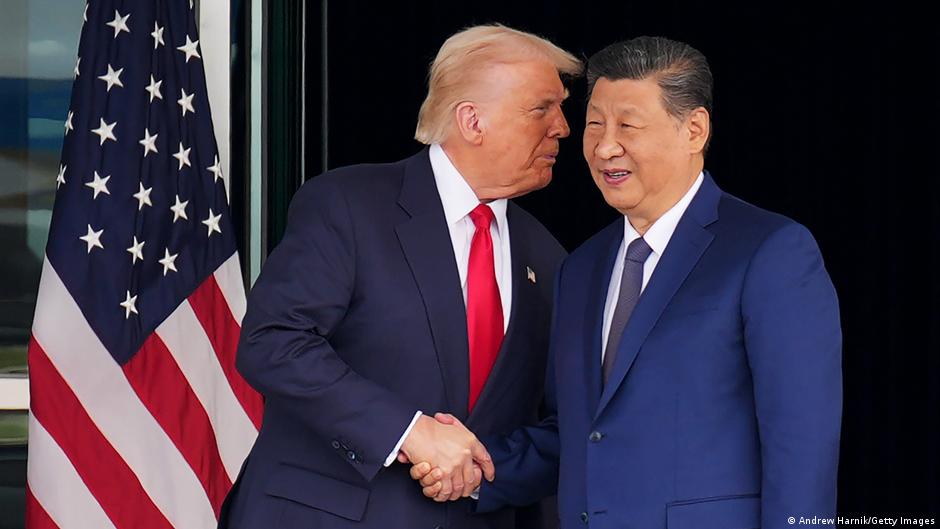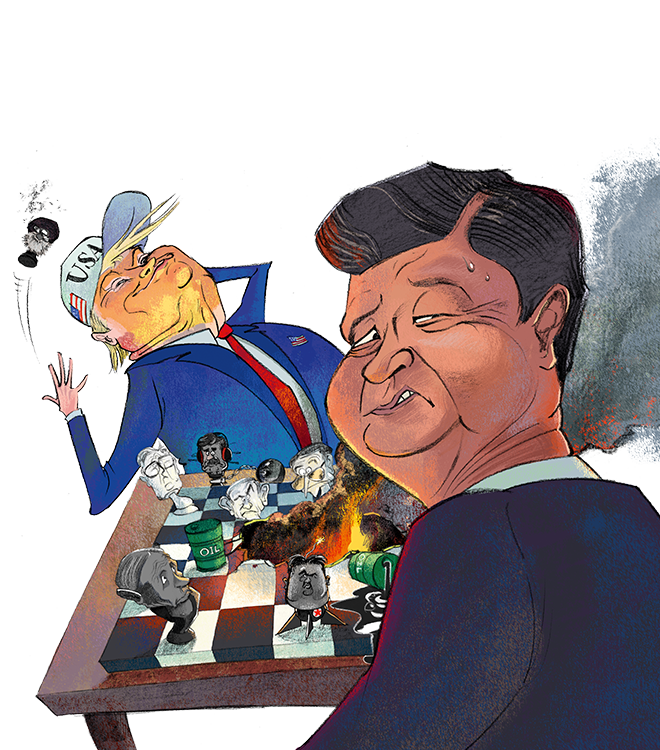
Donald Trump flew to Beijing this week and wants three things when he sits down with China’s President Xi Jinping: a tariff truce that survives his own courts, Chinese pressure on Iran to end the war that never seems to end and a photograph that makes him look victorious.
Xi has problems of his own. But he has watched four American presidencies from Zhongnanhai, the walled compound beside the Forbidden City where the Communist party leadership rules, and he knows the value of silence when his counterpart is talking himself into trouble. Trump’s approval rating is the lowest of his second term.
What Xi wants from this meeting with Trump is recognition: two great powers, two systems, meeting as equals
Trump has obliged Xi noisily. In February, the US Supreme Court ruled, six to three, that the emergency powers he had used for most of his tariffs did not authorize tariffs at all. The law in question was the International Emergency Economic Powers Act, which Trump had turned into the legal foundation for his tariffs last year. Chief Justice John Roberts, writing for the majority, held that the statute did not give the President authority to impose tariffs of “unlimited amount, duration and scope.” The Chief Justice was, in effect, telling the President of the United States to read his own statutes.