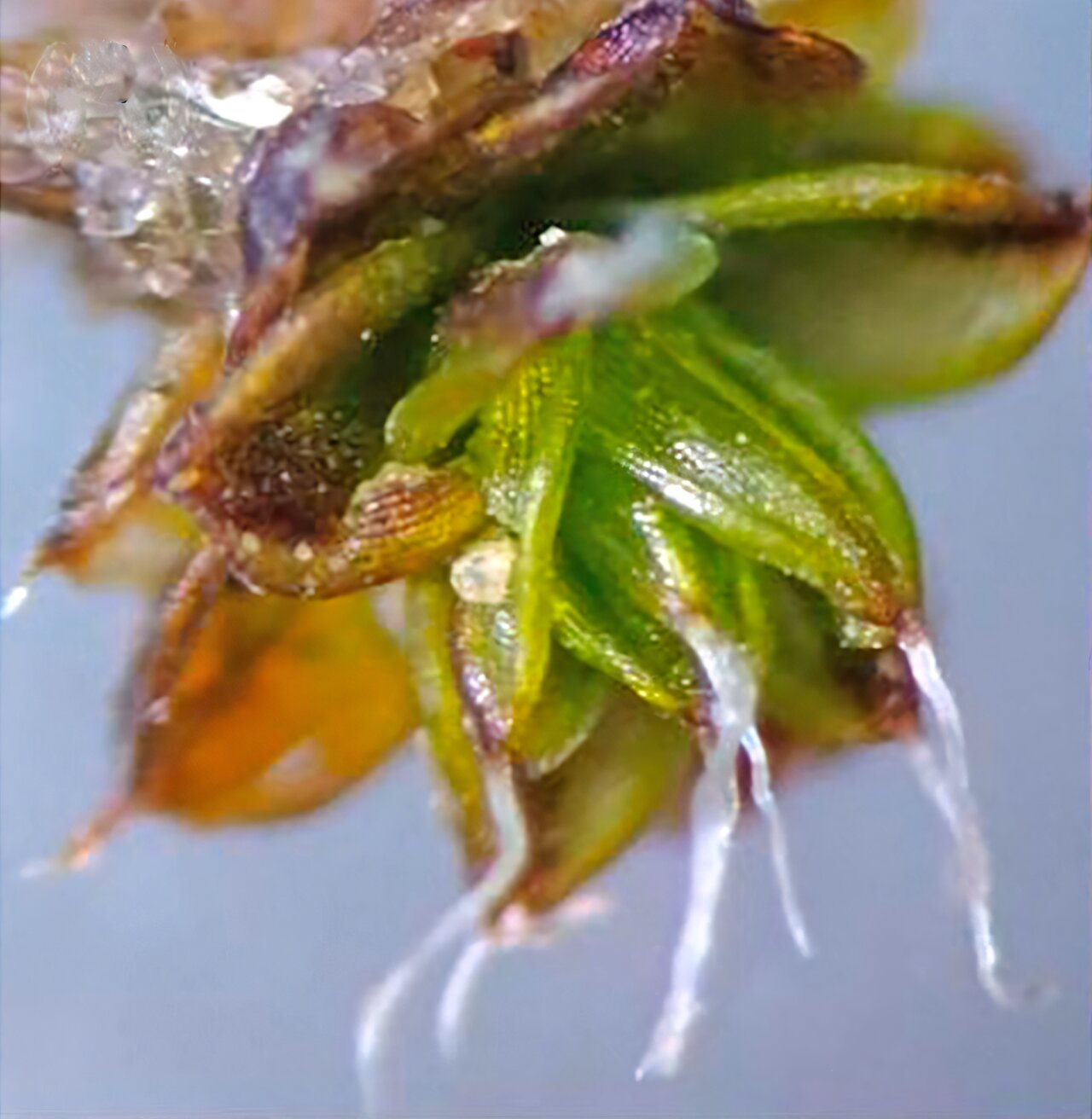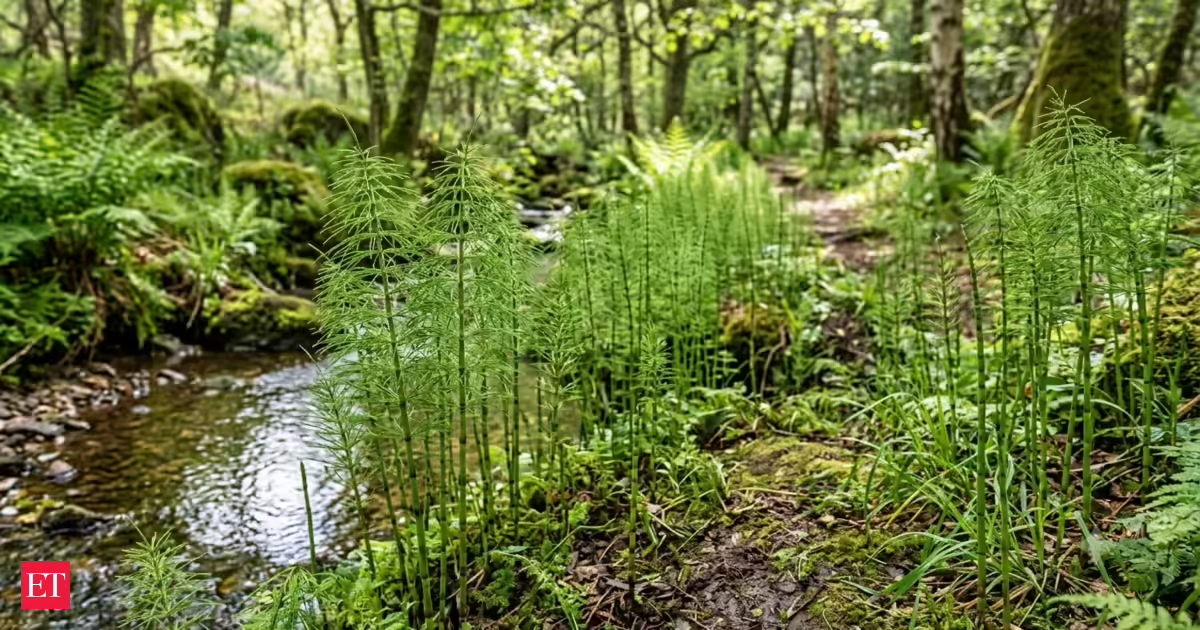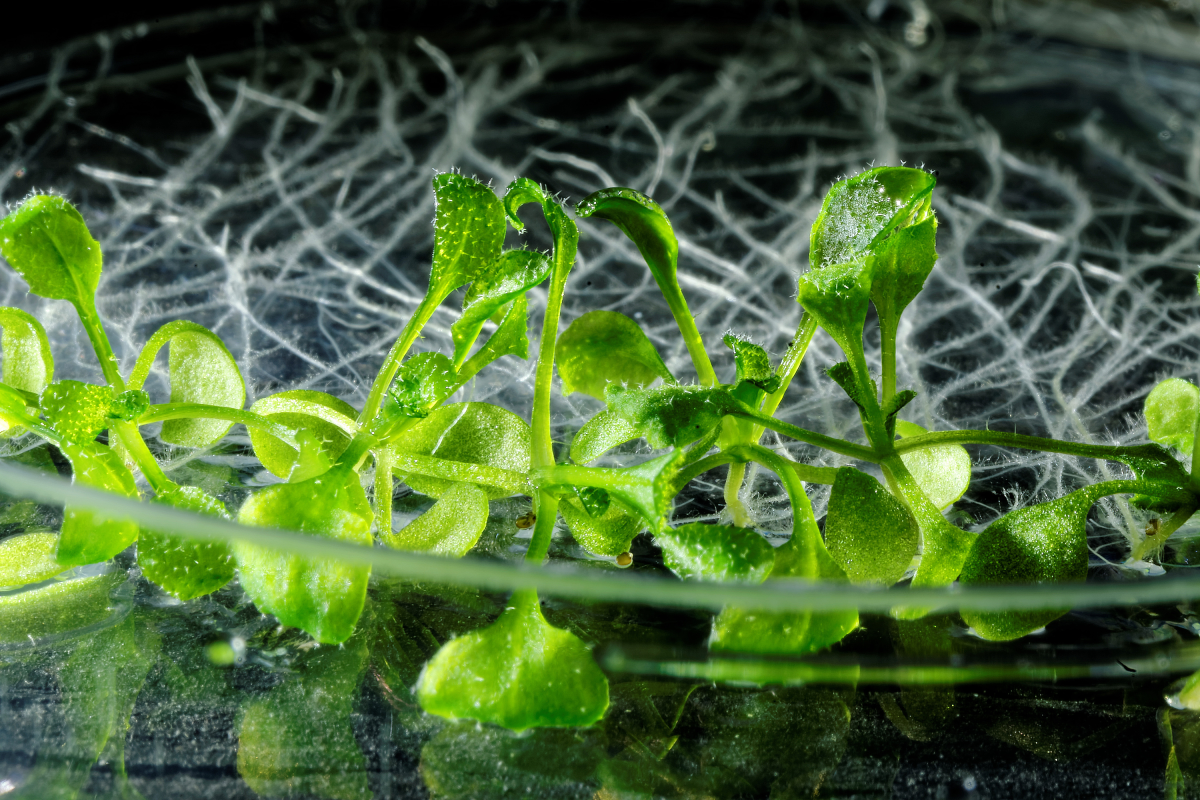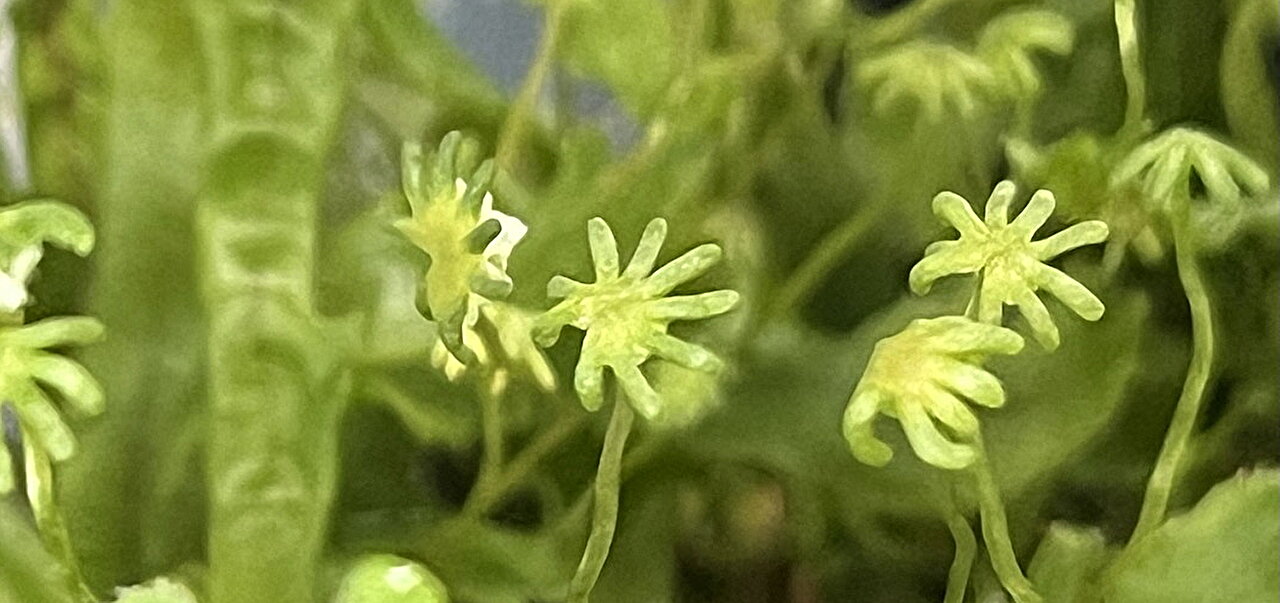
Fountain liverwort (Marchantia polymorpha) is an ancient land plant that thrives in constantly damp and shady environments. Credit: UNIGE
Sunlight provides the energy necessary for photosynthesis and growth, but it also exposes plants to harmful ultraviolet-B (UV-B) radiation. Plants must therefore strike a delicate balance between growth and protection. By studying Marchantia polymorpha, a plant similar to some of the earliest land plants, an international team led by scientists from the University of Geneva (UNIGE) sheds light on the evolution of fundamental UV-B perception mechanisms and plant adaptation strategies to light stress. In a context where climate change is altering light exposure conditions, these findings, published in Plant Physiology, could prove particularly valuable.
Light is essential for photosynthesis, the process by which plants produce organic molecules (sugars) and release oxygen. However, it can also be harmful. Like in humans, UV-B radiation can cause DNA damage and harm cell membranes. It can also disrupt the cellular systems responsible for photosynthesis. Over the course of evolution, plants have developed a protective system based on a key photoreceptor called UVR8, which allows them to detect UV-B radiation.