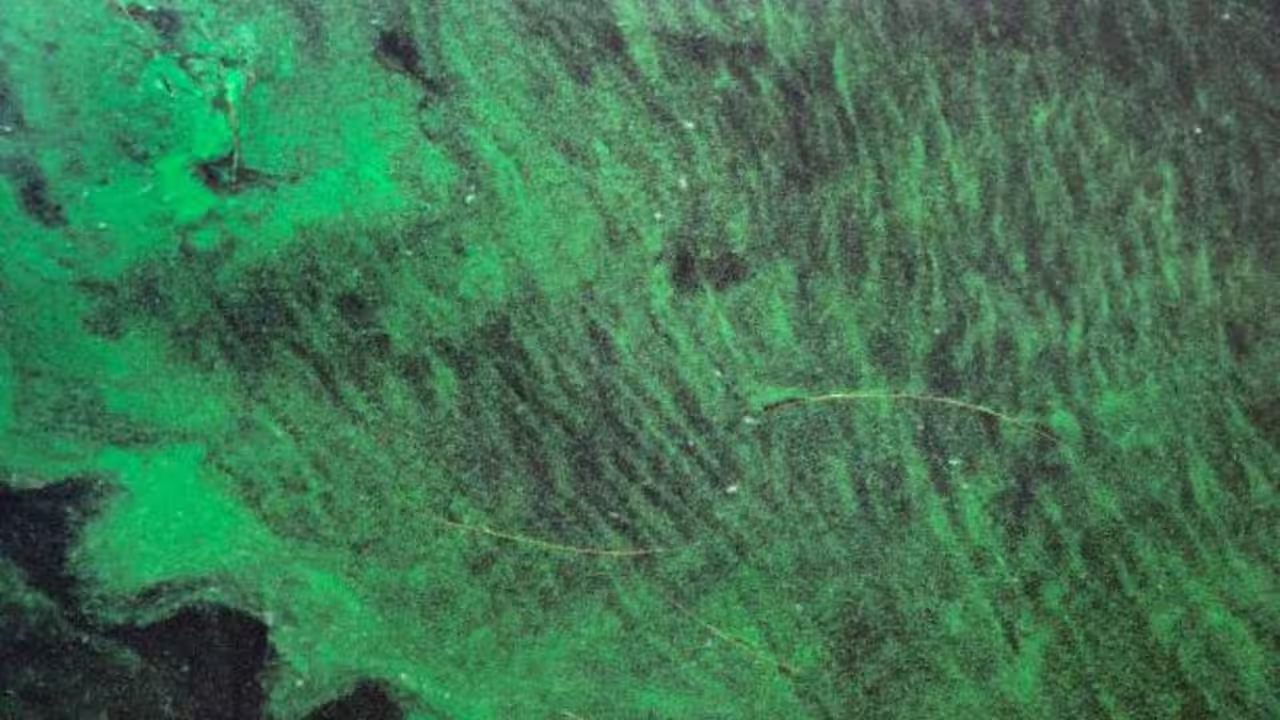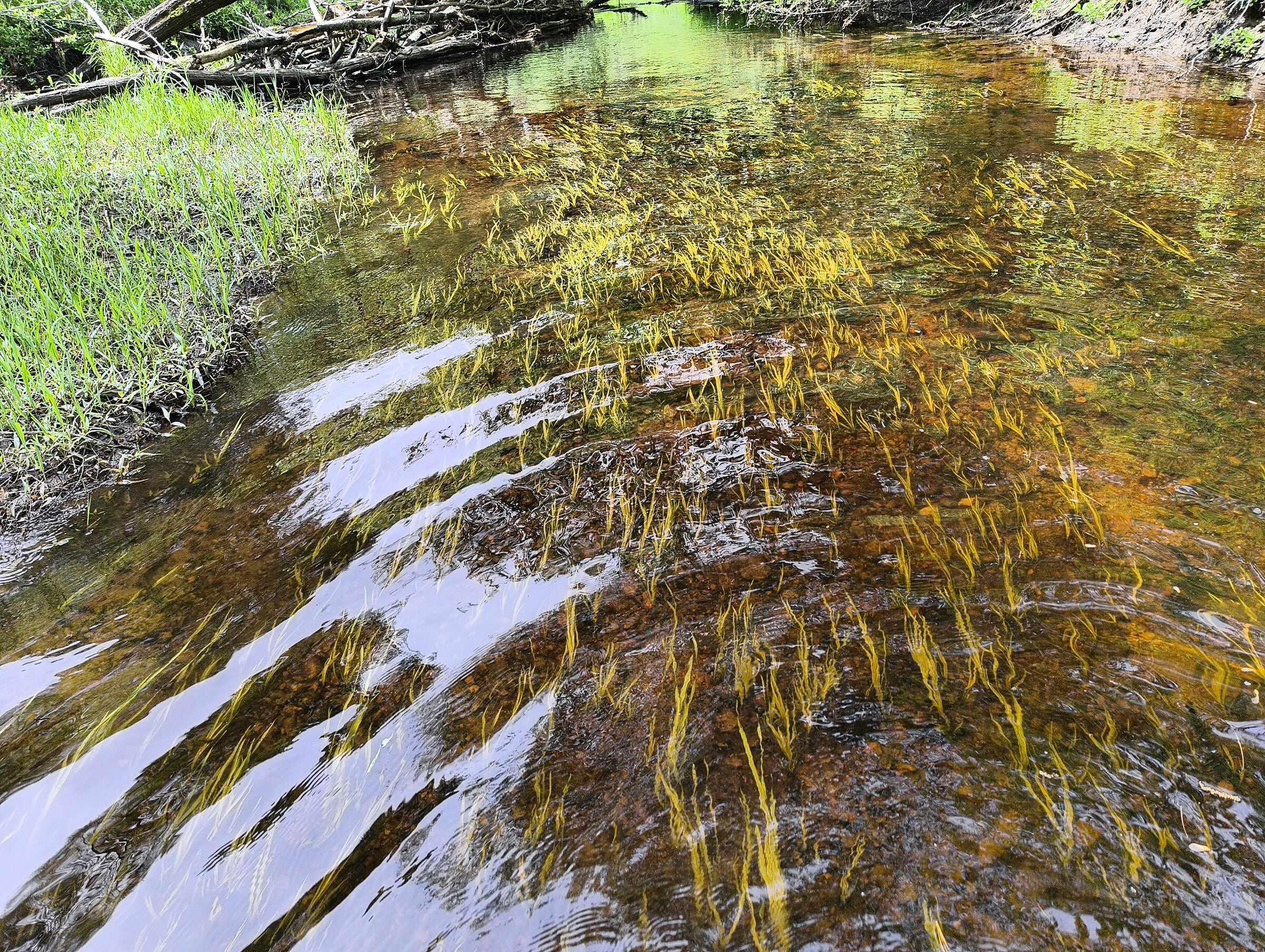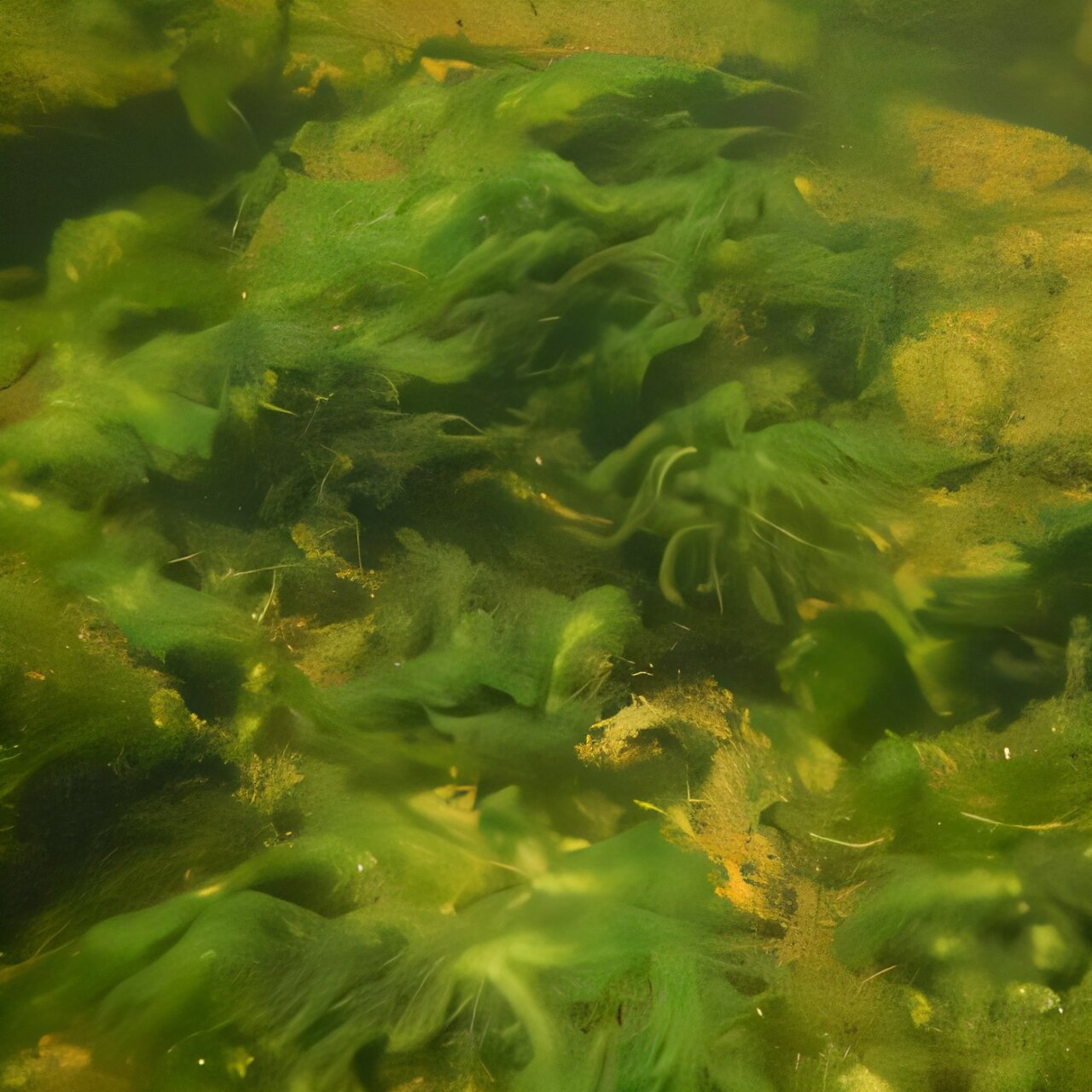
Mats in the Shenandoah River. Credit: George Mason University
You've probably seen slimy mats of brownish green clinging to rocks in streams or on lake beds, and perhaps not given it another thought. But George Mason University's Rosalina Stancheva Christova has. For more than 20 years, Christova, an assistant professor in the College of Science, has been researching Microcoleus, a common mat-forming cyanobacterium found in streams and lakes worldwide. The troublesome thing about Microcoleus is that some strains pose a risk to human, animal, and aquatic ecosystem health, but others do not.
Christova leads the Algal Ecology Lab at George Mason and wanted to learn more about Microcoleus in George Mason's backyard—the Shenandoah River. To do so, she reached out to a colleague at the University of Virginia's College at Wise, A. Bruce Cahoon, who shared her interest in the research. Together, Christova and Cahoon set out to study the species' diversity, distribution, and toxicity in the Shenandoah.
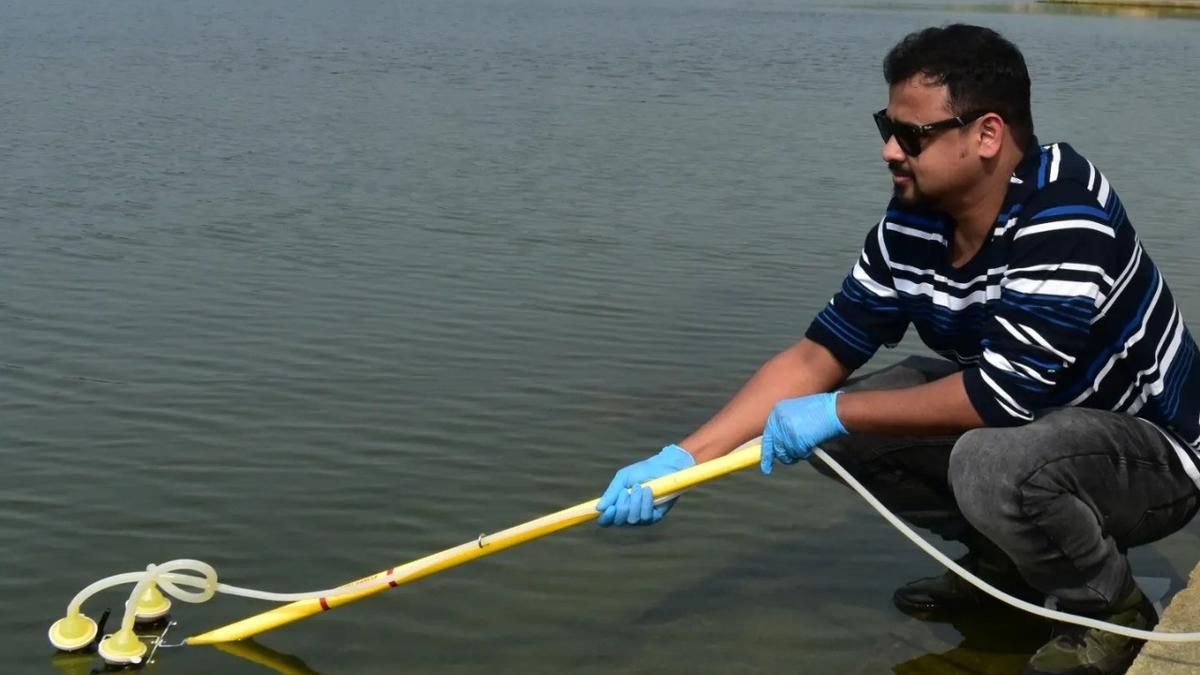
4-VA approved their collaborative research grant proposal, "Integrative Characterization of the Anatoxin-a-Producing Benthic Cyanobacterial Genus Microcoleus in the Shenandoah River," and Christova and Cahoon got to work. Research began with the collection of benthic mats over a two-year period from 11 sites in the North and South Forks of the Shenandoah River.