Environmental and public health researchers are warning that a little-known group of microbes could become a much bigger threat to human health. These organisms, known as free living amoebae, are found in water and soil, but scientists say some species are becoming increasingly concerning as the world warms and water systems age.
In a perspective published in the scientific journal Biocontaminant, researchers describe free living amoebae as an overlooked public health risk that needs far more attention. They point to climate change, aging water infrastructure, and weak monitoring systems as factors that could allow dangerous amoebae to spread and become harder to control.
Why Some Amoebae Are Dangerous
Amoebae are single celled organisms that commonly live in natural environments such as lakes, rivers, soil, and water systems. Most do not harm humans, but a small number can cause severe disease.
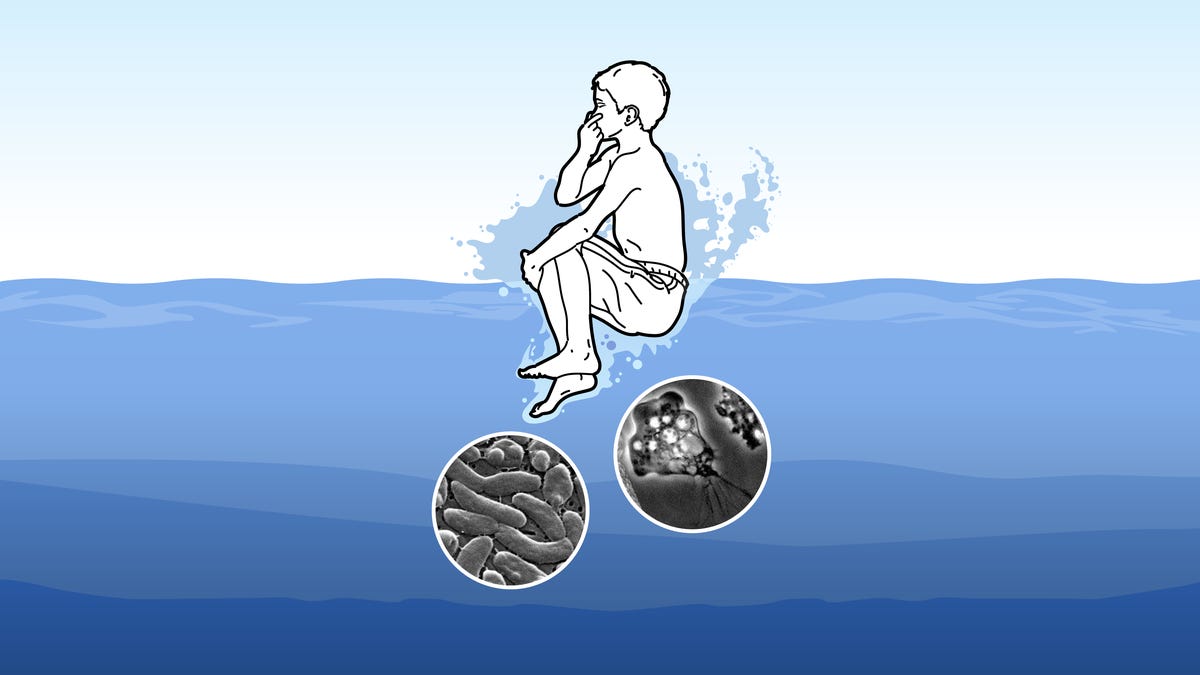
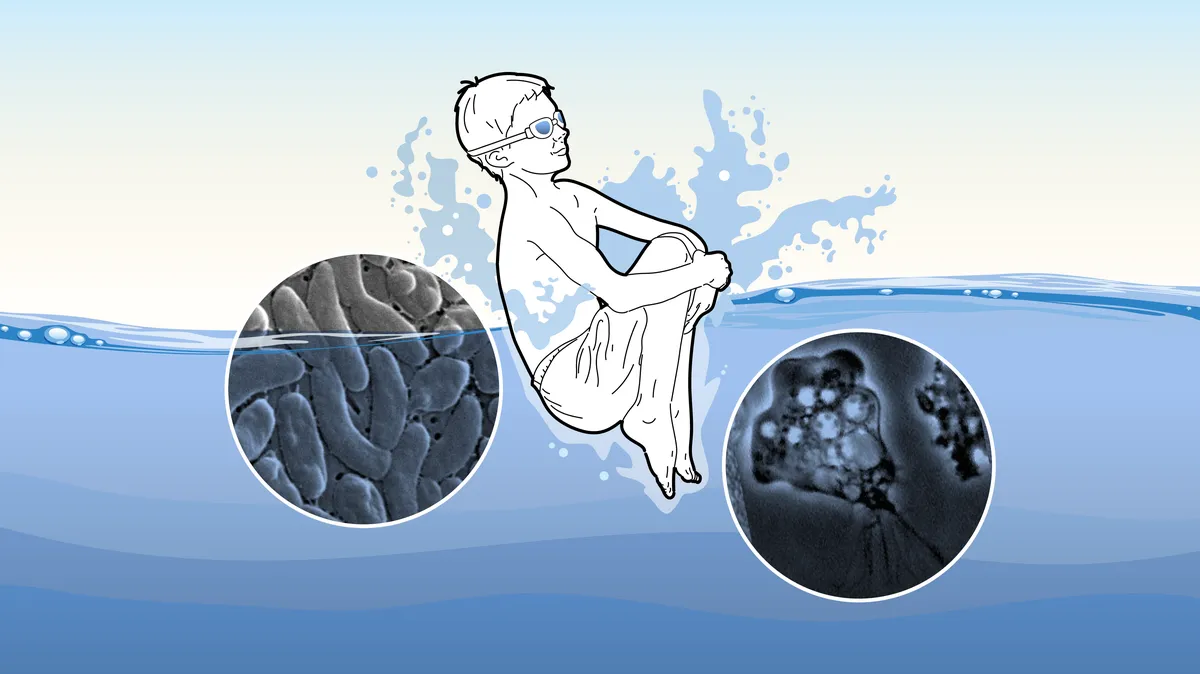
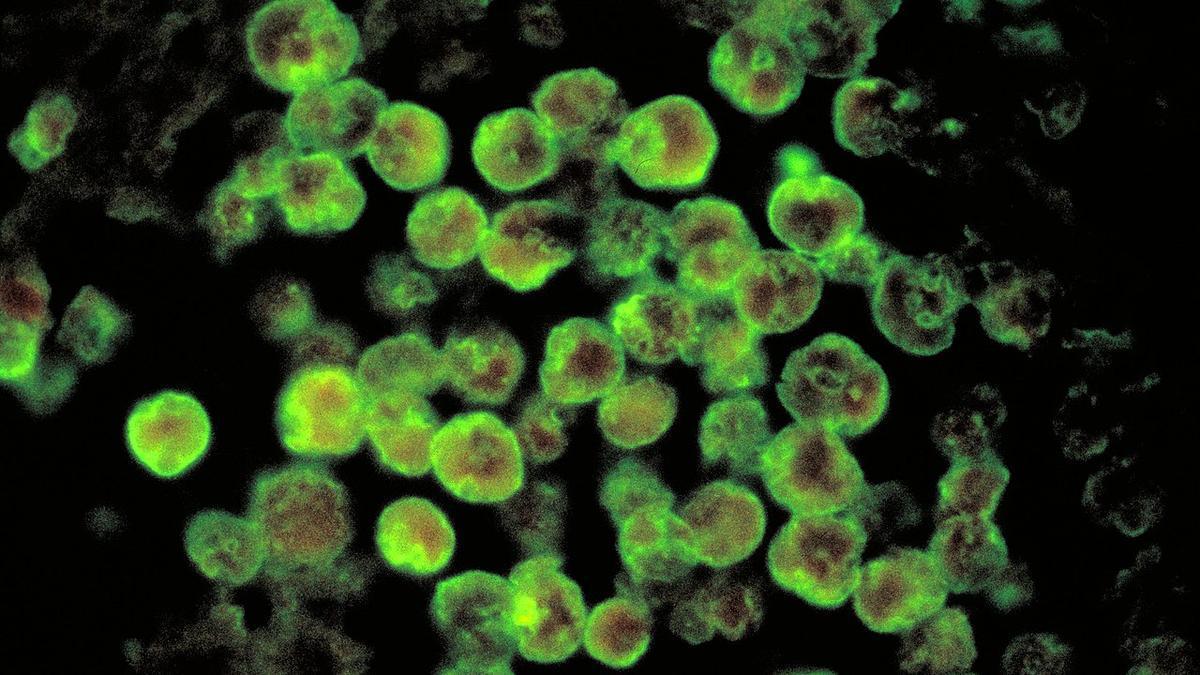
One of the best-known examples is Naegleria fowleri, sometimes called the brain eating amoeba. This organism can cause a rare but extremely deadly brain infection when contaminated water enters the nose, often during swimming or other recreational water activities.