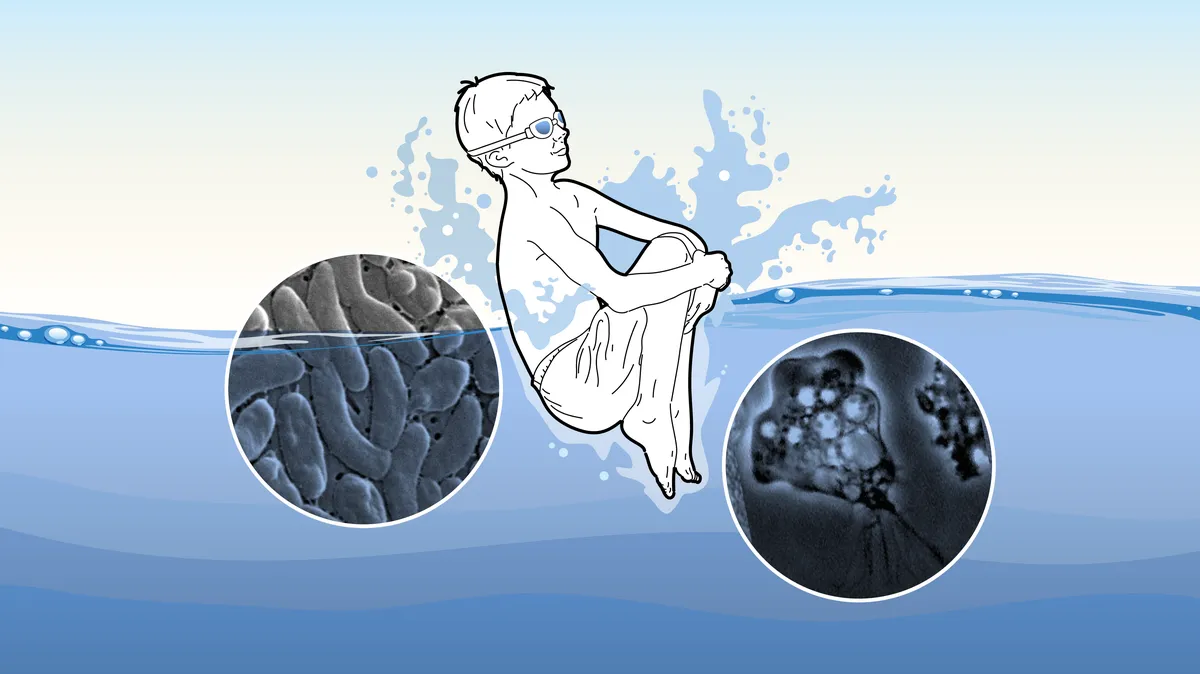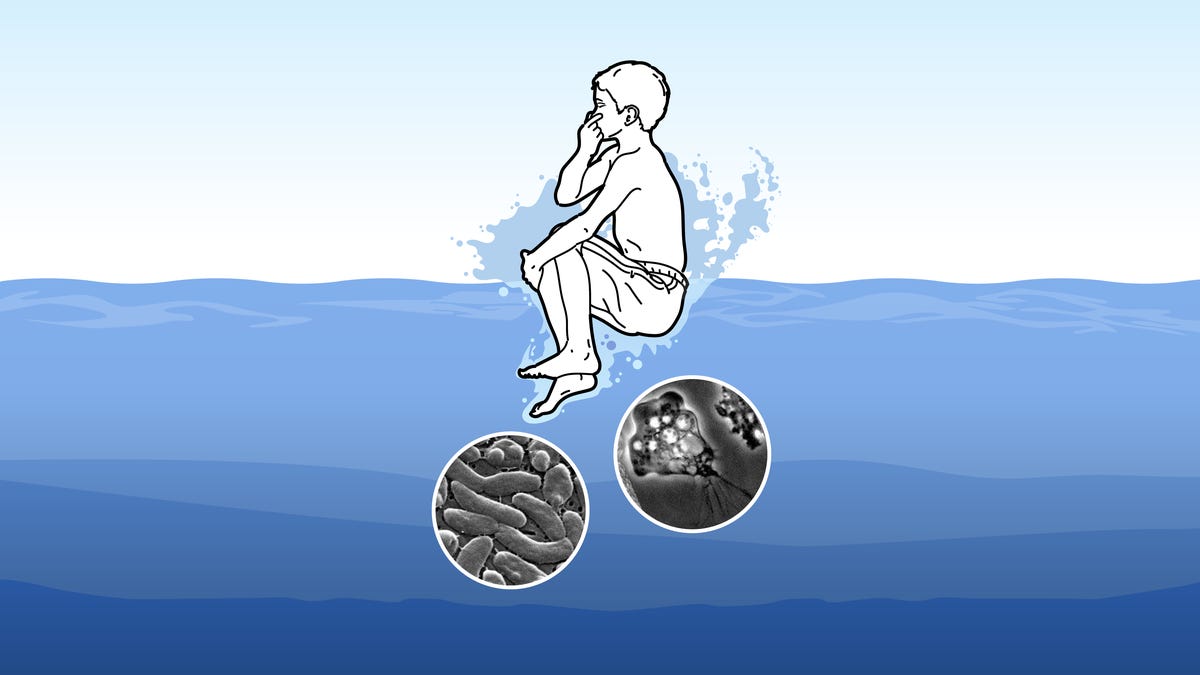
For most people, swimming in a lake or river is the best way to cool off on a hot summer's day. But there are more than frogs and fish in those waters – microscopic pathogens that can cause serious illness, and in extreme cases, even death, are lurking below the surface.
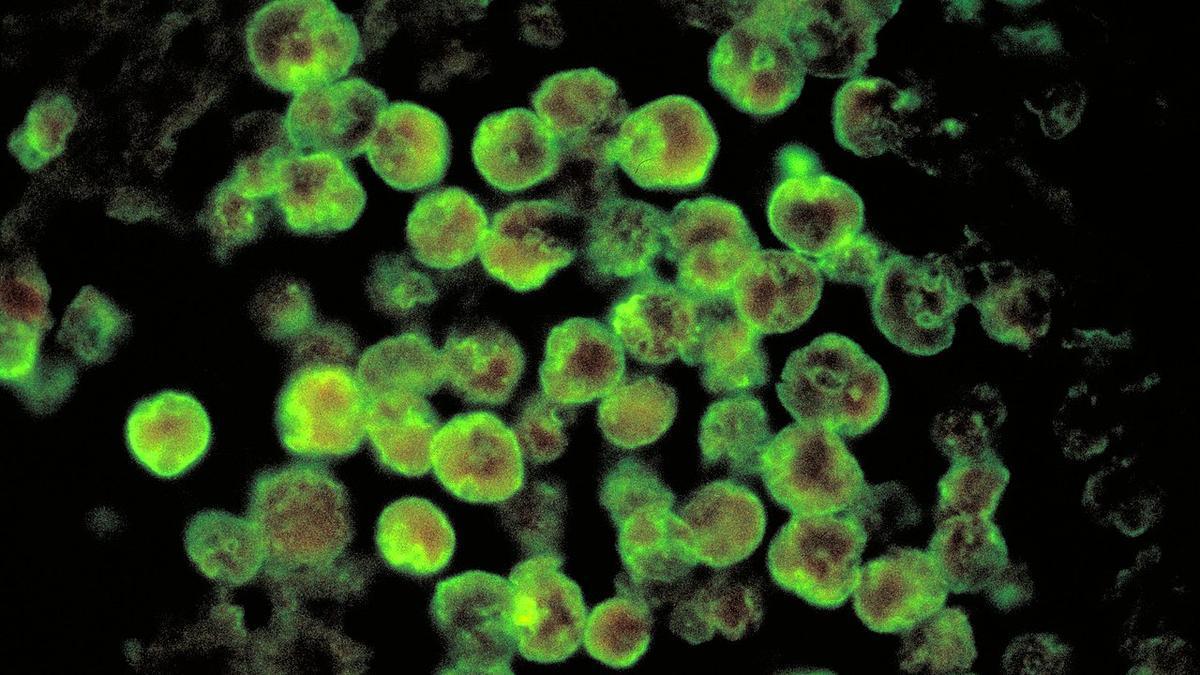
Two waterborne pathogens have been increasing in freshwater lakes and brackish waters across the U.S. in recent years, due to the warming trends of climate change, according to the Centers for Disease Control and Prevention. The culprits are the rare "flesh-eating" bacteria (scientific name Vibrio vulnificus) and the "brain-eating" amoeba (scientific name Naegleria fowleri).
In early July, a boy died from the brain-eating amoeba, after swimming in a South Carolina lake. Four other people have died after contracting the rare flesh-eating bacteria in Florida this year, state health officials confirmed.
The brain-eating amoeba and flesh-eating-bacteria are known to thrive in warm water environments.
The brain-eating amoebas are more commonly found in warm freshwater lakes and rivers, while the flesh-eating bacteria are primarily found in warm brackish water, which is a mix of fresh and salt water.