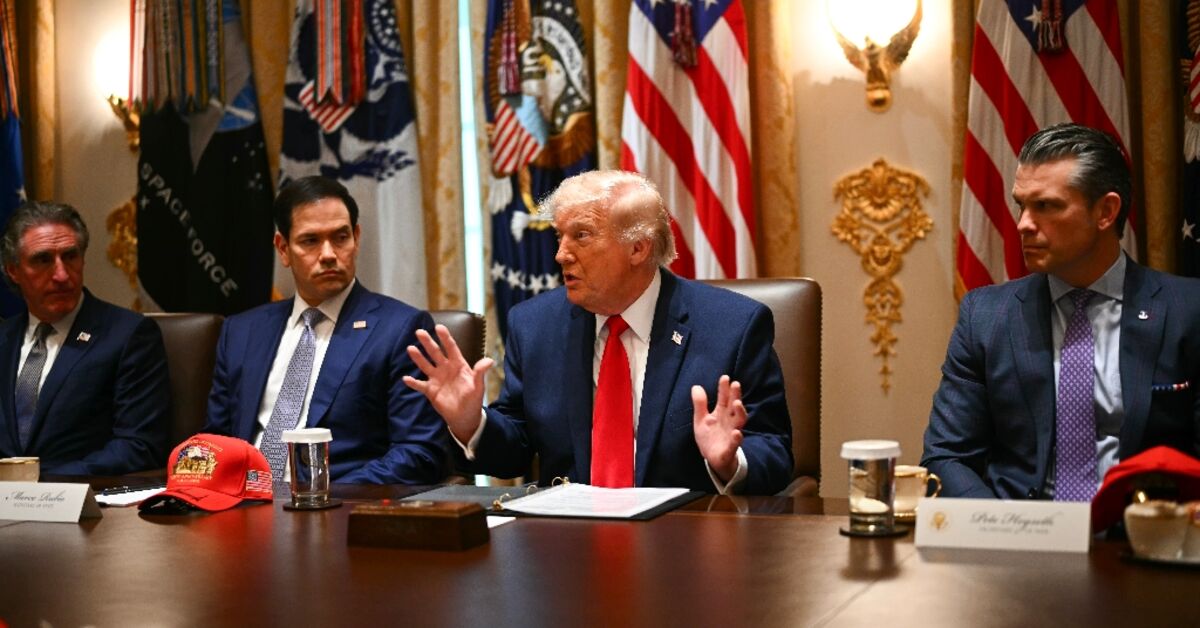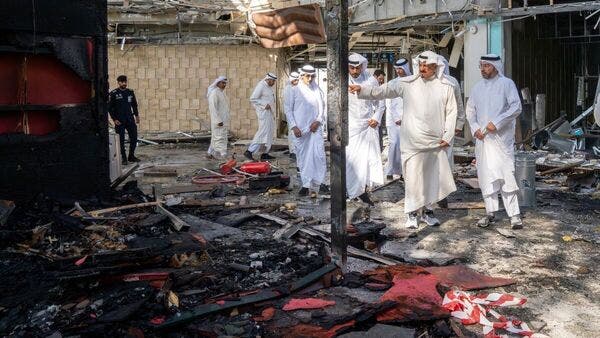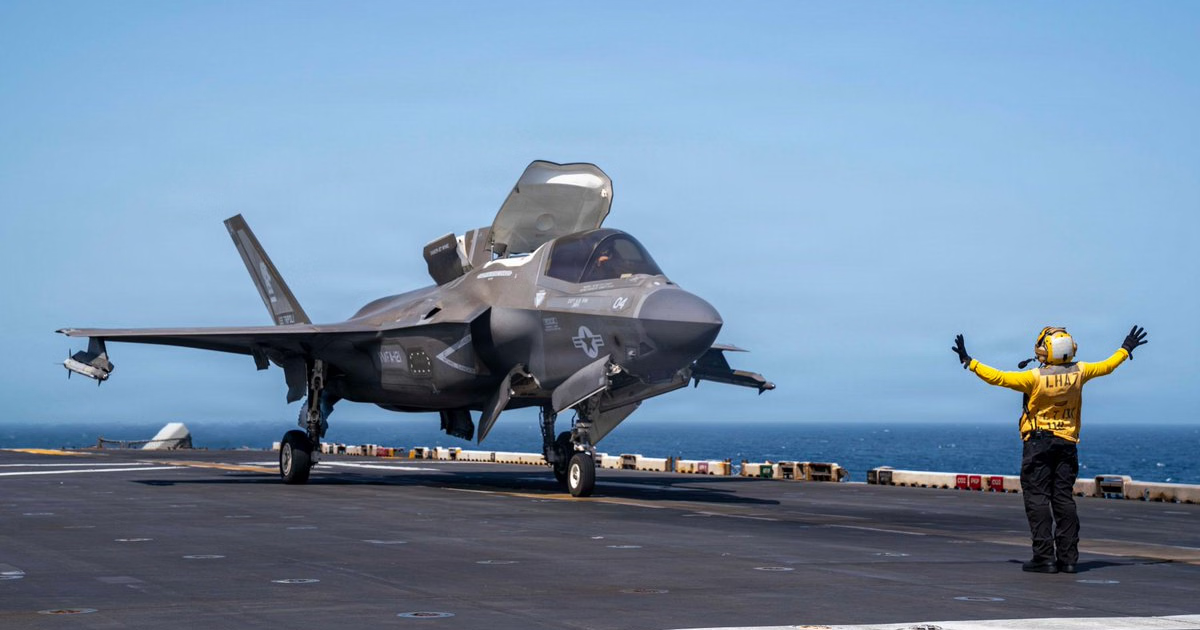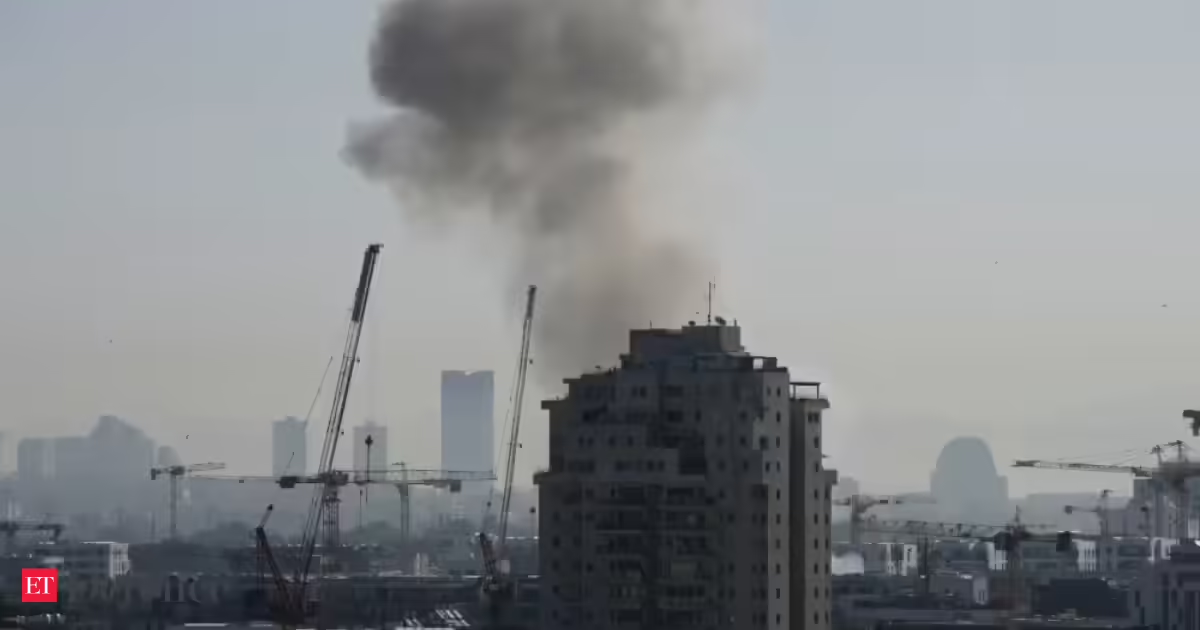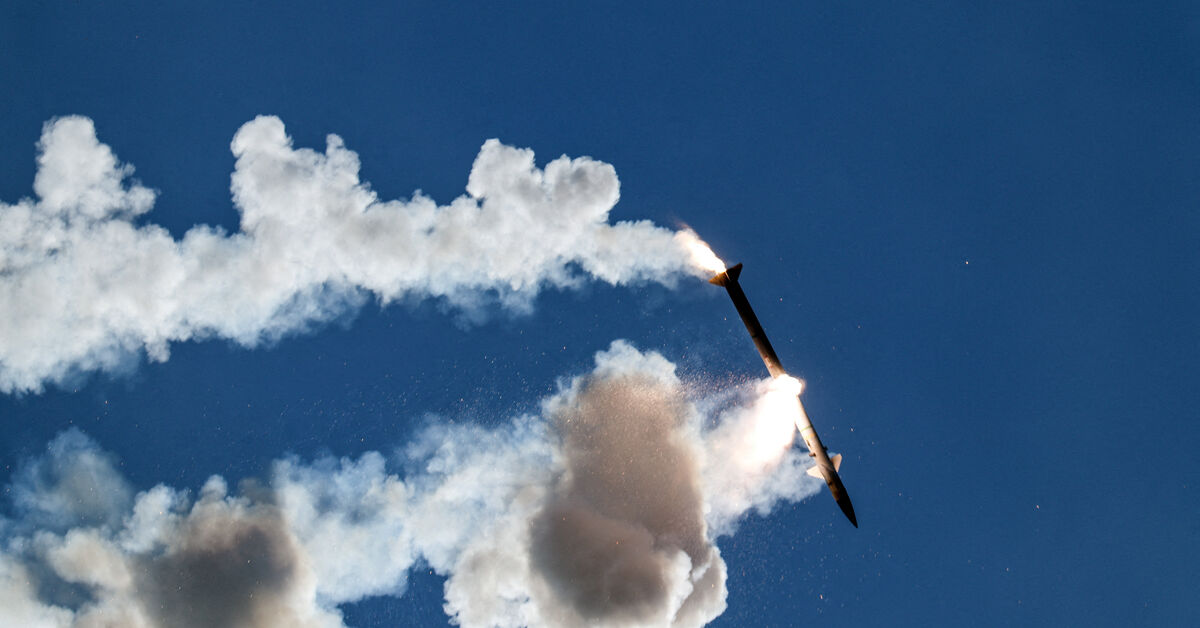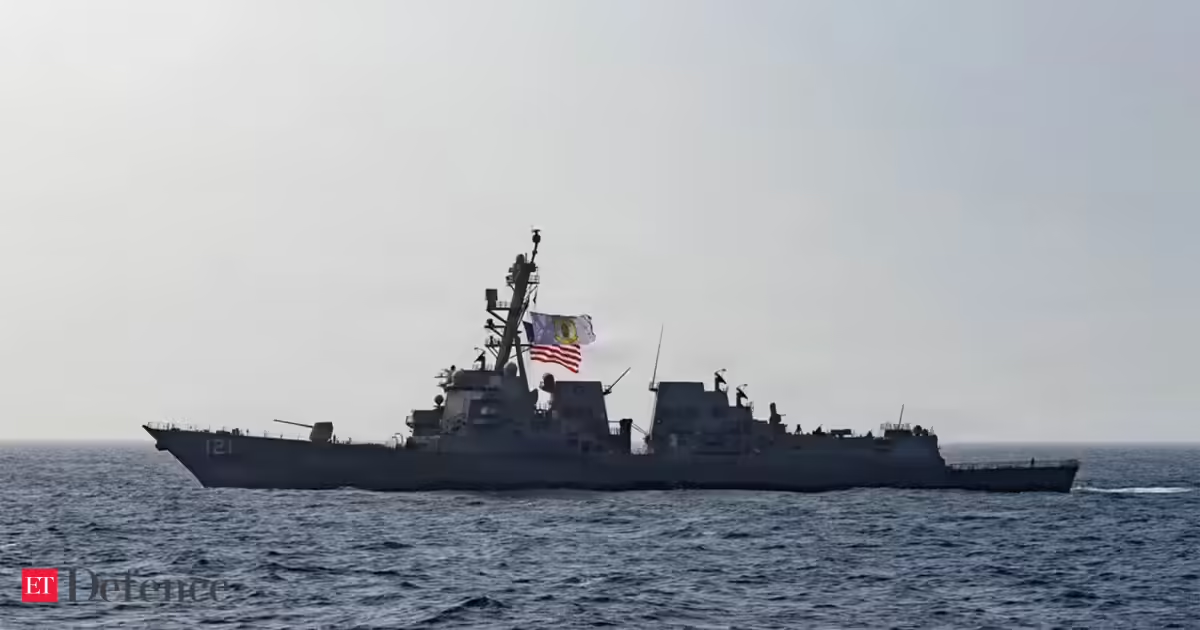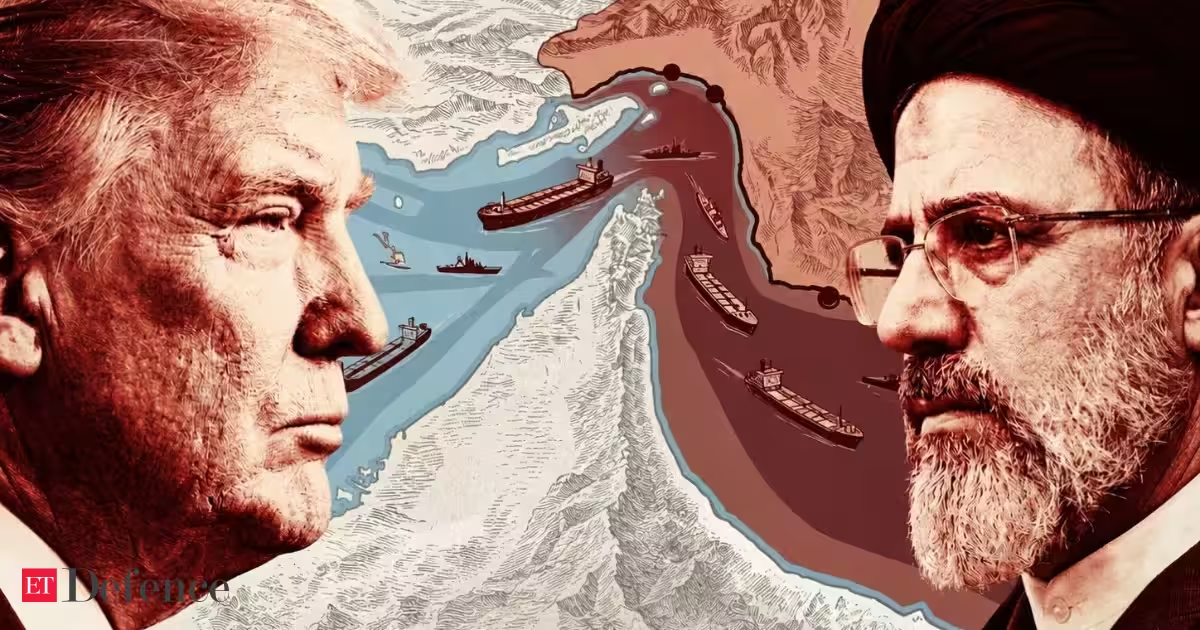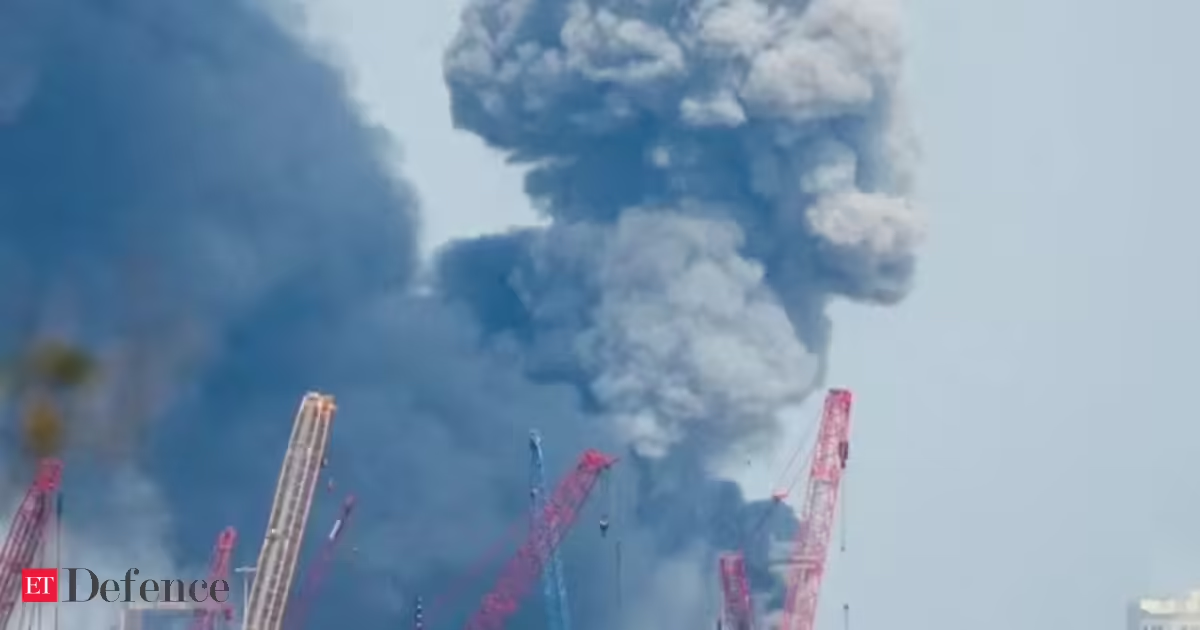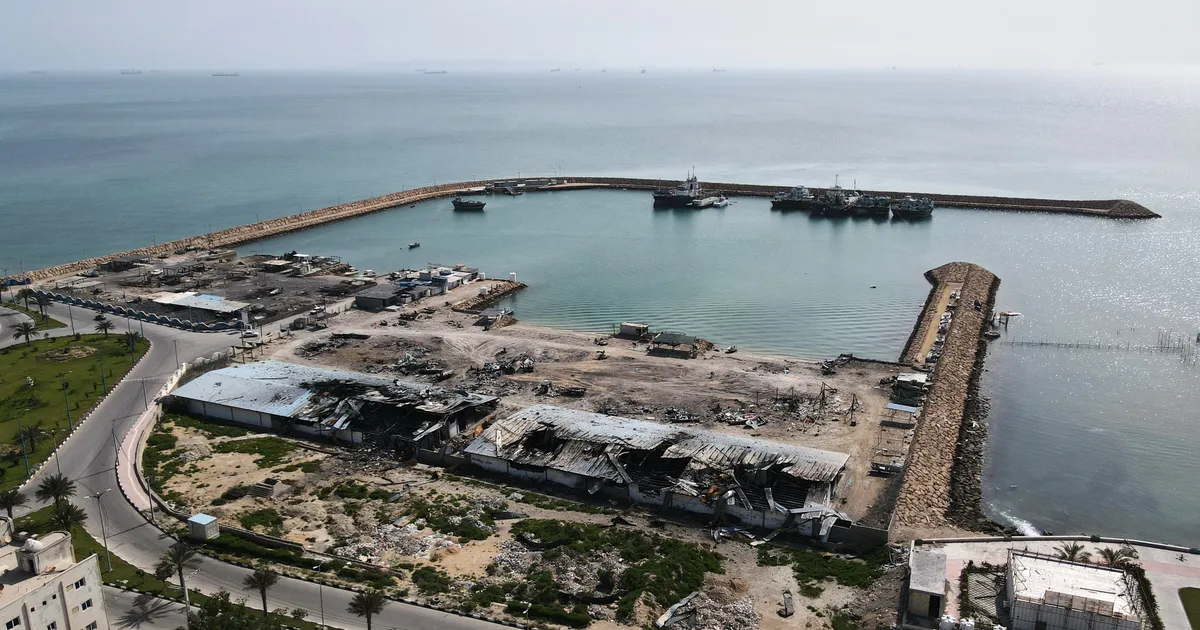
DUBAI, June 1 (Reuters) - Iran and the United States said they had both carried out strikes on military targets, and each accused the other of acting aggressively as diplomatic efforts to end three months of war drag on.The U.S. military said it had at the weekend struck Iranian air defenses, a ground control station and two drones that were threatening ships after “aggressive Iranian actions”, including shooting down a U.S. drone over international waters.Iran’s Islamic Revolutionary Guard Corps said on Monday it had targeted an air base used by the U.S. in response to an attack on southern Iran.It did not identify the base, but Kuwait activated air defenses on Monday and denounced Iranian missile and drone attacks, which it said were undermining efforts to reduce tensions in the region.Israel Pushes Deeper Into LebanonOil prices, which have risen sharply since the start of the war, gained more than 3% on Monday after the strikes. Tensions were also fuelled by Israel ordering troops to move further into Lebanon against Tehran-backed Hezbollah, in a conflict that was reignited by the U.S.-Israeli war against Iran.The U.S. and Iran have sporadically exchanged strikes since a ceasefire took effect in early April, while Pakistan has been mediating efforts to secure a more durable agreement. An exchange of strikes last Thursday was described in similar terms by each side.The war launched by the U.S. and Israel on February 28 has killed thousands of people, mainly in Iran and Lebanon. It has also caused global economic pain by pushing up energy prices since Iran effectively closed the Strait of Hormuz, a vital global supply route for oil and liquefied natural gas.Stop Negative ‘Chirping,’ Trump SaysIn a late-night social media post, U.S. President Donald Trump did not mention the exchange of hostilities, repeating his assertion that Iran “really wants to make a deal”.He berated critics, including what he described as “seemingly unpatriotic Republicans”, for negative “chirping” about negotiations to end the conflict.“Just sit back and relax, it will all work out well in the end - It always does!” he said.In a late-night social media post, U.S. President Donald Trump did not mention the exchange of hostilities, repeating his assertion that Iran "really wants to make a deal."AP Photo/Jacquelyn MartinDespite Trump’s remarks, Iranian Foreign Ministry spokesperson Esmaeil Baghaei accused Washington on Monday of constantly shifting its negotiating stance and condemned what he called U.S. aggressive action.He said sending contradictory messages would not work as a negotiating tactic, and urged Washington to reach a clear and definitive position as soon as possible.“Negotiations have started amid severe suspicion and mistrust, and the exchange of messages is taking place in this atmosphere,” Baghaei said.“The other party is constantly changing its views and putting forward new or contradictory demands (...) it is natural that this situation will prolong negotiations,” he said, adding that Tehran viewed Israeli actions in the region, including in Lebanon, as inseparable from those of the U.S.Sides At Odds On Several IssuesTrump is under pressure to reopen the Strait of Hormuz and get U.S. gasoline prices down before November congressional elections, as voters show increasing frustration over rising prices. At the same time, he faces a potential backlash from Iran hawks in his own party over any concessions to Tehran.Trump has said his main aim in the war is to prevent Iran from developing a nuclear weapon with its highly enriched uranium. Tehran denies planning to develop a nuclear arsenal.The two sides remain at odds on several other issues, such as Tehran’s demands for the lifting of sanctions and the release of tens of billions of dollars of Iranian oil revenues frozen in foreign banks.Israel’s war in Lebanon with the Iranian-backed Hezbollah militia is another impediment.Israeli Prime Minister Benjamin Netanyahu said on Sunday he had ordered troops to move further into Lebanon in the battle against Hezbollah.Netanyahu on Monday ordered the military to attack targets in the Lebanese capital Beirut’s southern suburbs, a Hezbollah stronghold. His office accused Hezbollah of repeated violations of a ceasefire agreed in late April.U.S. Secretary of State Marco Rubio spoke with both Lebanese President Joseph Aoun and Netanyahu on the diplomatic negotiations between Israel and Lebanon and has proposed a plan to allow for “gradual de-escalation,” a U.S. official said.(Reporting by Reuters bureaus; Writing by Lincoln Feast and Timothy Heritage; Editing by Raju Gopalakrishnan and Alex Richardson)
Iran And U.S. Trade Strikes, Kuwait Comes Under Fire As Diplomacy Drags On
Oil prices, which have risen sharply since the start of the war, gained more than 3% on Monday after the strikes.
724 words~3 min read