The quantum computing industry has spent the last three years measured almost entirely in qubits. Willow’s 105. Nighthawk’s 120. The 540-qubit superconducting platform that integrated nearly 700 control lines into a single cryostat last year. The qubit count is the headline number, and for good reason.
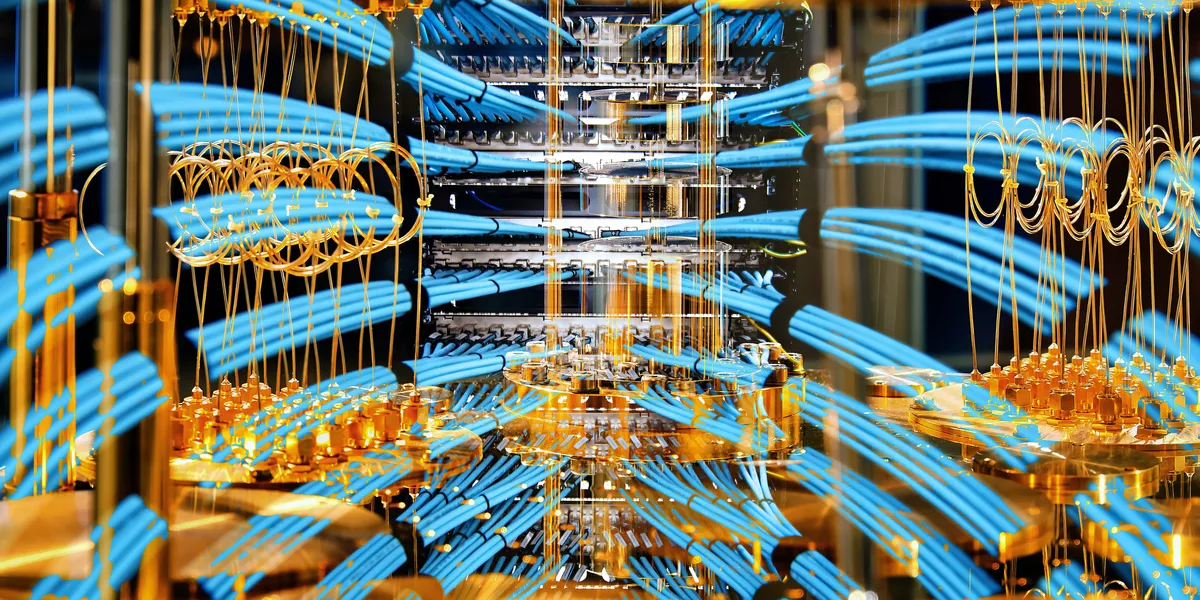
But inside the labs trying to push superconducting systems past today’s ceiling, engineers spend a surprising amount of time talking about something far less photogenic: the cables.
Every superconducting qubit needs multiple control and readout lines threading from room-temperature instrumentation down to the millikelvin plate where the processor sits. Every additional line carries heat, takes up space, and introduces electromagnetic noise. At a few hundred qubits, the wiring is already hand-built artisanal work. At a few thousand, it stops fitting. At the million-qubit scale fault-tolerant computing requires, the conventional approach simply doesn’t work.
That’s the bottleneck a company called QTREX is positioning itself around.
The Wall the Industry Walked Into