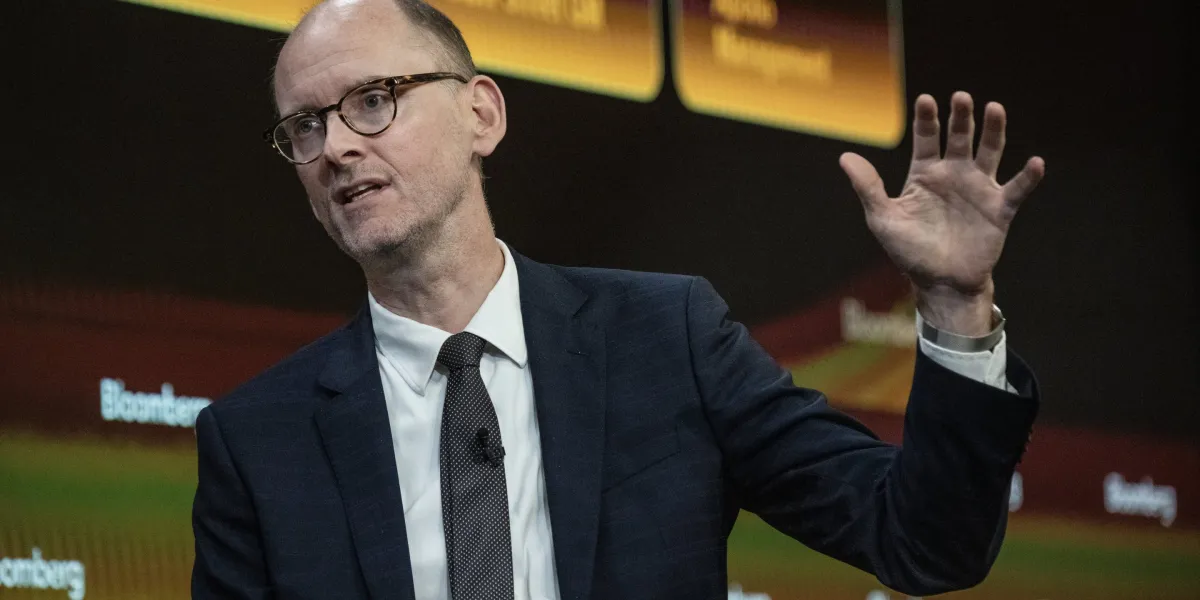
Sløk pointed to ADP employment data as evidence, concluding that the AI spending frenzy is “stoking both employment and inflation.” And thanks to the tech boom, he even believes that nonfarm payrolls in May—accounting for all U.S. workers excluding agriculture laborers, private household staffers, non-profit employees, and government professionals—could come in higher than the 95,000 jobs that are generally predicted.
The economist says this is the Jevons paradox taking shape: cheaper technology generates more demand and work for humans. This idea contrasts with the notion that AI could be a money-saver as opposed to employing a legion of human staffers, who come with costly salaries, benefits, and PTO. Instead, Sløk believes this tech revolution only increases demand for human beings—albiet, ones with AI skills who can help drive the business into the future.
“Instead, many firms are hiring AI implementation experts,” Sløk said in a recent blog post. “And the data center buildout is putting upward pressure on salaries for AI experts and on prices of semiconductors, equipment and energy.”
Companies are cutting jobs in the name of AI
Ever since ChatGPT stepped onto the scene in 2022, workers have been hand-wringing over the fate of their careers—all while leaders have stoked fears with alarming predictions.