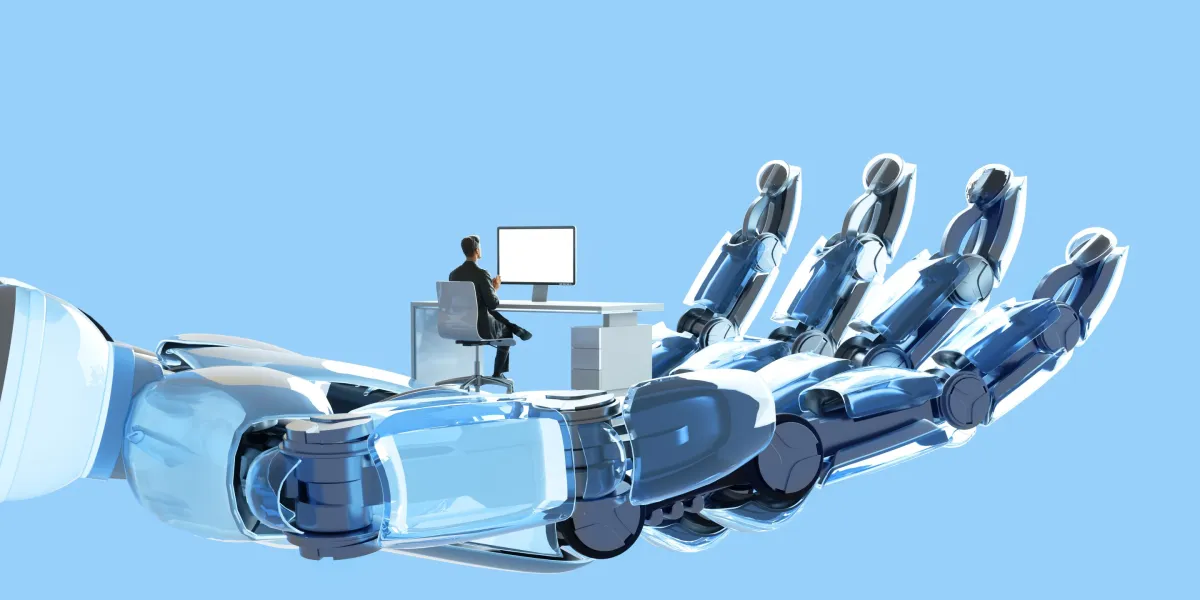
Too often, public debate rewards dramatic predictions. Think tank gurus and activists win viral attention, warning that a new technology will destroy society, then sell their preferred policy as the only way to avert disaster. The more counterintuitive possibility, that innovation might strengthen workers and expand opportunity, rarely breaks through.This distortion was on full display when the godfather of modern AI became so certain the machines had won that he urged us to stop training an entire specialty of physicians. In 2016, Geoffrey Hinton delivered the verdict as if it were settled science. “People should stop training radiologists now,” he said. Within five years, he predicted, computers would read medical scans better than any doctor alive. The humans were finished.A decade later, that verdict has aged poorly. Radiologists are not obsolete. They are among the most sought-after doctors in America, with some compensation packages reaching $571,000. The Mayo Clinic’s radiology staff has grown by more than half in a decade. The American College of Radiology projects the specialty will expand by 26% over the next three decades. Far from a glut of idle image-readers, the country faces its largest radiologist shortage on record, with scans at some centers backlogged for months.
The ‘AI kills jobs’ myth is collapsing — great news for job seekers
AI isn’t destroying jobs — it’s driving hiring and exposing a growing worker shortage, as new data shows employment rising alongside automation.
788 words~4 min read