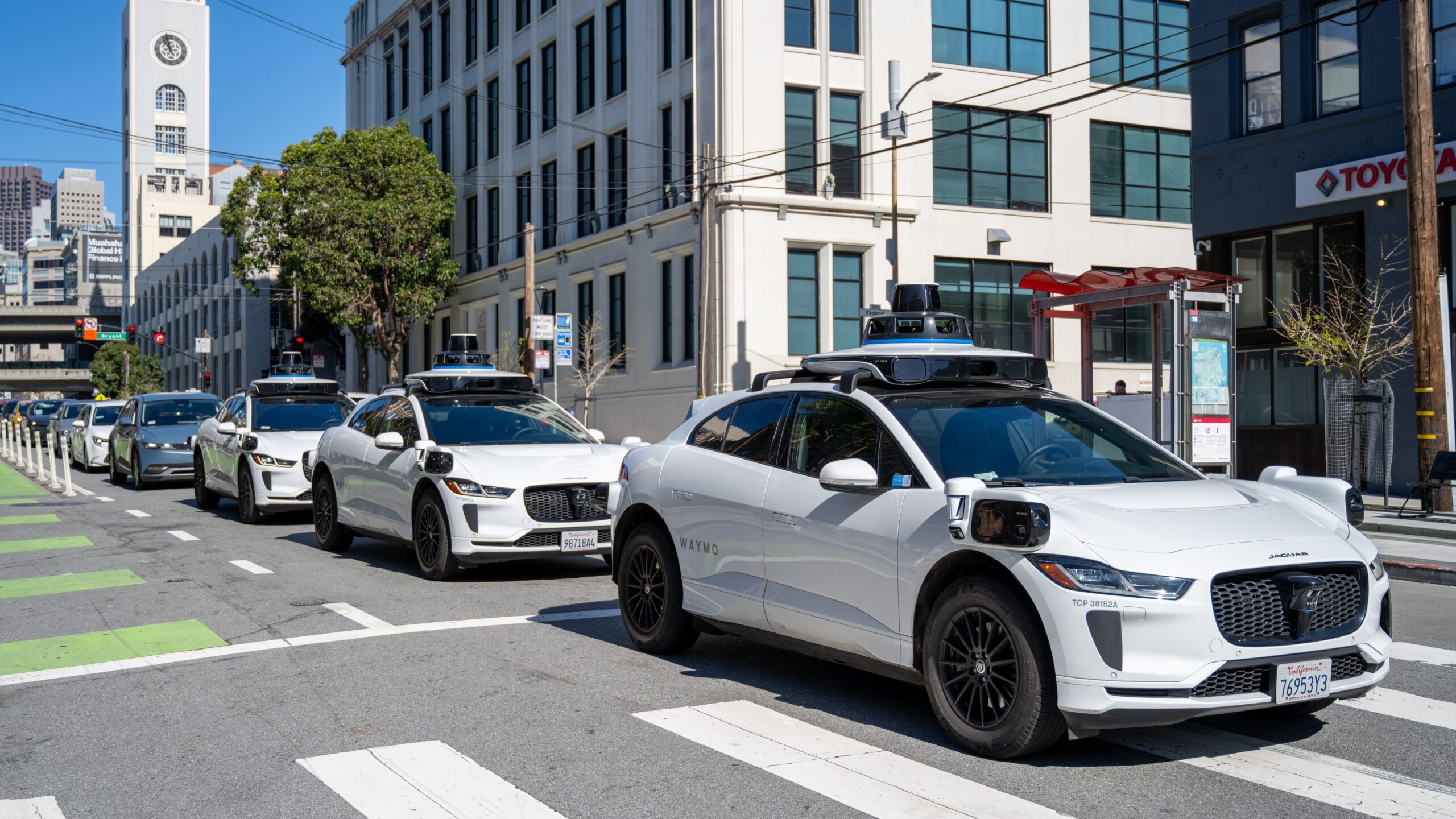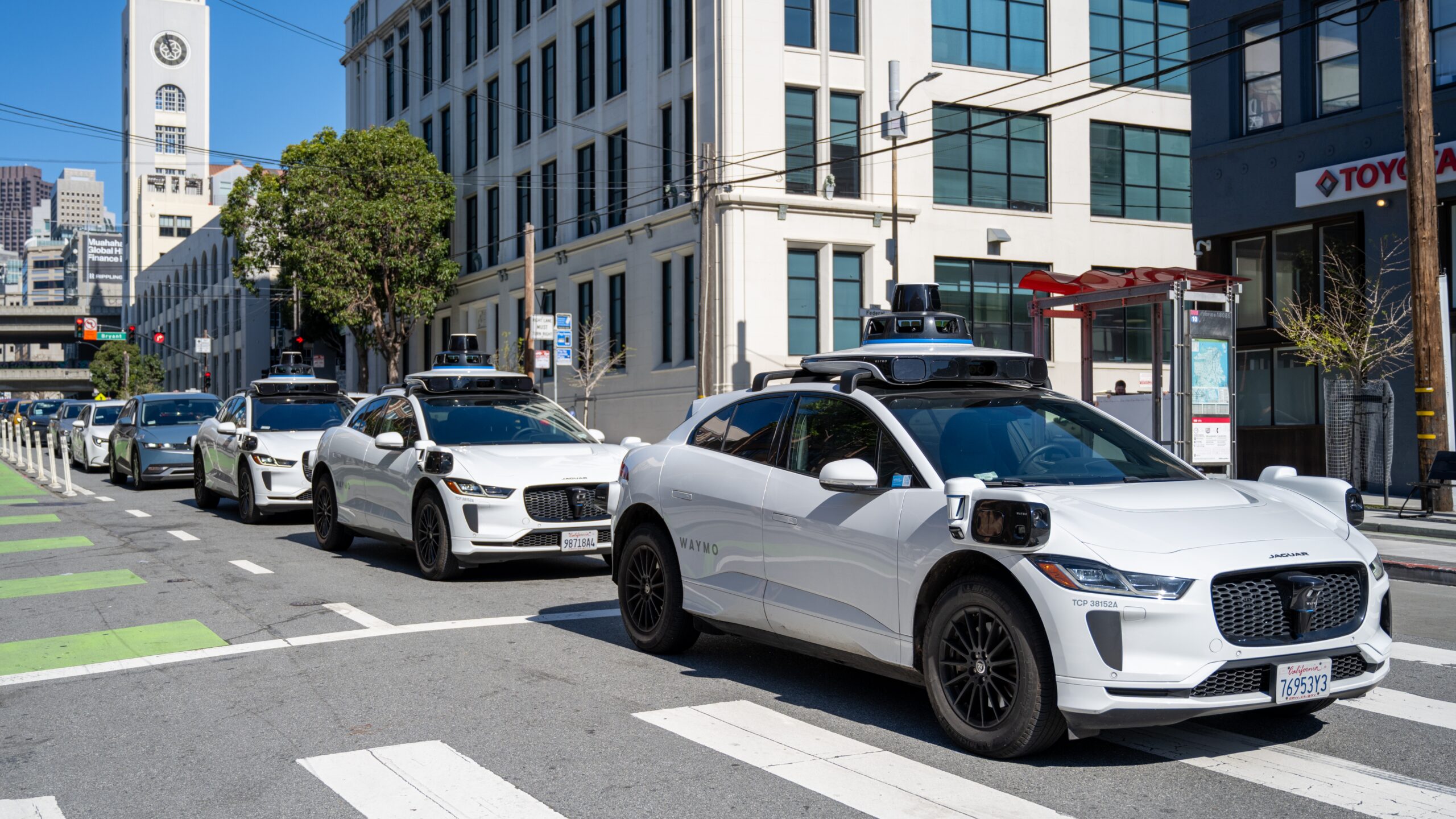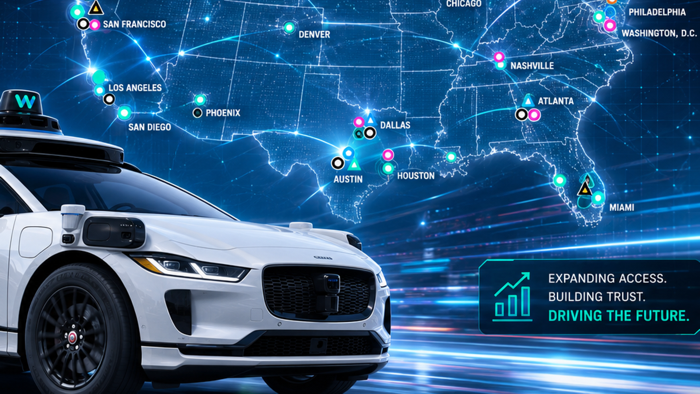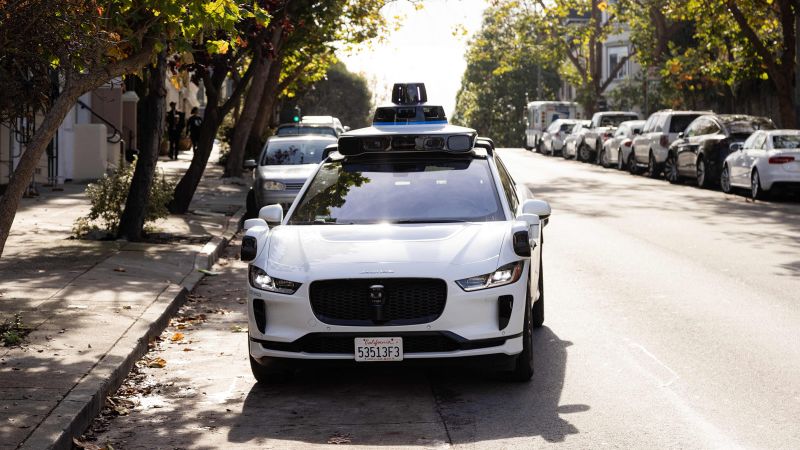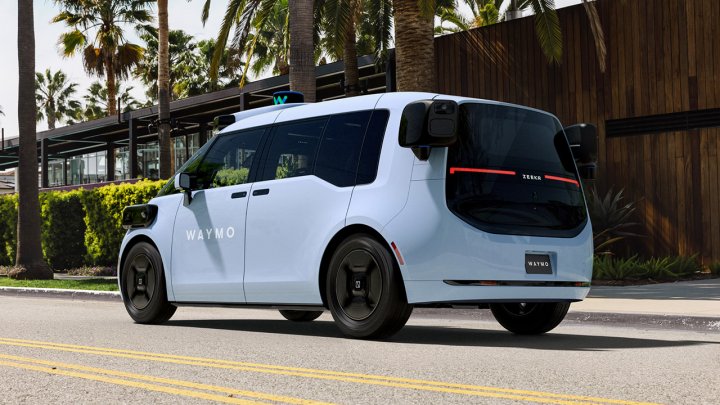
David Roberts is the President and Chief Executive Officer of Verra Mobility, a leading provider of smart mobility technology solutions.gettyOn Dec. 20, 2025, a PG&E outage knocked out traffic signals across large sections of San Francisco. The city’s 911 dispatch center began receiving calls about driverless Waymo vehicles stopped in travel lanes. By Waymo’s accounting, its fleet stopped 1,593 times for two minutes or more. Dispatchers called Waymo 31 times to get vehicles moved, and one caller was left on hold for 53 minutes.Leaving a first responder on hold for almost an hour exposes a real constraint in today’s robotaxi model. The vehicle may be driverless, but the system still depends on humans. When an autonomous vehicle (AV) gets stuck or becomes overly cautious, remote operators often become the backstop. During a widespread disruption, that backstop turns into a queue, and that queue pulls responders away from real emergencies.In a hearing before San Francisco supervisors, Waymo representatives took full responsibility for the incident. They said the company had already made staffing changes and deployed the ability to send instructions directly to vehicles in a broad outage. But with AV companies, including Zoox, Tesla, Uber and smaller startups, deploying in more cities across the U.S., there’s a need for a coordinated systemwide approach.Local governments are being asked to manage curb space, traffic flow and incident response for fleets that do not respond to a hand wave from an officer or a shouted instruction at an intersection. As San Francisco and other officials have said, we can’t rely on first-responders to act as roadside assistance for autonomous vehicles. This is the technology and policy gap that needs to be closed. Cities need a control layer that works at speed, and that means sending directives to vehicles in a form they can ingest immediately.A Digital Version Of Caution TapeWhen firefighters or police arrive at a hazard, they can put up tape, close a lane and redirect traffic in minutes. Autonomous fleets need the same clarity, delivered through systems rather than improvisation.California’s AB 1777 is an important step in this direction. Starting July 1, 2026, it requires a dedicated emergency line and two-way voice communications so emergency officials can reach a remote human operator within 30 seconds. More importantly, it authorizes “emergency geofencing messages” that direct autonomous vehicles to leave a defined area because of an emergency. AB 1777 also creates a workable mechanism for enforcement when there is no driver to cite. Peace officers can issue a notice of autonomous vehicle noncompliance for a vehicle code violation or local traffic ordinance violation when autonomous technology is engaged. Congestion: Part Of The Safety ConversationEmergency response is the sharpest edge of the problem, but cities also have to plan for what happens when robotaxis scale on ordinary days.We have been here before. The San Francisco County Transportation Authority has found that ride-hailing services accounted for about half of the rise in congestion in San Francisco between 2010 and 2016. More vehicles and more curb activity increased delay, even as the services made trips easier for individual riders.Creating A National Learning System, Not 50 Different PlaybooksThere is also a data gap hiding in plain sight with AVs. NHTSA’s Standing General Order requires manufacturers and operators to report crashes involving automated driving systems when the system was engaged within 30 seconds of the crash and certain thresholds are met.Crash reporting matters, but the San Francisco blackout shows why this is not sufficient. Cities care about whether a vehicle blocks a lane for long stretches, whether it delays an ambulance, whether it enters a restricted scene and how quickly an operator responds. Those are safety issues even when no one is hurt and no crash report is filed.Aviation offers a useful model for autonomous vehicles. A credible national framework that offers safety, equity and accessibility would need to:• Define the event types cities actually experience. Not just crashes, but obstructions, emergency scene conflicts, unexpected stops in travel lanes and response-time performance.• Standardize data formats and time stamps. Cities will need a consistent data exchange framework to effectively track, compare and analyze safety events across operators to inform policy decisions fairly across providers.• Enable independent analysis. Cities and researchers need trusted, comparable data to evaluate claims and detect emerging risks.• Protect sensitive details without hiding the pattern to earn public trust. Operators can keep proprietary details confidential while still sharing what happened, where and how it was resolved in order to facilitate learnings and gain acceptance. • Evaluate options for automated enforcement. With staffing shortages at many police departments, several cities are seeing success using automated enforcement to improve safety and monitoring for both AVs and human-driven vehicles.Closing ThoughtsLooking forward, cities and states will be watching California’s implementation of AB 1777 closely as an early test of what it takes to make emergency “avoid zones” and enforceable compliance work day to day. Still, the fastest progress will come from sustained cooperation: shared playbooks for outages and major events, clear points of contact that do not rely on a hotline queue and agreed-upon performance measures that reflect local priorities such as speeding trends and traffic deaths. Communities also need practical answers to questions that sound simple but can be the difference in building public trust: how an officer can legally issue a moving violation when there is no driver and how AVs behave near school loading zones and school buses. San Francisco’s blackout was a warning. It showed what happens when fleets that depend on remote human support meet a citywide disruption. If robotaxis are going to scale, cities and states need a policy framework to support compliance, while creating a faster control layer built around machine-readable communication systems and workable enforcement to keep the industry’s hard lessons from staying siloed. This will make it easier and safer for AVs to operate effectively with all the other cars, trucks, bikes and pedestrians sharing our roads.Forbes Technology Council is an invitation-only community for world-class CIOs, CTOs and technology executives. Do I qualify?
The Next Big Challenge For Robotaxis Is Civic Coordination
If robotaxis are going to scale, cities need a control layer that works at speed.
1,001 words~5 min read