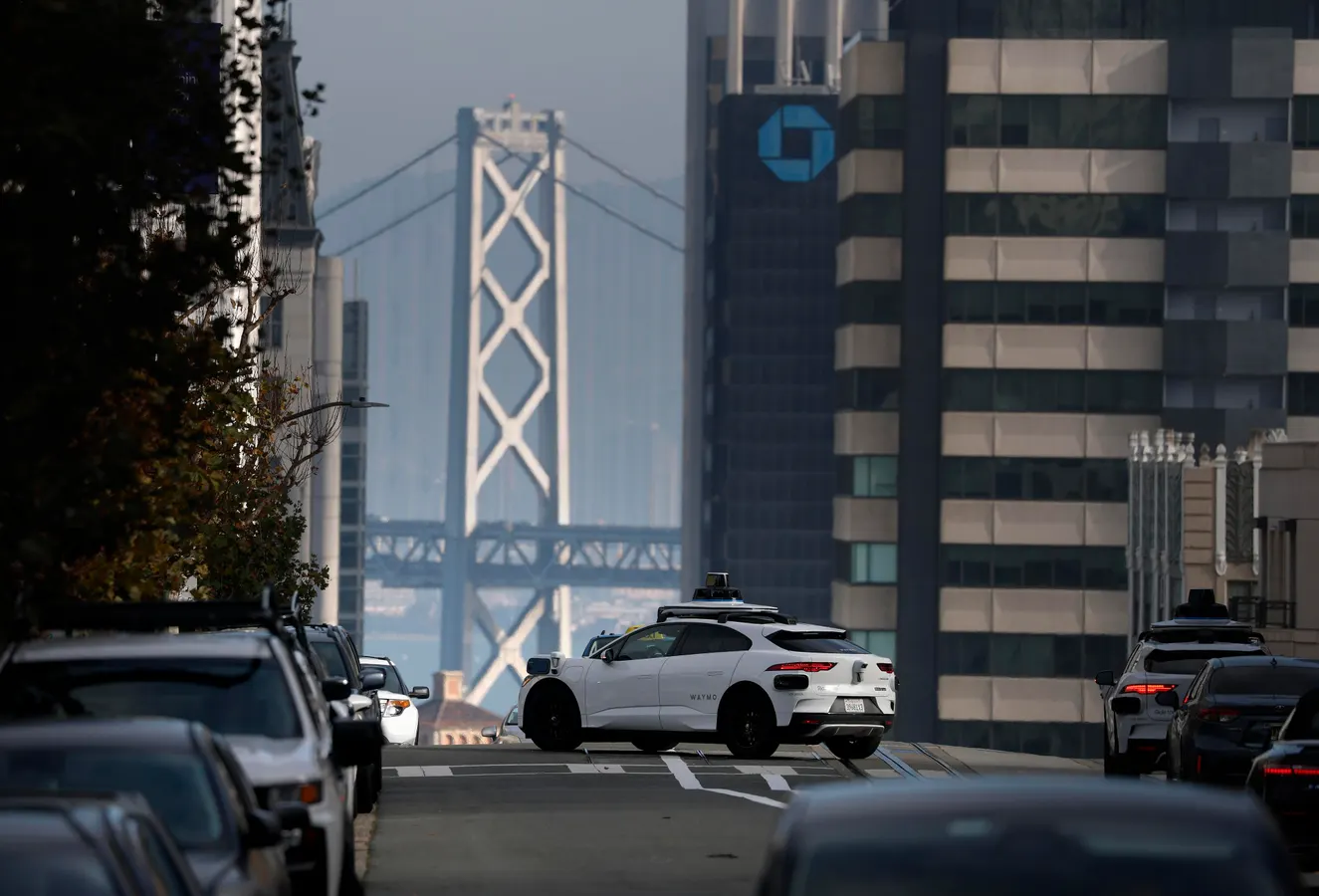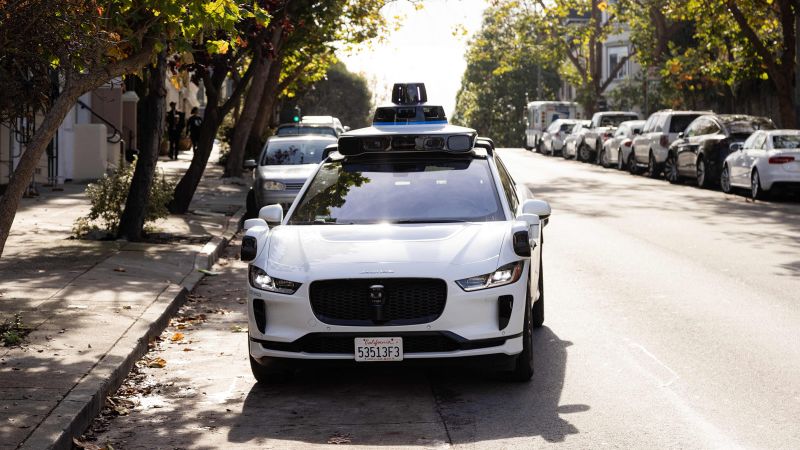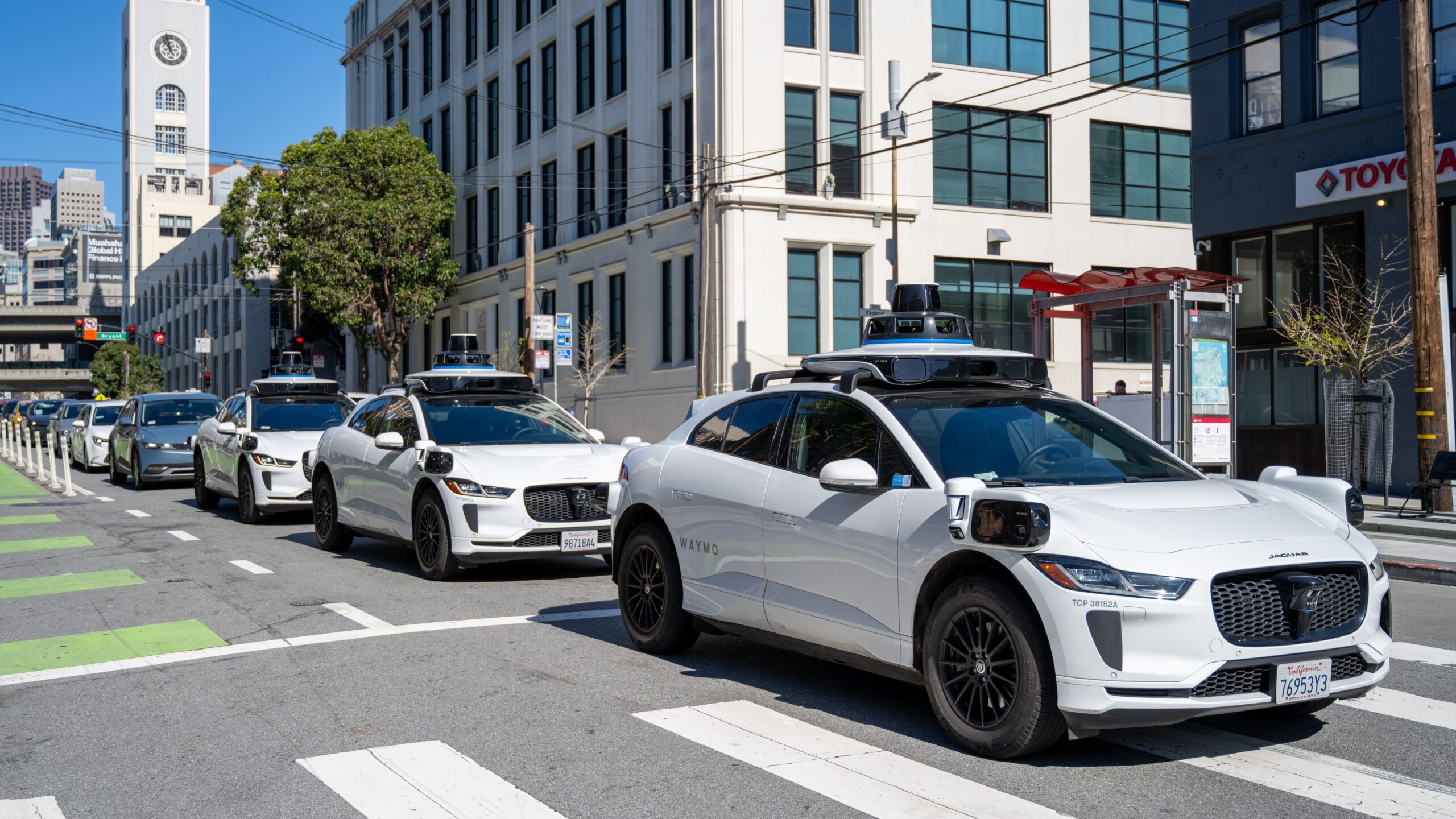
Dmitri Dolgov has worked on self-driving cars for 20 years. But even he was surprised when a Waymo vehicle in San Francisco was able to spot a pedestrian hidden behind a bus and swerve to avoid them.
“I was like, ‘What’s going on here?’,” said Dolgov, Waymo’s co-CEO, on a recent podcast. “I know we have pretty darn good sensors, and the software is very capable, but we don’t see through stuff.”
The answer lies in a key change in how the world’s most advanced creator of robotaxis, which is owned by Google’s parent Alphabet, develops its autonomous driving systems. Robotaxis have in recent years benefited from broader advances in artificial intelligence, allowing autonomous vehicles to “generalise” their experiences to new cities and situations — and even to predict a pedestrian’s next steps.
This is how self-driving cars have finally been able to make the leap from small-scale tests to today’s rapid international expansion — and how new operators such as Canada’s Waabi and the UK’s Wayve are setting out to challenge Waymo’s lead.
After decades in development, robotaxis are now facing their biggest test yet as they start to appear on city streets all over the world.