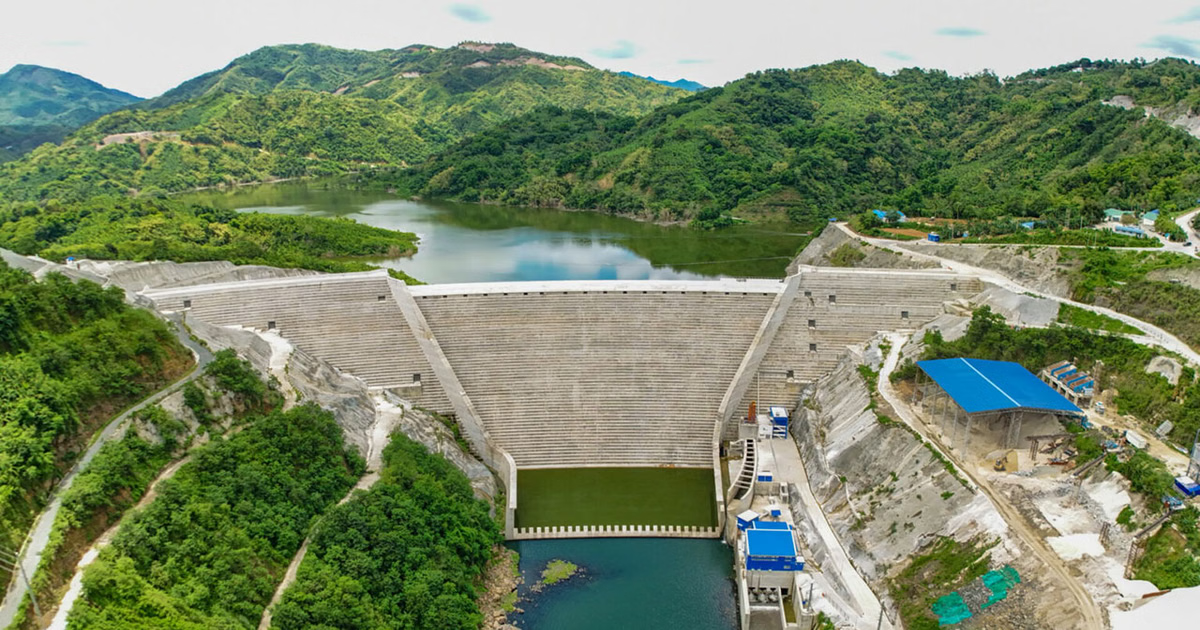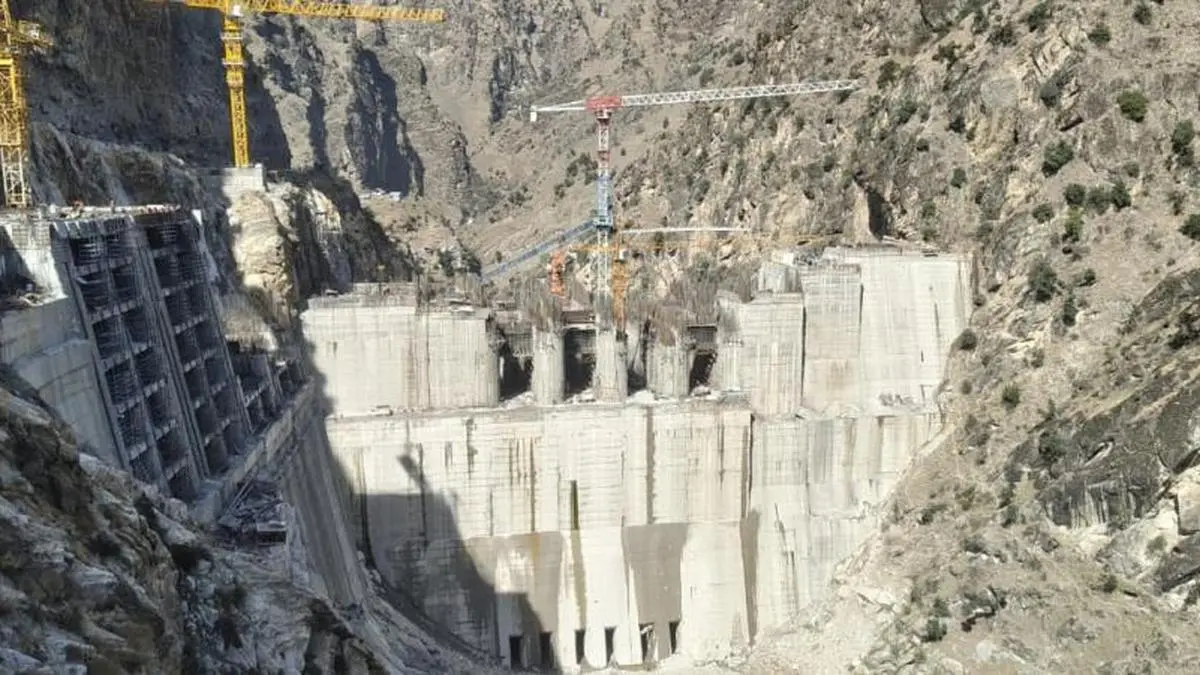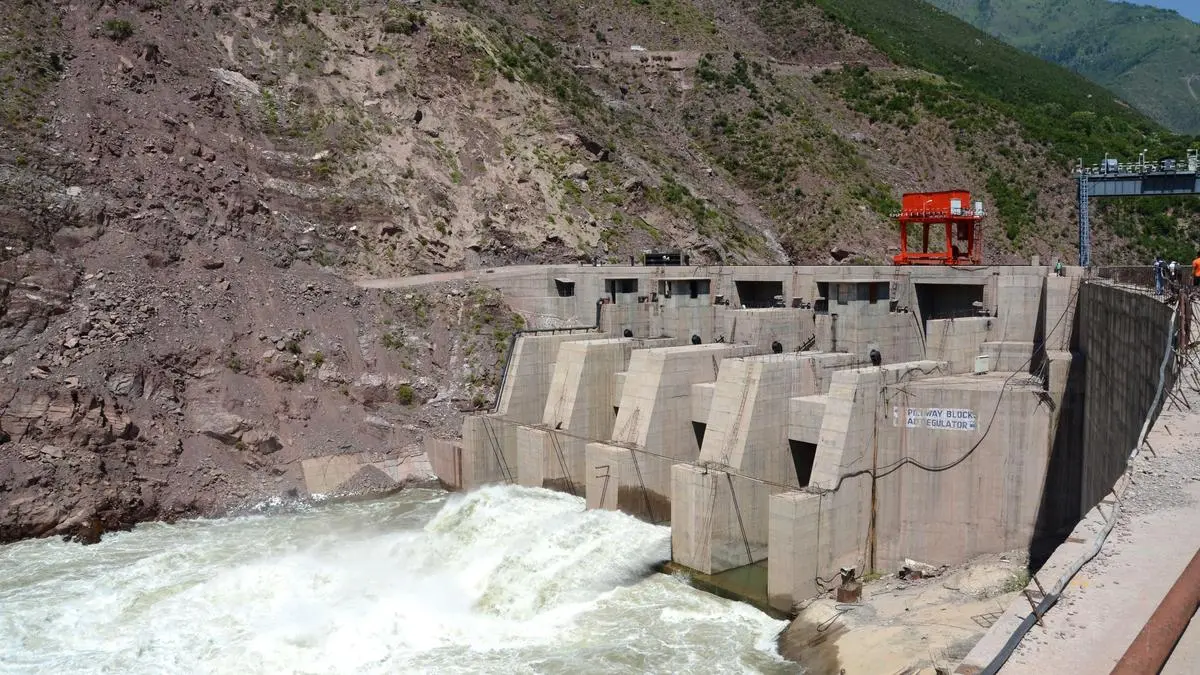
The project is being developed by NHPC at an estimated cost of over ₹2,700 crore and will feature two generating units of 120 MW each
| Photo Credit:
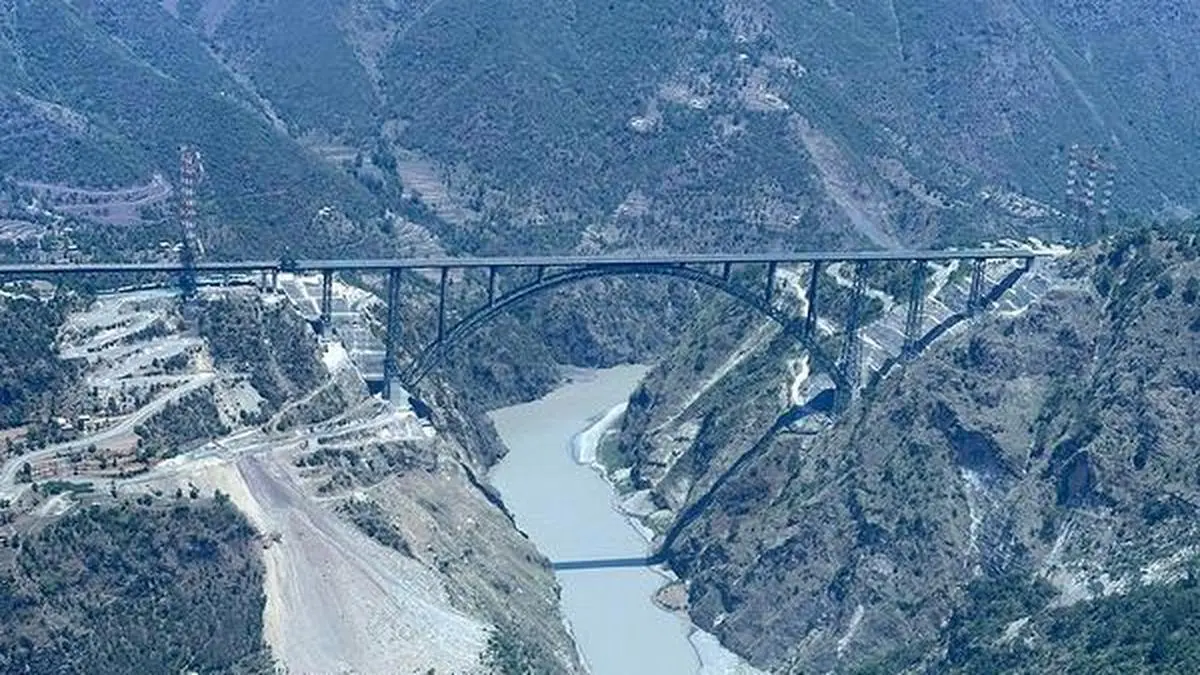
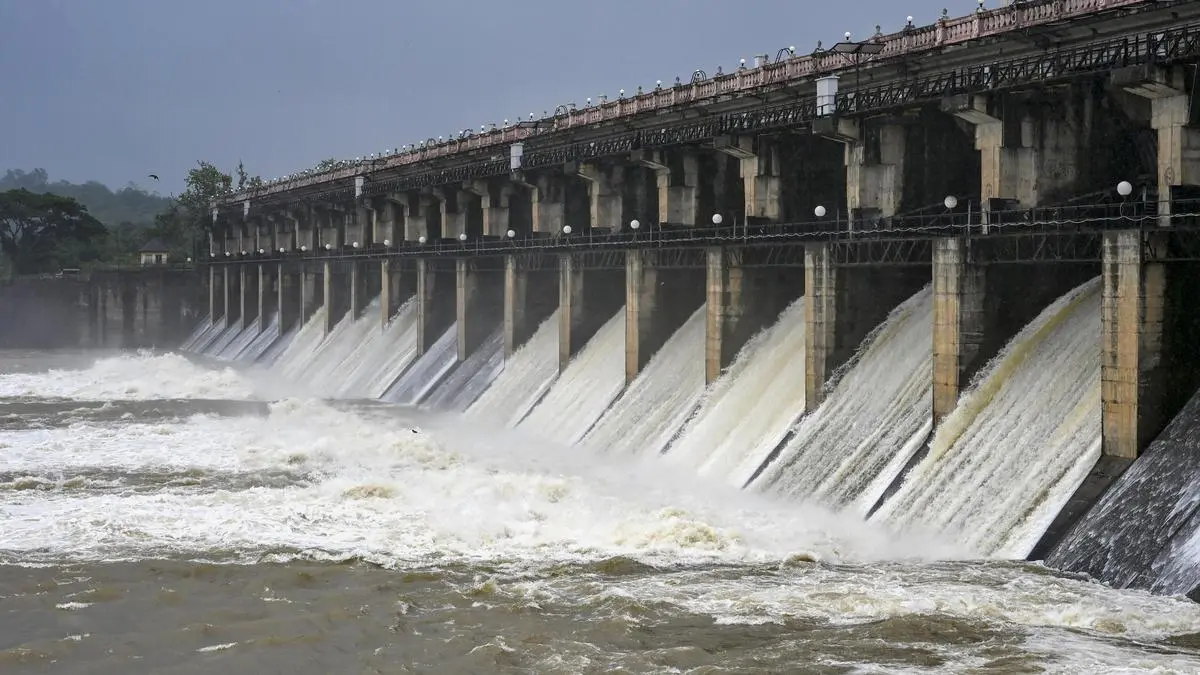
Construction activity gathered pace at the Uri-I Stage-II Hydroelectric Project in north Kashmir last week after engineers carried out the first controlled blast for excavation of an underground tunnel, marking the start of a major phase in the project’s development.The hydropower project, coming up in north Kashmir’s Baramulla district, is expected to add 240 megawatts of electricity generation capacity to Jammu and Kashmir’s power sector once completed.Officials associated with the project said the tunnel excavation work would facilitate the creation of critical underground structures required for power generation. The project is being developed by NHPC at an estimated cost of over ₹2,700 crore and will feature two generating units of 120 MW each. Authorities expect the project to strengthen the region’s power infrastructure and contribute to meeting the growing demand for electricity.Power resources Jammu and Kashmir possesses vast hydropower resources, with an estimated generation potential of about 18,000 MW. Of this, nearly 14,900 MW has been identified for development, but less than a quarter has been tapped so far, reflecting the significant scope for expansion in the sector.At present, the Union Territory has an installed hydropower capacity of around 3,540 MW spread across 31 operational projects managed by central and local agencies as well as independent power producers.The government is seeking to substantially increase generation capacity through several large hydroelectric projects currently under construction. Four major projects with a combined capacity of more than 3,000 MW are expected to be commissioned by 2028, a move officials say could nearly double Jammu and Kashmir’s existing hydropower output and strengthen its energy security.Reducing dependence on importsEnergy experts say the expansion of hydropower infrastructure is crucial for reducing the Union Territory’s dependence on electricity imports, particularly during peak demand periods. Official figures show that Jammu and Kashmir remains heavily dependent on power imports, during the winter months when electricity demand surges and local generation dips. In December, more than 95 per cent of the region’s electricity requirement was met through imports. During peak demand hours, power imports ranged between 2,900 MW and 3,100 MW, while imports during off-peak hours fluctuated between 2,400 MW and 2,800 MW.“Additional hydropower capacity will help improve energy security and reduce dependence on electricity purchased from other states”, said the experts. They said that completion of projects such as 240 MW Uri would make meaningful contributions to the region’s power generation capacity. Published on June 1, 2026