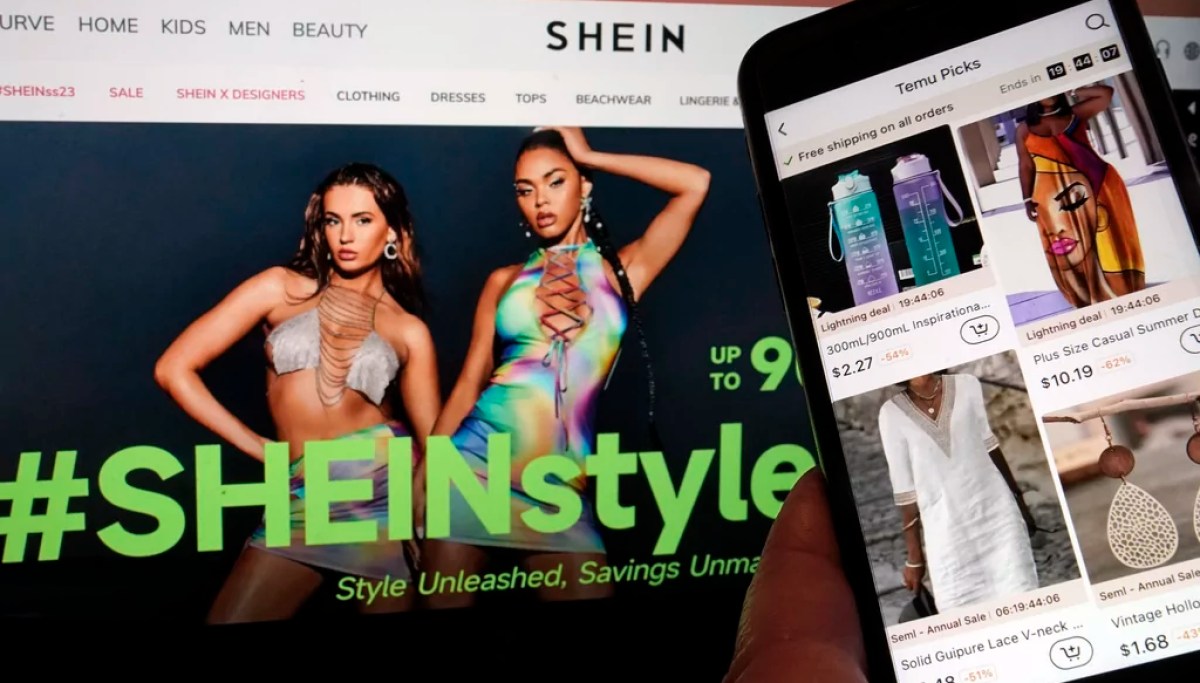
Every American high schooler enrolled in a U.S. history course should be able to tell you that when Eli Whitney invented the cotton gin, the value of cotton grew exponentially. What made Whitney’s invention so innovative was how it made cotton processing more efficient, thus increasing the demand for labor. Students should also be able to tell you that the increased demand for labor was met through slavery. This story of justifying evil due to soaring profits because of an innocuous innovation is one of shame — one hopes we would learn from it. Yet, slavery is on the rise in the modern world. One of the more egregious examples is the China-based e-commerce and fast fashion brand Shein, which employs the practice. Stunningly, Shein has recently acquired the ethical fashion label Everlane to serve as a $100 million moral fig leaf. The deal isn’t just bad for our wardrobes. It’s bad for our souls. If you’re unfamiliar with Shein, it is likely because you have a healthy relationship with social media and thus are shielded from the apps inundating you with influencer ads for the company’s “can’t be real prices” on clothing dupes. Founded in 2008 in Nanjing, China, by Chris Xu, a search engine optimization specialist, the brand has seen exponential growth in the social media age. Despite tariffs, the online giant was projecting around $2 billion in income at the end of 2025 — more than double the previous year. While the business would have consumers think it’s because of its innovative approach to retail, the real story of its success is its heavy reliance on slave labor — aided in no small part by the genocidal Chinese Communist Party.
Fast fashion fuels modern slavery
Slavery is on the rise in the modern world. One of the more egregious examples is the China-based e-commerce and fast fashion brand Shein.
872 words~4 min read