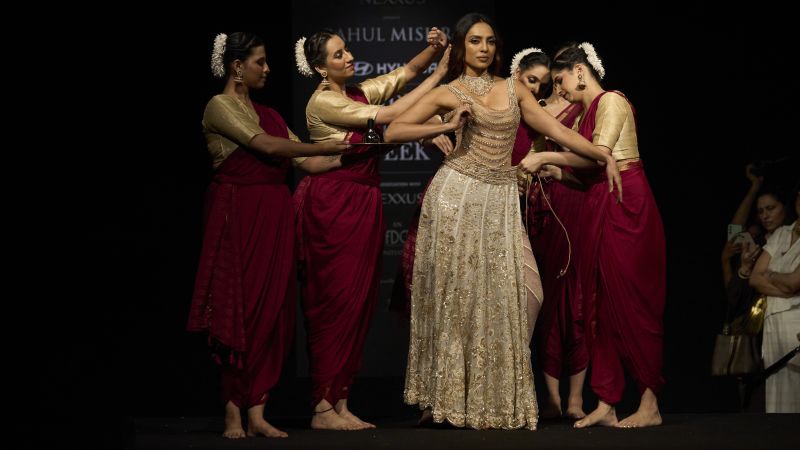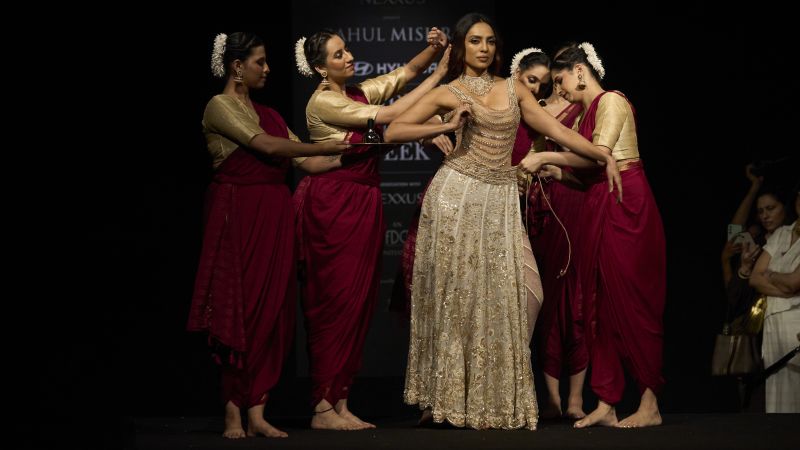
MUMBAI: Waistcoat sets, spaghetti strap silhouettes, halter necklines – if these descriptions make you think of a global western wear brand, think again. These designs, plus Farshi salwars, kurtas and palazzos, were part of women’s ethnic wear brand Aurelia’s (from Aditya Birla Fashion and Retail Ltd) spring-summer collections earlier this year. “Some of the most exciting fashion stories in India right now are re-imagined versions of Indian wear,” said Aparajita Sengupta, senior director, creatives and curation at Myntra. At FWD, Myntra’s Gen Z fashion destination, ethnic wear is one of the fastest-growing categories.Gen Z push to women’s ethnic wear triggers desi fast-fashion boomModern take on Indian ethnic wear has given fresh wind to apparel’s largest selling category, driven by GenZ and millennial consumers. “Indian wear has evolved from purely occasion-led dressing to a versatile, everyday expression of personal style driven by social media creators who have made trend discovery deeply engaging for both Gen Z and millennials,” Sengupta said.“Ethnic is the real fast-fashion of India,” said Harminder Sahni, founder of Wazir Advisors, a management consultancy specializing in textiles, apparel, retail and consumer products. “It didn’t give in to increased competition from international western wear brands targeting women but has innovated instead,” Sahni said. Arun AB, vice president, Exclusive Brand Outlets (EBO), at Libas said the brand now calls itself fast-fashion and not ethnic – though it remains Indian at its core. The company is seeing an annual growth rate of 25%-28%.Ethnic wear’s performance on FWD is a clear signal that this generation is embracing Indian wear in a way that feels both rooted and effortlessly cool, Sengupta said. “For GenZ, versatility is non-negotiable: a kurta needs to work with denim and sneakers with jhumkas. With nearly half of Myntra’s customer base comprising this cohort, GenZ remains a key trend driver,” she added.Myntra’s launch of ‘Indiework’ -- a dedicated store offering 18,000 styles from over 150 brands -- underlines this shift towards ethnic wear. “It curates premium ethnic workwear with a desi twist for the professional who wants to stand out,” Sengupta said.Libas’s Arun said business volume from celebration wear comes in the second half of the year but through the year it sells workwear and casual wear comprising not just kurta sets but dresses, short kurtis, co-ord sets, and loungewear. “These categories are competing with western wear and seeing genuine demand,” Arun said.Steady growthIn 2024, the Indian ethnic wear market was estimated at ₹2.4 lakh crore in value of which 70% was women’s wear. This is expected to touch ₹3.3 lakh crore by 2029, said a Wazir Advisors analysis. Nearly, 70% of women’s ethnic apparel falls in the unorganised sector. “The scale and opportunity is huge,” Sahni said, adding its growth is linked to increased pride in Indianness.Self-expression, cultural pride and unapologetic comfort, is how Sengupta describes GenZ’s adoption of ethnic wear too. In a social media post, Rimjim Deka, CEO of direct-to-consumer fashion brand Littlebox said that five years ago, kurtas were “aunty” wear, today, they are ‘drip’. For GenZ, desi-core is not a category, it is just personal style, she said.Women’s ethnic apparel got a huge push from large fashion marketplaces which offer thousands of labels on their platforms. A mature e-commerce ecosystem involving sales, marketing, distribution and payments, proved a blessing. Besides, Indian wear is no longer just salwar-kameez-dupatta. The tweaks have seen the rise of the ready-to-wear saree, the co-opted desi co-ord set, the chatpata top and the Y2K Sharara, Sengupta said, adding, there’s growing love for homegrown brands celebrating Indian textiles in modern silhouettes.It may be the shining hour for women’s ethnic wear but the sector isn’t without its challenges. “The pressure has been building, especially on the larger brands. Not many are profitable. There’s stiff competition from small outfits out of Jaipur and Kolkata which are putting out large volumes of products online – on marketplaces and their own websites. These appear to be similar to what the big brands sell but at a lower price point,” Wazir Advisors’ Sahni said.So, deflation is the big problem for large players who have high overhead costs (including retail rentals, people, advertising) even as they get dragged into price wars with startups running tight ships.If they get their act together, the future is promising as women’s ethnic wear isn’t going out of fashion any time soon.
Gen Z push to women’s ethnic wear triggers desi fast-fashion boom
Modern take on Indian ethnic wear has given fresh wind to apparel’s largest selling category, driven by GenZ and millennial consumers | Mumbai news
719 words~3 min read