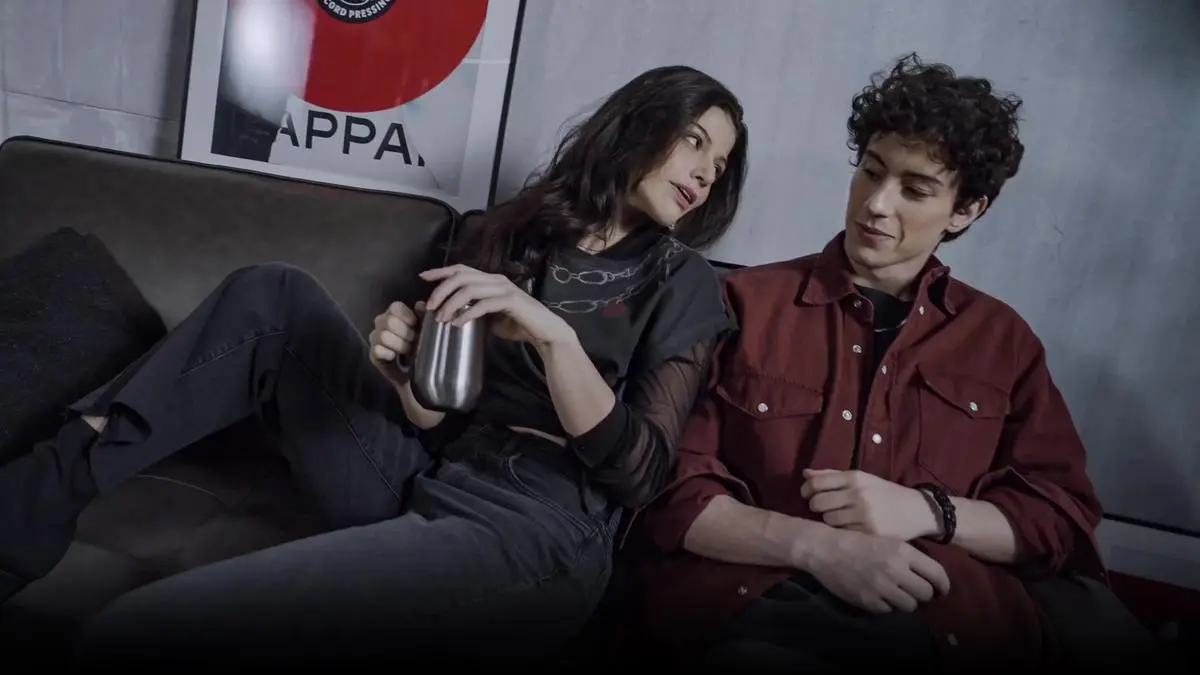
DECODING JEANS. Denim remains one of the largest casual-wear categories in India
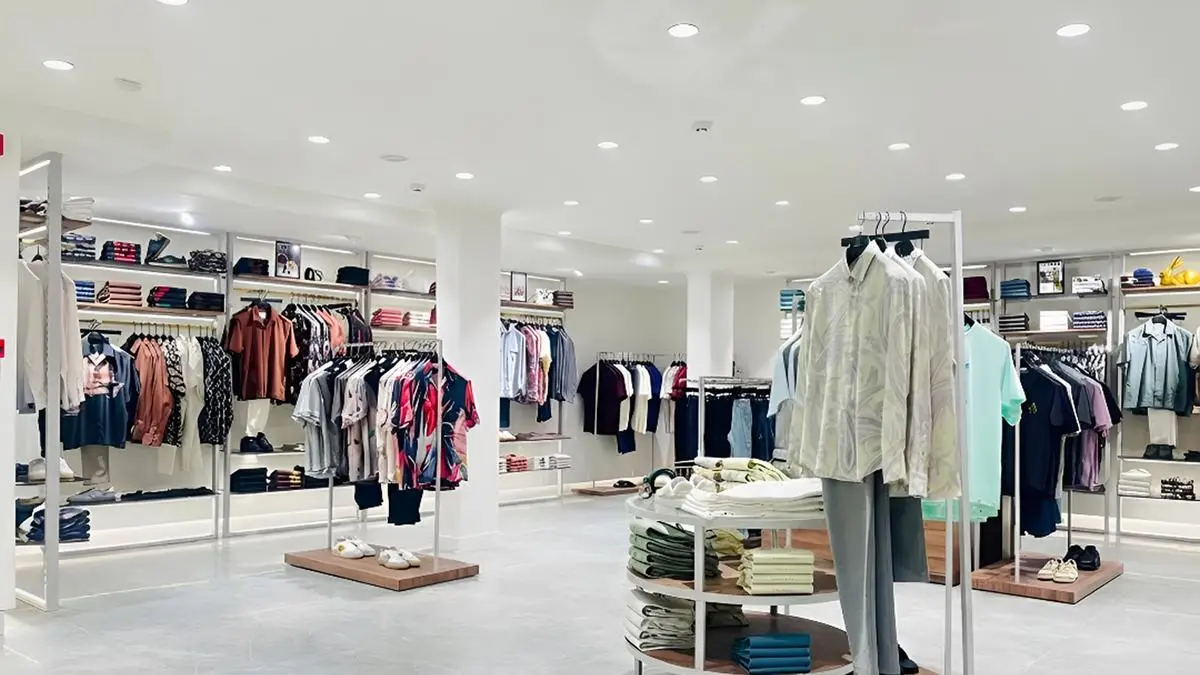
Four decades ago, it made a flying entry into India’s fashion landscape as the first homegrown denim label. Now, Arvind Fashions is repositioning its legacy Flying Machine brand to appeal to Gen-Z. It is betting on unisex styling and digital-first engagement to revive growth and capture a larger slice of India’s rapidly evolving youth apparel market.It believes the brand’s existing recall gives it a rare advantage in a market where many new-age labels are still trying to establish identity. “Flying Machine has a fabulous equity and consumers resonate really well with the brand. The question for us has been how do we drive this brand much deeper, bring great products and ensure much deeper consumer connect as well,” Amisha Jain, MD and CEO, Arvind Fashions, told investors during the company’s recent earnings call.Youth brandThe company’s consumer research, Jain said, showed strong resonance with Gen-Z audiences, encouraging it to sharpen the brand’s positioning around youth culture and trend-led fashion. “We believe this equity is very well poised and connects strongly with the youth and Gen-Z consumer,” she said.The repositioning also reflects the broader shifts in India’s apparel market, where younger consumers are increasingly gravitating towards relaxed silhouettes, casual-wear, gender-fluid styling and trend-driven drops influenced by social media and global fashion cycles. Brands are now required to move faster, refresh collections more frequently and maintain a continuous digital conversation with consumers.“We have sharply positioned Flying Machine as a unisex, denim-anchored, on-trend youth brand,” Jain said. “Flying Machine has always been a strong denim equity and we are going much deeper with that, offering really great products from a Gen-Z point of view.” She said the company is closely tracking consumer preferences — from silhouettes and fits to price points and product categories — to ensure the brand remains relevant in a highly competitive market that’s increasingly crowded with international fast-fashion players, D2C labels and value-fashion platforms.The transformation gained momentum after Arvind Fashions acquired back Flipkart’s stake in Flying Machine (the online retailer had taken a minority stake in 2020) during the third quarter of FY26, giving it full ownership. Analysts say the firm now has greater flexibility to shape the brand’s long-term positioning, scale up its digital strategy and build an integrated direct-to-consumer ecosystem.Dedicated platformAs part of the digital push, Flying Machine will launch a dedicated D2C platform — flyingmachine.com — in the second half of FY27. It is seen as not just a sales channel but also a way of building direct relationships and community engagement with younger shoppers. “Flying Machine is now live across multiple e-commerce platforms,” Jain said. While widening distribution across online marketplaces, the company is simultaneously improving product visibility in offline retail channels.Early signs suggest the repositioning may already be gaining traction. According to company officials, Flying Machine recorded double-digit like-to-like retail growth during the fourth quarter of FY26, while its business-to-consumer channel grew around 70 per cent. Department store sales also saw strong momentum as the refreshed product started gaining visibility. “What we are bullish about is Flying Machine’s positioning getting deeper and sharper,” Jain said, adding that the company believed the brand would continue to clock double-digit growth.The optimism comes from the fact that in India’s denim category the company sees a sizeable gap between the market leader and the broader competitive set. Denim remains one of the largest casual-wear categories in India, but increasingly overlaps with streetwear, athleisure and lifestyle fashion — areas where younger consumers are driving demand.Meanwhile, Arvind Fashions continues to expand its broader retail footprint, adding 1.43 lakh sq ft retail space and around 150 stores in FY26, largely through the franchise-owned, franchise-operated (FOFO) route. Its exclusive brand outlet count stood at 1,025 as of March. It plans to add 1.5 lakh sq ft retail space in FY27, while also upgrading store formats and expanding store sizes across brands.“We believe there is an opportunity to expand our store network and upsize our stores as well,” Jain said. Arvind Fashions also said premium brands such as U.S. Polo Assn. continue to benefit from the premiumisation trends in India’s apparel market, even as it remains watchful of inflationary pressures, forex volatility and raw material costs.The legacy Flying Machine brand’s makeover for a new generation of consumers may be among its most closely watched bets.Published on May 18, 2026