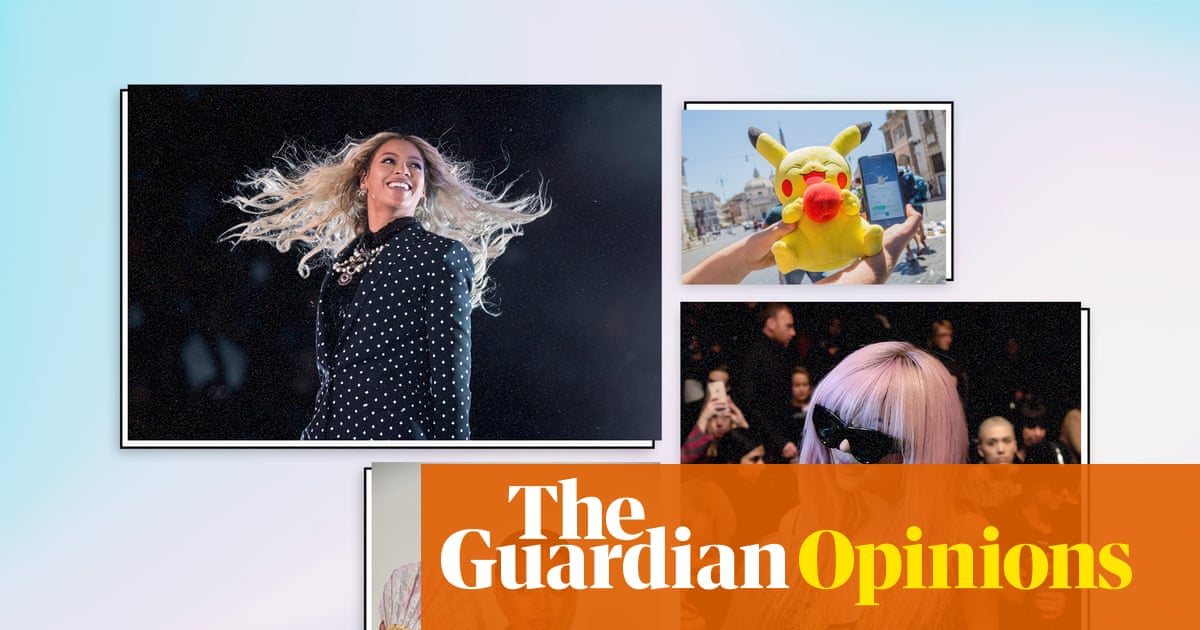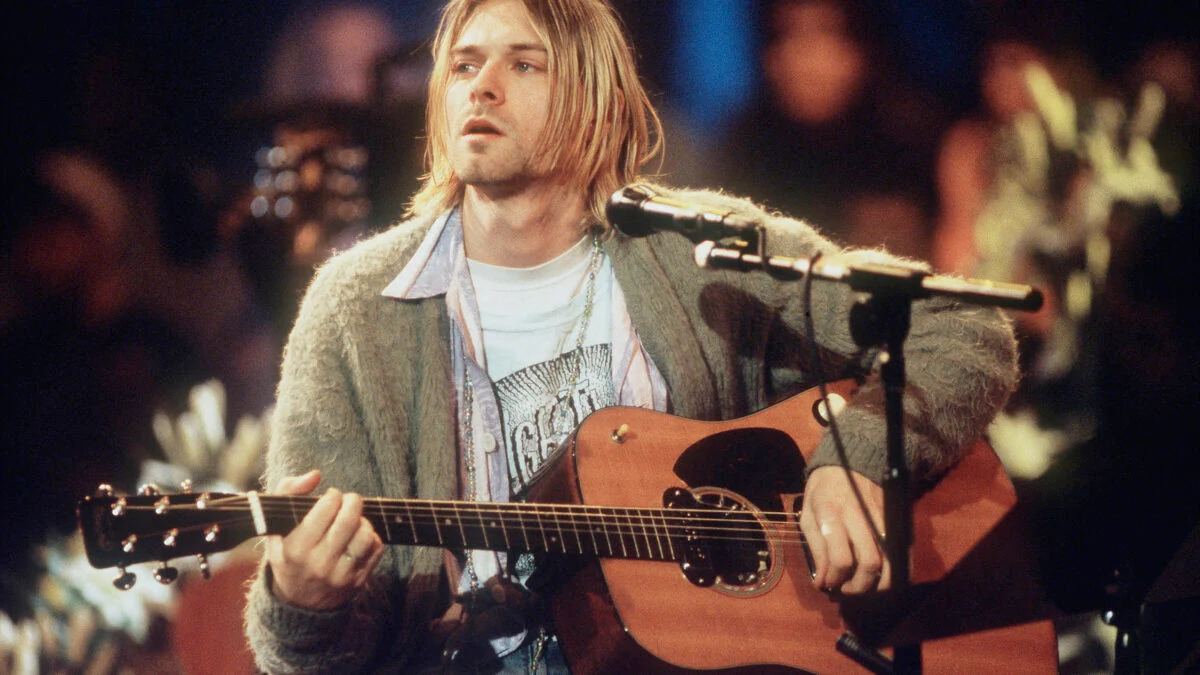
If you’ve been online the past month at all, you likely encountered at least one hyper-saturated, neon-colored throwback post captioned somewhat along the lines of: “2026 is the new 2016.” What started as a social media meme could be lighting the fire for a broader shift in the cultural zeitgeist that might also boost retail brands synonymous with the era.
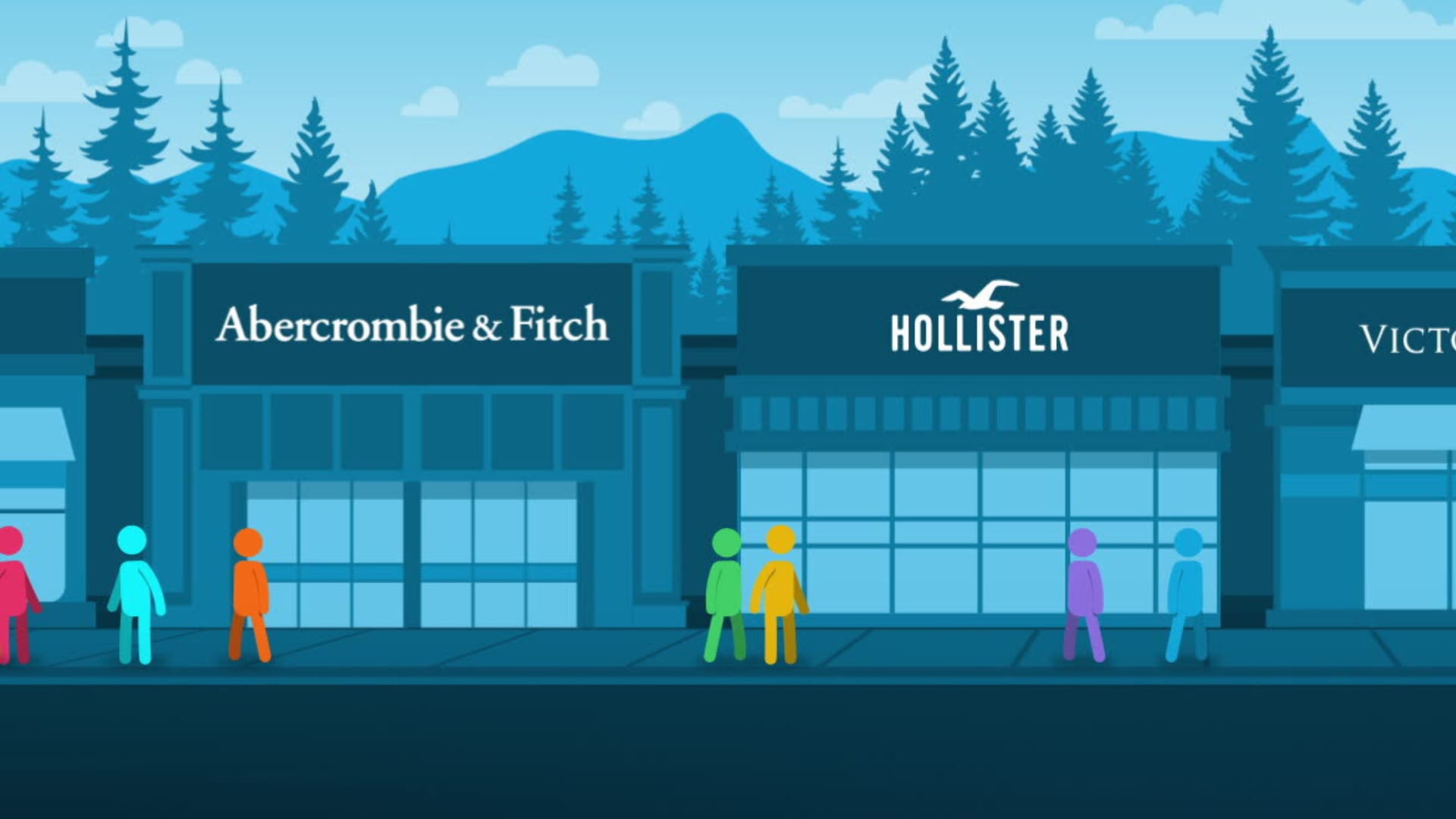
The trend has dominated the social media cycle the past few weeks. On Jan. 16, a Spotify-linked Instagram account revealed that user-generated “2016” playlists soared more than 790% since Jan. 1, with top tracks added including Zara Larsson’s “Lush Life” and Justin Bieber’s “Sorry.” The post’s caption was: “2026 is the new 2016.” A day earlier, the Instagram account for Hollister, a subsidiary brand of Abercrombie & Fitch, posted a heavily filtered carousel depicting emblems of 2016, including Polaroid cameras and the era’s quintessential skinny jeans.
Meanwhile, relative search volume for “2016 aesthetic” worldwide spiked to all-time highs on Google recently, underscoring the trend’s growing traction.
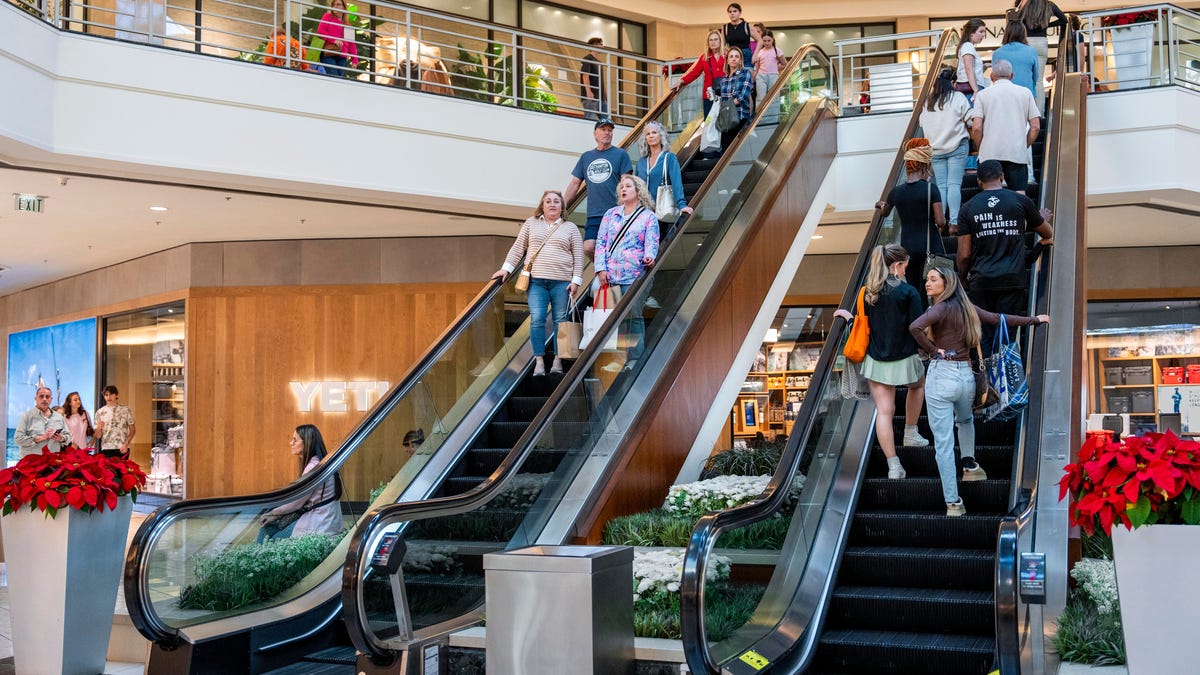
While the 2016 resurgence is playing out online, the question crossing investors’ minds is whether this nostalgia reset could translate into a retail revival for brands that once defined the mid-2010s. One sign that the nostalgia wave is translating into real-world consumer behavior is that young adults are rediscovering the appeal of brick-and-mortar shopping after years of e-commerce dominance.