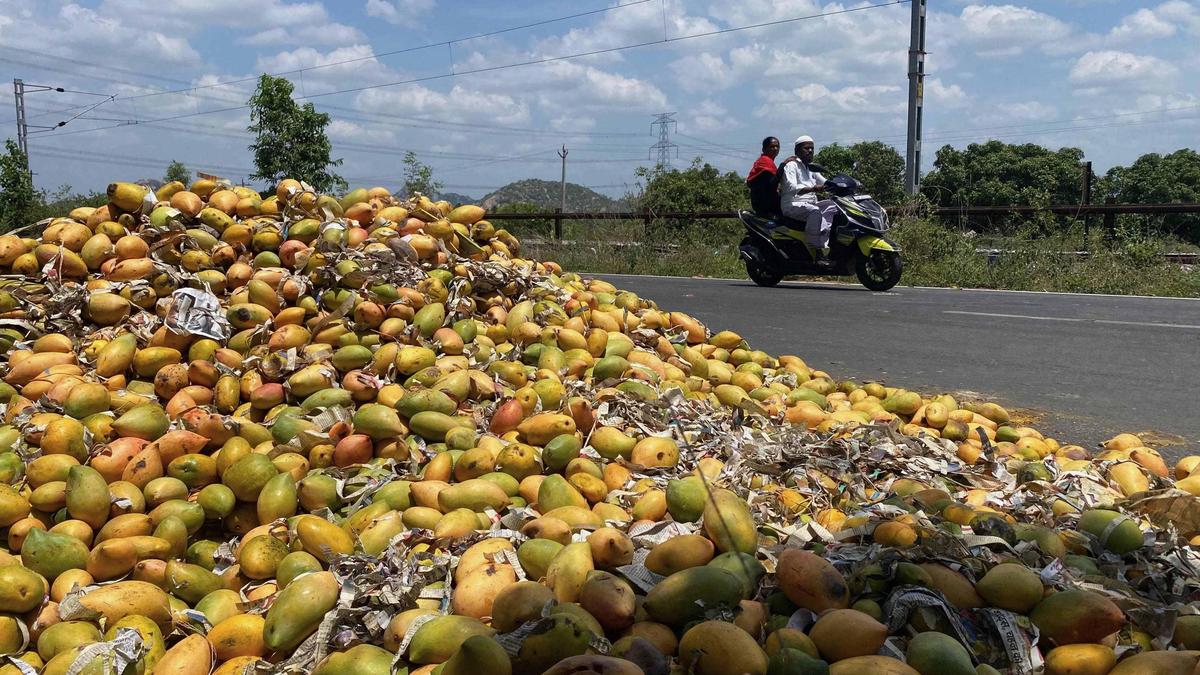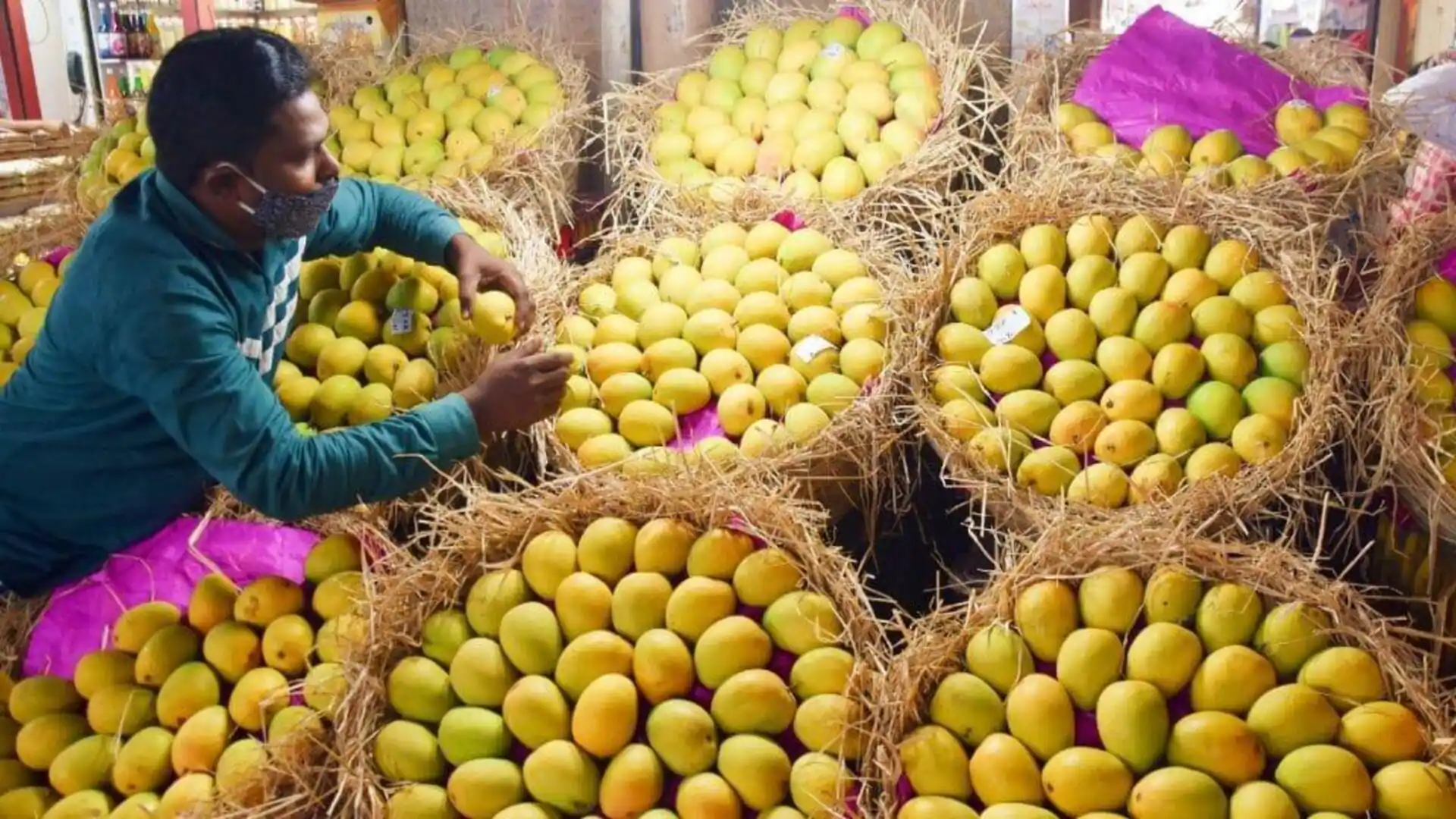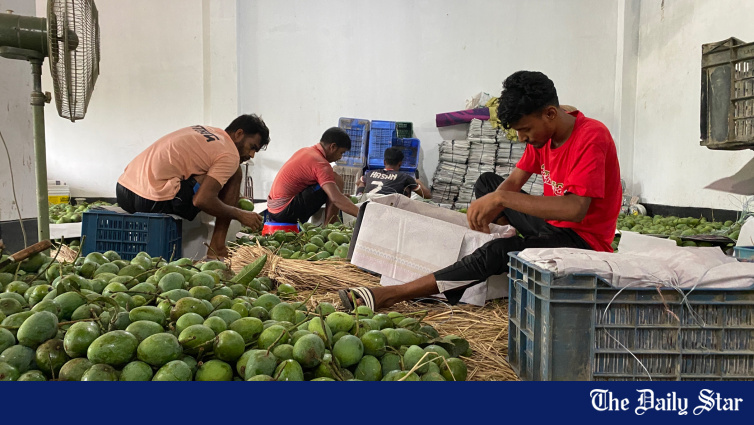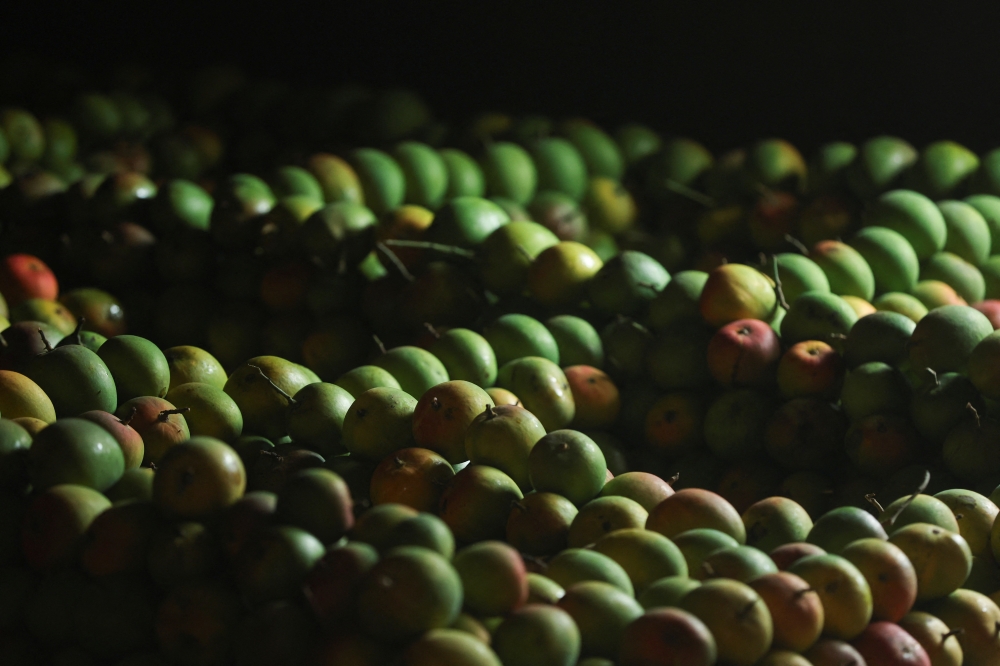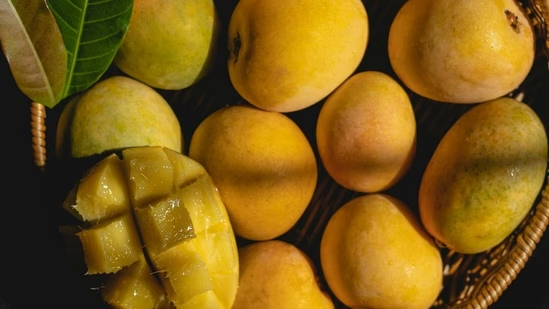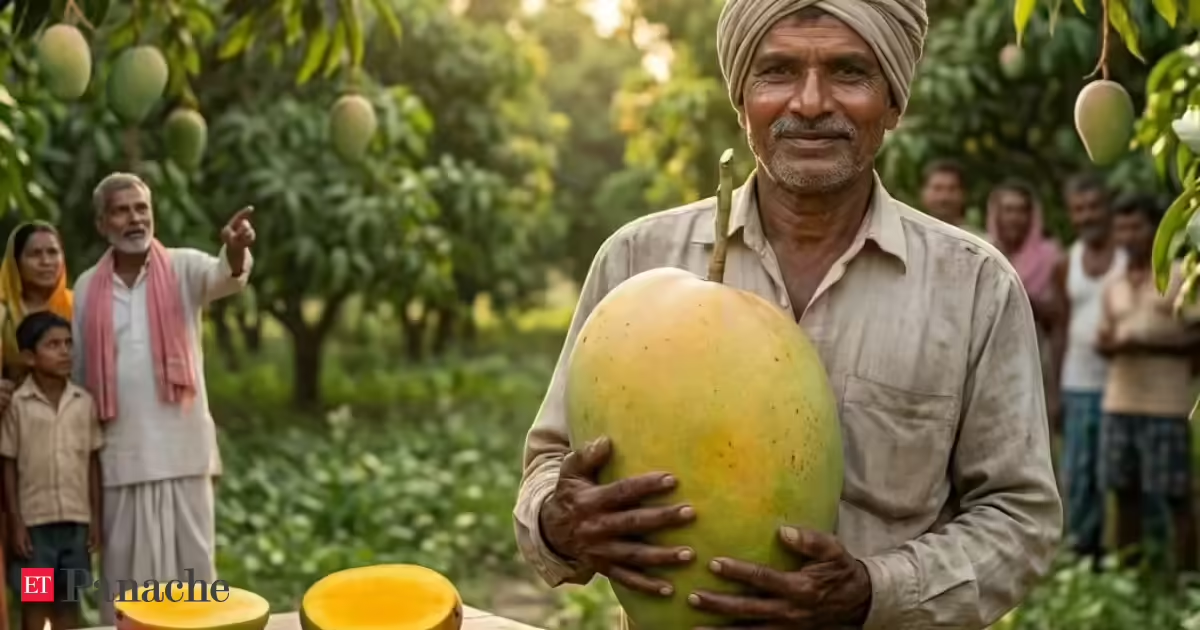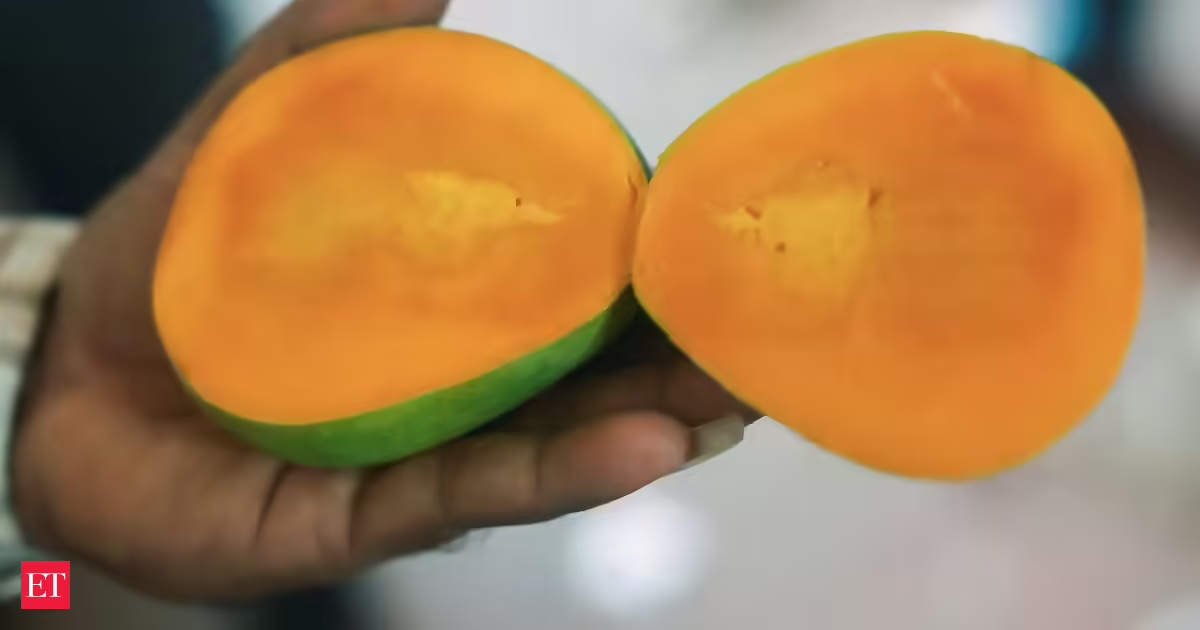
Ratnagiri's Alphonso mango growers are facing one of their toughest seasons in recent years as weather-related disruptions sharply reduced production and created concerns over the growing sale of lookalike mangoes under the Ratnagiri Alphonso name. Farmers say lower yields, higher prices, export challenges and confusion over product origin have emerged as major issues this year, raising concerns about the future identity of the Geographical Indication (GI)-certified fruit, a TOI report stated.The season began with expectations of a strong harvest after good flowering in orchards. However, delayed flowering, fungal attacks, cold weather, pollution and later heatwaves affected fruit development, resulting in substantial crop losses across Ratnagiri and nearby regions. As supplies declined, growers say the market witnessed an increase in mangoes from other regions being sold as Ratnagiri Alphonso, creating concerns about authenticity and consumer trust.Weather Disruptions Reduced Mango ProductionMohammad Hussain Dhanshe, a farmer and trader from Bankot in Ratnagiri who runs Dhanshe Farm, said the crop cycle was affected from the beginning.“Normally, flowering starts from October 20 onwards. But this year, the rain in November delayed the flowering,” he said.Dhanshe explained that Alphonso cultivation depends on specific weather conditions.“For one month, the tree should not get water to induce flowering. We have to make the tree thirsty,” he explained.Although flowering later appeared promising, the crop suffered setbacks.“The flowering happened and it was very good. It seemed that a lot of mangoes would come out,” Dhanshe said. “But there was a fungal attack in the second week of January. It was very deep and consistent,” he said.According to him, farmers who lacked intensive crop management faced heavy losses, with some losing as much as 80-85 per cent of their expected harvest.Farmers Report Significant Yield LossesPrasad Jadhav, whose family has cultivated Alphonso mangoes for more than three generations, said growers across the region experienced similar problems."We are a group of farmers. We keep having interactions with each other regarding the growth and what we need. This year the yeilding was very disappointing, to the point that it was concerning. 80-85 per cent of mango buds in my orchard never bloomed because of the freezing temperature. And this is not just me, all the farmers faced similar losses because of the weather," he said.His cousin, Lahu Jadhav, pointed to cold conditions and pollution as additional factors behind the decline.“The pollution was very high this year. And from November to February, it was very cold. The small fruits came in good numbers but then fell,” Jadhav said. "There is also a cable factory here, which has been causing the pollution to rise. It is very bad for our mangoes."Farmers estimate that many orchards operated at only 30 to 40 per cent of their normal production levels this season.Prasad Jadhav also said rising temperatures later in the season affected fruit quality.“The Alphonso mango is delicate, much like an egg. It requires constant, meticulous attention,” he said. “But because of the heat, the mangoes became spongy inside. Some were scorched completely. In our local dialect, we say they ‘took flight’ (meaning they were ruined beyond recovery)."Short Supply Leads to Higher PricesThe decline in production pushed wholesale prices higher during the early part of the season.“I have never seen such rates in my life,” Dhanshe said.According to him, premium early-season Alphonso mangoes briefly sold for between Rs 3,000 and Rs 3,800 per dozen in wholesale markets.However, growers say the shortage also encouraged the sale of lookalike mangoes under the Ratnagiri and Devgad Alphonso names.“People are selling Karnataka mangoes as Ratnagiri and Devgad mangoes,” Jadhav said.Lahu Jadhav said some traders used the Ratnagiri name to obtain higher prices.“The brokers at the agencies whom we sell the mangoes to know what mangoes they are purchasing but no one admits they are selling Karnataka mangoes. They use the Ratnagiri's name because it gets better rates,” he said.Growers Raise Concerns Over AuthenticityPrashant Powle, a GI-certified Alphonso grower and trader who sources mangoes from 48 villages across Ratnagiri and Sindhudurg districts, said shortages increased confusion in the market.“There was competition from lookalike Karnataka mangoes. Many people took advantage of the shortage,” he said.Powle clarified that the concern was not about the quality of mangoes grown elsewhere.“The problem is authenticity of origin.”He said many consumers are unable to distinguish between genuine GI-certified Alphonso mangoes and similar-looking alternatives.“When people taste a real Ratnagiri Alphonso, they understand why it is called the king of mangoes. When you eat it and even after washing your hands when the aroma does not leave your hands for 1-2 hours, that is when you understand the authenticity of Devgad Alphonso. And then you will want to purchase it again,” he said.Export Difficulties Add to Growers' ConcernsFarmers and traders said export operations also faced challenges this season.The Gulf region, the United Kingdom and parts of Europe continue to be important markets for premium Alphonso mangoes. However, disruptions in cargo movement linked to the Middle East conflict created delays in shipments.“We export to many countries, but this year material started getting offloaded multiple times,” Powle said.He said Alphonso mangoes can deteriorate quickly if transportation is delayed.“After two days of delay, the ripening starts and the mangoes go bad,” he said.Prasad Jadhav noted that export requirements differ from country to country.“For the UK, we need one treatment process. For the US, there is a different water treatment process. Japan has different packaging standards,” he explained.Growers fear that when genuine Alphonso exports become limited or expensive, substitute varieties gain more visibility in international markets.Climate Volatility Increasing Production RisksFarmers say this season highlighted how vulnerable Alphonso cultivation has become to changing weather patterns.Untimely rainfall, fluctuating temperatures, fungal infections and heatwaves affected flowering, pollination, fruit retention and fruit quality within a short period.Dhanshe said scientific crop management helped reduce losses in some orchards.“If the environment is healthy, anyone can grow good mangoes. But in emergency situations, farmers must know how to save the crop,” he said.Powle said his company has started using technology-based monitoring systems to improve orchard management.“We analyse what each tree requires, whether it is nutrition, moisture or protection,” he said.The system uses cameras, sensors and Internet of Things (IoT) tools to track crop conditions, although growers acknowledge that such technologies remain costly for many farmers.Farmers Focus on Protecting Alphonso's IdentityGrowers say the current challenge extends beyond production losses.Prasad Jadhav said maintaining customer trust remains critical despite lower output and higher prices.“If we do not meet the demand, the customers will not return to us. Of course, we don’t have the option to explain the crisis. They wouldn’t understand the price hike, either, because they have alternatives.”Powle warned that repeated sale of substitute mangoes under the Alphonso name could affect long-term consumer perception."If someone keeps eating a different mango sold as Alphonso, eventually they will believe that it is the actual Alphonso taste," Powle said.Farmers say weather-related disruptions can be managed over time, but protecting the reputation and identity of genuine Ratnagiri and Devgad Alphonso mangoes remains a larger challenge. As climate-related risks increase and supply chains become more complex, growers believe maintaining consumer trust will be essential for preserving the legacy of one of India's most recognised mango varieties.(Source: TOI)
Famous alphonso mango is facing existential crisis this year
Ratnagiri's Alphonso mango growers are facing a challenging season due to weather disruptions that significantly reduced production. This has led to higher prices and increased sales of lookalike mangoes, raising concerns about the authenticity and future identity of the GI-certified fruit.
1,188 words~5 min read