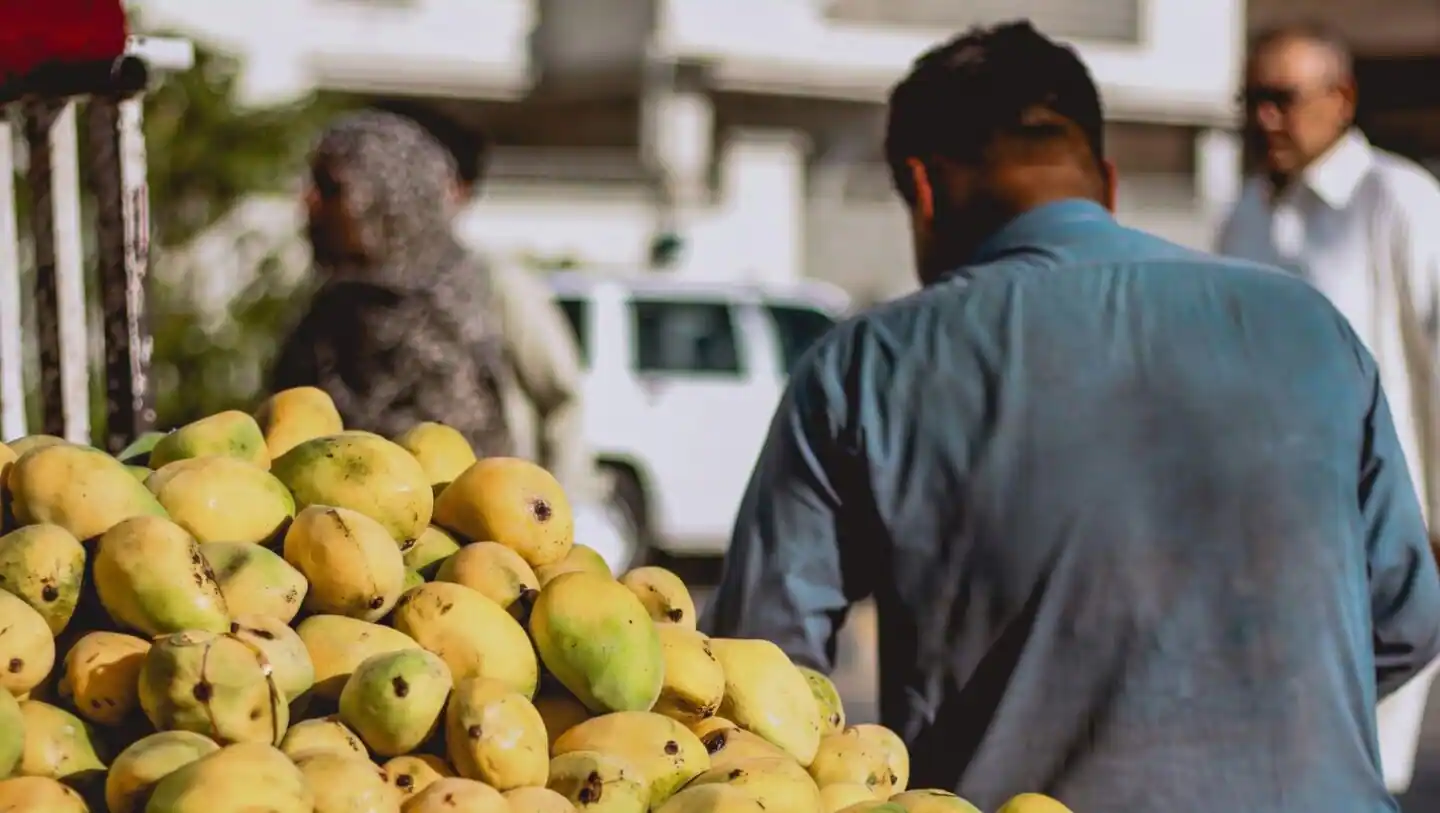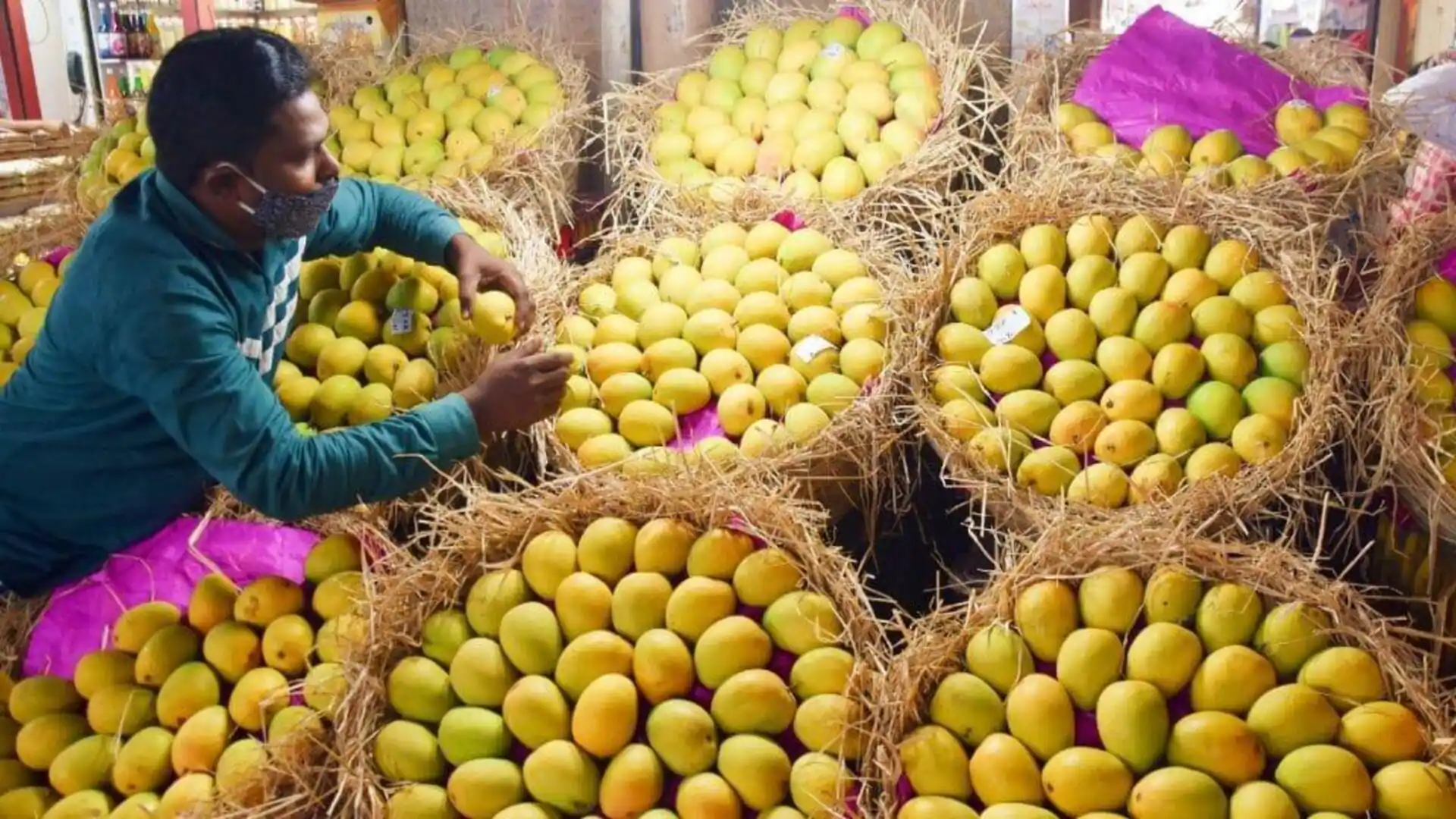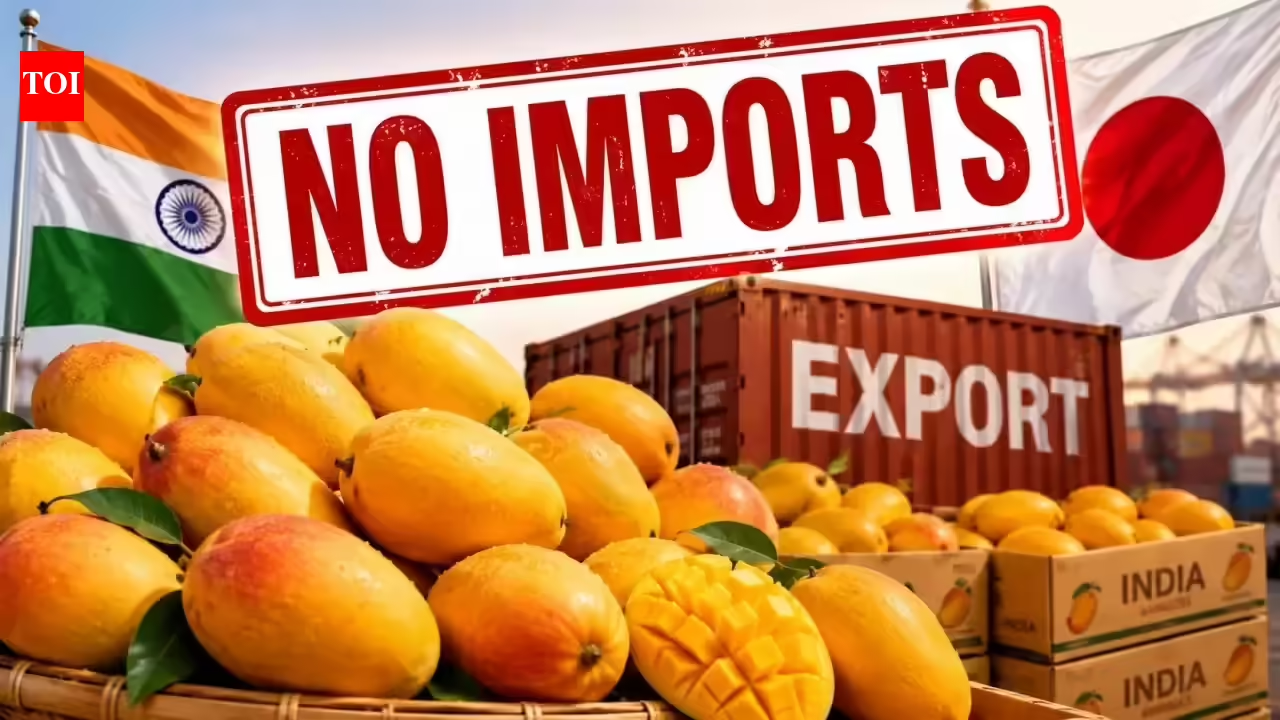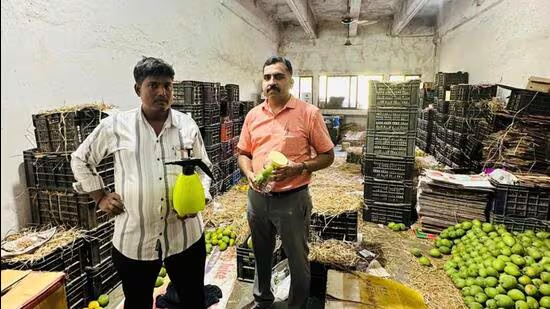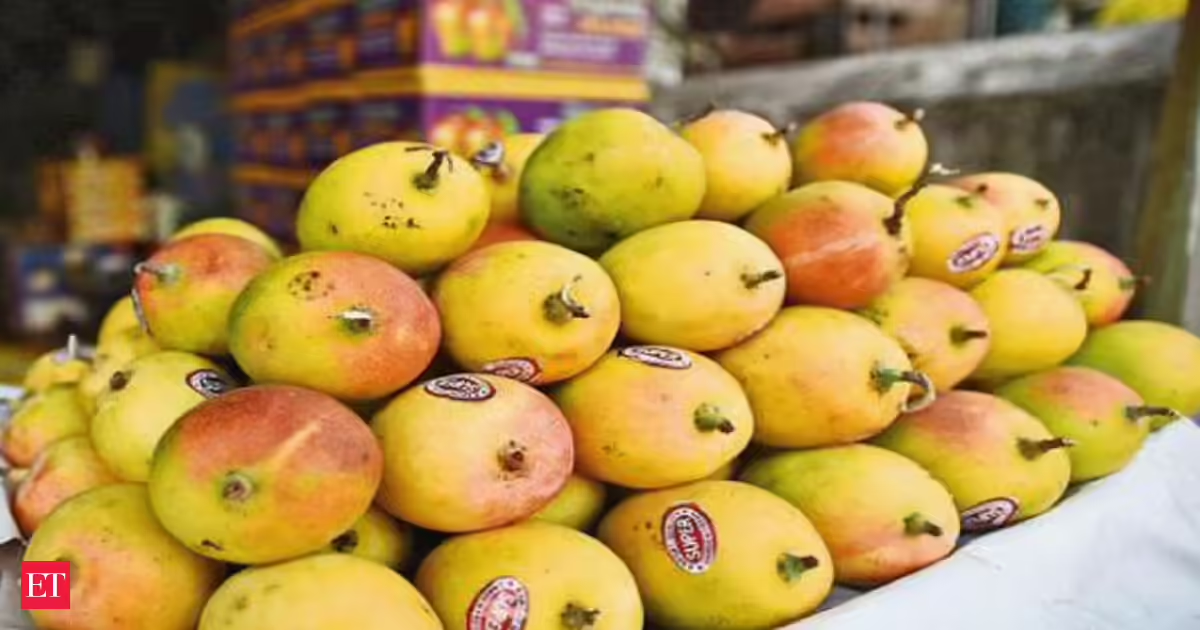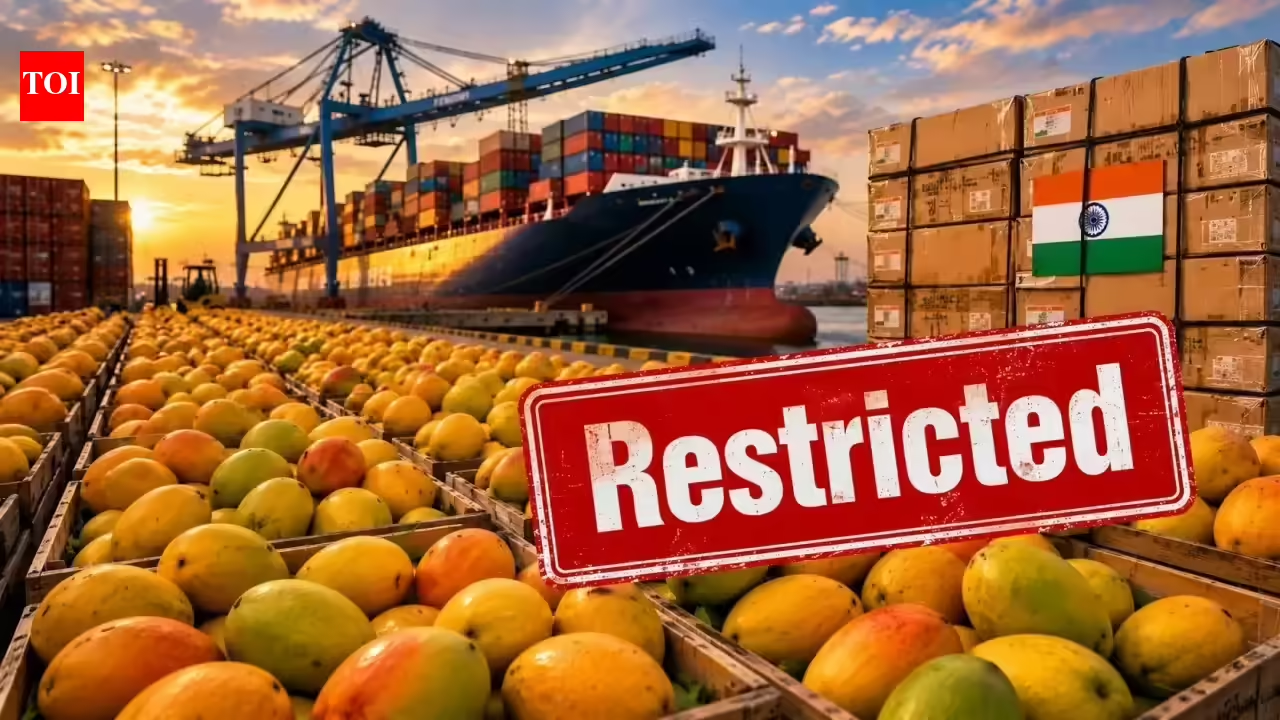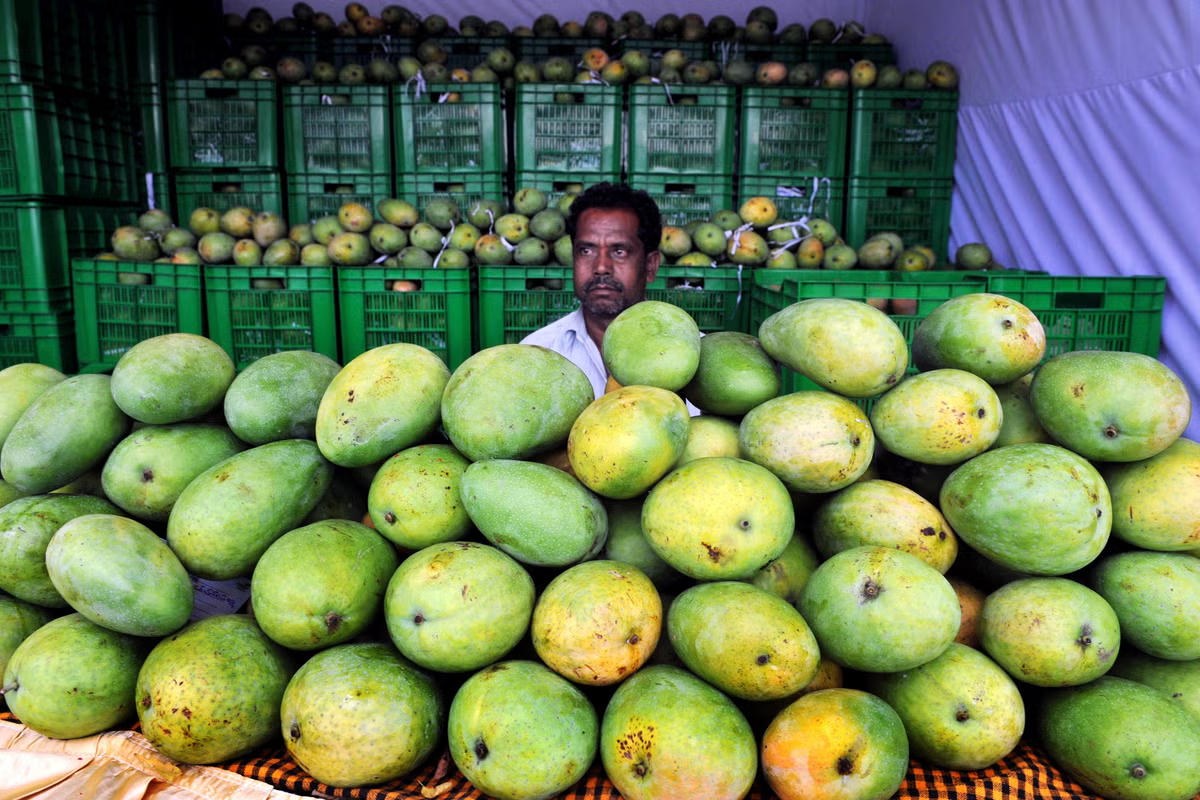
Japan has suspended imports of Indian mangoes for the first time in nearly 20 years after inspectors found problems at a treatment facility in India.The decision came after Japanese officials visited a vapour heat treatment (VHT) facility in Uttar Pradesh in northern India. The VHT process is used to keep mangoes free of pests and fruit fly larvae in hot and humid conditions before they are exported.According to reports, inspectors found deficiencies in fumigation and disinfection measures during the inspection at the Rehmanpur plant in the northern Indian state. Following this, the Yokohama Plant Protection Association, a public-interest organisation in Japan that supports quarantine plans, announced that mango shipments certified after 25 March 2026 would not be accepted until Indian facilities meet the required standards.“How can every facility’s mangoes be rejected?” Akram Baig, an exporter based out of Uttar Pradesh, was quoted as saying by The Print. “It almost seems as though the inspection team arrived with the intention of failing these facilities regardless of their actual performance”, he added.The suspension affects popular Indian mango varieties such as Alphonso, Kesar, Langra, and Banganapalli, which are exported to Japan every year, according to The Economic Times. While Japan is not India’s largest mango market, exporters say the ban is still a major setback. Many exporters are already dealing with rising freight costs, shipping delays, and a shortage of refrigerated containers because of the ongoing tensions in the Middle East.“There is a completely new treatment system to increase the quality of Indian mangoes. If only Japanese-made systems are approved, then it raises questions about monopoly and diplomacy rather than technical compliance,” Mr Baig said. According to the latest data by Indian authorities, Japan accounts for a relatively small share of the country’s mango exports. In 2025-26, exports of fresh and processed mango products to Japan were valued at about $1.54m. Among the varieties shipped, Gujarat’s Kesar mango made up the largest share of exports to the Japanese market. The mango crop calendar across major producing countries shows that peak harvest seasons vary widely. In countries like India, China, Pakistan, Mexico, and Thailand, harvesting typically takes place between April and September.In Indonesia and Brazil, they have a different cycle and peak production runs from August to February. This gives them a seasonal advantage, as their supply arrives when other major producers are largely out of season, according to the Agricultural and Processed Food Products Export Development Authority (Apeda), the Indian government agency under the ministry of commerce and industry that oversees exports.Globally, several mango varieties dominate the trade. According to the ministry, Mexico and Brazil export popular types such as Ataulfo, Tommy Atkins, and Keitt. Thailand is known for Nam Dok Mai, while Pakistan supplies Sindhri and Chaunsa.This is not the first time Japan has banned Indian mangoes. In 1986, imports were stopped over concerns related to fruit fly infestations. The restrictions were lifted only in 2006 after India introduced stricter treatment and better pest control measures.The Indian government has not officially responded to the suspension yet. The Independent has reached out to Apeda for comment. S Insram Ali, president of the Mango Grower Association of India, said that discussions with Japanese authorities were underway and that they “were promised some solution”.
Japan ban imports of Indian mangoes after key processing facility fails inspection
Suspension follows an inspection by Japanese officials at a major facility in Uttar Pradesh, northern India
539 words~2 min read